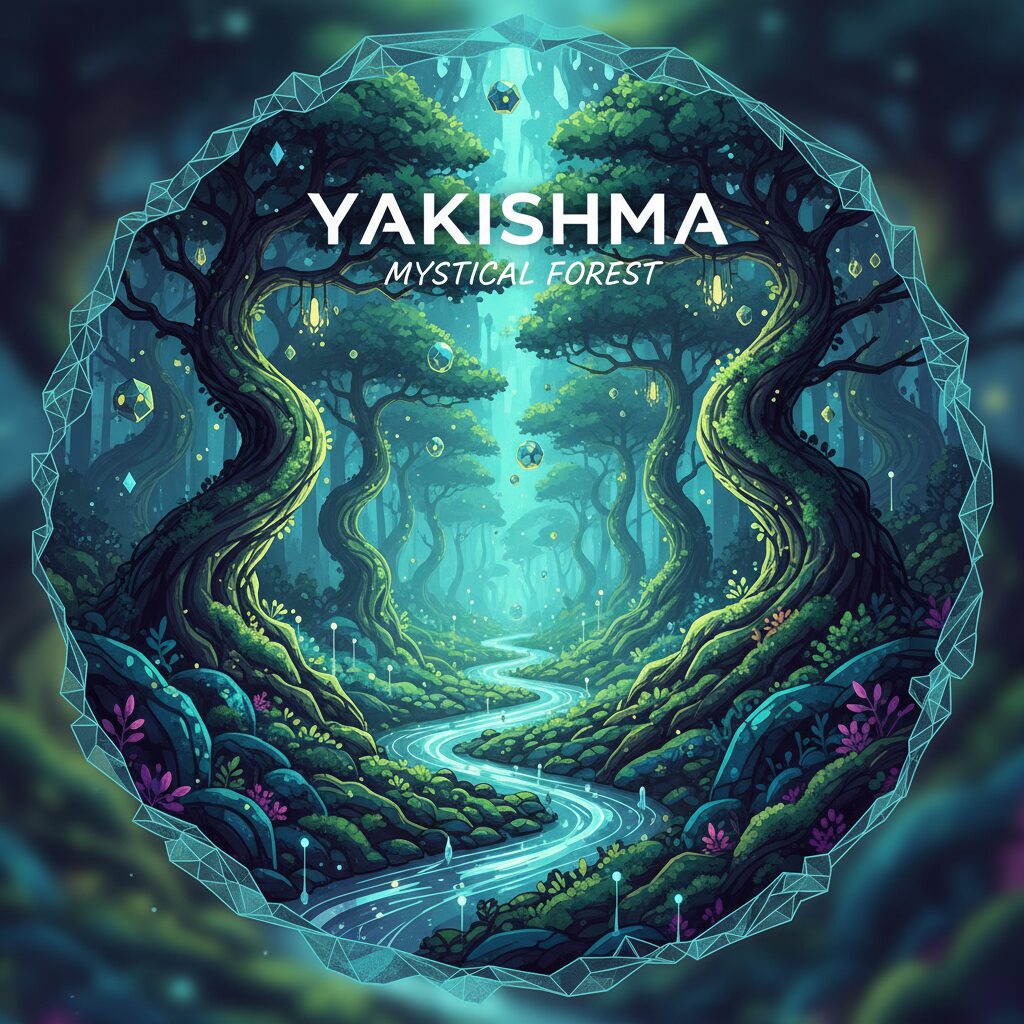
There’s a certain kind of magic that lives in the stories of Studio Ghibli, a whisper of the ancient world brushing against our modern one. We watch these films and a part of us yearns for the enchanted forests, the quiet strength of nature, and the palpable presence of spirits hidden just out of sight. For many, Hayao Miyazaki’s masterpiece, Princess Mononoke, is the pinnacle of this feeling—a raw, powerful epic set in a forest that is as much a character as Ashitaka or San. What if I told you that forest is real? It’s a place you can walk, a place where the air feels heavy with myth and the trees remember an age before humankind. This place is Yakushima, a subtropical island floating off the southern coast of Kyushu, Japan. It’s a land where mountains claw at the sky and cedar trees, thousands of years old, stand as silent witnesses to history. It was here that Miyazaki and his team wandered, finding the very soul of the film in the moss-covered stones and life-giving rain. This is not just a filming location; it is the spiritual heart of Princess Mononoke, a pilgrimage site for anyone whose heart has ever been stirred by its timeless tale. Welcome to the land of gods and monsters, the living, breathing forest of the Wolf Girl.
Immerse yourself further in the island’s timeless allure by exploring a Yakushima pilgrimage that unveils the secrets of its ancient spirit.
The Soul of the Ancient Forest
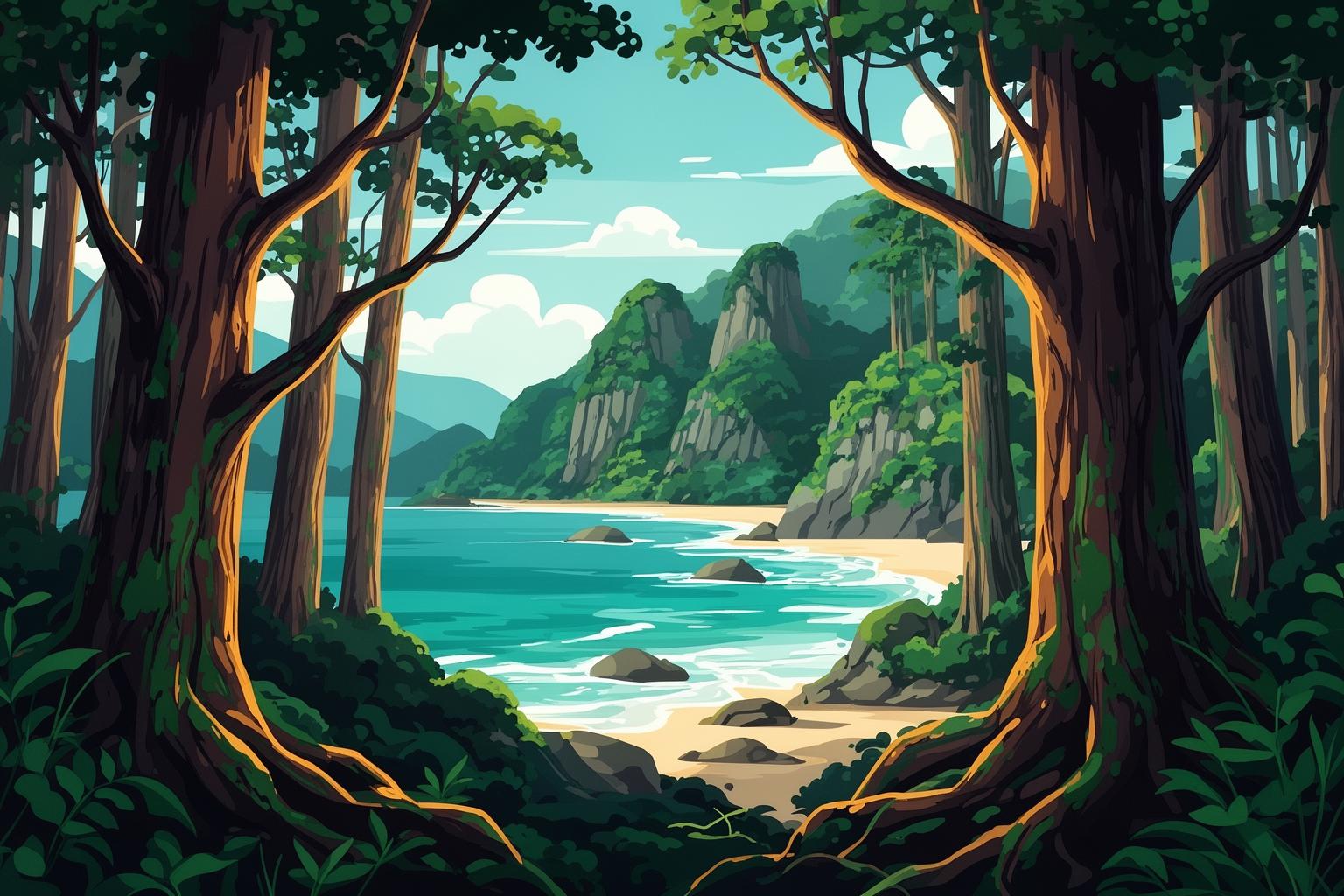
Your pilgrimage truly begins the moment you enter the Shiratani Unsuikyo Ravine. The name itself means “White Valley Cloud and Water Ravine,” offering a poetic glimpse of the ethereal atmosphere that lies ahead. As soon as you pass through the entrance, the outside world fades away, replaced by an overwhelming, all-encompassing green. This is not just any forest; it is the Mononoke no Mori, the Forest of Princess Mononoke, the very place that inspired the film’s otherworldly setting. The air shifts here, growing cooler and thick with the scent of damp earth, decaying wood, and the sweet perfume of life itself. The first thing to captivate your senses is the moss—a living tapestry that covers every surface: twisted roots, massive granite boulders, fallen tree trunks, and the forest floor itself. Locals claim there are over 600 varieties of moss on the island, and in this ravine, it feels like you can behold every single one. It’s a world painted in countless shades of emerald, jade, and forest green, so vibrant and lush it seems to breathe. You instinctively lower your voice to a whisper, as if in a sacred space—a cathedral crafted by nature over millennia. Following the well-maintained yet beautifully rustic trails, you’ll find yourself walking the path Ashitaka once took. You’ll cross crystal-clear streams on simple wooden bridges, where the water is so pure you can often drink directly from its source. Light filters through the dense canopy in shifting, dreamlike beams, illuminating patches of the forest floor as if a spotlight is seeking something magical. It is in these moments, standing in the quiet pulse of the forest, that you begin to look for the Kodama, the little white tree spirits from the film. Though you won’t actually see them, you can certainly sense their presence—you can imagine their heads rattling in the gentle rustle of leaves, their curious eyes peering from behind a mossy stone. This is the power of Shiratani Unsuikyo; it doesn’t just resemble the movie, it truly feels like it.
Tracing the Footsteps of Gods and Spirits
To truly understand Yakushima is to recognize it as an island deeply rooted in animistic reverence for nature. Long before gaining recognition as a UNESCO World Heritage site or becoming a popular anime pilgrimage spot, it was known as “the island of the gods.” Shinto, Japan’s indigenous religion, sees divinity, or kami, in all natural elements—mountains, rivers, trees, and stones. On Yakushima, this belief is not merely theoretical; it is a living reality. The island’s inhabitants have coexisted with their powerful environment for centuries, a theme central to Princess Mononoke. The film’s conflict between human industry and the untamed wilderness feels intimately connected to this place. The great cedar trees, known as Yakusugi, are the island’s most sacred deities. These ancient trees have lived for over a thousand years, their bark twisted and gnarled like the faces of wise old sages. While the Shiratani Unsuikyo Ravine offers a stunning glimpse into this world, the true pilgrimage for many is the demanding trek to see Jomon Sugi. This enormous tree, the island’s oldest resident, is estimated to be between 2,000 and over 7,000 years old. It stands as a living monument from Japan’s Jomon period, a time when humans lived in close harmony with nature. The hike to Jomon Sugi is no casual walk; it is a strenuous ten-hour round trip requiring respect and preparation. Yet for those who undertake the journey, the reward is deeply meaningful. Standing before this ancient being is a humbling, transformative experience that goes beyond tourism. It connects you to a timeline far grander than our own, much like the Forest Spirit in the film, which embodies the vast, cyclical power of life and death. You come to see that the forest in Princess Mononoke was more than just a setting; it was a living entity with a soul, a will, and a right to exist—a true reflection of Yakushima’s spiritual essence.
A Practical Guide to Your Ghibli Pilgrimage
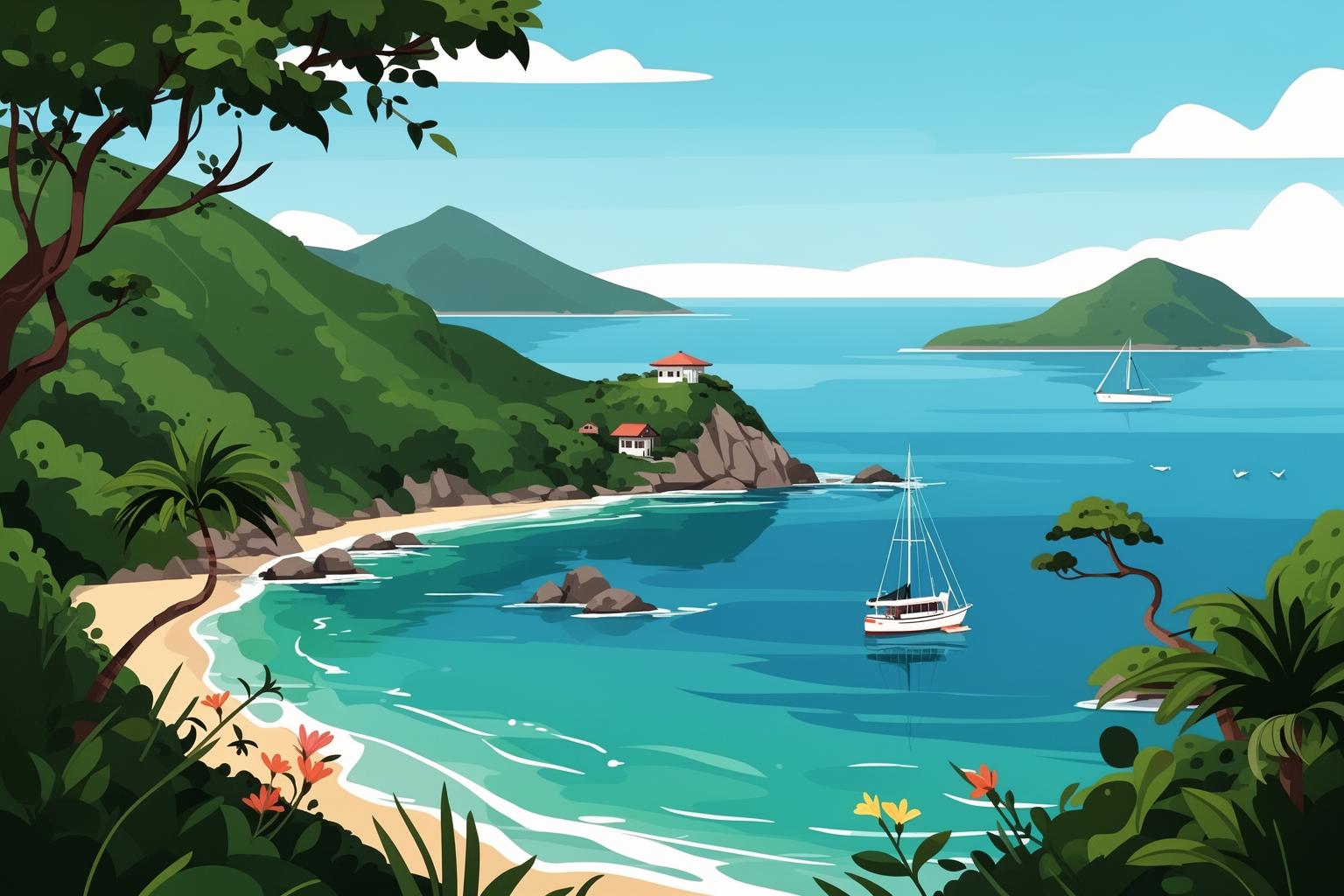
Reaching an island steeped in myth and legend requires a bit of modern-day preparation. Yakushima is remote, which is a fundamental part of its wild allure. However, with the right information, the journey can be as smooth as a river stone.
Reaching the Enchanted Isle
Your adventure begins in Kagoshima, the southernmost major city on Japan’s main island of Kyushu. From there, you have two main options. The quicker method is by air. Yakushima Airport is small, but several daily flights make the short hop from Kagoshima, with direct flights also available from Fukuoka and Osaka. This is the ideal choice if your time is limited. The more scenic and traditional route is by sea. You can opt for the high-speed hydrofoil, often called the “Toppy” or “Rocket,” which whisks you across the water in about two to three hours, or the slower, more relaxed car ferry that takes approximately four hours. The hydrofoil offers a thrilling ride, but it can be canceled during rough seas. The ferry is more stable, allows you to bring a vehicle, and provides the unforgettable experience of watching the island’s dramatic mountain peaks emerge from the ocean horizon—a majestic introduction to Yakushima.
Navigating Yakushima’s Wild Heart
Upon arrival, you’ll quickly discover that Yakushima is larger and more rugged than it appears on a map. Public transportation is available via a bus system that circles the island, but schedules can be sparse, especially when heading to the trailheads deep in the interior. To truly explore at your own pace—to chase the sunset on a secluded beach or make an impromptu stop at a roadside waterfall—renting a car is almost essential. Rental agencies are conveniently located near the two main ports, Miyanoura and Anbo. Driving here is enjoyable, with winding coastal roads and lush mountain passes. Just be cautious of the local wildlife. The island is home to thousands of Yakushika deer and Yakuzaru macaques, which often treat the roads as their own thoroughfares. Observing a monkey grooming its young by the roadside is a common and charming sight, constantly reminding you that you are a visitor in their world.
When the Forest Calls: Best Times to Visit
There is a local saying that it rains “35 days a month” on Yakushima, which isn’t much of an exaggeration. The island receives some of the highest rainfall in the world, but this is exactly why its forests are so beautifully lush and green. Rain isn’t something to avoid here; it is something to embrace. The forest is arguably at its most enchanting when cloaked in mist and dripping with rain, with the moss’s colors deepening to an almost surreal intensity. That said, certain seasons offer specific advantages. Spring, from March to May, brings pleasant temperatures and the blooming of mountain cherry blossoms. Autumn, from October to November, colors the mountain slopes and offers crisp, clear air, perfect for hiking. Summer is hot and humid, featuring the rainy season in June and early July, followed by the risk of typhoons. Winter is the quietest season, with cooler temperatures and the possibility of snow on the highest peaks, which can close some trails but also provides a peaceful, crowd-free experience. Regardless of when you visit, a waterproof jacket and sturdy boots are essential; they are your key to fully experiencing the island’s magic.
Beyond the Mossy Woods: Embracing Island Life
While the Princess Mononoke forest remains the island’s main attraction, Yakushima offers a wealth of adventures beyond its moss-covered interior. The island serves as a microcosm of Japan’s varied landscapes, where towering mountains meet the sea in dramatic fashion.
The Call of the Ocean and Mountains
After days spent beneath the forest canopy, the island’s coastline presents a bright and stunning contrast. Visit Nagata Inakahama, a breathtaking golden sand beach on the northwest coast. This is not just a scenic spot for a walk; it is the most important nesting site for loggerhead sea turtles in the North Pacific. From May to July, female turtles come ashore under cover of darkness to lay their eggs, and from August to September, the hatchlings make their urgent journey to the sea. Witnessing this ancient ritual is profoundly moving, but it must be done respectfully through organized, guide-led tours to protect the turtles. For those seeking greater physical challenges, the island is a hiker’s dream. The trek to Jomon Sugi is well-known, but climbing Mount Miyanoura, Kyushu’s highest peak, provides panoramic views that are truly breathtaking. The island is also threaded with rivers offering exhilarating kayaking and canyoning experiences, or you can simply admire the many spectacular waterfalls, such as the powerful Oko-no-taki Falls in the south, where you can get close enough to feel the spray on your face.
Flavors of the Forest Isle
Exploring Yakushima’s rugged landscape will certainly build an appetite, and the island’s cuisine is a delightful reward. The local specialty is tobiuo, or flying fish, served in various styles—from crispy deep-fried whole fish to delicate sashimi. The sea’s bounty is ever-present here. The island is also celebrated for its citrus, especially the sweet and juicy Tankan orange, available during winter and spring. It is sold as fresh fruit, juice, and in many other products. No meal is complete without sampling the local shochu. Yakushima is famous for its sweet-potato-based distilled spirits, like the renowned Mitake, often mixed with the island’s famously pure water. Seek out a small, family-run izakaya or minshuku (guesthouse) for an authentic taste of the island. Sharing a meal and a drink with locals is the best way to hear stories and experience the warm, welcoming spirit that lies beneath the island’s wild facade.
Essential Wisdom for the Trail
A journey into a forest as ancient and powerful as Yakushima’s requires more than just enthusiasm. It calls for thorough preparation and, above all, respect. This is not a theme park—it is a living, breathing ecosystem and a sacred space.
Gearing Up for the Ancient Woods
Having the right gear can mean the difference between a magical experience and one that is miserable or even dangerous. The trails are often wet, rocky, and slippery. Sturdy, waterproof hiking boots with strong ankle support are absolutely essential. Next on your list should be reliable rain gear—which means both a waterproof jacket and waterproof pants. An umbrella simply won’t suffice. Dress in layers of synthetic, quick-drying clothing; avoid cotton, which stays wet and can leave you cold. Carry a small backpack stocked with plenty of water, high-energy snacks, a map, and a headlamp, even if you plan to return before dark. If you prefer not to carry bulky gear, many rental shops in Miyanoura and Anbo can provide everything you need, from boots and rain suits to backpacks and walking poles.
Respecting the Sanctuary
When you enter the forest, you step into a temple. The principles of Leave No Trace are crucial here. Carry out everything you bring in, including all food scraps. Stay on marked trails to protect the fragile moss and root systems. The moss you see has taken decades, even centuries, to grow; a single misplaced footstep can destroy it. Resist the urge to touch it. Observe it, photograph it, but let it remain undisturbed. For more demanding hikes, such as the full-day trek to Jomon Sugi or multi-day traverses, hiring a licensed local guide is highly advisable. A guide not only ensures your safety but also greatly enhances your experience by pointing out unique flora and fauna, sharing local folklore, and deepening your understanding of the forest’s delicate balance. They serve as the storytellers and guardians of this island, and their knowledge is an invaluable part of the journey.
Your visit to Yakushima is more than just a trip; it is a conversation with the ancient world. It is an opportunity to walk through a story you cherish and discover that its themes of respect, balance, and the enduring power of nature are more relevant than ever. You will leave with more than photographs; you will leave with the forest’s presence in your soul. The cool, clean air will stay in your memory, as will the sight of gnarled cedar roots clutching life on granite boulders. You may have come seeking the world of Princess Mononoke, but you will depart having forged a connection to a place far older and more profound. Yakushima reminds us that such enchanted places still exist—not in animation, but right here, patiently waiting for those willing to hear their whispers on the wind.