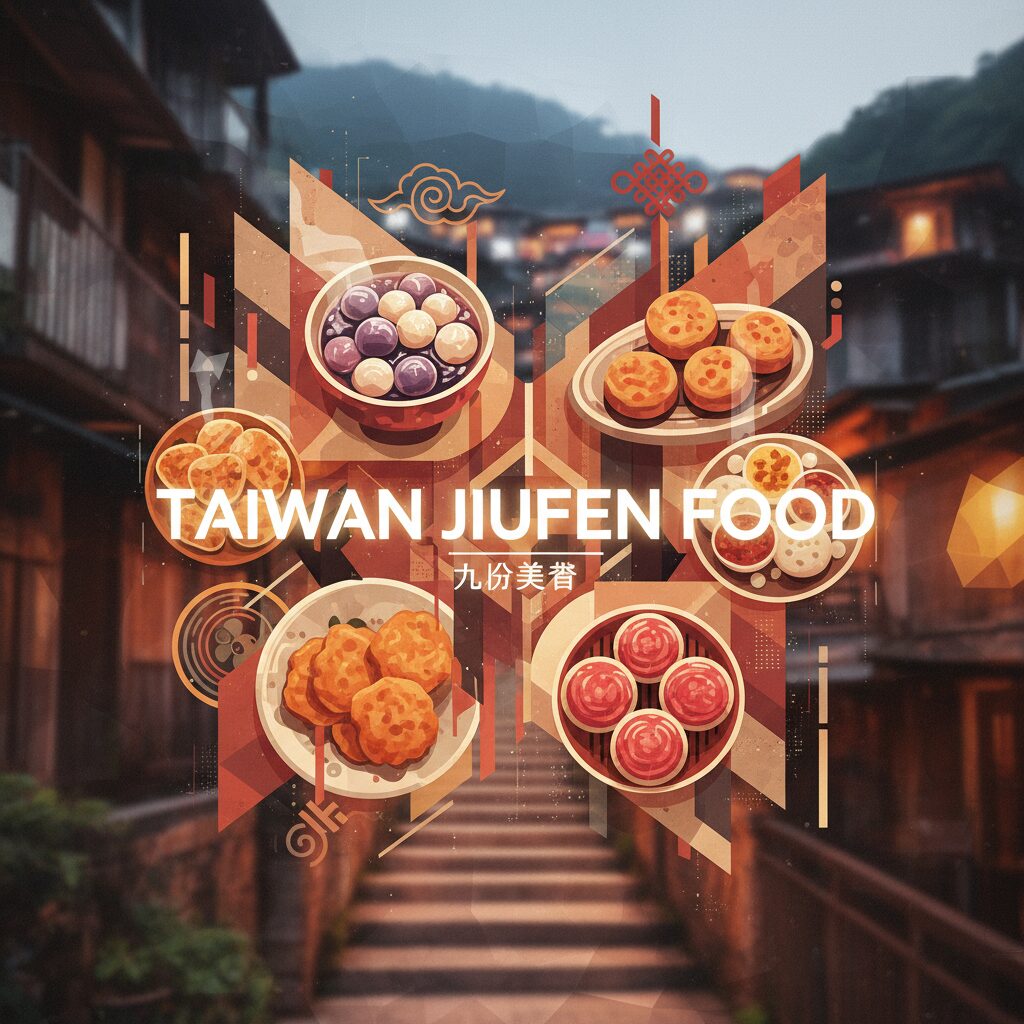
Some places feel like they were lifted directly from a dream. They exist in a hazy space between reality and imagination, where the air hums with stories and every corner holds a secret. Jiufen is one of those places. Clinging precariously to the mountainside in northeastern Taiwan, this former gold mining town is a dizzying, enchanting labyrinth of steep stone staircases, narrow alleyways, and glowing red lanterns. For millions around the world, it’s not just a town; it’s the living, breathing incarnation of the spirit world from Hayao Miyazaki’s animated masterpiece, Spirited Away. The moment you step off the bus and into the throng of Jiufen Old Street, you can feel it—a palpable magic, a sense that you’ve crossed a threshold into another realm. As a traveler who hunts for flavor as much as for sights, I came here chasing the ghost of a film, but I stayed for the soul-stirring food and the echoes of a golden history that still whispers on the mountain breeze. It’s a journey for the senses, a pilgrimage for the heart, and it begins the moment you get gloriously, wonderfully lost in its maze.
For those drawn to Jiufen’s otherworldly ambiance, exploring the ancient spirituality of Yakushima may reveal a similarly mesmerizing blend of legend and nature.
The Spirited Away Connection: Myth or Magic?
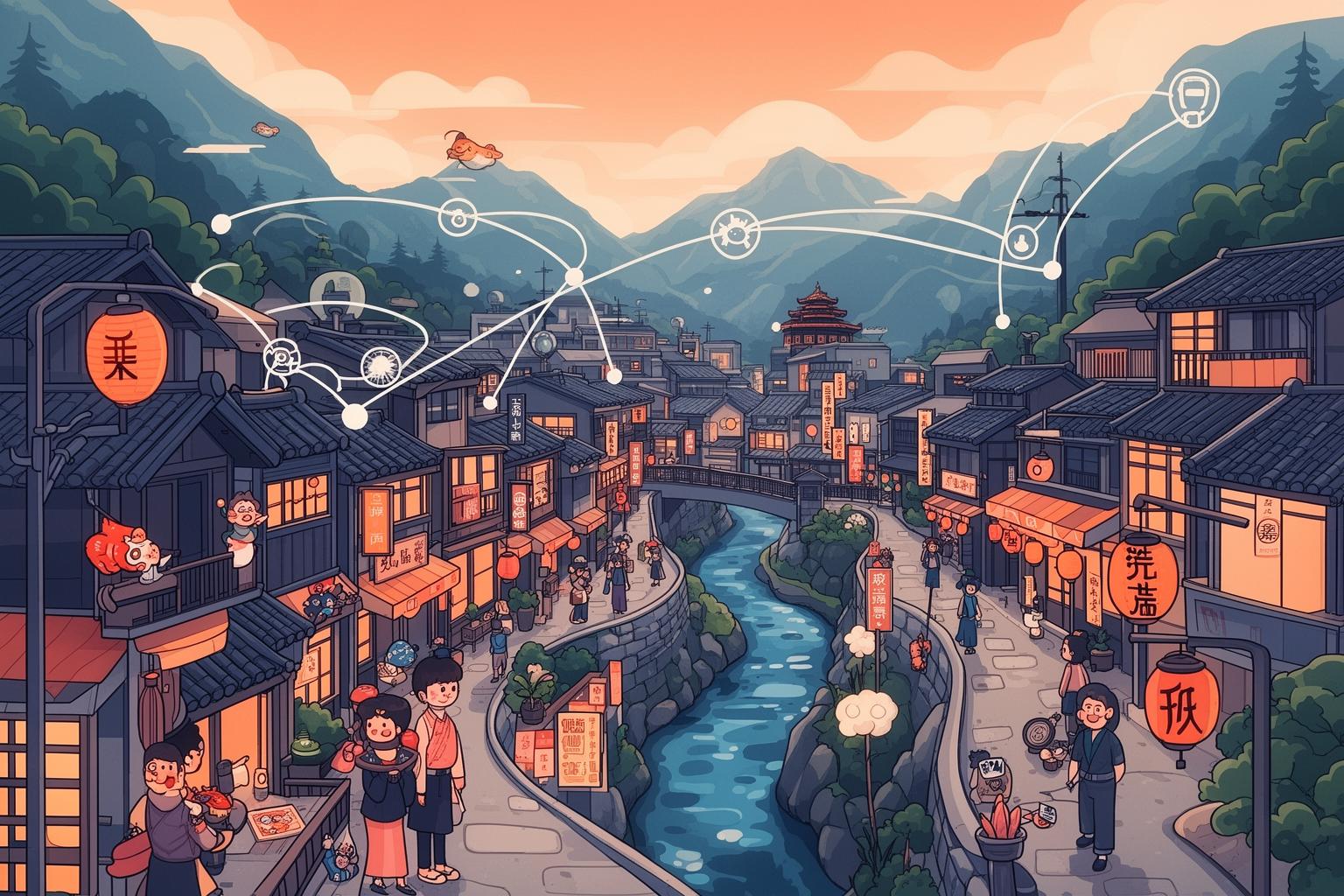
Let’s confront the spirit in the room. Is Jiufen genuinely the inspiration for Spirited Away? Officially, Studio Ghibli and Hayao Miyazaki have been evasive, even denying any direct connection. Yet standing at the base of Shuqi Road and looking upward evokes an unmistakable sense of déjà vu. The cascading tiers of wooden teahouses, adorned with glowing red lanterns and clinging to the hillside like ancient barnacles, closely resemble the fantastical bathhouse run by the witch Yubaba. The most iconic among these, the A-Mei Tea House, has become the unofficial symbol of this link. At dusk, when hundreds of crimson lanterns flicker on, casting a warm, ethereal light over the crowds moving up and down the stone steps, the illusion feels complete. The air thickens with the hum of countless languages, the sizzle of street food stalls, and an undercurrent of shared wonder. It feels just as chaotic, mysterious, and enchanting as the world Chihiro wandered into. Whether this was a direct inspiration or a marvelous coincidence matters little. The myth has woven itself into Jiufen’s identity, a powerful charm that draws pilgrims from all over the world. They come to follow the footsteps of a fictional character, to experience a fragment of that animated magic brought to life. And through this shared moment, the town conjures a magic uniquely its own.
A Labyrinth of Culinary Delights: Navigating Jiufen Old Street
The main artery of the town, Jishan Street—also known as Jiufen Old Street—is an overwhelming sensory feast in the best possible way. This covered bazaar is a narrow, winding corridor filled shoulder-to-shoulder with people, food stalls, souvenir shops, and tea vendors. The air is alive with a rich blend of aromas: the sweet steam of taro ball soup, the sharp bite of stinky tofu, the savory scent of grilled sausages, and the earthy fragrance of high-mountain oolong tea. This is where the true foodie pilgrimage begins, best embarked upon with an empty stomach and a spirit of adventure. Forget about a formal meal; the essence of Jiufen is to graze, sampling a bit of everything as you slowly navigate the crowd.
The Chewy, Comforting Embrace of Taro Balls
You simply can’t come to Jiufen without trying taro ball soup. It’s the town’s iconic dish—a comforting bowl of sweet, chewy dumplings that feel like a warm hug from within. Crafted from taro, sweet potato, and green tea mochi, these colorful balls are served either hot in a sweet ginger syrup or chilled over shaved ice with sweet beans. The texture is what the Taiwanese call “Q” or “Q-Q”—a delightfully springy, bouncy chewiness that’s incredibly satisfying. Each spoonful offers the perfect balance of warmth, sweetness, and that addictive texture. Shops like Grandma Lai’s Taro Balls are legendary, with lines winding down the street. Watching the staff expertly roll and cut the dough before boiling it in large vats is part of the appeal. It’s a simple, rustic dessert that truly embodies the comforting, homespun spirit of the mountains.
An Unforgettable Bite: The Peanut Ice Cream Roll
Get ready for something truly unique. The peanut ice cream roll is a Taiwanese street food masterpiece that might sound unusual on paper but is absolutely divine in reality. A vendor takes a thin, crepe-like wrapper, shaves a generous amount of peanut brittle from a giant block onto it, adds two scoops of taro ice cream, and as a final, unexpected flourish, sprinkles fresh cilantro on top. The whole thing is then rolled up like a small burrito. The result is a harmonious blend of flavors and textures—sweet, savory, creamy, crunchy, cold, and herbaceous—all in one bite. The salty-sweet peanut candy pairs perfectly with the mild ice cream, while the cilantro cuts through the richness with a bright, fresh kick. It’s a must-try culinary adventure that beautifully captures the surprising and delightful character of Jiufen itself.
The Tranquility of a Mountainside Teahouse
After navigating the delightful chaos of Old Street, retreating to the calm of a traditional teahouse provides a welcome escape. These multi-story wooden sanctuaries, such as the renowned A-Mei Tea House or Jioufen Teahouse, are built into the cliffside, offering breathtaking panoramic views of the surrounding mountains and the deep blue Pacific Ocean. The experience unfolds like a ritual. Seated at a sturdy wooden table, a tea master guides you through the traditional Gongfu tea ceremony. You learn to warm the tiny cups, rinse the high-quality oolong leaves, and savor the changing flavors with each steep. The tea is accompanied by an assortment of delicate snacks—salty-sweet dried plums, flaky pineapple cakes, or soft, chewy mochi. As you sip fragrant tea and gaze out over misty peaks or watch the sun set in fiery hues, the noise of the world fades away. In these quiet moments, high above the lantern-lit alleys, you can truly appreciate the profound peace and beauty of this mountain town.
Beyond the Lanterns: Uncovering Jiufen’s Golden Past
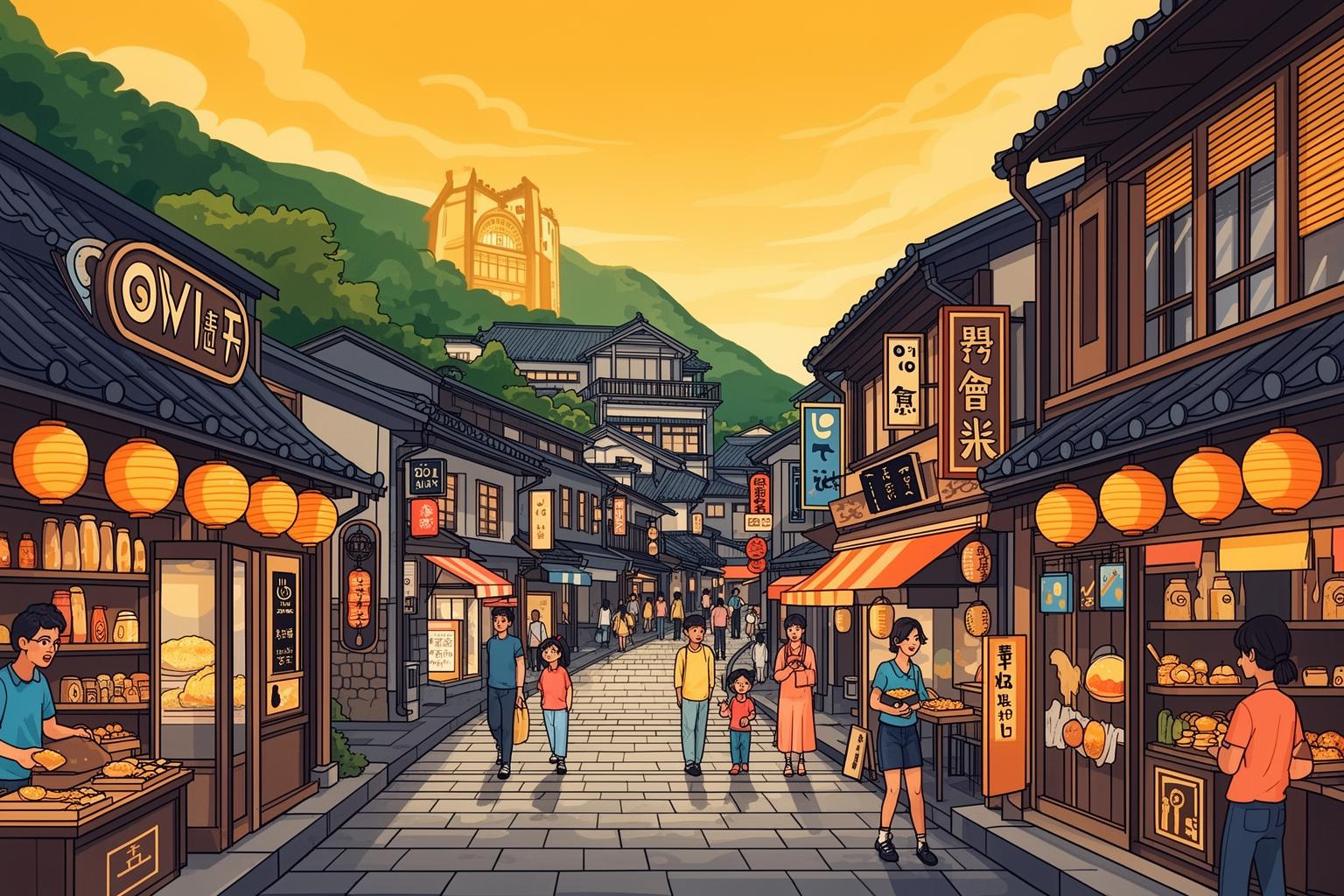
The whimsical, lantern-lit town we see today was shaped by a much grittier past. Jiufen’s history is one of boom and bust. For centuries, it was a small, isolated village home to just nine families—hence its name, meaning “nine portions.” Everything changed in 1893 with the discovery of gold. During the Japanese occupation of Taiwan, a massive gold rush swept through the area, transforming the quiet settlement into a bustling, prosperous center known as “Little Shanghai.” The town’s distinctive architecture—a dense cluster of buildings gripping steep hillsides—is a direct outcome of this rapid, chaotic growth. The Shengping Theater, Taiwan’s first cinema, remains a beautifully restored landmark from this golden age. Visitors can step inside its historic walls and envision the miners and merchants who once gathered there for entertainment after long days of work. After World War II, when the gold was depleted, Jiufen entered a prolonged decline, fading into a near-ghost town. Its revival began in 1989, when it was featured as the evocative setting of the acclaimed Taiwanese film A City of Sadness. This renewed interest put Jiufen back on the map, but it was its later, informal association with Spirited Away that solidified its reputation as a global travel destination. Knowing this history adds depth to your visit. The lanterns are not just for tourists; they serve as a romantic reminder of a once-brilliant prosperity, illuminating a town that has perfected the art of reinvention.
Practical Magic: Planning Your Trip to Jiufen
A bit of planning can make all the difference in ensuring your visit to Jiufen is enchanting rather than overwhelming. Due to the town’s popularity, it can become extremely crowded, but with the proper approach, you can navigate it like an experienced traveler.
Getting There from Taipei
Jiufen is a favored day trip destination from Taiwan’s capital, Taipei, with several good transportation options available. The most straightforward way is to take Bus 1062, which departs from outside Zhongxiao Fuxing MRT Station. The trip takes about 90 minutes, depending on traffic, and drops you off right at the entrance to Old Street. Alternatively, you can take a train from Taipei Main Station to Ruifang Station, a journey of approximately 40-50 minutes. From just outside Ruifang Station, frequent local buses provide the final 15-minute winding ascent up the mountain to Jiufen. Though this route requires a transfer, it avoids Taipei’s city traffic—a significant benefit, especially on weekends.
The Best Time to Visit: Chasing the Sunset
Timing is key in Jiufen. The worst time to visit is midday on a Saturday or Sunday, when the narrow Old Street becomes a slow-moving, crowded flood of visitors. For a much more enjoyable experience, aim to visit on a weekday. Even better, plan to arrive in the late afternoon, around 3 or 4 PM. This allows you ample time to explore shops and sample street food in the daylight. Then, you can settle in at a teahouse to watch the stunning sunset over the coast. The real magic unfolds at dusk when the shops light their lanterns. The town transforms, filling the atmosphere with enchantment. Staying into the evening also lets you experience a quieter, more intimate Jiufen after the last tour buses have left.
A Pilgrim’s Parting Thoughts
Jiufen is more than just a scenic backdrop. It engages all your senses—the cool mountain air on your skin, the murmur of countless conversations echoing through narrow alleys, the sight of thousands of lanterns casting a warm red glow, and the warmth of a simple taro ball soup at your core. It strikes a delicate balance between a bustling tourist spot and a place of genuine historical and atmospheric charm. Yes, it can be crowded, but the crowds contribute to its vibrant, living energy. My advice: embrace the chaos. Wander off the main street and get lost in the smaller, residential side alleys where cats nap on tiled roofs and everyday life continues quietly. Whether you come seeking the world of an animated film, the remnants of a gold rush, or simply a satisfying meal with a view, Jiufen delivers. It reminds you that sometimes, the most magical places carry the weight of real history, authentic stories, and very, very real flavor.