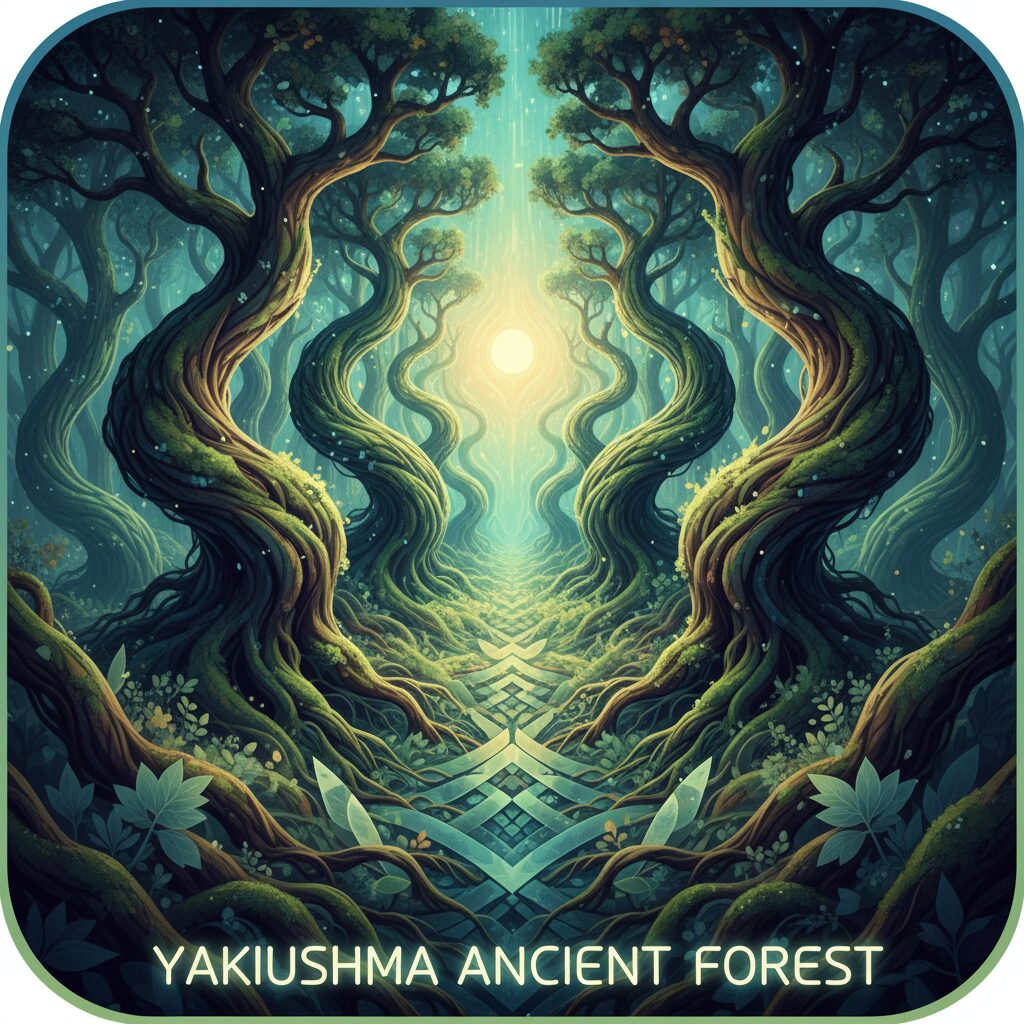
There are places on this earth that feel unstuck from time, landscapes that hold the memory of millennia in their very soil. They are the settings of our oldest stories, the cradles of our myths. And sometimes, if we are very lucky, they become the canvas for our modern myths as well. Deep in the south of the Japanese archipelago lies such a place: an island of staggering mountains, primeval forests, and relentless rain. This is Yakushima, a bastion of the wild and the spiritual heart of Studio Ghibli’s cinematic masterpiece, Princess Mononoke. To journey here is not merely to visit a film location; it is to step through the screen and into the very soul of Hayao Miyazaki’s epic vision—a world where nature is sovereign, gods walk the earth, and the air hums with an ancient, untamable power. This island, a designated UNESCO World Heritage site, is where the animated forests of the Shishigami, the Deer God, find their terrestrial roots, not just in the colossal, moss-draped trees, but in the profound message of coexistence and conflict that defines the film. It’s a pilgrimage for the Ghibli devotee, the nature lover, and the historian alike, a chance to witness the enduring power of a world that existed long before us and will, with care, exist long after.
Immerging into the island’s timeless mystique, many travelers opt to deepen their experience with a mononoke journey that explores the hidden layers of Yakushima’s ancient spirit.
The Soul of the Shishigami’s Forest
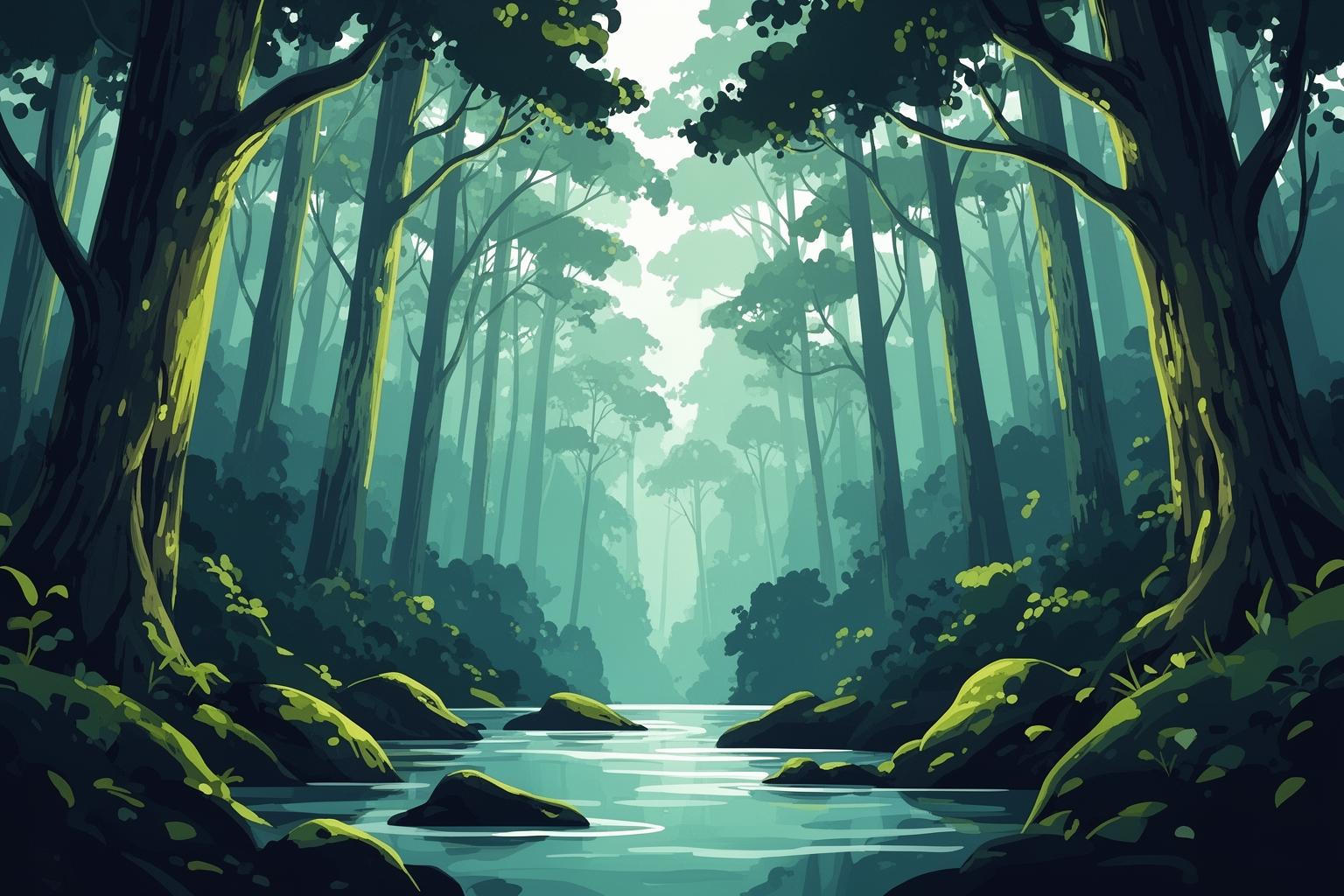
The moment you step under the canopy of a Yakushima forest, the outside world disappears. It transforms into a realm of constant twilight, a cathedral of green and grey where sunlight struggles to break through thick layers of foliage. The air turns cool and heavy, filled with the scent of damp earth, decaying wood, and the fresh, sharp aroma of cedar. This atmosphere is what Miyazaki so brilliantly captured—a world that feels both deeply real and impossibly ancient. The silence is not empty; it is a living presence, interrupted only by the steady drip of water from leaf to moss-covered stone or the distant call of a Yakushika deer. In this profound quiet, you begin to sense it: the feeling of being watched not by eyes, but by the forest itself. You start to grasp the animistic beliefs woven into Japanese culture—the idea that every tree, rock, and stream harbors a spirit, a kami. Here, it feels less like belief and more like an undeniable fact. The twisted roots of the Yakusugi—the island’s ancient cedars—look like the sinewy limbs of slumbering giants. When sunlight does manage to penetrate, it lights up particles of mist and spores, creating ethereal beams that dance through the undergrowth, just as they did for Ashitaka when he first entered the Shishigami’s domain. It is impossible not to search the shadows for the faint, rattling figures of the Kodama, the tree spirits. Though you may not see them, their playful, curious presence seems woven into the very fabric of the woods.
A Journey Through Living History: The Shiratani Unsuikyo Ravine
For those looking for the most direct gateway into the world of Princess Mononoke, the adventure both begins and ends at Shiratani Unsuikyo. This ravine, whose name means “White Valley Cloud Water Ravine,” is the exact landscape that Miyazaki and his team of artists spent days sketching, soaking in its spirit to bring to life on the animation cel. This is not just an inspiration; it is the blueprint. The trails here feel less like human-made paths and more like gentle suggestions from the terrain, guiding you over moss-covered boulders and through streams so pure you can drink directly from their source.
The Moss-Covered Realm
At the heart of the ravine lies a section officially dubbed “Mononoke Hime no Mori,” or Princess Mononoke’s Forest. Standing here is an astonishing, almost surreal experience. Every surface imaginable is covered in a thick, velvety carpet of myriad green mosses. Rocks, fallen logs, tree trunks, and the forest floor itself teem with it. The world softens, sharp edges blurring into an emerald dreamscape. For fans of the film, the scene feels uncannily familiar, like a memory. This is the place where Moro, the wolf goddess, rested her head, and where San, the Wolf Princess, faced the encroaching humans. The air feels heavy with moisture, and the soundscape is alive with water in all its forms—gurgling brooks, raindrops pattering on leaves, and flowing silent rivers of moss. It speaks to the artists’ devotion that they captured not only the appearance but the deep, sacred essence of this unique part of the world.
Trekking the Ancient Paths
Shiratani Unsuikyo features several trails ranging in difficulty, but the most rewarding leads to Taiko Iwa, or Taiko Rock. This moderately challenging hike takes several hours, but offers one of the most stunning panoramas in all Japan. After trekking through the dense, mystical forest, you arrive at a massive granite boulder towering above the canopy. From there, the island’s mountainous interior unfolds in a breathtaking, sweeping vista—the very kind of epic view that gave the film its grand sense of scale. The journey to Taiko Iwa encapsulates the island’s essence. It begins in the intimate enclosure of the moss forest and climbs to a vantage point revealing the island’s raw, untamed majesty. For first-time visitors, wearing sturdy waterproof hiking boots with excellent grip is crucial, as the trails are almost always wet and slippery. Bringing rain gear is essential, regardless of the weather forecast.
The Murmurs of Kodama
As you follow the trails, take moments to pause and simply listen. The forest breathes. The play of light and shadow creates illusions, turning twisted roots into crouching creatures or pale fungus into watchful faces. This is where the true magic resides. The forest invites your imagination to run free, to see the spirits that the film so beautifully brought to life. You realize the Kodama were not mere inventions, but interpretations of a sensation already present, waiting to be recognized. This quiet observation is as integral to the pilgrimage as the hike itself. In these moments, the boundary between our world and the realm of spirits feels most fragile.
Beyond the Ravine: Seeking the Jomon Sugi
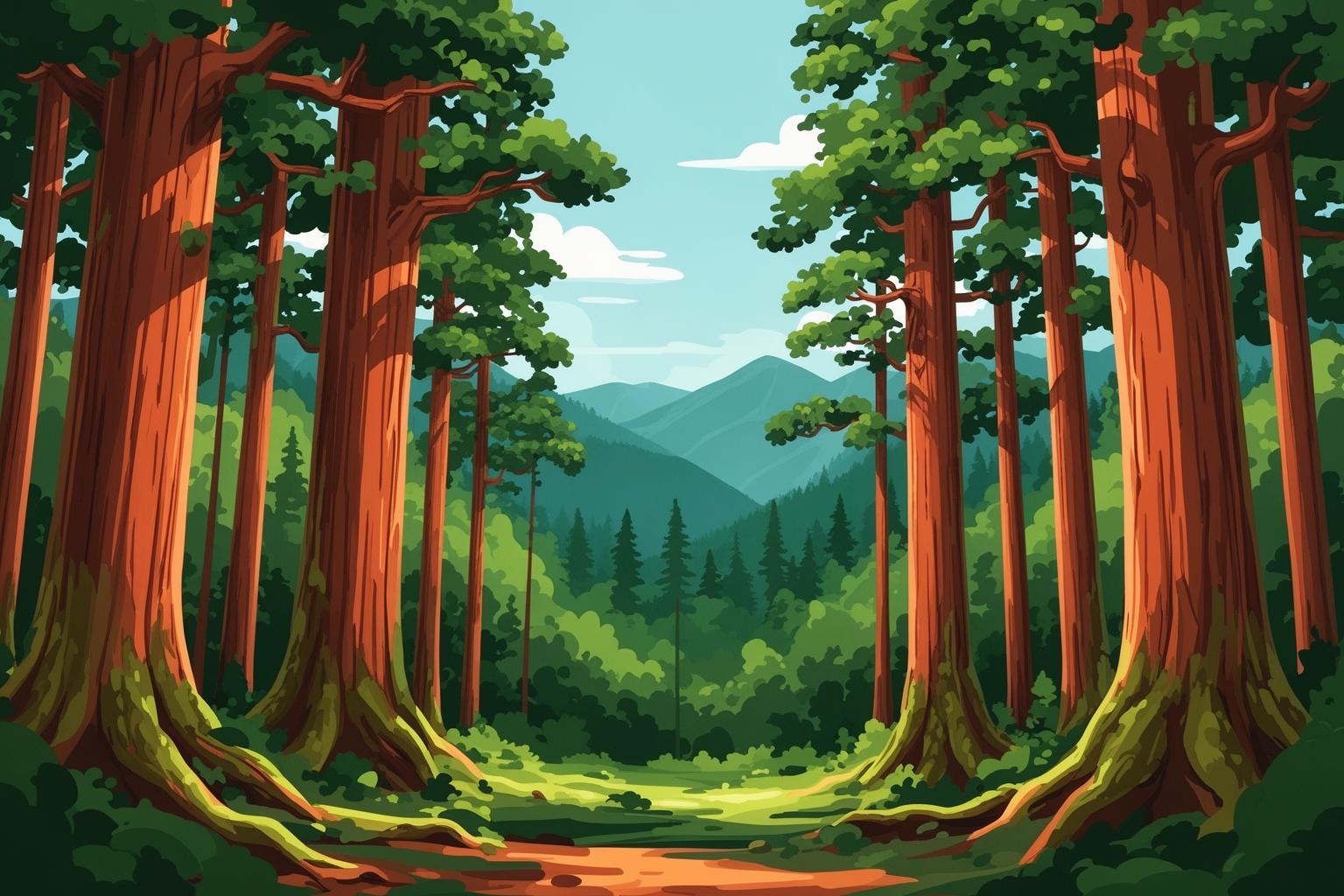
While Shiratani Unsuikyo serves as the aesthetic core of Princess Mononoke, the island’s spiritual centerpiece is a single, monumental tree called the Jomon Sugi. This massive Yakusugi is among the oldest living trees on Earth. Its exact age remains debated by scholars, with estimates ranging from 2,170 to an astonishing 7,200 years. Standing before it is to face a timescale that dwarfs human history. It existed as a sapling before the pyramids were constructed, was mature during the Roman Empire, and was already ancient by the founding of Japan. The journey to witness it is far from casual; it is a strenuous ten-to-twelve-hour round-trip hike along the Okabu Trail, beginning on an old logging railway track before climbing steeply into the mountains.
This challenging pilgrimage mirrors the themes of the film profoundly. The trail follows the remnants of human industry—the railway built to harvest the forest’s giants—before leading into a wilderness so deep it seems to reject that very industry. The Jomon Sugi itself is a survivor. Its gnarled, hollowed trunk narrates stories of typhoons, lightning strikes, and centuries of resilience. It stands as the ultimate symbol of nature’s endurance, a living embodiment of the ancient, defiant spirit that San and the wolf clan sought to protect. Encountering it is less a tourist activity and more a humbling audience with a monarch of a different realm.
Preparing for the Pilgrimage
Embarking on the Jomon Sugi hike demands thorough preparation. It is a physically taxing trek suitable only for those with a good level of fitness. Starting well before dawn is crucial. Hiring a local guide is strongly advised; they not only ensure safety but also greatly enhance the experience, pointing out unique flora and fauna and sharing stories about the island’s history. Essential equipment includes sturdy hiking boots, full rain gear (both jacket and pants), a headlamp for the early morning start, and plenty of water and high-energy food. This is not a hike to be taken lightly, but the emotional and spiritual reward is immense. It is a journey that strips you down and rebuilds you, leaving you with deep respect for life’s resilience.
The Island’s Dual Nature: Coasts, Creatures, and Culture
Yakushima’s identity extends beyond its mystical forests. The island is a place of striking contrasts, where towering, cloud-covered peaks drop sharply into the turquoise waters of the Pacific. This dual nature is key to appreciating its distinct character and ecosystem.
Where Mountains Meet the Sea
Travel around the island’s coastal road, and you’ll discover a completely different face of Yakushima. Rugged black-rock shorelines are battered by waves, alongside calm, sandy beaches. Nagata Inakahama Beach is especially notable; as the largest nesting site for endangered loggerhead and green sea turtles in the North Pacific, it becomes a sacred place of life’s renewal from May to August. Watching a mother turtle painstakingly lay her eggs by moonlight, or seeing the tiny hatchlings urgently make their way to the sea, is a profoundly moving experience. The island also boasts breathtaking waterfalls that plunge directly into the ocean, like Senpiro-no-taki and Oko-no-taki, their thunderous sound a constant reminder of the enormous volume of water that shapes this terrain.
The Inhabitants of the Island
Yakushima’s non-human residents are as integral to its identity as its ancient trees. The Yakushika deer and Yakuzaru monkeys, both endemic subspecies, roam freely with little fear. You can spot them everywhere: grazing by the roadside, resting in clearings, or watching you with curious eyes along forest trails. They are the living heirs of the animal tribes from Princess Mononoke. Observing a macaque troop grooming one another or a gentle deer stepping quietly through the moss serves as a reminder that this is their home above all else. Visitors are encouraged to observe them respectfully and, importantly, never feed them. Maintaining this boundary is essential to preserving the island’s wild balance.
Life in the Yakushima Settlements
The human presence on Yakushima is found in its small, peaceful port towns like Miyanoura and Anbo. Life here unfolds at a slower, more intentional pace, shaped by ferry schedules and weather patterns. These towns are not bustling tourist centers but practical communities offering a warm, welcoming base for exploring the island. Here, you can enjoy local specialties like tobiuo (flying fish), often served fried whole, as well as products made from local tankan and ponkan citrus fruits. The people of Yakushima share a profound, practical relationship with the surrounding nature—a modern-day example of the coexistence the film portrays as a delicate ideal. Their lives quietly testify to the possibility of living alongside, rather than against, the powerful forces of the natural world.
Practical Lore for the Intrepid Traveler
Exploring a wild and remote destination like Yakushima calls for some logistical planning. Although it belongs to Japan, the island’s systems and environment are distinctive, and a well-prepared traveler will enjoy a far more rewarding experience.
Reaching the Enchanted Isle
Yakushima is mainly accessed through Kagoshima, the southernmost major city on Japan’s main islands. From there, you have two primary choices. The quickest way is a short flight from Kagoshima Airport directly to Yakushima’s small airstrip. Alternatively, you can opt for sea travel. The high-speed hydrofoil, called the “Toppy” or “Rocket,” is a popular option, completing the trip in two to three hours. For travelers with more time and a tighter budget, the slower car ferry offers a more relaxed and scenic journey. Booking your transportation well ahead, especially during busy times like Golden Week or summer, is crucial as seats fill up rapidly.
Navigating the Verdant Labyrinth
Once on the island, public transport is very limited. To fully enjoy the freedom to reach trailheads and coastal areas that make Yakushima so special, renting a car is almost essential. The island features a main ring road, but it is narrow and winding, with deer and monkeys often crossing. Drive carefully and slowly. Mountain roads can be particularly difficult and may close due to weather. Be sure to reserve your rental car well in advance since the island has a small fleet and high demand.
When to Heed the Forest’s Call
Yakushima is renowned for its rain; a local saying goes that it rains “35 days a month,” which is hardly an exaggeration. The island’s mountainous landscape captures moisture-heavy sea winds, resulting in some of the world’s highest rainfall totals. This creates its lush, moss-covered paradise. There isn’t a truly “dry” season, though some times are better than others. Spring (March–May) offers mild temperatures and rhododendron blossoms at higher altitudes. Summer (June–August) is hot, humid, and marks the peak of both the rainy season and turtle nesting. Autumn (September–November) generally has steadier weather and clearer skies, with stunning fall foliage in the mountains. Winter (December–February) brings snow to the highest peaks, occasionally closing mountain roads, but also provides a stark, tranquil beauty. Regardless of when you visit, high-quality, dependable rain gear is essential.
A Note on Respectful Passage
As a visitor, you enter a fragile and sacred ecosystem. Following “Leave No Trace” principles is vital. Carry out everything you bring in, remain on marked trails to protect the delicate moss, and use portable toilets on sensitive routes like the trail to Jomon Sugi. The island’s conservation is a serious community effort. By paying the maintenance fee, adhering to the rules, and moving with quiet mindfulness, you help preserve the island’s magic for future generations. This is the greatest homage to the spirit of Princess Mononoke.
The Enduring Echo of Mononoke’s Message
A journey to Yakushima lingers within you long after you’ve boarded the ferry back to the mainland. The scent of rain-soaked earth, the sight of an ancient cedar reaching the clouds, and the profound silence of the moss-covered forest—these sensory impressions root themselves deeply. But more than that, you depart with a renewed appreciation of Hayao Miyazaki’s powerful parable. You have stepped into the world he strove to protect on screen, a world that is not fantasy but a tangible, living, breathing reality. You sense the weight of its history and the fragility of its future. Standing in the green twilight of Shiratani Unsuikyo, you understand that the conflict between Irontown and the forest gods is not merely a tale from the distant past, but an ongoing, present dialogue in our modern world. To visit Yakushima is to choose a side—not against humanity, but in favor of balance. It is to be humbled, inspired, and ultimately transformed by the enduring, silent power of the ancient gods of the forest.