
Some cities are built of concrete and steel, their stories told in timelines and economic charts. Others, however, are woven from poetry and prose, their very stones saturated with the ink of forgotten tales. Kanazawa is one such place. Tucked away on the coast of the Sea of Japan, this city managed to sidestep the destructive bombardments of World War II, preserving a world that feels less like a modern metropolis and more like a beautifully illustrated page from a historical novel. Often called “Little Kyoto,” the nickname, while flattering, fails to capture Kanazawa’s unique rhythm. This is a city that beats to its own quiet, artistic drum, a rhythm that has inspired generations of writers, from the ghostly, romantic tales of Izumi Kyoka to the grounded, heartfelt prose of Muro Saisei. To walk through Kanazawa is to step into their world, to feel the weight of history not as a burden, but as a gentle, guiding hand. It’s a pilgrimage for the soul that seeks stories in the rustle of willow branches, the quiet shuffle of footsteps on cobblestone, and the golden shimmer of a teahouse lantern at dusk. This journey isn’t just about seeing sights; it’s about reading a city, and finding your own narrative within its ancient, elegant script. Prepare to wander, to get lost, and to discover the living literature that is Kanazawa.
Kanazawa’s timeless allure invites travelers to explore another facet of Japan’s cultural narrative, as a visit to a traditional onsen retreat further enriches the journey.
The Echoes of Chaya: Geisha Districts and Whispered Tales
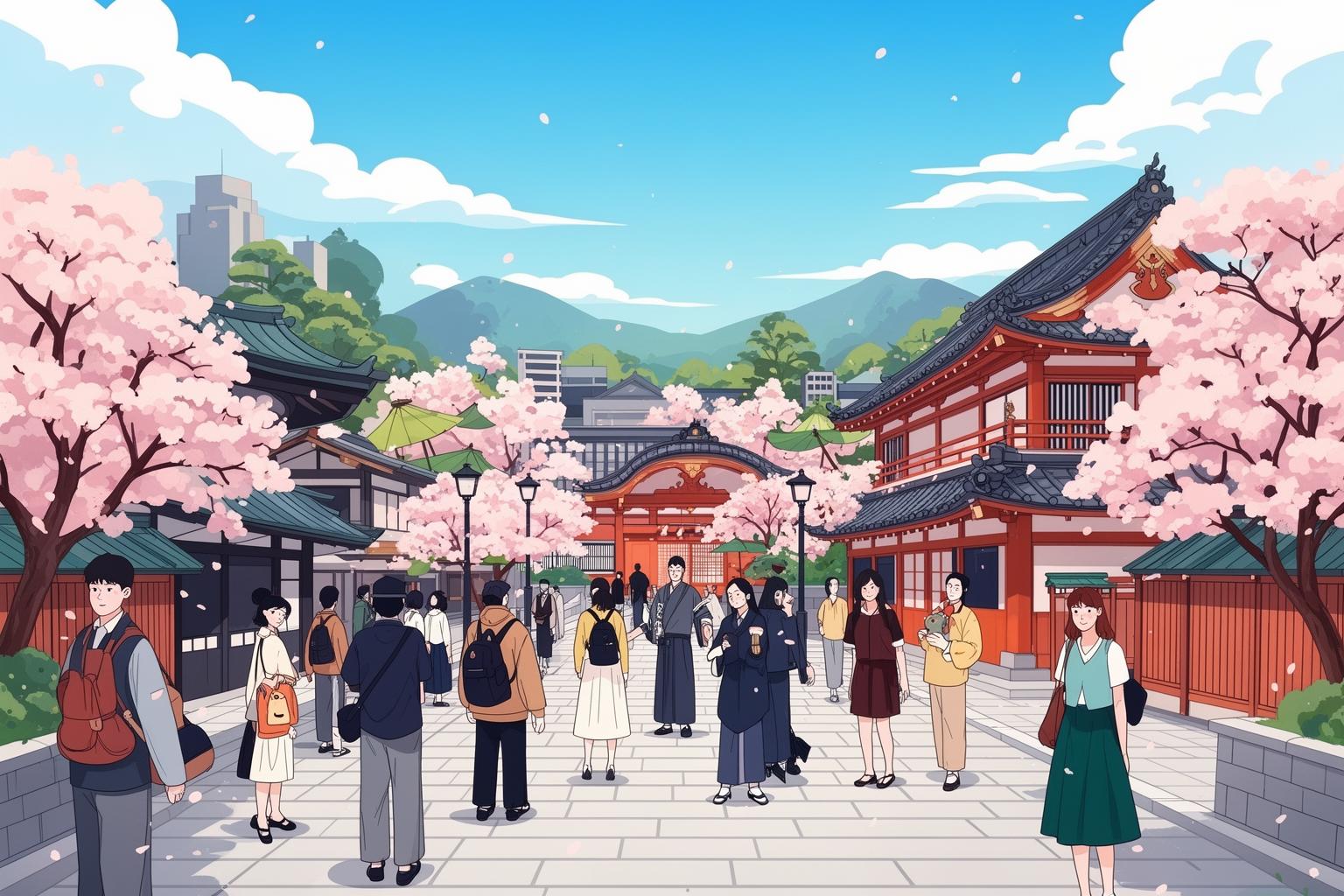
The soul of old Kanazawa is most vividly felt in its chaya districts, the historic entertainment quarters where geisha once enchanted affluent patrons with music, dance, and conversation. Among the three remaining districts, the Higashi Chaya District is the largest and most captivating. Stepping onto its main street brings a profound shift in time. The world of rushing cars and neon lights fades away, replaced by the quiet elegance of two-story wooden teahouses, their façades a harmonious blend of dark lattice and amber-hued plaster. The atmosphere feels different here—heavier with memory, scented with incense and the subtle, sweet aroma of green tea. During the day, the streets buzz with lively energy. Visitors from around the world stroll along the cobblestones, stopping to try gold-leaf soft-serve ice cream or to browse shops offering exquisite Kutani porcelain and delicate lacquerware. The district feels open, like a living museum, inviting you to admire its architectural beauty in the bright daylight.
But as evening falls, a transformation takes place. The crowds thin, day-trippers leave, and a quiet magic reclaims the streets. Lanterns glow softly, casting long, dancing shadows that give the alleyways a mysterious and intimate feel. In these moments, you can almost catch the faint, melancholic notes of a shamisen drifting from an upstairs window, a sound that transports you back a century and a half. This is the Kanazawa that inspired author Izumi Kyoka, a native whose fantastical stories often explore the boundary between the human and the supernatural, the beautiful and the eerie. His tales of ghosts, spirits, and tragic love fit seamlessly into the creaking wood and shadowy nooks of Higashi Chaya. To wander here after dusk is to feel like a character in one of his stories, caught between worlds, where every darkened doorway holds the promise of enchantment or mystery. For a deeper experience, visit the Shima Teahouse, an Important Cultural Asset. Preserved exactly as it was in the 1820s, it provides a tangible link to the lives of the geisha who once performed there. Sitting in its tatami rooms, overlooking a small, perfect courtyard garden, you become more than a tourist—you become a silent witness to a world that cherishes beauty, discipline, and the art of a fleeting, perfect moment.
Kenrokuen Garden: A Poem Written in Nature
Next to the imposing Kanazawa Castle lies Kenrokuen, a place that goes beyond the mere definition of a garden. It is a masterpiece of landscape design, a philosophical expression, and a living work of art carefully shaped by time and human hands over centuries. Renowned as one of Japan’s three most beautiful landscape gardens, Kenrokuen is not a place to be hurried through. It is a text to be read slowly, a composition where every pond, stone, and tree acts as a word in a vast, sprawling poem celebrating the beauty of the natural world. Its name, meaning “Garden of the Six Sublimities,” refers to a classical Chinese text describing the six essential qualities of a perfect garden: spaciousness and seclusion, artifice and antiquity, and water and panoramas. Kenrokuen uniquely embodies all six of these seemingly contradictory qualities in flawless harmony.
The Six Sublime Attributes
Your visit to Kenrokuen is a dance among these six ideals. You’ll sense spaciousness as you gaze over the expansive Kasumigaike Pond, its surface reflecting the sky and the ancient pines along its edges. Yet just a few steps away, a winding path will lead you into a secluded maple grove, where the outside world appears to disappear, replaced by a deep sense of tranquility. The element of artifice is evident in the masterful human touch everywhere—the carefully placed stones, the sculpted black pines, the graceful curve of a wooden bridge. But this human artistry enhances a feeling of antiquity, as if these features were not constructed but naturally grown over time, moss-covered and wise. The renowned Kotoji-toro, a two-legged stone lantern that symbolizes Kanazawa, stands as proof of this balance. Its distinct form is an intentional artistic decision, yet it feels as elemental and timeless as the water lapping at its base. The abundance of water, flowing through streams and gathering in ponds, provides a constant, soothing soundtrack to your walk, while carefully positioned viewpoints offer expansive panoramas of the city below, linking this cultivated paradise back to the world it inhabits.
A Stroll Through Seasons and Stories
Kenrokuen is not just one garden, but four, each revealing a different aspect as the seasons change. In spring, delicate plum and cherry blossoms burst forth in clouds of pink and white, petals drifting onto the ponds like fragrant snow. Summer brings a rich, verdant lushness, the air heavy with the scent of damp earth and foliage, the greens so vivid they almost seem to hum with life. Autumn is perhaps the most breathtaking, as maple and zelkova trees blaze in hues of crimson, gold, and orange, transforming the garden into a fiery display mirrored in the still waters. Yet it is winter that offers Kenrokuen’s most iconic sight: the yukitsuri. These are conical nets of rope, painstakingly set up by gardeners every November to shield the delicate branches of the ancient Karasaki Pine and other trees from the region’s heavy, wet snow. The resulting geometric patterns against a blanket of pure white snow become an art form themselves, symbolizing care, foresight, and the Japanese reverence for preserving beauty despite the harshness of nature. To truly appreciate Kenrokuen, find a bench, perhaps beneath a centuries-old tree, and simply sit. Watch the carp glide through the water. Hear the wind rustling in the pines. This is a place that has inspired countless poets and painters, a landscape designed to quiet the mind and awaken the soul. Let it work its magic on you, and you’ll leave with more than photographs; you’ll carry a piece of its profound and lasting peace with you.
The Flow of Time: From Samurai Residences to Modern Art
Kanazawa’s brilliance lies in its ability to hold both its past and present in a delicate, respectful embrace. The city doesn’t conceal its history behind glass displays; it breathes through it. This becomes most evident as you transition from the stoic world of the samurai to the vibrant, boundary-pushing sphere of contemporary art, realizing that both represent expressions of the same creative, aesthetic spirit that has long defined the city.
The Nagamachi Samurai District
A short stroll from the bustling commercial heart of the city is Nagamachi, a district where the age of the samurai feels remarkably close. Here, the streets are lined with ochre-colored mud walls topped with gleaming black tiles that once shielded the expansive estates of the Maeda clan’s powerful retainers. The Onosho Canal, a narrow waterway built centuries ago, still babbles alongside the paths, its clear water historically used for everything from household chores to transporting goods. Walking here is like stepping into a more disciplined, orderly world. The high walls and discreet wooden gates evoke a sense of privacy and solemnity. To truly understand the life behind these walls, a visit to the Nomura-ke Samurai Residence is essential. This restored home offers an intimate glimpse into the world of a high-ranking samurai family. You can wander through tatami-matted rooms, admire the intricate woodwork on the ceilings, and view artifacts such as samurai armor. The true heart of the residence, however, is its small but exquisitely designed garden. Featuring a 400-year-old Japanese bayberry tree, stone lanterns, and a tiny waterfall feeding a pond with lazily swimming koi, it perfectly exemplifies how beauty and nature were woven into everyday life. It is a space meant for quiet reflection, embodying the Zen Buddhist principles that shaped the samurai ethos. This wasn’t just a home; it was a microcosm of a worldview that prized precision, natural beauty, and inner tranquility.
The 21st Century Museum of Contemporary Art, Kanazawa
From the refined elegance of Nagamachi, a short bus ride or brisk walk takes you to a completely different interpretation of Japanese aesthetics: the 21st Century Museum of Contemporary Art. Its striking circular glass structure, without a formal entrance, boldly declares openness and accessibility. Designed by the renowned architectural firm SANAA, the museum is meant to feel like a public park—a place where art and everyday life can intersect freely. And it succeeds effortlessly. Rather than stuffy, intimidating galleries, you’ll find light-filled spaces, interactive installations, and a playful atmosphere that invites curiosity. The museum’s most famous work is Leandro Erlich’s “The Swimming Pool.” Viewed from above, it appears to be a typical swimming pool with shimmering water and a ladder, but visitors can also enter a space beneath it and look up through a layer of water to see those above. You become part of the artwork, experiencing a wonderfully disorienting and joyful illusion. This seamless fusion of art, architecture, and human interaction lies at the heart of the museum’s philosophy. It challenges the idea that art should be passively observed from afar. Here, you are encouraged to touch, play, and question. Some may regard this bold modernity as a break from Kanazawa’s traditional past, but it is more accurately a continuation of it. The Maeda lords who once governed this region were ardent patrons of the arts, supporting crafts such as lacquerware, silk dyeing, and gold leaf application. The 21st Century Museum is a modern expression of that same civic pride and enduring dedication to creativity. It proves that Kanazawa is not a city frozen in time, but a place where the artistic spirit continues to evolve and reinvent itself.
A Taste of Kanazawa: Culinary Arts and Local Life
To truly grasp the story of a city, you must also savor its flavors. In Kanazawa, food transcends mere nourishment; it is an art deeply woven into the region’s history, geography, and aesthetic values. The city’s culinary landscape reflects its essence—refined, fresh, and intimately connected to the gifts of its surrounding land and sea.
Omicho Market: The City’s Kitchen
No journey into Kanazawa’s food culture is complete without a morning visit to the Omicho Market. For over 300 years, this expansive, covered market has been the city’s kitchen, its narrow aisles alive with vendors’ calls and the buzz of shoppers. The air carries the salty aroma of the sea, evidence of the market’s incredible variety of fresh seafood, brought in daily from the nearby Sea of Japan. Mounds of glistening fish, enormous snow crabs with their formidable claws, and rows of plump oysters form a vivid mosaic of color and texture. This is a working market, not merely a tourist spot, and watching local chefs and home cooks expertly pick their daily ingredients is a spectacle in itself. The best way to experience Omicho is to jump right in. Try a freshly grilled scallop or a skewered eel, still sizzling and brushed with a sweet soy glaze. For a truly iconic Kanazawa meal, sit down at one of the small restaurants tucked inside the market and order kaisendon, a bowl of warm, pristine rice topped with a generous selection of sashimi-grade raw fish. The quality is unmatched, and enjoying it amid the lively market chaos is unforgettable. It offers a direct, delicious link to the sea’s bounty that has nourished Kanazawa for centuries.
The Art of Wagashi and Tea
Kanazawa’s sophistication is perhaps most beautifully expressed through its tea and wagashi culture—traditional Japanese sweets. Influenced by the refined tea ceremonies of samurai lords, the city earned a reputation for creating some of Japan’s most artistic and delightful wagashi. These sweets are more than treats; they are miniature works of art, their shapes and colors often reflecting the changing seasons. Made from ingredients such as sweet bean paste, rice flour, and agar, they are crafted with exquisite precision to resemble an autumn maple leaf, a spring cherry blossom, or a delicate winter snowflake. Pairing these confections with a bowl of matcha, vibrant powdered green tea, offers a quintessential Kanazawa experience. Many teahouses, especially in the Higashi Chaya and Nagamachi districts, provide this meditative ritual. Taking the time to sit quietly in a tatami-matted room, to admire the beauty of the wagashi before eating, and to savor the bittersweet complexity of the matcha is to engage in a tradition that honors mindfulness, grace, and the appreciation of simple, fleeting beauty. It’s a moment of tranquility that perfectly embodies the city’s elegant spirit, offering a sweet counterbalance to the savory pleasures of the marketplace.
Practical Guidance for the Literary Pilgrim
Exploring Kanazawa is a delight, as the city is compact and exceptionally welcoming to visitors. With some planning, you can easily dive into its unique ambiance and discover its many hidden gems.
Getting to and Around Kanazawa
The quickest way to reach Kanazawa from major cities like Tokyo or Kyoto is by the Shinkansen, Japan’s high-speed bullet train. The trip on the Hokuriku Shinkansen from Tokyo offers a scenic ride of roughly two and a half hours. When you arrive at Kanazawa Station, you’ll be greeted by the impressive Tsuzumi-mon Gate, a grand wooden structure that combines traditional design with modern engineering, perfectly reflecting the city’s character. Within the city, the Kanazawa Loop Bus is the best way to reach main attractions, running frequent routes linking the station with Kenrokuen Garden, the Chaya districts, the art museum, and other key sites. A day pass is a cost-effective and convenient choice. Although practical, the true essence of Kanazawa is best experienced on foot. The city’s most charming spots are made for wandering. Allow yourself to lose track of time in the narrow streets of Nagamachi or the quiet back alleys of Higashi Chaya. It is during these calm moments of exploration that you’ll find hidden temples, quaint shops, and the authentic rhythm of local life.
When to Visit
Kanazawa is a city for every season, each bringing its own special charm. Spring (March to May) is stunning, with cherry and plum blossoms in Kenrokuen and along the castle moats creating a scene of delicate beauty. The weather is usually mild and pleasant, ideal for leisurely strolls. Autumn (September to November) is just as breathtaking, as numerous gardens and parks turn vibrant shades of red, orange, and yellow. The crisp air and clear skies make it perfect for sightseeing. Summer (June to August) can be hot and humid, but it also brings lush green foliage and lively local festivals. Winter (December to February) offers a serene, contemplative charm. Snowfall is frequent, covering the city in white and creating the magical yukitsuri scenes in Kenrokuen. Winter is also prime season for seafood, especially the renowned snow crab and yellowtail, making it a haven for food enthusiasts. No matter the season, Kanazawa unveils a different aspect of its character.
A First-Timer’s Tip
If there is one recommendation for first-time visitors, it is this: start your days early. Popular destinations such as the Higashi Chaya District and Kenrokuen Garden are at their most enchanting in the soft morning light, before tour buses and crowds arrive. Experiencing the cobblestone streets of the geisha district nearly to yourself as the city wakes up, or enjoying the profound quiet of the garden accompanied only by birdsong, offers a far more intimate experience. Beginning early also leaves your afternoons free to explore less frequented parts or dive into the vibrant atmosphere of Omicho Market for a late lunch. Kanazawa rewards early risers with moments of tranquility and beauty that linger long after your visit.
Kanazawa is more than just a destination; it is an immersive experience. The city invites you to slow down, observe closely, and listen to the whispers of its past. As you walk its streets, you follow in the footsteps of samurai, artists, geisha, and writers inspired by its enduring charm. You sense their presence in the carefully maintained gardens, the graceful lines of a teahouse, and the quiet dignity of mud-walled alleys. This is not a city that demands your attention loudly. Instead, it reveals itself softly, rewarding the curious traveler with layers of history, culture, and artistry. You may arrive as a visitor, but you will depart as a storyteller, carrying a piece of Kanazawa’s poetic spirit and ready to add your own verse to its unfolding narrative.