
There are places in the world that feel less like destinations and more like dreams you can walk into. Tucked away in the quiet, leafy suburb of Mitaka, on the western edge of Tokyo, lies one such portal to wonder: the Ghibli Museum. This isn’t just a building housing art; it is a living, breathing storybook, a whimsical architectural marvel crafted from the very heart of Studio Ghibli and its legendary co-founder, Hayao Miyazaki. For fans of animated masterpieces like My Neighbor Totoro, Spirited Away, and Castle in the Sky, this place is a pilgrimage site, a sacred ground where the soul of Japanese animation comes to life. It’s a destination that whispers an invitation to leave the ordinary world behind, to rediscover the magic hidden in plain sight, and to remember the boundless power of imagination. Forget what you know about traditional museums with their silent halls and roped-off exhibits. The Ghibli Museum operates on a different kind of logic—the logic of a child’s heart, where curiosity is the only compass you need. The official motto, lovingly printed on the ticket, is “Let’s get lost, together.” This isn’t just a cute phrase; it’s a genuine instruction. You are meant to wander, to explore, to peek around corners and climb winding staircases with no set path, allowing the space itself to guide your journey of discovery. It’s an experience designed to be felt, not just seen, a place that rewards the curious and enchants the hopeful. From the moment you arrive, you know you’re somewhere truly special, a vibrant splash of color and creativity nestled against the serene backdrop of Inokashira Park.
For curious wanderers eager to trace the origins of beloved animated dreams, a pilgrimage through real-world film locations offers an inspiring continuation of your journey.
The Whimsical Welcome: More Than Just a Museum
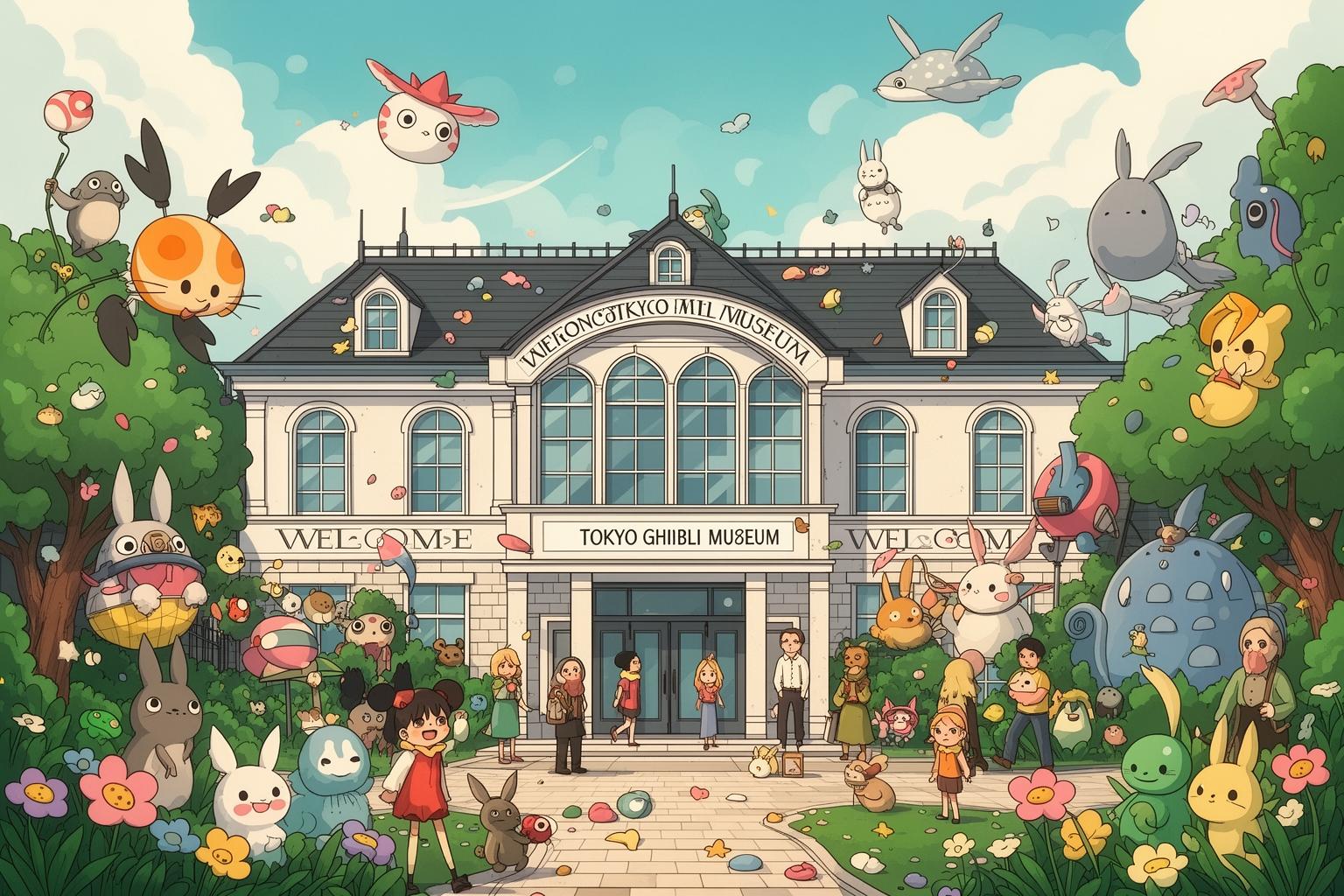
Your adventure begins even before you step inside. The museum’s exterior is a whimsical creation of stucco in warm pastel tones, wrapped in creeping ivy that seems to embrace the building gently. There are no sharp angles here; the architecture features soft curves, rounded windows, and playful turrets, as if it grew naturally from the earth. Standing guard by a faux ticket booth is the first friendly face you’ll encounter: a giant, fuzzy Totoro, peering out from his leafy reception desk. While he won’t sell you a ticket—a key detail we’ll revisit—he perfectly sets the tone. This is a place where beloved characters are not just on screen but woven into the very fabric of the building. As you pass through the main entrance, you’re handed your real ticket, which is a treasure in itself. Each ticket is made from an actual strip of 35mm film from one of the Studio Ghibli movies, serving as a unique and beautiful keepsake. The moment you hold it up to the light to see which three frames of cinematic history you’ve received is a small, personal moment of magic. This initial welcome offers a gentle immersion, preparing you for the wonders housed within the museum’s enchanting walls.
The Heart of Animation: Where Dreams Take Flight
The moment you step inside, the outside world fades away. You find yourself in the Central Hall, a stunning, multi-level cavern of creativity that seems as if it were lifted straight from a Miyazaki film. Sunlight pours in through a magnificent glass dome high above, lighting up a dizzying network of spiral staircases, small balconies, and aerial bridges crisscrossing the open space. The warm wooden floor and intricate wrought-iron details lend the hall a timeless, handcrafted atmosphere. It’s a place that instantly invites you to look up, look around, and chart your own course. Every element is infused with charm, especially the breathtaking stained-glass windows. Rather than traditional designs, they display vibrant, jewel-toned scenes of Ghibli characters in motion: Kiki on her broomstick, Totoro holding his umbrella, and the inhabitants of Laputa. As the light filters through, it casts shifting patterns of color on the walls, making the entire hall feel alive and dynamic. This grand yet intimate space serves as the heart of the museum, the central hub from which all magical pathways branch out.
“Where a Film is Born”: The Permanent Exhibition
Leading off from the Central Hall is the museum’s main permanent exhibition, a five-room experience titled “Where a Film is Born.” Here, the curtain is drawn back on the meticulous, passionate process of making animated films. But this is far from a sterile, academic display. It’s a celebration of creativity, crafted to feel like you’ve wandered into the animators’ own personal workshop. The first room, “A Boy’s Room,” is a treasure chest of inspiration. It’s a beautifully cluttered space, evoking the inventive mind of a young creator. Shelves are stacked with books on art, aviation, nature, and mythology. The desk is a chaotic spread of sketches, half-finished drawings, bright paint pots, and curious trinkets. It’s an immersive setting that powerfully illustrates how an idea sparks—not from a blank page, but from a world filled with influences, passions, and curiosities. The atmosphere feels deeply personal, as if Hayao Miyazaki just stepped out for a cup of tea. The following rooms delve into the technical craft, showcasing everything from storyboarding and layout to the art of background painting and cel animation, all presented in an engaging, interactive style that inspires a deep appreciation for the artistry behind every single frame.
Encounters with Beloved Characters and Hidden Wonders
While the museum focuses on the animation process, it’s the enchanting encounters with the world of Ghibli that leave the most enduring impressions. These aren’t costumed characters or theme park attractions, but thoughtfully integrated features that make you feel as though you’ve genuinely stepped into their universe. Every discovery feels intimate and special, a secret shared just with you.
The Catbus Room: A Dream for the Little Ones
For many visitors, the ultimate highlight is a room dedicated to pure, unfiltered joy. Here, a magnificent, life-sized Catbus from My Neighbor Totoro awaits, ready for an adventure. This isn’t a statue to admire from a distance; it’s a plush, climbable, utterly charming creation. Its twelve legs are set for travel, its destination sign reads “Mitaka,” and its wide, mischievous grin extends an open invitation. While entry into the Catbus itself is limited to elementary school-aged children and younger, the joy that fills this room is contagious for everyone. Watching the children climb inside, disappear into its fluffy interior, or stroke its soft tail is a heartwarming sight. It perfectly embodies the museum’s philosophy: creating spaces that inspire a tangible, physical connection to the magic of the films.
The Rooftop Guardian: A Robot Soldier’s Serene Vigil
For a moment of calm reflection, climb the narrow, wrought-iron spiral staircase tucked away in a corner of the Central Hall. It leads you up, up, and out onto the open air of the museum’s rooftop garden. There, amidst the greenery, stands the silent, benevolent guardian of the museum: a towering, five-meter-tall Robot Soldier from Castle in the Sky. Its metallic surface is weathered, with moss starting to creep over it, as though it has stood watch over Mitaka for centuries. It is not a menacing figure, but a poignant and peaceful one, its head slightly bowed as it gazes down on the park below. Standing beside it, you feel a sense of tranquility and a profound connection to the themes of nature, technology, and time so central to Miyazaki’s work. It’s also one of the rare spots where photography is warmly encouraged, making it a favorite place for visitors to capture a memory of their visit against the Tokyo sky.
The Saturn Theater: An Exclusive Cinematic Treat
Your film-strip ticket holds special significance: it’s your pass to the Saturn Theater. This cozy, eighty-seat cinema is a hidden gem within the museum. The ceiling is painted like a deep blue sky with a smiling sun, and when the lights dim, the windows on the walls close automatically with a charming mechanical whir. The theater screens original short animated films made exclusively for the Ghibli Museum, unavailable anywhere else in the world. The lineup of shorts rotates, so each visit may present a new cinematic delight. These films embody pure Ghibli—full of heart, humor, and stunning animation, often told without dialogue, making them universally accessible. Watching one of these exclusive creations surrounded by fellow fans creates a communal experience that feels both intimate and grand, a shared secret for those who have made the journey here.
Practical Magic: Planning Your Ghibli Pilgrimage
Visiting the Ghibli Museum involves more than just showing up; it requires some planning and a bit of luck. The experience is carefully managed to avoid crowds, meaning tickets are limited and highly coveted. However, with the right approach, you can turn your dream visit into reality.
The Quest for Tickets: An Adventure in Itself
Here’s the most important tip: you cannot purchase tickets at the Ghibli Museum itself. They must be bought in advance, and the process is notoriously competitive. For international visitors, tickets are available online through Lawson Ticket on a monthly basis. They usually go on sale at 10:00 AM Japan Standard Time on the 10th of the month prior to your intended visit. For instance, tickets for any day in May become available on April 10th. Demand is extremely high, and tickets can sell out within minutes for the whole month. To improve your chances, be prepared. Have the official ticketing website open and ready before the sale begins. Know the dates and entry times you want, and have your personal information and credit card details on hand for quick entry. While the process can be stressful, securing these tickets feels like a major victory, marking the first step of your magical adventure.
Journey to Mitaka: Access and Atmosphere
The trip to the museum is a pleasant part of the experience that builds anticipation. The easiest way is to take the JR Chuo Line from a major station like Shinjuku or Tokyo Station to Mitaka Station. From the South Exit, you have two charming options. You can ride the dedicated community bus, a brightly decorated vehicle featuring Ghibli characters, which takes visitors directly to the museum in about five minutes. Alternatively, for a more atmospheric approach, I highly recommend walking. It’s a lovely fifteen to twenty-minute stroll along the scenic “Tamagawa Josui” aqueduct, leading through part of the lush and expansive Inokashira Park. This peaceful walk allows you to unwind from the bustle of central Tokyo, gently transitioning you into the museum’s tranquil, natural environment. It’s the perfect introduction, enhancing the sense of discovery as you follow the delightful Ghibli-themed signposts along the way.
Savoring the Moment: Food, Souvenirs, and Final Tips
Beyond the exhibitions, the museum provides delightful ways to complete your visit, from savoring a charming meal to discovering the perfect keepsake of your day. These finishing touches are crafted with the same care and attention to detail as the rest of the museum.
The Straw Hat Café: A Taste of Ghibli
After several hours of exploration, the Straw Hat Café offers a welcome retreat. Located on the ground floor with a lovely outdoor terrace, the café serves a menu of simple, hearty, and wholesome dishes that evoke a Ghibli farmhouse kitchen. Expect offerings such as savory pork cutlet sandwiches, comforting soups, and vibrant salads, all prepared with fresh ingredients. The true highlights, however, are the desserts. From creamy strawberry shortcake to rich chocolate cake, each treat is as visually pleasing as it is delicious. The café is very popular, often with a line forming, so it’s smart to plan your mealtime strategically—perhaps opting for an earlier or later lunch to avoid the busiest times. It’s a cozy, rustic place to relax and recharge, surrounded by the gentle buzz of happy visitors.
Mamma Aiuto!: A Treasure Trove of Souvenirs
The museum’s gift shop, named “Mamma Aiuto!” after the sky pirates from Porco Rosso, is an absolute treasure trove for fans. This exclusive merchandise can’t be found anywhere else; the shop is stocked with items created especially for the museum. Here you’ll find beautifully crafted souvenirs that go far beyond typical tourist trinkets. Browse stunning art books filled with concept sketches and storyboards, pick up film-strip bookmarks made from real Ghibli movies, or explore elegant stationery, intricate models, and charming plush toys of lesser-known characters. It’s the ideal spot to find a unique gift or a personal memento to cherish the magic of your visit.
Insider’s Advice for a Perfect Day
A few final tips will help you make the most of your visit. First and foremost, photography and video recording are strictly forbidden inside the museum. This rule isn’t intended to be restrictive but to encourage you to be fully present. It ensures everyone’s experience is personal and unfiltered, viewed through their own eyes instead of a phone screen. It also helps preserve the element of discovery for future visitors. Plan to spend at least two to three hours at the museum, though you could easily stay longer. There is no time limit once inside, so don’t rush. Let your curiosity guide you and take your time to appreciate the incredible detail in every room. Lastly, check the schedule for the rotating special exhibition, which offers an in-depth look at a specific film, artist, or theme, making each visit potentially unique.
Beyond the Museum Walls: Exploring Kichijoji and Inokashira Park
Your Ghibli adventure doesn’t have to end when you leave the museum. The nearby area provides an ideal way to extend your day. The museum is situated at the edge of Inokashira Park, one of Tokyo’s most beautiful and treasured green spaces. The park is centered around a peaceful lake where you can rent swan-shaped paddle boats, a beloved Tokyo pastime. It’s a lovely spot for a walk, especially during the spring cherry blossom season or when the autumn foliage is at its peak. A short stroll from the park leads you to the heart of Kichijoji, a lively and trendy neighborhood known for its bohemian vibe. Kichijoji is a wonderful area to explore, featuring a maze of narrow streets lined with stylish boutiques, vintage clothing shops, cozy independent cafés, and an impressive selection of excellent restaurants and izakayas. It offers a delightful contrast to the museum’s fantasy, presenting a slice of authentic, contemporary Tokyo life that feels both vibrant and relaxed.
A Farewell to Magic: The Lasting Impression
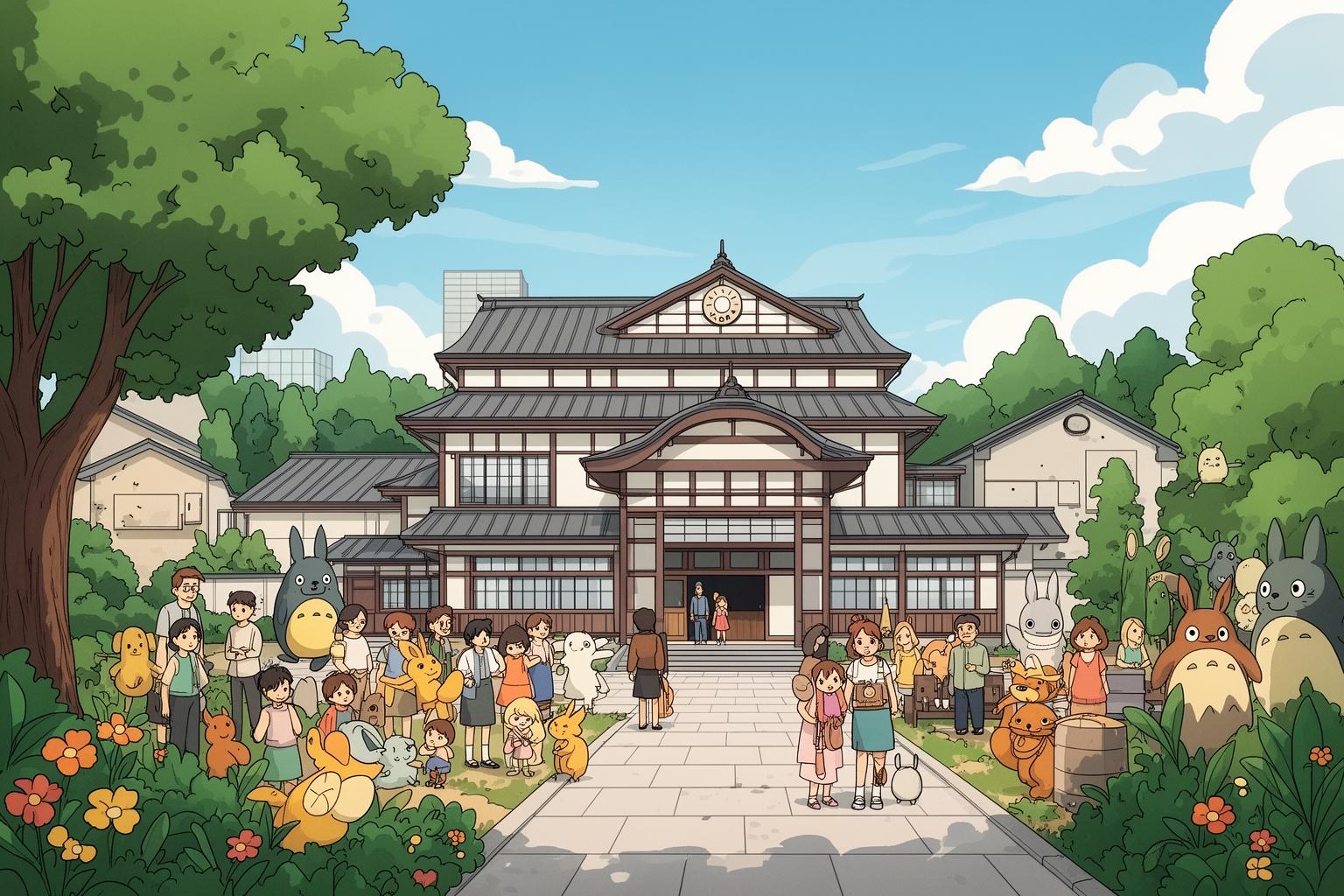
Leaving the Ghibli Museum feels like awakening from a beautiful dream. You return to the real world, but something within you has changed. The experience stays with you, not merely as a series of sights, but as a feeling—a renewed sense of wonder, a deeper appreciation for the art of storytelling, and a gentle reminder of the magic that exists in the world if you know where to look. It’s a place that doesn’t just display creativity; it nurtures it in everyone who passes through its doors. The Ghibli Museum is more than a destination; it is an affirmation of the power of imagination. As you walk away, perhaps along the sun-dappled paths of Inokashira Park, you carry a piece of that magic with you—a small, glowing ember to illuminate your journey ahead.








