There’s a certain kind of quiet that settles in when you’re deep inside a Haruki Murakami novel. It’s a space filled with the subtle hum of a refrigerator, the hiss of a record player needle finding its groove, the distant siren wailing through a lonely night. It’s a world of talking cats, wells that lead to other dimensions, and meticulously prepared spaghetti. But more than anything, it’s a world anchored in the very real, tangible streets of Tokyo. For those of us who have journeyed through his pages, the city isn’t just a backdrop; it’s a living, breathing character, a labyrinth of concrete and neon that holds the secrets to the stories themselves. To walk through Murakami’s Tokyo is to search for the seams between our world and his, to feel the specific melancholy of a certain street corner, or to find solace in a quiet park where his characters once walked. This journey is not about finding exact film sets, but about chasing a feeling—an atmosphere that is uniquely, hauntingly Murakami. It’s a pilgrimage for the soul, a chance to listen for the whispers of his narrative carried on the city wind. So, put on your most comfortable shoes, bring a book for the train, and let’s get wonderfully, purposefully lost in the Tokyo that Murakami built.
Beyond the neon labyrinth of Tokyo, a Kamakura pilgrimage beckons, offering a fresh chapter in the literary journey inspired by Murakami’s narratives.
The Echoes of Shinjuku: Where Stories Begin and End
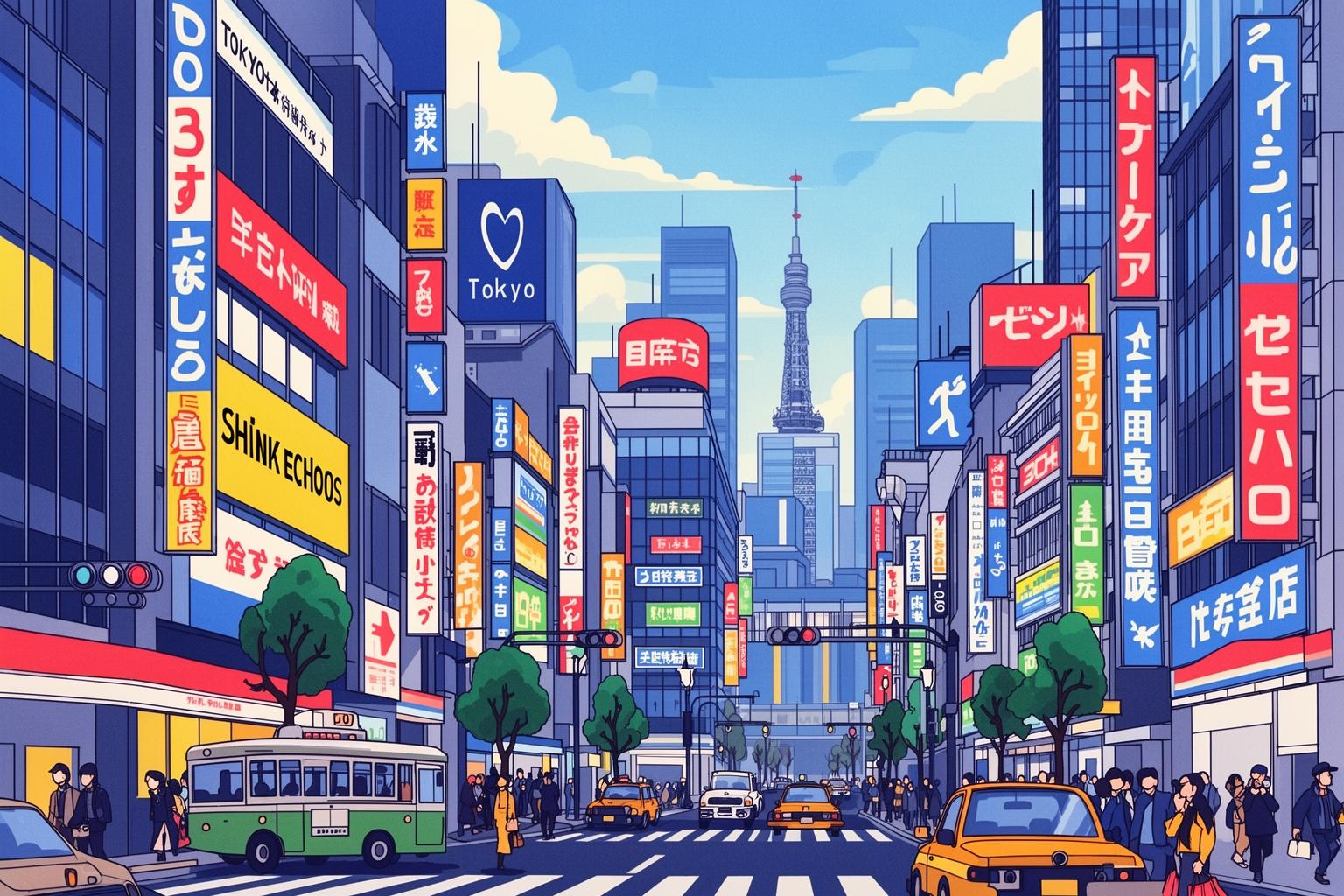
Shinjuku is the pulsating, chaotic core of modern Tokyo, and in many respects, it also serves as the heart of Murakami’s literary universe. It’s a land of stark contrasts, where the towering skyscrapers of the Metropolitan Government Building cast long shadows over the cozy, lantern-lit alleys of Golden Gai. It’s a place bursting with endless possibilities yet marked by profound loneliness—a perfect setting for the existential journeys of his protagonists. Here, stories emerge from chance meetings, and characters often confront crossroads, both literal and metaphorical. To truly grasp Murakami’s Tokyo, you must first embrace the beautiful, overwhelming paradox that is Shinjuku.
Kinokuniya Bookstore: A Cathedral of Print
The main branch of Kinokuniya Bookstore, proudly situated near the east exit of Shinjuku Station, is far more than a mere shop; it’s a sanctuary. Imagine Toru Watanabe from Norwegian Wood or Tengo from 1Q84 spending hours here, losing themselves amid the towering canyons of shelves. The air is rich with the scent of fresh paper and ink, a fragrance held sacred by any book lover. You can sense the quiet energy of thousands of minds engaged in a silent dialogue with authors from across the globe. Each floor is a universe unto itself—from the latest bestsellers on the ground floor to the deep-cut academic texts and foreign language books upstairs. This isn’t a place for a quick buy; it’s a place for exploration. Allow yourself to wander aimlessly, letting a cover or title catch your eye. Find a quiet corner and read a few pages. This act of quiet rebellion and personal discovery is something many of Murakami’s characters indulge in. It’s about uncovering a small, personal world within the vast, impersonal city, and Kinokuniya is one of the finest places to do just that.
Dug and the Vanishing Jazz Kissa
Tucked away in the basement of an unassuming building in Shinjuku, you’ll discover a place that feels like a time capsule. Jazz Café Dug is a legendary venue, a real-life setting that inspired a pivotal scene in Norwegian Wood. Descending its narrow stairs is like stepping back in time. The interior is dim, the air thick with history, and the music commands full attention. This is a jazz kissa, a quintessential Japanese jazz cafe, where the main purpose is not conversation but listening. Patrons sit in quiet reverence, sipping coffee or whiskey, while the master of the house curates a journey through an extensive collection of vinyl records. The sound system is flawless, designed to make you feel every note—from the mournful wail of a saxophone to the intricate rhythms of a drum solo. In a city as loud and fast as Tokyo, places like Dug offer a vital counterbalance: a sanctuary for deep, focused introspection powered by improvisation and soul. It’s a reminder of a Tokyo slowly fading away, and spending an hour here is one of the most genuinely Murakami experiences you can have.
Shinjuku Gyoen National Garden: An Oasis of Calm
Just a brief walk from the relentless bustle of Shinjuku Station lies a realm of impossible peace: Shinjuku Gyoen. This is not just a park; it’s a masterpiece of landscape design, combining a traditional Japanese garden, a formal French garden, and an expansive English landscape garden. While more famously featured in other media, its essence feels purely Murakami. His characters often seek refuge from the pressures of the world, and it’s easy to imagine them finding it here. Pay the modest entrance fee, and the city’s noise instantly fades, replaced by the rustling of leaves and the gentle chirping of birds. You can wander along winding paths, sit by serene ponds watching koi drift lazily, or rest on a bench beneath a towering camphor tree. The park is a world unto itself, transforming dramatically with the seasons. In spring, it becomes a sea of pink and white cherry blossoms; in autumn, the maples blaze with fiery reds and oranges. It’s a place to walk, to reflect, or simply to exist. Bring a thermos of coffee and a paperback, and let the afternoon slip by. It’s in these moments of quiet observation, surrounded by nature in the urban heart, that the line between the real and the surreal feels the thinnest.
The Western Suburbs: Nostalgia and Everyday Magic
If Shinjuku serves as the dramatic backdrop for life’s major turning points, then the western suburbs along the Chuo Line provide the setting for its everyday rhythms. These residential areas—Kichijoji, Kokubunji, Nishi-Ogikubo—are where Murakami’s characters live, love, and wrestle with the subtle mysteries of their lives. This world is far removed from the neon lights, characterized instead by small shopping streets, cozy cafes, and expansive parks. Here, you encounter the gentle nostalgia and longing that permeate much of his writing. To truly connect with his work, you must immerse yourself in the pulse of this quieter, more reflective Tokyo.
Kichijoji’s Inokashira Park: A Walk Through Memory
Inokashira Park is arguably one of the most important real-world locations in the Murakami universe, serving as the central backdrop for Toru and Naoko’s poignant walks in Norwegian Wood. From the moment you enter the park, you sense its gentle, melancholic vibe. The main feature is a large pond, where visitors can rent swan-shaped pedal boats—an almost amusingly cheerful activity contrasted against the novel’s somber themes. Walking the path around the lake feels like following in the footsteps of the characters. The dense canopy filters the light, creating a dreamy, almost ethereal atmosphere. It’s a place heavy with unspoken words and lingering memories. Beyond its literary significance, Kichijoji is a lively, creative neighborhood, frequently voted one of Tokyo’s most desirable places to live—and it’s easy to understand why. The area around the park is a charming maze of covered shopping arcades, independent boutiques, vintage shops, and tiny, atmospheric bars and eateries. It exudes a youthful, bohemian spirit that feels both modern and timeless, making it an ideal spot for a slow, exploratory afternoon.
The Chuo Line: The Arterial Vein of the Narrative
The Chuo Line is more than just a train line; it’s a lifeline in Murakami’s world. This bright orange train runs across Tokyo, linking the frenetic energy of Shinjuku and Tokyo Station with the quiet, intellectual suburbs to the west. For Murakami’s characters—often students or young adults finding their path—the Chuo Line is a constant presence. It serves as a transitional space, a non-place where they remain suspended between destinations, allowing for moments of deep introspection. Riding this train, especially westbound in the late afternoon, is quintessentially Murakami. Snag a window seat and watch the urban scenery shift from dense skyscrapers to smaller, tiled-roof houses. Along the way, you’ll pass through stations like Koenji, known for its punk rock scene and thrift stores, and Kokubunji, a more typical university town featured in his essays and short stories. The rhythmic clatter of the train on the tracks becomes a meditative soundtrack, providing a backdrop for your own wandering thoughts. This journey reminds us that, in Murakami’s Tokyo, the travel between destinations is as important as the places themselves.
Jinbocho Book Town: A Labyrinth of Pages
Though not technically part of the western suburbs, no literary pilgrimage is complete without visiting Jinbocho, the world’s largest district of used bookstores. A paradise for bibliophiles, this neighborhood feels like a physical embodiment of Murakami’s deep passion for literature, music, and history. Yasukuni-dori, the main street, is lined with shops whose shelves overflow onto the sidewalks, creating a corridor of books. Yet the true magic lies in the side streets, where hyper-specialized stores cater to everything from old movie posters and woodblock prints to philosophy texts and rare first editions. The air is tinged with the scent of aging paper and leather bindings. The atmosphere is one of quiet reverence. You could easily spend an entire day drifting from shop to shop, each a unique treasure trove. It’s easy to picture a character like the stoic Ushikawa from 1Q84 methodically searching these shelves for a clue, or a younger Murakami himself hunting for a rare jazz record or a translated American novel. Jinbocho stands as a testament to the enduring power of the printed word—a quiet but potent hub of knowledge and stories amidst an ever-modernizing city.
Aoyama and Harajuku: Style, Solitude, and Spaghetti
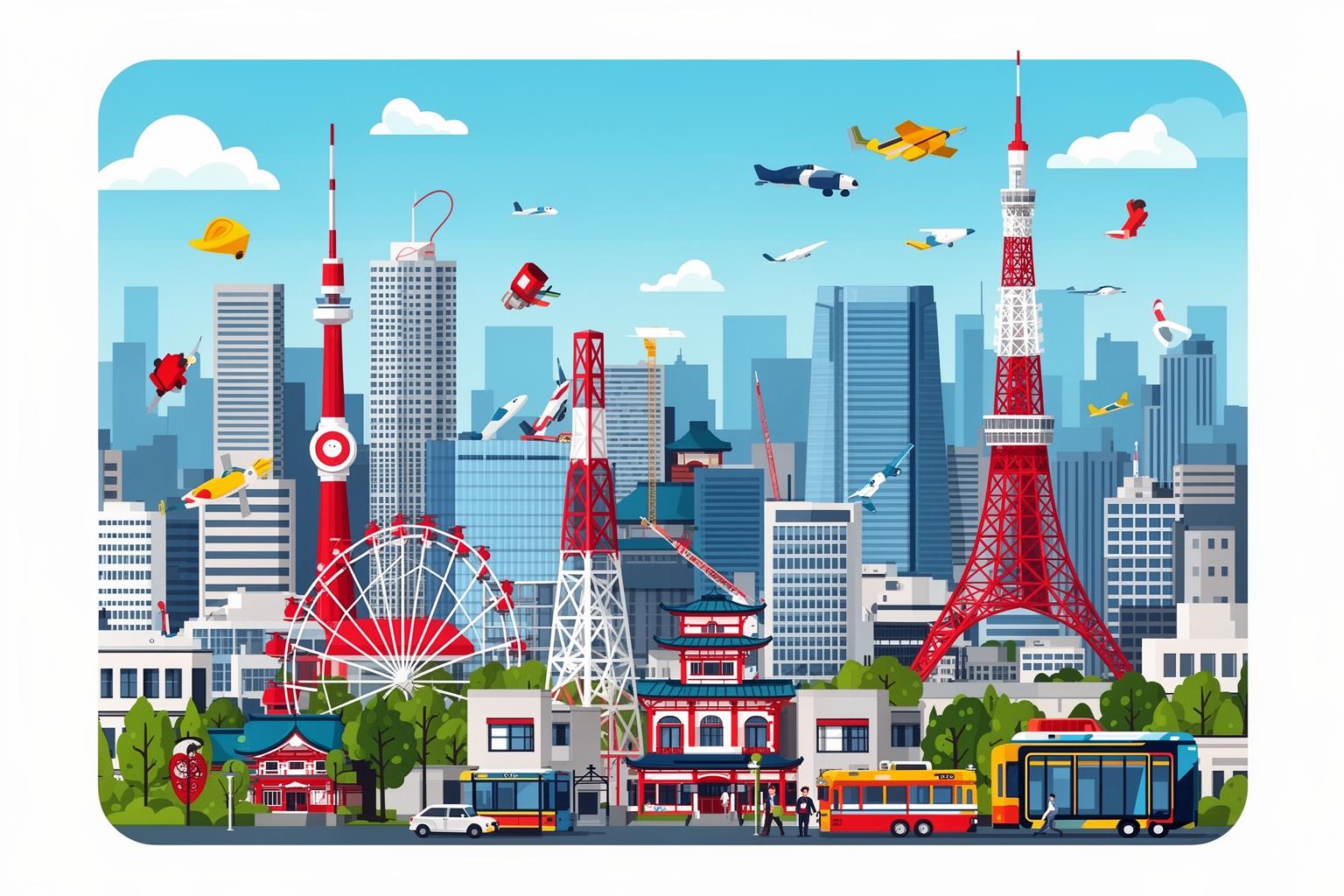
Moving back towards the city center, the neighborhoods of Aoyama, Harajuku, and Omotesando reveal another dimension of Murakami’s Tokyo. This is a realm of high fashion, sleek architecture, and carefully curated lifestyles. Yet, beneath the polished exterior, Murakami uncovers the same undercurrents of solitude and searching that define his characters. It’s a place where pristine art galleries stand alongside ancient cemeteries, and where the simple, grounding act of preparing a perfect plate of spaghetti becomes a subtle rebellion in a world fixated on appearances. This area highlights the tension between outward self-presentation and the internal, often hidden, reality.
The Aoyama Cemetery: A City of Silent Stories
Aoyama Cemetery is one of Tokyo’s oldest and largest burial grounds, offering a breathtakingly beautiful and tranquil environment. It is a vast green space situated within one of the city’s most expensive and fashionable districts. Walking along its broad avenues, lined with cherry trees that create a spectacular tunnel of blossoms in spring, feels surreal. The profound silence is interrupted only by the cawing of crows. The tombstones, ranging from simple modern designs to ancient, moss-covered markers, tell a quiet history of the city. For Murakami, who often explores themes of memory, loss, and the passage of time, a place like this is rich with symbolic significance. It serves as a space for reflection, a site to confront mortality not with fear, but with a calm acceptance. It embodies the enduring history that lies beneath the fleeting trends of the surrounding Aoyama neighborhood. A walk here is a powerful reminder of the layers of time that compose Tokyo, a theme resonant throughout Murakami’s explorations of parallel worlds and personal histories.
Harajuku’s Backstreets: Beyond the Crowd
When most people think of Harajuku, they imagine the vibrant chaos of Takeshita Street, filled with crepes, candy-colored fashion, and dense crowds. But this is not the Harajuku of Murakami’s imagination. His characters would wander the quieter, more refined backstreets, often called Ura-Harajuku. Here, narrow, winding alleys host independent designer boutiques, curated vintage shops, minimalist art galleries, and stylish hidden cafés. This is a place for intentional wandering and discovery—peeling away the obvious layer of the neighborhood to find something more personal and unique. The vibe is effortlessly cool, infused with creative energy. It’s an ideal spot to observe—to watch the city’s fashion-forward residents, to appreciate the clean lines of modern Japanese architecture, and to find a quiet café to sit and read. This act of observing the world from a slight distance is central to the viewpoint of many of his protagonists.
A Quest for Spaghetti: The Culinary Heartbeat
The significance of food, especially spaghetti, in Haruki Murakami’s universe cannot be overstated. His characters cook and eat with a focused, almost meditative intensity. The act of preparing a simple meal—slicing onions, boiling water, stirring tomato sauce—is a grounding ritual, a means of bringing order and comfort to a chaotic and often bewildering world. A pilgrimage through his Tokyo must therefore include a culinary dimension. While you cannot visit the exact kitchens of his characters, you can embrace their spirit. Skip the trendy, Instagrammable restaurants and instead seek out a small, unpretentious Italian eatery in neighborhoods like Aoyama, Hiroo, or Azabu. Look for a place that has been established for some time, run by a chef clearly passionate about their craft. Order a straightforward spaghetti aglio e olio or a classic bolognese. Sit and savor it. Notice the details—the texture of the pasta, the freshness of the ingredients. This simple act connects you deeply and tangibly to the everyday reality of his characters. It’s a delicious and deeply fulfilling way to honor the philosophy central to his novels: that meaning is often found not in grand gestures, but in the small, perfectly executed details of daily life.
Practical Pilgrimage: Navigating Murakami’s World
Embarking on a journey through Murakami’s Tokyo calls for a particular mindset. It’s less about following a strict itinerary and more about developing a certain way of seeing and being within the city. It involves embracing ambiguity, remaining open to chance, and discovering beauty in the ordinary. Here are some practical tips to help you navigate this distinctive landscape, both physically and spiritually, so you can enjoy the most immersive experience possible.
The Best Time to Wander
Tokyo is a city for every season, but some periods suit a Murakami-inspired pilgrimage especially well. Autumn, from late October to early December, is perhaps the perfect time. The air is crisp and clear, the heavy summer humidity has faded, and the city’s parks and gardens glow with the colors of changing leaves. It offers ideal weather for long walks, and the slightly melancholic beauty of the season harmonizes with the tone of his novels. Spring, especially late March and early April, is another enchanting period, thanks to the iconic cherry blossoms. Experiencing the sakura in places like Inokashira Park or Aoyama Cemetery is unforgettable, embodying the Japanese concept of mono no aware—a tender sorrow for the fleeting nature of beauty—a central emotional theme in Murakami’s work. If possible, avoid the peak heat and humidity of August, as prolonged walking can become quite exhausting.
Getting Around: Your Suica is a Story Pass
Tokyo’s public transportation system is a marvel of efficiency and an essential part of experiencing the city like a local. The best way to get around is by acquiring a rechargeable IC card such as a Suica or Pasmo. Tap it at the ticket gates and forget about calculating fares for every trip, freeing you to focus on the journey itself. Embrace the train rides. See them not just as transit but as part of the pilgrimage. Find a window seat on the Chuo Line and listen to a playlist featuring jazz artists Murakami admires, like Bill Evans or Duke Ellington. Watch the city’s neighborhoods blur together. Notice the diverse types of people boarding and exiting at each station. Tokyo’s train system is the city’s circulatory network, and by riding it, you are sensing its very heartbeat, just as his characters do daily.
A Note on Etiquette and Observation
To fully immerse yourself in the Murakami atmosphere, you must become a sharp observer, which requires a respectful quietness toward your surroundings. In places such as jazz cafes, old bookstores, and temples, silence or low conversation is expected. These are spaces for contemplation, and it’s important to honor that. In residential neighborhoods like those around Kichijoji or Kokubunji, remember these are people’s homes. Be considerate and unobtrusive. The aim is to blend in, not to stand out. Find a bench in a park or a seat in a coffee shop and simply watch the world go by. Notice the small details: an elderly woman tending to her bonsai, the distant sound of a school band rehearsing, the way late afternoon light falls on a building. This practice of deep, mindful observation is key to unlocking the subtle magic of the city—the very magic Murakami so brilliantly captures on the page.
The Unseen Tokyo
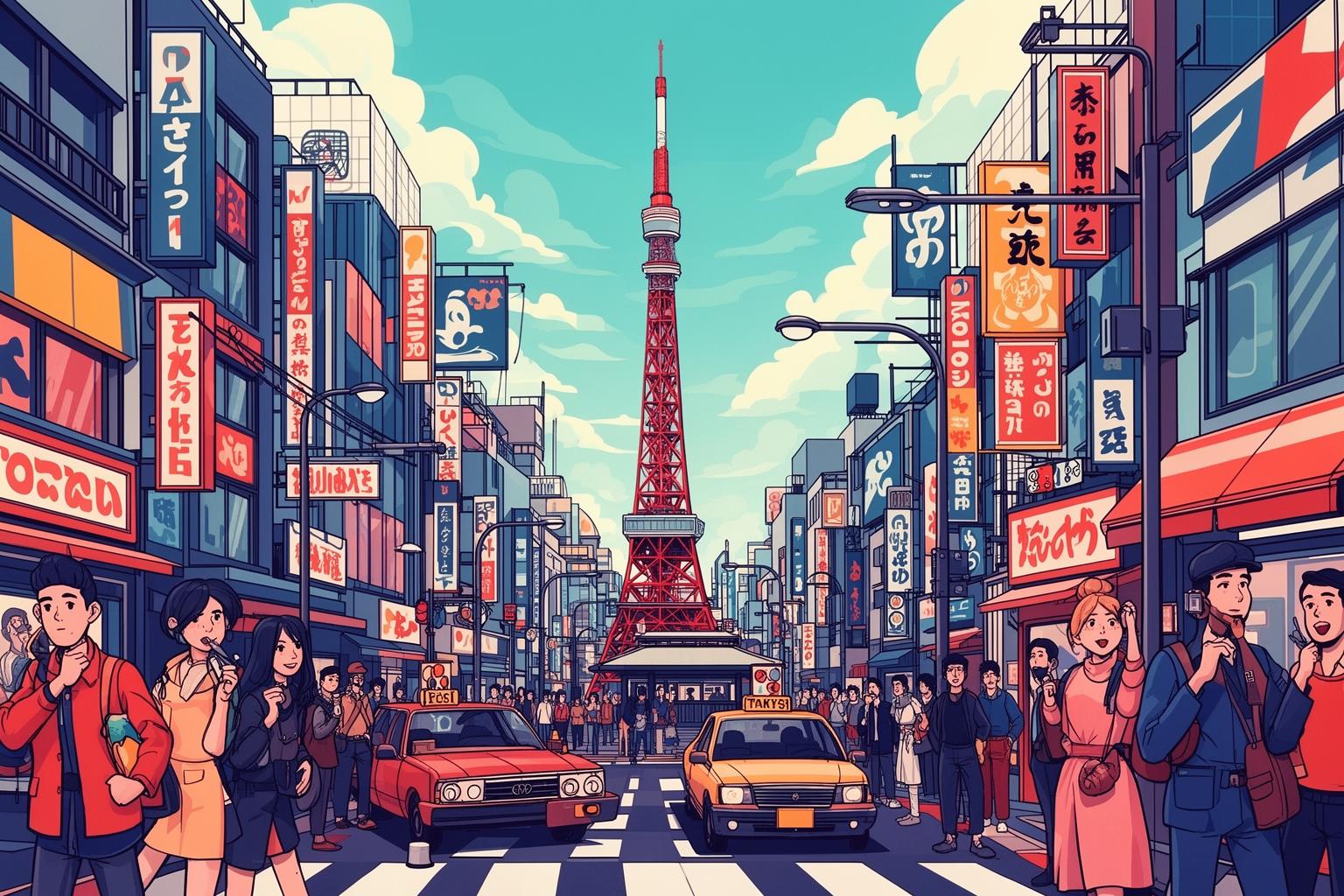
Ultimately, a journey through Haruki Murakami’s Tokyo is profoundly personal. It is not a hunt for photo opportunities but a search for an emotion. It involves exploring the spaces in between—the quiet alley behind a busy street, the empty park bench at dusk, the silent moment aboard a crowded train. It’s about seeking your own ‘well’ to another world, which may be discovered in the hushed ambiance of a basement jazz bar, the endless shelves of a bookstore, or the peaceful paths of a vast cemetery. The Tokyo you seek is not just on the map; it overlays the physical city, seen only by those willing to slow down, look more closely, and listen to the city’s quiet, surreal melody. So bring your favorite of his books along. Find a place that feels right, open to a random page, and read. In that instant, the world of the story and the world around you will intertwine, and you will have located the labyrinth’s heart. You will be wandering through a city that is both entirely real and wonderfully, magically, your own.