There’s a gentle rhythm to Tomonoura, a pulse that beats in time with the lapping waves of the Seto Inland Sea. Tucked away in the embrace of Hiroshima Prefecture, this isn’t just another sleepy fishing village. It’s a place where time seems to curve and soften, where the salty air carries whispers of ancient seafaring tales and, more recently, the whimsical magic of a certain red-haired fish girl. For those who have been enchanted by the cinematic wonder of Studio Ghibli, Tomonoura offers something truly special: the chance to walk through the very scenery that breathed life into Hayao Miyazaki’s masterpiece, Ponyo on the Cliff by the Sea. This historic port, with its crescent-shaped harbor and maze of Edo-period alleyways, served as the direct inspiration for the film’s vibrant, watery world. Coming here is less like visiting a film set and more like stepping into a half-remembered dream, a feeling that deepens with every corner you turn. It’s a journey into the heart of Japanese nostalgia and the creative soul of one of the world’s greatest animators.
Immerse yourself even further in Japan’s cinematic landscapes by discovering the allure of real-life Itomori where legendary narratives and coastal charm converge.
The Unmistakable Vibe of the Port
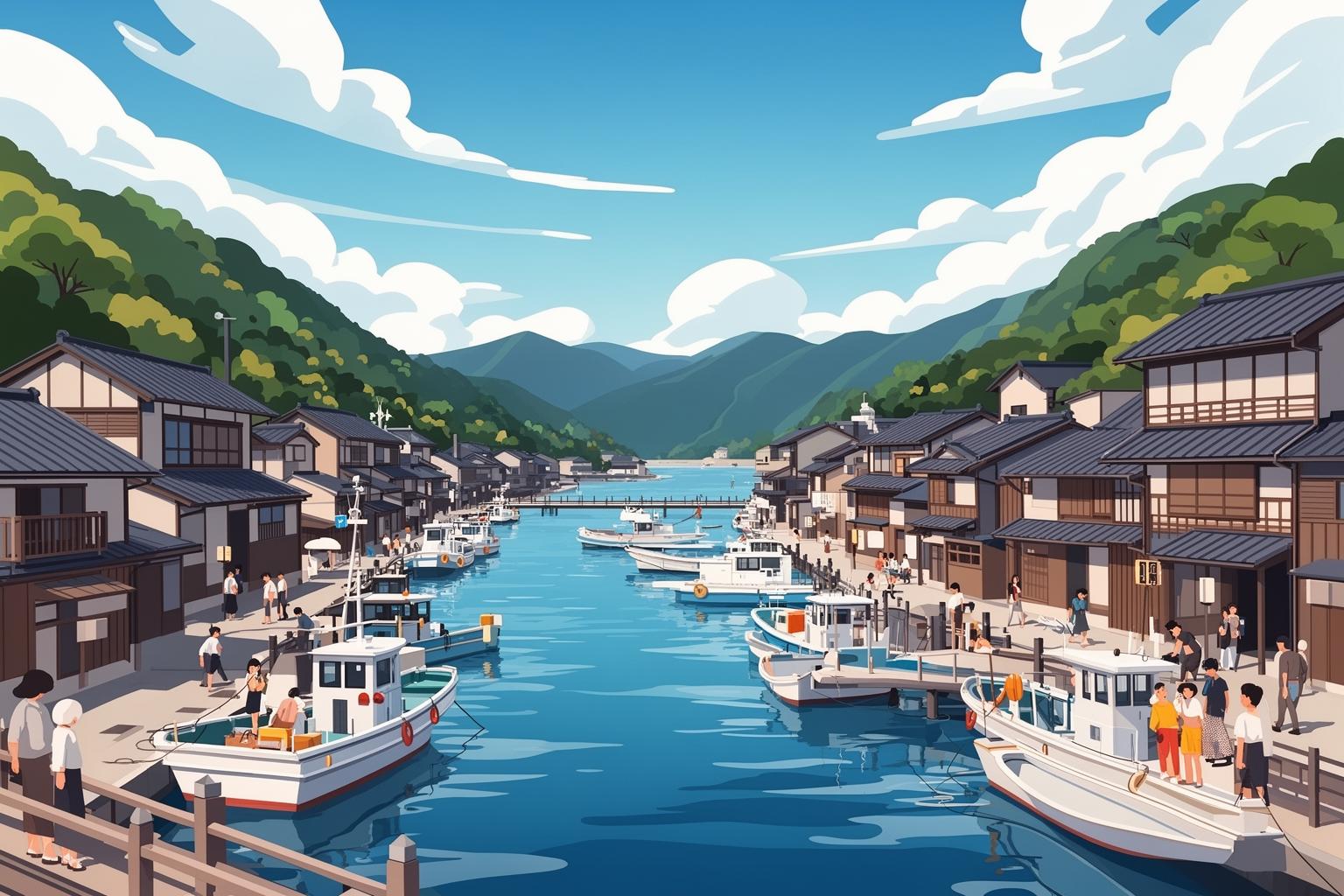
The moment you arrive, Tomonoura’s distinctive atmosphere surrounds you. It’s a sensory experience that anchors you firmly in the present while drawing you back through centuries. The air is a rich blend of scents—the sharp brine of the ocean, the delicate fragrance of drying seaweed, and the faintly sweet aroma of aged wood from the traditional merchant houses lining the streets. The town’s soundscape is a gentle melody made up of the rhythmic chugging of small fishing boats, the distant cries of gulls, and the soft murmur of conversations drifting from open doorways. This isn’t a town that shouts; it whispers. At its heart lies the iconic harbor, a marvel of Edo-period engineering. The stone-paved, crescent-shaped breakwater, known as the gangi, slopes gently into the sea, designed to accommodate the dramatic tides of the Seto Inland Sea. At its center stands the Joyato lighthouse, a stone beacon that has guided sailors home since the 1850s. Though it no longer shines a light, it remains the town’s stoic, unwavering soul. To stand here, watching the sun glitter on the water, is to feel the town’s history as a vital, living presence. The harbor itself was a bustling hub for centuries, a place where ships would wait for favorable tides—a practice known as shiomachi. This history of waiting, of pausing, has infused the town’s character, imparting a profoundly peaceful and unhurried rhythm.
Chasing Ponyo’s Footsteps
For any Studio Ghibli enthusiast, the pilgrimage begins the moment you catch sight of the bay’s contours. The similarity to the world of Ponyo is immediate and stunning. Hayao Miyazaki famously spent two months living in Tomonoura, absorbing its essence, sketching its details, and allowing its spirit to infuse his story. The result is a film that is not merely set in a place like Tomonoura but serves as a genuine love letter to it. The town’s maze-like network of narrow alleys, lined with dark, wooden-slatted buildings, closely mirrors the streets Sosuke runs through. You can almost hear the patter of his feet on the stone as you wander, half-expecting Ponyo herself to come rushing by in her bucket. A key experience is climbing the stone steps to one of the temples perched on the hillside overlooking the port, such as Fukuzenji Temple. From this vantage point, gazing down at the cluster of houses with their distinctive tiled roofs gathered around the sparkling, boat-filled bay, the scene unmistakably inspires the cliffside home of Sosuke and his mother, Lisa. The film’s vibrant underwater world, teeming with ancient-looking fish, was inspired by the rich marine biodiversity of the Seto Inland Sea, while its portrayal of the community—the friendly fishermen, the caring elders—perfectly captures the warm, close-knit spirit of Tomonoura’s residents.
The Joyato Lighthouse: An Anchor of History and Imagination
Though the entire town feels like a Ghibli setting, the Joyato lighthouse stands out as its most cinematic landmark. This elegant, eleven-meter-tall stone structure is the largest of its kind from the Edo period and symbolizes Tomonoura’s maritime heritage. In Ponyo, the imagery of guiding lights and safe harbors recurs as a motif, and the Joyato embodies that theme physically. It’s the harbor’s anchor point—the first sight sailors see upon return and the last as they depart. It is easy to envision Miyazaki sketching this very structure, captivated by its simple, enduring beauty and the sense of security it conveys. It’s not just an old lighthouse; it’s a storyteller, recounting an era when the sea was a highway and this port served as a vital crossroads of culture and commerce. Walking around its base, you can almost sense the collective sighs of relief from countless sailors finding their way home by its light. Today, it acts as a gathering spot, an ideal photo opportunity, and a peaceful place to sit and observe the endless dance of the tides.
Beyond Ghibli: A Deeper Dive into a Storied Past
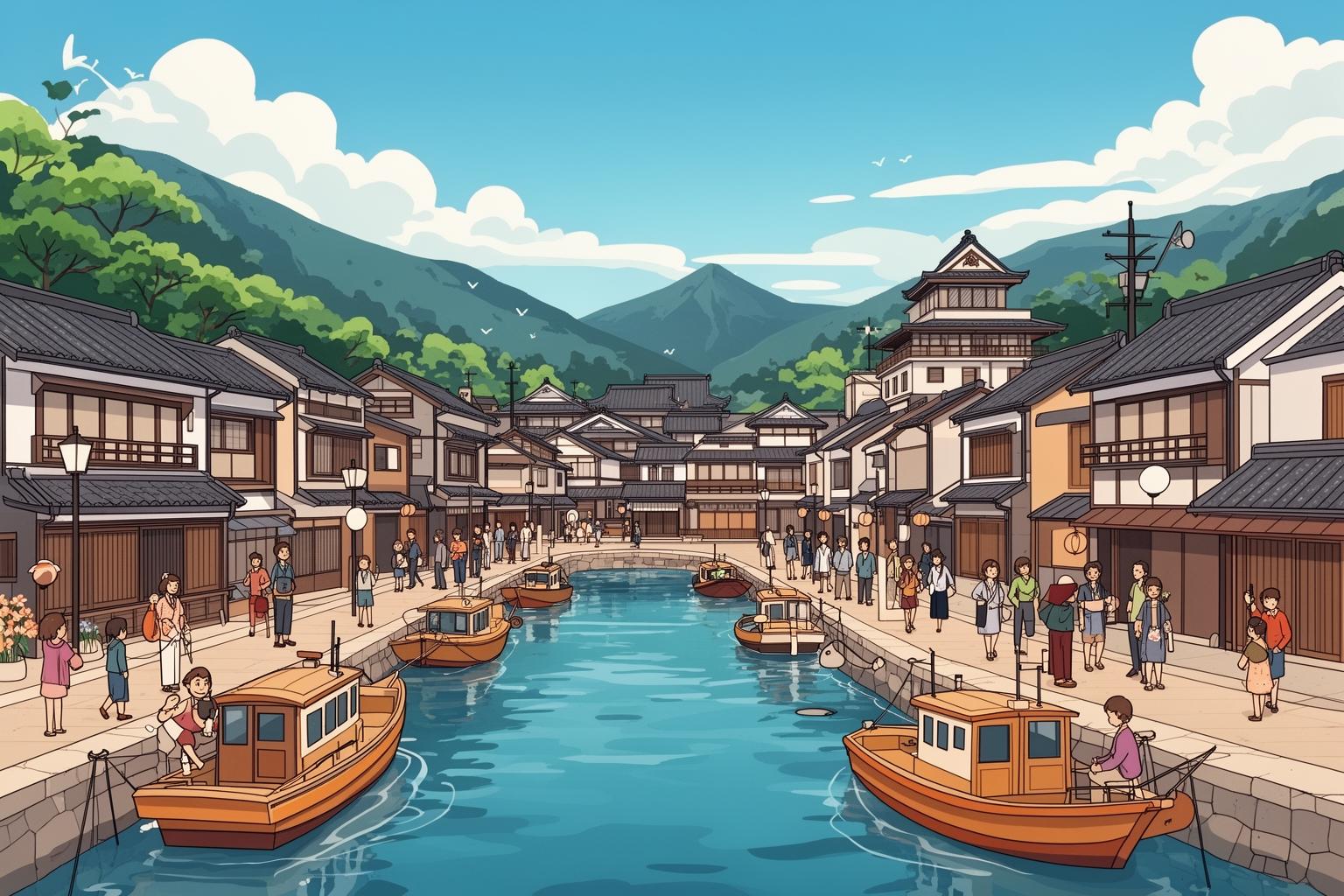
While the connection to Ponyo is undeniably strong, Tomonoura’s allure goes much deeper, rooted in a history that spans over a thousand years. This town is a treasure trove of cultural riches waiting to be uncovered. To fully grasp its significance, you need to look beyond the cinematic appeal and delve into the stories engraved in its very foundations. This is a place that has welcomed Korean envoys, harbored rogue samurai, and inspired countless artists and poets. Its meticulously preserved townscape is a nationally designated historic site, a living museum where each building seems to tell a secret.
Fukuzenji Temple and the Taichoro Pavilion
A short but steep climb from the harbor brings you to Fukuzenji Temple, a tranquil Buddhist sanctuary offering more than spiritual refuge. It houses the Taichoro, a magnificent reception hall built in 1690 to host dignitaries from Korea. Entering its main parlor is like stepping back in time. The room’s wide, open frame perfectly frames the panoramic view of the harbor and the islands of Bentenjima and Sensuijima. This very scene was so stunning that a Korean scholar in 1711 declared it the “most beautiful scenic spot in all of Japan.” Sitting on the tatami mats, enjoying a complimentary cup of tea while admiring this living masterpiece is a moment of pure, meditative calm. It strongly reminds us that Tomonoura’s beauty has enchanted people long before it was ever immortalized on screen.
The Echoes of a Samurai Showdown
Tomonoura also played a minor role in a crucial episode of Japanese history. The Irohamaru Museum, housed in an atmospheric old warehouse, tells the story of a dramatic event involving the legendary samurai Sakamoto Ryoma. In 1867, a steamship owned by Ryoma’s trading company, the Iroha Maru, collided with a vessel from the powerful Kishu clan and sank off Tomonoura’s coast. The tense negotiations that followed took place right here in town. The museum exhibits artifacts recovered from the wreck and recounts this confrontation, a significant incident leading up to the Meiji Restoration. It adds an intriguing layer of samurai intrigue to this otherwise peaceful town, offering insight into the turbulent politics of 19th-century Japan.
A Taste of Tradition: Homeishu
No visit to Tomonoura’s culture would be complete without mentioning Homeishu, a distinctive medicinal liqueur made here for over 350 years. This herbal tonic, brewed from a secret mix of 16 herbs steeped in sweet mirin rice wine, was believed to enhance longevity and vitality. Several old distilleries remain in operation, their historic storefronts welcoming visitors with the sweet, fragrant aroma of the brew. You can often sample various types and purchase a bottle as a truly unique memento. It’s a taste of the town’s history—a liquid legacy handed down through generations of brewers who honed their craft in this very port.
A Practical Guide for Your Pilgrimage
Getting lost in the enchantment of Tomonoura is easy, and reaching the town is just as simple. The easiest way to get there is from Fukuyama Station, a major stop on the Sanyo Shinkansen (bullet train) line. From the station, a scenic and enjoyable 30-minute bus ride takes you right to the edge of the historic port area. Buses run frequently, making it a very convenient day trip from Hiroshima or Okayama, although an overnight stay is highly recommended to fully experience the town’s peaceful evenings and early morning calm.
When to Visit and How to Explore
Tomonoura is delightful throughout the year, but it truly shines in spring and autumn when the weather is mild and ideal for walking. The crisp, clear air of fall brings vibrant colors to the surrounding hills, while spring’s cherry blossoms add a soft pink touch to the historic scenery. The best way to explore the town is on foot. The historic center is compact and pedestrian-friendly, where cars feel out of place. Set aside the map for a while and let yourself wander through the winding alleys. Every corner unveils something new: a hidden shrine, a cozy café in an old house, or a sudden breathtaking view of the sea. This is a place that invites slow, aimless exploration. Allow yourself to simply be—sit by the harbor and watch the world pass by at Tomonoura’s gentle tempo.
Local Flavors and First-Time Tips
As a port town, Tomonoura is known for its excellent seafood. A local specialty is sea bream, or tai, which is prepared in many ways—from delicate sashimi to a hearty dish called tai-meshi (sea bream cooked with rice). Don’t miss dining at one of the local restaurants overlooking the harbor. For first-time visitors, a small tip is to wear comfortable shoes. Expect a lot of walking on uneven stone paths and steep steps. Also, while the Ghibli connection is a lovely bonus, try to engage with the town on its own terms. Talk with the shopkeepers, taste the local snacks, and appreciate the living history that exists beyond the film. The true magic of Tomonoura is found in the genuine, timeless charm of a community deeply tied to the sea.
A Timeless Harbor’s Embrace
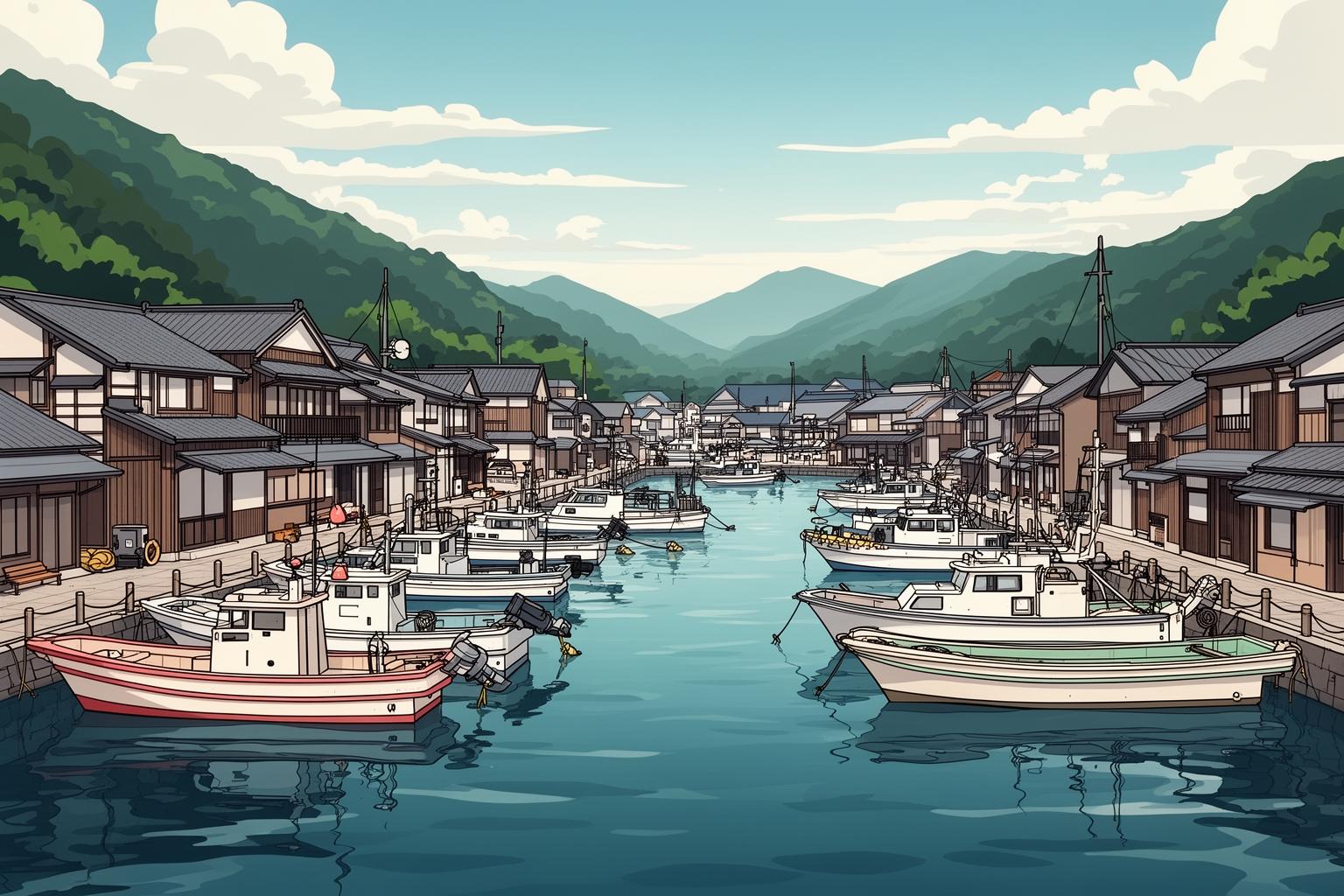
Leaving Tomonoura feels like awakening from a pleasant dream. The charm of the place lingers long after you’ve boarded the bus back to the modern world. It’s a town that seamlessly serves as both an ideal film pilgrimage site and so much more. It stands as a testament to the power of place, showing how a real, living community, rich with its own history and character, can inspire an artist’s imagination and create a world that resonates with millions. Whether you arrive seeking the ghost of Ponyo or the echoes of samurai, you will depart with something more personal: a deep appreciation for a place that has mastered the art of gracefully standing still in a constantly moving world. Tomonoura doesn’t just present a beautiful view; it offers a feeling—a gentle, timeless embrace that invites you to slow down, look closer, and discover the magic hidden in the rhythm of the tides.