
There’s a certain feeling that settles in when you’re deep inside a Haruki Murakami novel. It’s a quiet hum beneath the surface of the ordinary, a sense that the world you know—the one with its predictable train schedules, its meticulously prepared meals, its lonely protagonists—is just a thin veil. Behind it lies a parallel reality, a place of talking cats, mysterious women who vanish with the dawn, and wells that serve as portals to the subconscious. For years, readers have been captivated by this unique blend of the mundane and the magical, a world that feels both distinctly Japanese and universally resonant. But what many don’t realize is that the stage for these surreal dramas is often meticulously real. Murakami’s Tokyo isn’t a fantasy; it’s a living, breathing city, and its streets, parks, and hidden alleyways are the very places where his characters search for lost loves, confront their inner demons, and cook spaghetti with an almost sacred reverence. This journey isn’t about finding fictional landmarks. It’s about stepping into the atmosphere that permeates his work. It’s a pilgrimage into a state of mind, a chance to walk the same pavement, hear the same city sounds, and perhaps, for a fleeting moment, feel that thin veil between worlds begin to tremble. We’re about to embark on a tour through the Tokyo that Murakami built, a city of jazz, solitude, and endless possibility, where every street corner could be the start of a new, strange story.
Amid the vibrant mystery of Murakami’s urban tapestry, a visit to Kinosaki onsen offers a serene detour into Japan’s rich literary landscape.
The Heartbeat of Shinjuku: Jazz, Whiskey, and Urban Solitude
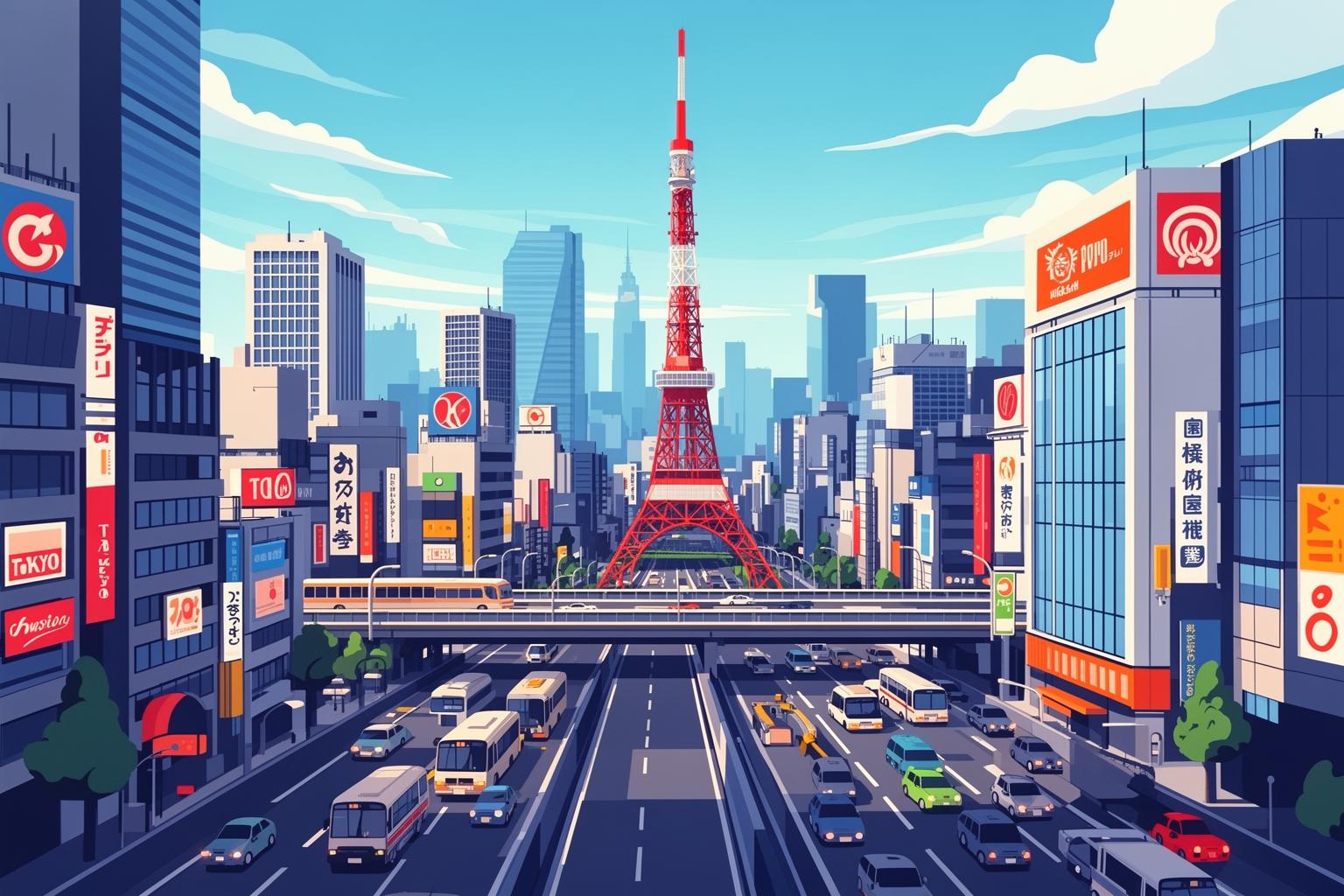
Shinjuku stands as the undeniable heart of Murakami’s early literary universe. It is a vast, chaotic, and deeply soulful district that perfectly reflects the inner landscapes of his characters. By day, it functions as a center of commerce and governance, with sleek skyscrapers and the world’s busiest train station channeling millions through its veins. However, as night falls, Shinjuku undergoes a transformation. Neon signs ignite, casting a vibrant, electric glow over the maze-like streets of Golden Gai and Omoide Yokocho. Within this nocturnal world, you can sense the heartbeat of novels like Norwegian Wood and After Dark. This is a place marked by profound loneliness and unexpected connections, where people can feel utterly lost in the crowd one moment and find a fleeting, intimate bond in a small, smoke-filled bar the next. The atmosphere is thick with stories, both told and untold. Walking through Shinjuku is like moving through a living narrative, with each turn revealing a new scene, a fresh mood. It is the city’s raw energy, the contrast between overwhelming scale and intimate moments, that makes Shinjuku the quintessential Murakami setting. One can almost hear lonely saxophone solos drifting from a basement club or picture a protagonist gazing out from a high-rise window, watching the river of headlights below, contemplating life’s strange currents.
DUG Jazz Kissa: A Nostalgic Resonance
Tucked away in the concrete canyons east of Shinjuku Station lies a place that seems like a preserved memory. DUG, the legendary jazz kissa (coffee shop/bar), is much more than a mere location; it’s a sanctuary. Famously visited by Toru Watanabe in Norwegian Wood, the real DUG has been a refuge for jazz enthusiasts since 1967. Though it has relocated from its original spot, its spirit remains untouched. Descending the narrow stairs feels like stepping back in time. The room is dimly lit, the air cool and still. Walls lined with an extensive vinyl collection offer a gallery of jazz history. The space is intimate and almost reverent. Patrons speak quietly, fully absorbed by the music flowing from high-fidelity speakers. This isn’t a place for loud talk; it’s a space for listening and introspection. Ordering a whiskey on the rocks and sinking into one of the worn leather chairs feels like a sacred ritual. You can easily picture Watanabe sitting in a corner, lost in thought, the complex harmonies of Miles Davis or John Coltrane reflecting his emotional turmoil. Visiting DUG is not just a stop on a literary tour; it’s an immersion into the culture of deep listening that Murakami often explores, where music is not mere background noise but a powerful, transformative force shaping a character’s fate.
Strolling Through Shinjuku Gyoen
Just a short walk from the unrelenting energy of Shinjuku Station lies an oasis of tranquility that offers a vital counterbalance to the urban frenzy: Shinjuku Gyoen National Garden. This expansive park, featuring English, French, and traditional Japanese gardens, appears in Murakami’s work as a place of quiet reflection and meaningful conversation. It is where characters retreat to escape, sort through their thoughts, and find a moment of calm in a world that often feels overwhelming. The atmosphere inside the park is deeply transformative. Once you pass through the gates, the city’s roar fades away, replaced by the rustling leaves, birdsong, and the gentle lapping of pond water. In spring, the park becomes a sea of pink and white as hundreds of cherry trees burst into bloom—a fleeting spectacle of beauty that perfectly echoes the bittersweet themes of Norwegian Wood. In autumn, the maple trees blaze into fiery reds and oranges, offering a melancholic splendor that invites introspection. Wandering winding paths, crossing ornate bridges, and settling onto a secluded bench to simply observe is an experience profoundly in tune with Murakami’s sensibility. It is in these still moments, surrounded by carefully curated nature, that the inner worlds of his characters—and perhaps your own—can come into sharp focus.
Jinbocho’s Labyrinth of Words
If Shinjuku is the heart of Murakami’s world, Jinbocho serves as its mind. Known as Tokyo’s book town, this district is a haven for any bibliophile. Street after street is filled with bookstores, their shelves brimming with everything from rare Edo-period manuscripts to contemporary paperbacks, art books, and obscure academic journals. The air here carries the unmistakable scent of old paper and ink. For a writer whose characters are frequently voracious readers, intellectuals, and seekers of knowledge, Jinbocho is a natural and recurring spiritual home. Strolling through this neighborhood feels like wandering in a vast, open-air library. The atmosphere is quiet and studious, sharply contrasting with the commercial bustle of other Tokyo areas. Visitors browse with focused intensity, carefully pulling volumes from towering piles, their movements slow and deliberate. This act of searching, sifting through mountains of information in hopes of finding a single crucial clue, powerfully symbolizes the quests that drive many of Murakami’s stories. His protagonists are always searching—whether for a lost person, a forgotten memory, or a key to understanding their own strange reality—and Jinbocho embodies that search physically.
The Search for Lost Stories
Exploring Jinbocho requires no map, just curiosity. The pleasure lies in aimless wandering. You might discover a shop devoted entirely to pre-war film magazines, another specializing in antique maps, or a third boasting a surprisingly extensive collection of English-language literature. The sheer amount of printed material is staggering, a testament to Japan’s deep passion for the written word. It’s easy to picture a character like the protagonist from The Wind-Up Bird Chronicle spending an entire afternoon here, methodically combing through the shelves in search of a book on Manchuria’s history, hoping it will illuminate the strange events unfolding in his life. For first-time visitors, the best approach is to follow your intuition. Take a narrow alley, enter a store that piques your interest, and let yourself get lost among the stacks. It’s a meditative experience, a treasure hunt where the prize is not just a book, but the sensation of connecting to a vast, collective history of ideas and stories.
Coffee and Contemplation in a Kissaten
Complementing the bookstores are Jinbocho’s famed kissaten. These old-fashioned coffee shops act as the district’s living rooms, places where the intellectual energy of the streets can be absorbed and reflected on over a carefully brewed cup of siphon coffee. Establishments like Saboru and Milonga are institutions, their interiors dark and wooden, the air thick with the aroma of roasted beans and, in some, the faint hint of tobacco from a bygone era. They seem like settings from a Murakami novel, places where time slows. Here, characters gather to exchange cryptic information or simply sit alone for hours, reading a newly purchased book and letting the outside world fade away. Finding a seat in one of these kissaten, ordering coffee, and watching life go by is an essential part of the Jinbocho pilgrimage. It offers a chance to tune into the rhythm of the neighborhood and engage in the art of doing nothing—an act in Murakami’s universe where the most important thoughts and realizations often emerge. In these quiet, contemplative spaces, the line between reader and character begins to blur.
The Student Days: Waseda and the Path to Becoming

To the northwest of Shinjuku lies Waseda, the neighborhood that hosts the prestigious university where Haruki Murakami himself studied drama. This area is imbued with the youthful energy, intellectual passion, and angsty romanticism that define Norwegian Wood. The campus and its surrounding streets serve as the backdrop for the novel’s crucial college years, marked by political unrest, personal growth, and deep loss. The atmosphere here contrasts with the commercial sheen of central Tokyo. It’s more relaxed, slightly worn around the edges, and filled with affordable, lively eateries, small bars, and countless bookstores catering to the student population. As you stroll through Waseda University, with its blend of historic and modern buildings, you can almost sense the spirits of Toru, Naoko, and Midori. You might envision them debating literature, listening to records, and wrestling with the complexities of love and life. The neighborhood feels like a formative place, where identities are shaped and destinies begin. While it lacks the surreal quality of some of Murakami’s other settings, it holds a profound, grounding reality that deepens the emotional impact of his stories.
Toden Arakawa Line: A Ride into the Past
One of the most charming ways to explore the Waseda area is by riding the Toden Arakawa Line. As Tokyo’s last surviving streetcar line, it feels like a delightful throwback. The single-car trams chug along at a leisurely pace, ringing their bells as they pass through quiet residential neighborhoods, sometimes running parallel to streets and occasionally right through people’s backyards. This slow, rhythmic ride offers a glimpse of a more nostalgic, everyday Tokyo, far from the futuristic efficiency of the JR and subway lines. It’s precisely the sort of transportation a Murakami character would prefer—unhurried, slightly melancholic, and offering a unique perspective on the city. The ride itself is an experience, presenting small moments of daily life: laundry hanging from balconies, children playing in tiny parks, elderly residents tending to their potted plants. It’s a journey through the quiet, ordinary scenes that underpin Murakami’s extraordinary tales.
The University Grounds and Surrounding Streets
A simple walk around Waseda University and the nearby Takadanobaba area can be deeply evocative. You can visit the Tsubouchi Memorial Theatre Museum, an impressive Elizabethan-style building where Murakami would have studied. You can browse ramen shops and curry houses along Waseda-dori, imagining the countless meals shared by students during passionate conversations. The neighborhood buzzes with potential and the sense of lives just beginning. It’s a place to reflect on themes of memory and the passage of time. The students you see today are living out their own stories, forging their own intense memories, just as the characters in Norwegian Wood did decades ago. The physical space endures, a silent witness to the endless cycle of youth, hope, and heartbreak.
Aoyama and Omotesando: Style, Spaghetti, and Parallel Worlds
If the student haunts of Waseda symbolize Murakami’s past, then the sleek, sophisticated neighborhoods of Aoyama and Omotesando embody the cool, detached aesthetic of his later works, especially 1Q84. This world is one of high fashion, contemporary art galleries, and minimalist architecture. The atmosphere is polished and cosmopolitan, defined by glass, steel, and designer concrete. The streets are filled with stylish crowds, cafes serve impeccably crafted lattes, and luxury boutiques line the avenues. It is within this hyper-modern setting that Murakami introduces one of his most iconic and surreal ideas: a parallel world. This clean, orderly, almost sterile environment provides the perfect backdrop for the strange and unsettling events that unfold. The contrast between the pristine exterior and the dark, mysterious undercurrents is a signature feature of his later style. This is a Tokyo where reality feels fragile, where a simple descent down a set of emergency stairs on an elevated expressway can transport you to a world with two moons in the sky.
The Aoyama Itchome Overpass: A Gateway to Another Reality
For fans of 1Q84, few locations hold more significance than the emergency stairway on the Shibuya Route of the Shuto Expressway, near Aoyama Itchome. This is the portal through which the protagonist, Aomame, steps from the world of 1984 into the parallel reality of 1Q84. While accessing the actual expressway stairs is neither possible nor advisable, one can stand on the pedestrian overpasses nearby and watch the endless flow of traffic below. The experience is uncanny. The constant, hypnotic movement of cars, paired with the impersonal concrete and steel infrastructure, creates a sense of dislocation. From there, it’s easy to see how this ordinary piece of urban engineering could serve as a gateway to the extraordinary. It represents a liminal space, a place of transition where the world’s rules can suddenly shift. It serves as a powerful reminder that in Murakami’s Tokyo, the most profound changes can occur in the most unexpected places.
Seeking the Perfect Plate of Pasta
One of the most charming and consistent motifs in Murakami’s novels is the simple, restorative act of cooking and eating, with spaghetti being a particularly favored dish. His characters often prepare it with concentrated, meditative calm, whether celebrating a small victory or seeking comfort from a world grown too strange to bear. The Aoyama and Omotesando area, rich in excellent Italian restaurants, is an ideal place to honor this culinary ritual. Finding a quiet little trattoria tucked away on a side street and ordering a simple plate of aglio e olio or tomato sauce pasta becomes more than just a meal—it is an act of participation in the Murakami universe. It celebrates the small, grounding pleasures of life, the simple things that keep us sane when everything else seems to unravel. It’s a moment to slow down, savor the food, and appreciate the comforting power of a well-prepared, uncomplicated dish.
Venturing West: Koenji and the Everyday Surreal
For a glimpse of a different side of Tokyo, one that echoes the bohemian, counter-cultural atmosphere found in novels like Hard-Boiled Wonderland and the End of the World, a visit to Koenji is a must. Situated west of Shinjuku on the JR Chuo Line, Koenji stands as Tokyo’s hub for vintage fashion, punk rock, and independent spirit. The neighborhood exudes a gritty, lived-in vibe that sharply contrasts with the sleekness of Aoyama. Its narrow streets are packed with second-hand shops, tiny record stores, and dive bars that awaken only after nightfall. The ambiance is creative, rebellious, and slightly disorderly. This is the kind of place where you might picture one of Murakami’s quirkier characters residing—a freelance information processor or a musician mysteriously connected to another dimension. Koenji feels like a place where the surreal is always just around the corner, hidden in plain sight within the delightful chaos of daily life. It embraces imperfection and individuality, making it a rich ground for the strange and wonderful.
Labyrinthine Shotengai and Hidden Bars
The best way to experience Koenji is to immerse yourself in its shotengai, the covered shopping arcades radiating from the station. These arcades form a vibrant mosaic of sights and sounds, a lively blend of traditional vegetable stalls, quirky boutiques, and bustling eateries. As you venture deeper, the main arcades give way to a maze of narrower side streets and alleys known as yokocho. Here lies the true heart of Koenji’s nightlife: tiny, specialized bars, some seating only a handful of patrons, each with its own distinct theme and loyal following. Getting lost in this labyrinth is part of the thrill. It’s a real-world reflection of the winding journeys Murakami’s characters often undertake. Every doorway holds the promise of a new experience, a new encounter. Finding a cozy spot, chatting with the bartender, and soaking up the local vibe is a perfect way to conclude a day of exploration—a final dive into the authentic, offbeat community that thrives within the pages of his novels.
Practical Pilgrim’s Notes: Navigating Murakami’s Tokyo
Embarking on a journey through Murakami’s Tokyo is less about adhering to a fixed itinerary and more about embracing a particular mindset. It involves savoring the walk, welcoming unexpected detours, and noticing the small, seemingly insignificant details of the city. Still, a few practical tips can help make the experience smoother and more fulfilling.
Getting Around the City
Tokyo’s public transportation system is a marvel of efficiency and will be your greatest ally. The easiest way to get around is with a rechargeable IC card such as a Suica or Pasmo. You can load it with funds and simply tap it at ticket gates for trains and subways, and even use it to pay at convenience stores and vending machines. This removes the need to purchase individual tickets constantly and allows for seamless travel. While the train network can take you close to nearly any destination, the real magic happens on foot. The walks between stations and landmarks are where you’ll truly discover the city’s character. Plan to walk extensively. Wear comfortable shoes and give yourself permission to stray from the main streets. This is how you’ll uncover hidden shrines, quiet residential alleys, and quaint little shops that give Tokyo its richness.
The Art of Observation and Key Motifs
A Murakami pilgrimage is a practice in observation. The key is to slow down. Find a bench in a park or a seat in a cafe and simply watch. Notice how people move, the sounds of the city, the shifting light of the afternoon. Keep an eye out for recurring motifs from his novels. Cats appear everywhere—lounging in sunbeams in Yanaka, darting through alleys in Shinjuku, or serving as mascots for local shops. Listen for classical music, often played in coffee shops and department stores, creating a constant soundtrack to the city. If you’re an early riser, you might spot dedicated runners along the Imperial Palace moat or in Yoyogi Park, a nod to Murakami’s own famous passion. These small details are threads linking the real Tokyo with its fictional counterpart.
When to Visit for the Full Experience
Tokyo is captivating year-round, but certain seasons are especially suited to a Murakami-themed adventure. Spring (late March to April) feels magical, as cherry blossoms transform parks like Shinjuku Gyoen and Ueno Park into breathtaking, ephemeral scenes, echoing themes of transience and memory in his work. Autumn (October to November) is another ideal time to visit. The air turns crisp and clear, summer humidity fades, and the city’s parks burst with vibrant fall colors, creating a perfectly melancholic and reflective atmosphere. Winter offers its own quiet charm, with fewer crowds and a stark, beautiful light. Sipping hot coffee in a cozy kissaten while the cold wind blows outside is a simple, profound pleasure that seems lifted straight from one of his books. Ultimately, the best time to visit is whenever you feel drawn to explore the city’s hidden depths.
This journey through Haruki Murakami’s Tokyo is a quest that rewards patience and curiosity. It reminds us that literature is not only something you read but something you can inhabit. Walking these streets, you are not just tracing the footsteps of fictional characters; you are engaging with the very source of their creation. You feel the pulse of the city that has inspired some of the most imaginative and soul-stirring stories of our time. The experience will transform the way you read his books, adding new depth and reality to familiar names like Shinjuku, Jinbocho, and Aoyama. More importantly, it may change how you see the world around you, encouraging you to seek out the strange and wonderful hidden just beneath the surface of everyday life, waiting to be discovered.