The hum of the engine, the whisper of tires on asphalt, the world sliding past the window of a cherry-red Saab 900 Turbo. Ryusuke Hamaguchi’s cinematic masterpiece, “Drive My Car,” is more than a film; it’s a moving meditation, a journey through grief, art, and the intricate landscapes of the human heart. While the story unfolds through quiet conversations and the intense rehearsals of a Chekhov play, the true stage is Japan itself. The locations are not mere backdrops; they are active participants, silent characters that shape the narrative and offer spaces for reflection and healing. This is a journey that follows the tire tracks of protagonist Yusuke Kafuku, from the intimate confines of Tokyo to the vast, cleansing snowfields of Hokkaido, but its soul resides in one place: Hiroshima. To trace this path is to do more than visit a film set. It is to embark on a pilgrimage into the very essence of the movie, to understand how a city that has known profound loss can become a vessel for personal rebirth, and how the steady, rhythmic act of driving can map the road to acceptance. This guide is your key to that ignition, a map to the places where fiction and reality merge, where the quiet power of the Seto Inland Sea and the resilient spirit of a modern city invite you to listen, to feel, and to find your own story on the open road.
Just as this guide invites you to trace the soul of Hiroshima through cinema, you can also explore the haunting landscapes of another film classic in A Pilgrim’s Journey Through The Deer Hunter’s Haunting Landscape.
The Soul of the Film: Hiroshima’s Resonant Landscape
When director Ryusuke Hamaguchi selected Hiroshima as the main setting for “Drive My Car,” he made a thoughtful and significant choice. Originally, the film—adapted from Haruki Murakami’s short story—was set in Tokyo. However, relocating it to Hiroshima enriches the narrative, adding a depth of meaning that a more conventional setting could not offer. This is not the Hiroshima depicted in historical documentaries, fixed in a single tragic moment of its past. Rather, the film portrays a vibrant city, alive, breathing, and looking ahead, while quietly bearing its history with dignity. It’s a place that has undergone the profound act of processing trauma and rebuilt itself not by forgetting, but by remembering and progressing. This profound civic journey perfectly mirrors Yusuke Kafuku’s personal struggle with loss and his gradual, painful path to healing.
The atmosphere of Hiroshima, as portrayed in the film, is one of tranquil modernity rooted in deep historical layers. The city is characterized by its waterways—six rivers flowing through its center, imparting a feeling of openness and gentle, constant motion. The iconic streetcars, known as the “Hiroden,” glide through the streets with a rhythmic clang, providing a steady, comforting pulse to city life. These sights and sounds envelop Kafuku and his driver, Misaki Watari, during their daily commutes. For much of the film, explicit references to the atomic bombing are avoided, allowing the city’s inherent spirit of resilience to speak on its own. The audience senses it in the broad boulevards, lush green parks, and the serene, glimmering surface of the Seto Inland Sea. Hiroshima understands silence and the weight of untold stories, making it the ideal setting for Kafuku and Misaki to tentatively begin sharing their own.
The Red Saab’s Journey: Mapping the Commute
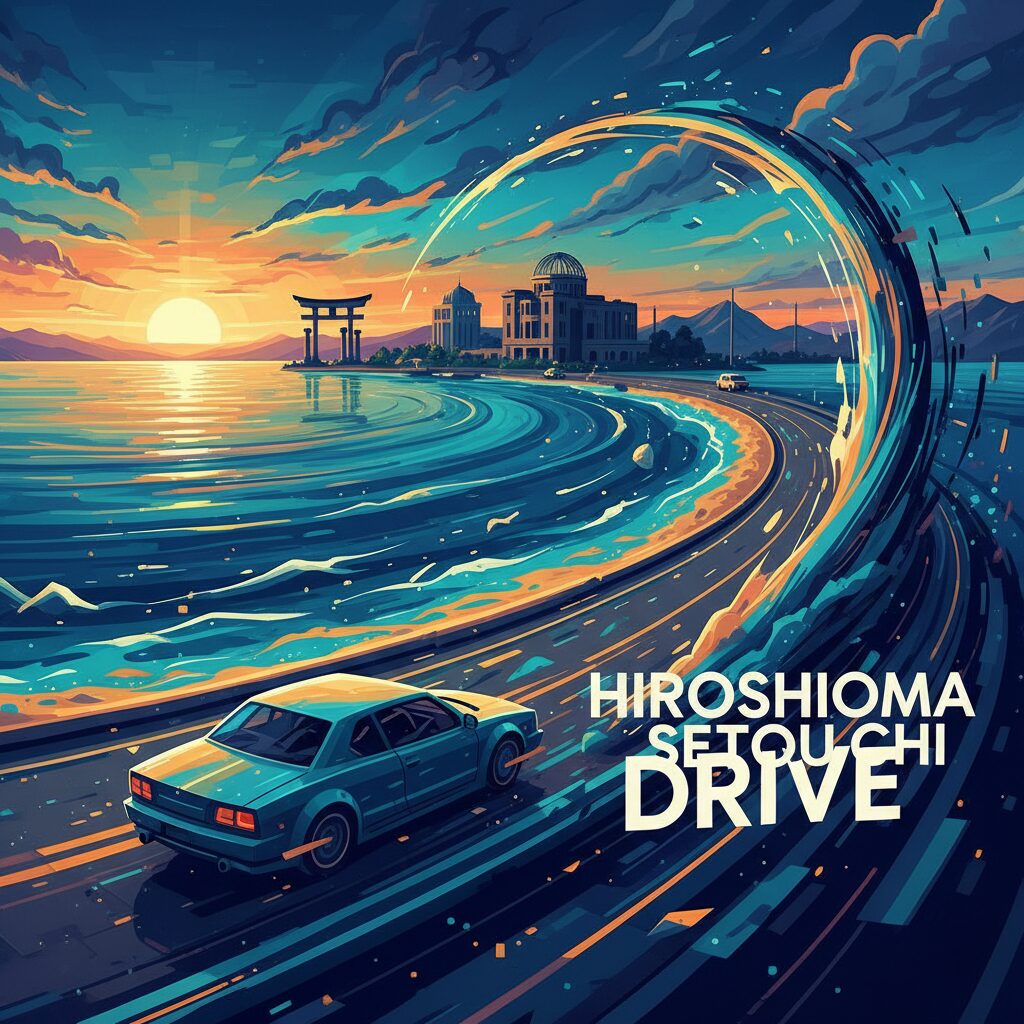
At the core of “Drive My Car” are the long, mesmerizing drives in Kafuku’s cherished red Saab. These moments are far more than mere transitions; they serve as the film’s refuge, a moving confessional where the steady rhythm of the road allows emotions and thoughts to surface. The daily route from Kafuku’s hotel to the theater rehearsal space becomes a character in itself—a breathtaking stretch of coastal engineering that showcases the beauty of the Setouchi region.
The Akinada Bridge and Setouchi’s Seascape
The most striking part of this journey is crossing the Akinada Bridge (Akinada-ohashi). This impressive suspension bridge spans the strait, linking the mainland with the islands of the Tobishima Kaido. Each time the red Saab crosses it, the camera pulls back to show the car as a small, solitary vessel against an expansive backdrop of blue waters and green, mound-shaped islands. The imagery is compelling, evoking isolation but also connection—the bridge acting as a lifeline, a thread binding disparate places and people. These drives feel like daily pilgrimages, ritual cleansings. The vast sky and shimmering sea wash over the car, offering a perspective impossible to find within the confines of a hotel or rehearsal hall.
Experiencing this firsthand deepens one’s understanding of the film. Renting a car is undoubtedly the best way to do so. Driving the Akinada Tobishima Kaido is among Japan’s premier coastal routes. Feeling the gentle sea breeze and watching sunlight dance on the water mirrors what the characters experience. For optimum effect, plan your drive for the “golden hour” late in the afternoon when the sun lowers, bathing the landscape in warm, ethereal light. It feels as if the world holds its breath, creating a perfect moment for reflection. If driving isn’t feasible, glimpses of this beauty are still accessible from local buses serving the islands or from ferries crossing the Seto Inland Sea. Viewing the bridges from the water offers an equally stunning, though different, perspective on the region’s geography.
Places of Reflection and Connection
Beyond the moving car, Hiroshima offers several key locations that act as emotional pivot points in the characters’ journeys. These real sites, open to visitors, allow one to stand where Kafuku and Misaki stood and absorb the unique atmosphere Hamaguchi expertly captured.
Hiroshima Peace Memorial Park
The film approaches Hiroshima Peace Memorial Park with profound sensitivity. It is where Misaki brings Kafuku—not for a historical lesson, but for a moment of shared, wordless understanding. The park is central to the city’s identity—a vast green space dedicated to remembrance and peace. Its ambiance is one of deep serenity and solemnity. Walking through it, you are surrounded by symbols of both tragedy and hope. The skeletal A-Bomb Dome stands as a stark, unforgettable reminder of history, while the eternal flame in the Cenotaph for the A-bomb Victims burns as a promise to the future.
Visitors are encouraged to move slowly through the park. The film depicts the characters experiencing it not as tourists, but as people connecting with its spirit. Sitting on a bench beside the river, watching passersby, you can feel the gravity of history in the air. The atmosphere is not oppressively sad but deeply moving—an embodiment of human resilience. The park testifies to the idea that from the most devastating losses, life, beauty, and peace can emerge. It stands as the perfect physical symbol of the film’s core theme: the necessity of confronting the past to move forward.
Hiroshima City Naka Incineration Plant
One of the film’s most visually striking and unexpected locations is the Hiroshima City Naka Incineration Plant. It is here that Misaki ultimately reveals her traumatic past, her confession unfolding amid clean lines, massive machinery, and pristine glass. This choice of location is inspired genius. Designed by celebrated architect Yoshio Taniguchi (also designer of the new MoMA in New York), the building is an architectural masterpiece that transforms a utilitarian facility into a space of minimalist beauty.
The symbolism runs deep. An incinerator is where waste is processed—where unwanted elements are broken down and converted into energy. Within this sterile, controlled setting, Misaki is able to confront and process her own emotional “waste”—her pain and guilt—and begin transformation. The centerpiece of the visitor experience is the “Ecorium,” a central glass-walled corridor allowing one to walk through the plant’s core, observing colossal cranes and furnaces from a safe, quiet distance. The experience turns surprisingly meditative. The rhythmic movement of machinery carries a hypnotic quality, and the sheer scale is awe-inspiring. The plant forces reflection on cycles—consumption and disposal, destruction and creation, pain and healing. The facility is free and open to the public during operating hours, just a short taxi or bus ride from downtown. It offers one of Hiroshima’s most unique and thought-provoking visitor experiences.
Grand Prince Hotel Hiroshima
Located on the edge of the Ujina peninsula, the Grand Prince Hotel Hiroshima serves as Kafuku’s residence during his two-month stay. The hotel itself becomes a character—its sleek, modern, and somewhat isolated presence reflecting Kafuku’s emotional state. From his room, he gazes out upon panoramic views of the Seto Inland Sea, a beautiful but distant vista he initially observes without connection. The hotel’s towering triangular architecture gives it a futuristic, self-contained quality, separated from the city proper. This physical distance parallels Kafuku’s attempts to isolate himself from grief and avoid new bonds.
Staying at the hotel offers an immersive experience, waking to the same stunning sunrises over the water that Kafuku witnessed. Dining in the top-floor restaurant reveals glittering port lights and dark island silhouettes. Even non-guests can visit the lobby and communal areas to soak in the ambiance. One memorable way to arrive is by sea—a high-speed ferry connects the hotel’s private pier directly to Peace Memorial Park and Miyajima Island, providing a scenic, unforgettable approach. Stepping from the boat onto the pier, with the imposing hotel looming, one senses the quiet drama that unfolded within.
Beyond the City: The Islands and the Inland Sea
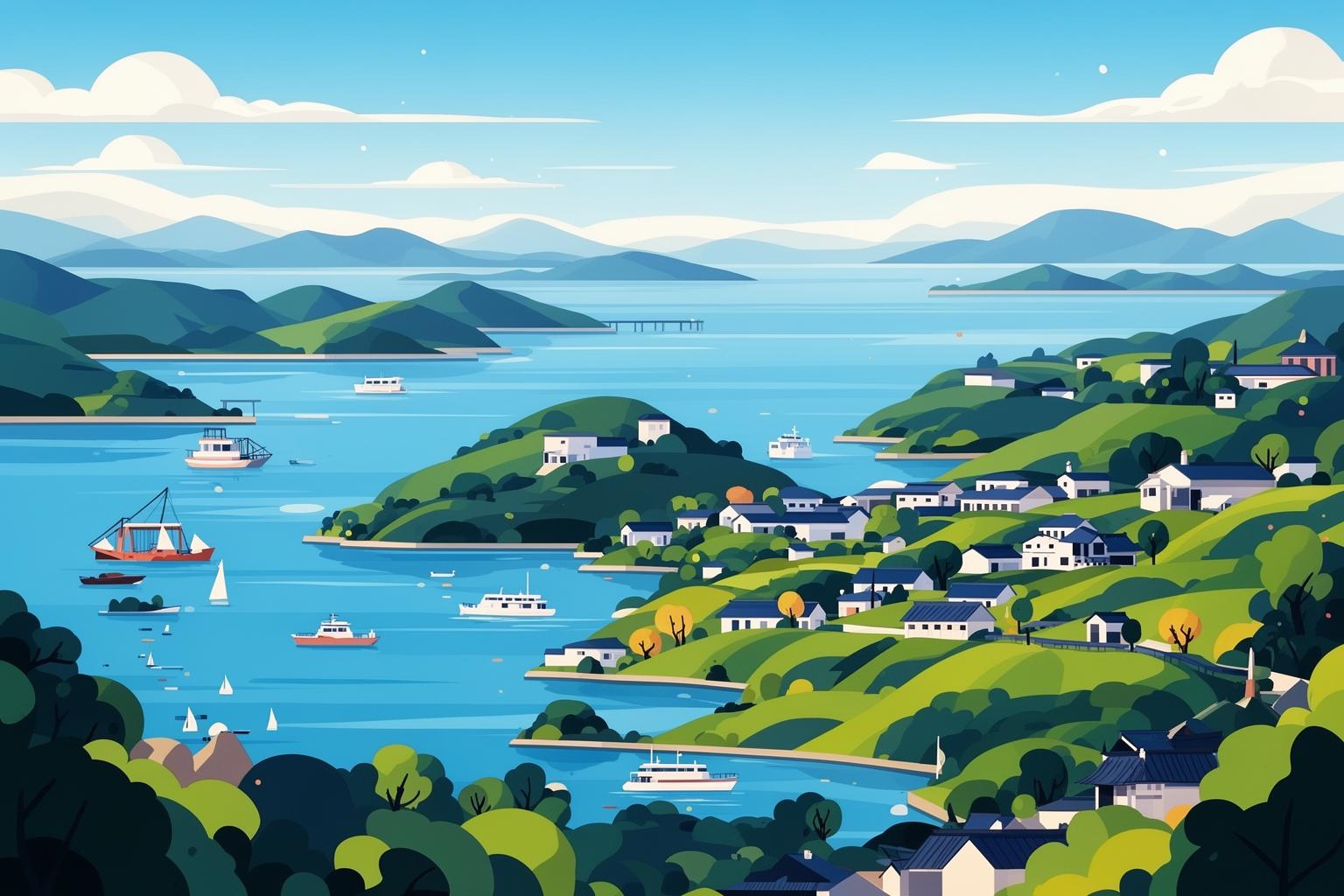
To truly appreciate the world of “Drive My Car,” one must go beyond Hiroshima’s urban core and explore the coastal and island landscapes that define the region’s distinctive character. The film’s story grows alongside Kafuku’s experience, shifting from the confined spaces of his car and hotel to the open, historic communities of the Setouchi islands.
Mitarai, Osaki Shimojima Island
One of the film’s most captivating locations is the historic port town of Mitarai on Osaki Shimojima Island. Here, the cast of Kafuku’s production of “Uncle Vanya” retreats, and a key rehearsal unfolds in a beautiful traditional building. Visiting Mitarai feels like stepping back into another time. Once a bustling and prosperous port where ships awaited favorable tides during the Edo Period, the town has been meticulously preserved. Time appears to stand still. The narrow streets are lined with traditional wooden houses featuring latticed windows, old teahouses, and historic docks.
The atmosphere exudes sublime tranquility. The air carries the scent of the sea and the citrus groves scattered across the island’s hillsides. There are no crowds or tourist traps, just the gentle rhythm of island life. Reaching Mitarai is an adventure in itself, involving a drive along the Akinada Tobishima Kaido—a series of seven bridges linking islands. The drive is a key part of the experience, offering breathtaking views at every turn. Once in Mitarai, the best approach is to simply wander. Explore the alleyways, visit the small museum in the old watchtower, and stroll along the harbor. You can visit the historic Edoya building, where the rehearsal scene was filmed, and sense the creative energy lingering within its wooden beams. Mitarai offers a chance to disconnect from the modern world and reconnect with a deeper, more enduring aspect of Japan’s history and culture.
Kure City
The film also leads us to Kure, an industrial port city located a short drive southeast of Hiroshima. This is Misaki’s hometown, with a landscape shaped by shipyards, cranes, and massive steel hulls of submarines and tankers. Kure presents a stark contrast to Hiroshima’s modern elegance and Mitarai’s historic charm. Its atmosphere is gritty, powerful, and deeply tied to Japan’s maritime and industrial heritage. It was here that the famous battleship Yamato was built, and the city remains a major base for the Japan Maritime Self-Defense Force.
Visiting Kure provides essential insight into Misaki’s character—her quiet practicality, resilience, and driving skill were honed in this tough, no-nonsense setting. The key attractions include the Yamato Museum, which chronicles the story of the iconic battleship and Kure’s naval past, and the JMSDF Kure Museum, known as the “Iron Whale Museum” due to the massive retired submarine that serves as its centerpiece. Walking through the industrial port, hearing the clang of steel, and witnessing the immense scale of the shipbuilding operations fosters a deeper appreciation for the influences that shaped Misaki and, through her, the quiet strength she brings to Kafuku.
The Prelude and Epilogue: Glimpses of Tokyo and Hokkaido
While Hiroshima serves as the heart of the film, the narrative is framed by scenes set in Tokyo and Hokkaido, which offer crucial context and evoke a broader sense of the journey.
Tokyo’s Intimate Spaces
The film begins in Tokyo, inside the apartment Yusuke Kafuku shares with his wife, Oto. Their life reflects a sophisticated, creative urban existence. Although their apartment is a private home, the film conveys the atmosphere of Tokyo’s quieter residential neighborhoods—places marked by narrow streets, hidden temples, and a community spirit that quietly thrives beneath the megacity’s surface. It also showcases scenes in sleek, dimly lit bars where secrets are exchanged over cocktails. These settings exemplify Tokyo nightlife, especially in upscale areas like Ginza or Nishi-Azabu, where numerous small, intimate bars are tucked away on the upper floors of unremarkable buildings. Discovering such places reveals the city’s more personal side, worlds apart from the bustling chaos of Shibuya Crossing.
Hokkaido’s Snowy Silence
The film’s final, moving scenes take place amidst the vast, snow-blanketed landscapes of Hokkaido, Misaki’s original home. Though the specific town of her house is fictional, the visuals capture the essence of winter in Hokkaido. The mood is one of complete stillness and quiet. The thick snowdrift cloaks everything, blurring details and creating a stark, monochrome environment. This scenery symbolizes a fresh start, a blank page. The profound silence of the snow contrasts sharply with the constant hum of the engine and the waters of the Seto Inland Sea. It stands for the ultimate peace achieved after a difficult and trying journey. For visitors seeking to embrace this feeling, a winter trip to Hokkaido is essential. Driving through the countryside, past snow-covered fields and forests, offers that same sense of purifying tranquility. It’s a landscape that invites reflection and grants a deep peace, delivering the film’s narrative a fitting, hopeful conclusion.
A Practical Guide for Your Cinematic Journey
Embarking on a “Drive My Car” pilgrimage takes some planning, but the experience is immensely rewarding. Here are practical tips to guide you on your journey.
Getting Around
Though the film’s title says it all, renting a car truly is the best way to explore these locations. It provides the freedom to wander coastal roads, cross the stunning bridges of the Tobishima Kaido, and uncover hidden spots at your own pace. To drive in Japan, you must obtain an International Driving Permit in your home country before traveling. The roads are excellent, and signage on major routes is usually available in English. Consider renting a car equipped with an ETC (Electronic Toll Collection) card for smooth passage through highway tolls.
If you prefer not to drive, Hiroshima’s public transportation system is excellent. The city’s “Hiroden” streetcars are not only efficient but also wonderfully atmospheric, reaching most key spots within the city. For places like Kure and the islands, a mix of JR trains, local buses, and ferries will get you where you need to go. Though the journey may take longer, it offers a unique perspective on the region.
When to Visit
Hiroshima and the Setouchi region are beautiful year-round, but certain seasons have distinct advantages. Spring (March to May) is stunning, with cherry blossoms painting the landscapes in soft pinks and whites, though it can be busy. Autumn (October to November) may be the best time to visit, featuring comfortable mild weather, clear skies, and vibrant fall colors. Summer (June to August) can be hot and humid, with a rainy season early on. Winter is generally mild in Hiroshima, making it a pleasant, less crowded time to visit.
Where to Stay
For the complete film experience, staying at the Grand Prince Hotel Hiroshima is unmatched. Otherwise, Hiroshima’s city center offers a wide variety of hotels to suit all budgets. For a more traditional and immersive stay, consider a ryokan (traditional inn) on one of the islands, such as Osaki Shimojima or the famous nearby Miyajima Island. This lets you enjoy quiet, serene evenings after the day-trippers have left.
Local Flavors
No trip to Japan is complete without tasting the local cuisine. Hiroshima is famous for its distinctive okonomiyaki, a savory pancake layered with noodles, cabbage, pork, and egg, all cooked on a large griddle. The city is also known for its fresh oysters, harvested from the nutrient-rich Seto Inland Sea. On the islands, you’ll find an abundance of delicious citrus fruits like mikan and lemons. Be sure to sample the local food to fully experience the region’s flavors.
The Deeper Resonance: More Than Just a Film Location
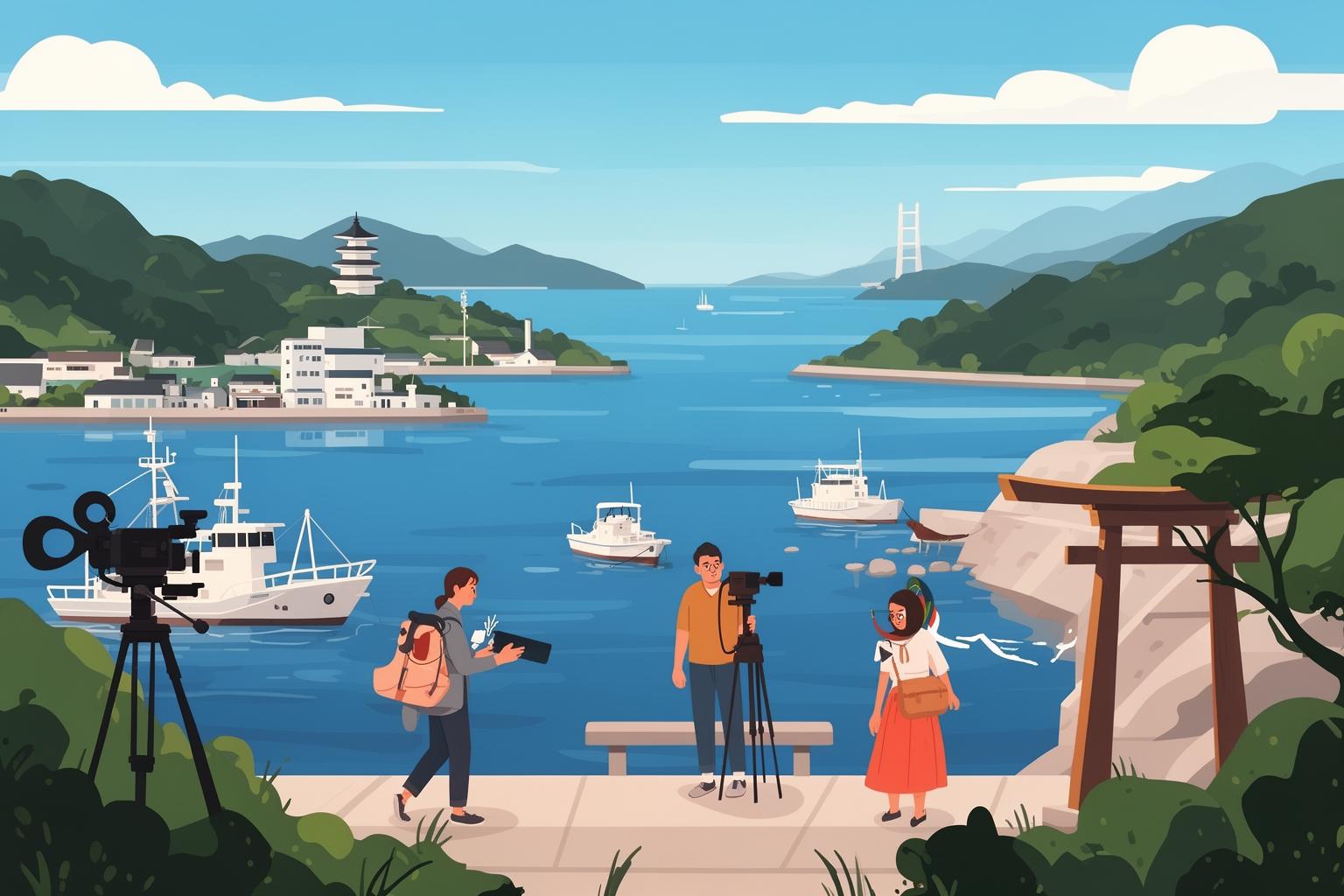
A journey through the world of “Drive My Car” ultimately becomes a journey inward. These locations were selected because they resonate with the film’s profound, universal themes of grief, communication, and the slow, challenging process of healing. Visiting the Peace Park prompts reflection not only on history but also on the essence of human resilience. Standing inside the Naka Incineration Plant encourages contemplation of the cycles of transformation within our own lives. Driving across the Akinada Bridge evokes a sense of movement, crossing from one state of being to another.
This landscape rewards slowness and careful observation, much like Hamaguchi’s directorial approach. His long takes and patient focus on dialogue invite us to look and listen more attentively. Similarly, the Setouchi region encourages you not to rush from one photo spot to another, but to sit, watch the changing light on the water, listen to the sounds of the city and sea, and absorb the atmosphere. It is in these quiet moments that the true spirit of the film can be felt.
This pilgrimage offers the chance to craft your own narrative. While the red Saab may have been Kafuku’s sanctuary, the roads of Hiroshima and the waters of the Seto Inland Sea are open to all. They await to serve as the backdrop to your own journey, your own conversations, your own moments of quiet reflection. As you travel through this beautiful and profound landscape, you may discover that you are not just following the path of a fictional character, but driving into the heart of your own story. The engine is running, and the road lies ahead.