
There are stories that stay with you, that weave themselves into the fabric of your memory so completely that the line between fiction and reality begins to blur. Makoto Shinkai’s masterpiece, Your Name., is one of those stories. It’s a film that painted the screen with breathtaking light, capturing the frenetic energy of Tokyo and the sacred tranquility of rural Japan with equal, heart-wrenching beauty. It’s a tale of connection, of fate, of two souls searching for each other across time and space. But what makes it truly magical is that the world Taki and Mitsuha inhabit is not entirely a fantasy. It’s a world you can step into, a journey you can take. This is the essence of seichi junrei, the anime pilgrimage, where fans travel to the real-life locations that inspired their favorite stories. It’s a quest to find the tangible echoes of an animated dream, to stand in the very spots where cinematic lightning was caught in a bottle. We’re about to embark on that quest, tracing the threads of fate from the glowing heart of Shinjuku to the quiet, mountainous landscapes that birthed the fictional town of Itomori. It’s more than just sightseeing; it’s a way to experience the soul of the film, to feel the hum of the city and the whispers of the ancient countryside, and maybe, just maybe, feel a little closer to that magical, once-in-a-lifetime connection that the story so beautifully portrays.
For those eager to extend their adventure through places where cinematic dreams merge with reality, exploring the enchanting port town can offer another layer of magic to your pilgrimage.
Tokyo’s Urban Heartbeat: Taki’s World
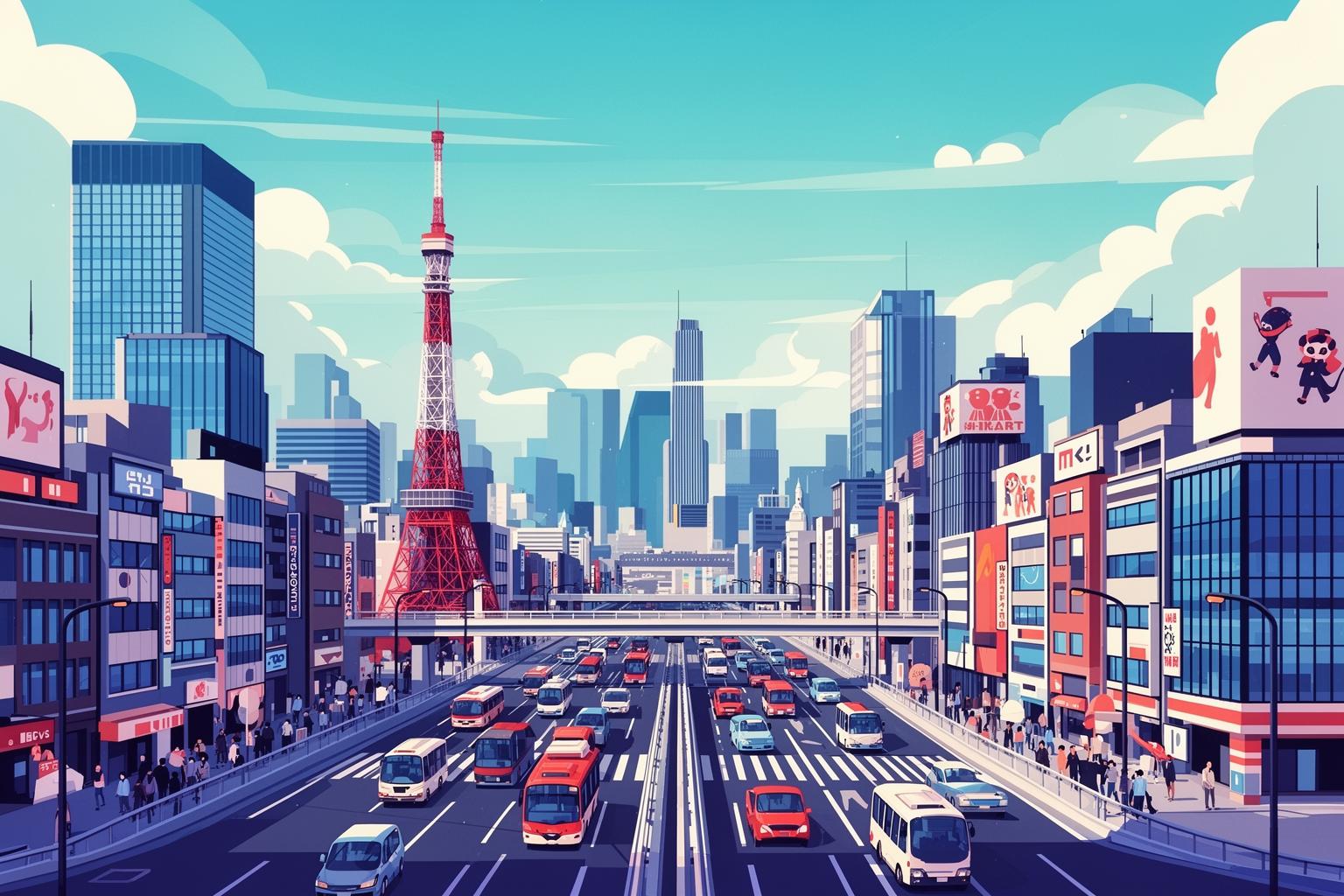
Our pilgrimage begins where Taki’s story takes place, in the vast, radiant metropolis of Tokyo. This city is more than just a backdrop in Your Name.; it acts as a living, breathing character. It’s a land of hurried commutes, towering skyscrapers that reach the clouds, and quiet, hidden spots where time seems to stand still. Following Taki’s footsteps means fully immersing yourself in this dynamic contrast, experiencing the city not as a tourist, but as someone searching for something, just like he was. You can sense the rhythm of his life in the pulse of train stations and the soft glow of city lights at dusk. It’s a world of concrete and glass, yet filled with moments of deep human emotion and stunning, unexpected beauty. This journey is about capturing that feeling—the beautiful melancholy of being a solitary soul in a city of millions, gazing up at the sky and wondering who else might be out there, looking back.
The Iconic Red Steps of Suga Shrine
No image is more emblematic of the emotional climax of Your Name. than the sight of Taki and Mitsuha finally, miraculously finding each other on a striking staircase with railings painted a vibrant vermilion. This is the Suga Shrine staircase in Yotsuya, a quiet residential neighborhood that feels worlds away from the neon chaos of nearby Shinjuku. Reaching this spot is a journey in itself. As you leave the hustle of Yotsuya Station and stroll through the peaceful streets, a sense of anticipation builds. The neighborhood is unpretentious, filled with the gentle sounds of everyday life. Then, you turn a corner, and there it stands. The view is instantly recognizable, a flawless recreation of one of cinema’s most unforgettable moments. Standing at the bottom looking up, or at the top looking down, you feel the weight of their journey. The air feels different here, charged with a gentle, hopeful energy. For the best experience, visit in the late afternoon. As the sun begins to set, the light softens, casting long shadows and creating that kataware-doki, or “magic hour,” glow so central to the film’s aesthetic. It’s usually not crowded, giving you time to run your hand along the cool metal railing and imagine the frantic, heart-pounding question: “Haven’t we met before?” It’s a simple staircase, but here, it feels like the center of the universe—a nexus of fate and memory.
A View from Shinjuku: The Pedestrian Bridge
Shinjuku pulses as the heart of Taki’s Tokyo. It’s a district on an immense scale, where massive skyscrapers house sprawling corporate offices and the streets teem with an endless river of people. Many of the film’s most iconic cityscape shots are rooted in this vibrant hub. One of the most accessible and atmospheric locations is a pedestrian bridge near the Shinjuku Police Station. This is precisely where the NTT Docomo Yoyogi Building, with its clock-tower-like spire, is perfectly framed against the Tokyo skyline. Standing on this bridge, especially as evening falls, offers a deeply immersive experience. The scene is a symphony of urban sensations. Below, ribbons of red and white lights from traffic flow endlessly. Around you, neon signs begin flickering to life, painting the twilight sky in shades of electric blue, pink, and orange. It feels vast, overwhelming, and utterly captivating. You can almost sense Taki’s determination and occasional loneliness as he navigates this vast urban wilderness. Unlike the quiet reflection found at Suga Shrine, this spot lets you feel the city’s pulse and relentless momentum. It’s an ideal location for photography, allowing you to capture your own version of Shinkai’s iconic imagery. It stands as a powerful reminder of the enormity of Taki’s world—a place so vast that finding a single person within it seems like an impossible miracle.
Taki’s Part-Time Job: Cafe La Bohème
Remember the stylish, upscale Italian restaurant where Taki worked part-time, balancing trays of pasta and managing demanding customers? That restaurant has a real-life counterpart: Cafe La Bohème Shinjuku Gyoen. Stepping inside feels like walking directly onto the film set. The high ceilings, ornate chandeliers, large windows overlooking the nearby park’s greenery, and the grand, open-kitchen layout are impeccably recreated. The atmosphere is one of sophisticated charm and warmth. Finding a table here offers a chance to pause your pilgrimage and soak in the ambiance. You can order a plate of pasta or a coffee and simply watch the world go by, imagining Taki and his coworker Okudera-senpai bustling through the same space. It’s a lovely blend of fiction and reality. The staff know well the café’s fame among Your Name. fans and are warmly welcoming. A small tip for visitors: try booking a reservation, especially during lunch or dinner hours, as its popularity extends beyond anime pilgrims. Visiting on a weekday afternoon provides a quieter experience, giving you more room and time to appreciate the details lovingly captured by the animators. It’s a delicious, tangible connection to Taki’s daily life—a taste of his world beyond the cosmic drama.
Into the Serene Landscape: Mitsuha’s Itomori
Leaving behind Tokyo’s electric glow, our journey takes a dramatic turn, following fate’s thread into the lush, green mountains of central Japan. The fictional town of Itomori, Mitsuha’s hometown, isn’t found on any map. It is a place woven from memory, imagination, and the spirit of a real region: Hida, in Gifu Prefecture. This area of Japan is where tradition breathes in the crisp mountain air and life moves at a slower, more intentional pace. The pilgrimage to find Itomori is a search for the spirit of Mitsuha’s world. It’s reflected in the charming wooden architecture of old towns, the profound silence of ancient shrines nestled among towering cedar trees, and the breathtaking views of a crater lake embraced by mountains. Traveling here means understanding the deep cultural roots that shaped Mitsuha’s identity as a shrine maiden and feeling the powerful, almost mystical presence of nature that seeps into every frame of her story. This is where ancient gods feel near, and traditions like kuchikamizake and kumihimo braids seem less like relics of history and more like living parts of the landscape itself.
The Soul of Itomori in Hida-Furukawa
The moment you step off the train at Hida-Furukawa Station, you’ll sense it. This is the place. The charming wooden station building, the platform, the footbridge, and even the taxi stand just outside—it’s all been lifted straight from the screen into reality. This is the station where Taki, in his desperate search for Mitsuha, first arrived in the region, holding up hand-drawn sketches of the Itomori landscape. The town of Hida-Furukawa itself captures the peaceful, traditional atmosphere of Itomori. Walking its streets, you’ll find beautifully preserved wooden merchant houses, canals filled with colorful koi fish, and a sense of community that feels both warm and timeless. A short walk from the station leads to another key site: the Hida City Library. Instantly recognizable from the film, this modern yet welcoming building is where Taki finally uncovered the heartbreaking truth about Itomori. The library celebrates its connection to the film by setting up a small photo spot for visitors, yet it remains a functional public space. It’s a testament to the respectful nature of this pilgrimage; you are a guest in a living community. Sitting at one of the tables by the large windows, you can feel the quiet, scholarly atmosphere that surrounded Taki during his moment of revelation. The town is a treasure, offering a glimpse into a slower way of life central to understanding Mitsuha’s world.
Whispers of Tradition: The Hida-Sannogu Hie Shrine
Mitsuha’s identity as a miko, or shrine maiden, at her family’s shrine is deeply intertwined with her character. The Miyamizu Shrine, with its long stone staircase and sacred grounds, was her sanctuary and stage for ancient rituals. The primary inspiration for this spiritual site is believed to be the Hida-Sannogu Hie Shrine, located in nearby Takayama, which often serves as a base for exploring the Hida region. As you approach the shrine, the first sight is an imposing flight of stone steps cutting through a forest of tall, ancient trees. The climb feels significant, as though journeying away from the mundane world into a sacred space. The air grows cooler and quieter, filled only with leaves rustling and crows cawing. At the top, the shrine buildings stand with quiet dignity, their wooden structures weathered by centuries of wind and prayer. It’s easy to imagine Mitsuha and her sister Yotsuha here, performing their rituals, the sound of kagura bells echoing among the trees. This place feels profoundly spiritual, rich with history and reverence for nature. It connects you not only to the film but also to the deep Shinto traditions that underpin much of Japanese culture. Visiting this shrine is a moment of quiet reflection, a chance to grasp the weight of the traditions Mitsuha both cherished and longed to escape.
The View from Above: Searching for Lake Itomori
The stunning, crater-like Lake Itomori is the geographic and symbolic heart of Mitsuha’s town. While its final depiction in the film is a blend of various inspirations, its most striking model lies a little further away, in Nagano Prefecture: Lake Suwa. To reach the iconic panoramic view that Taki sketched from memory, you must visit Tateishi Park, an observation point perched on a hillside overlooking the lake and surrounding city. The climb can be a bit challenging, but the reward is breathtaking. From this vantage point, the shape of the lake and the way the city curves around its shores are unmistakably the blueprint for Itomori. The view is spectacular at any time of day, but to truly capture the magic of Your Name., aim to be there at dusk. As the sun sets behind the mountains, the sky ignites in shades of orange, purple, and deep blue—the kataware-doki hour, when the boundary between worlds blurs. City lights begin to twinkle, reflecting in the dark, still waters of the lake. In that moment, it feels as though anything is possible. You sense the powerful, cosmic scale of the film, the impression of two worlds colliding. It’s a deeply moving experience that solidifies the bond between the animated world and our reality, leaving a view etched in your memory forever.
A Pilgrim’s Practical Guide

Embarking on this journey takes a bit of planning, but the experience makes it well worth the effort. Bridging the distance between Taki’s Tokyo and Mitsuha’s Gifu is central to the adventure, reflecting the film’s narrative of two distinct worlds becoming connected. A successful pilgrimage is not only well-planned but also approached with mindfulness and respect for the places you visit. These sites are not theme parks; they are living communities, sacred grounds, and operating businesses that have generously welcomed fans. By preparing carefully and traveling thoughtfully, you can ensure your journey is as meaningful and impactful as the story that inspired it. Here are some suggestions on how to weave your own thread through the world of Your Name.
Crafting Your Itinerary: Tokyo and Beyond
A sensible way to organize your trip is to spend a couple of days exploring Tokyo locations first. The city’s highly efficient public transportation system makes this convenient. A Suica or Pasmo IC card will be your best companion for boarding and transferring on subways and local JR lines. You can dedicate a day to the Shinjuku and Yotsuya areas, as they are relatively close to each other. After immersing yourself in the urban energy of Taki’s world, you can begin your journey toward Mitsuha’s. The most scenic and efficient route to the Hida region is by train. A Japan Rail Pass can be very cost-effective if you plan on this long-distance travel. The journey on the Limited Express Hida train from Nagoya or Toyama is a spectacle in itself, winding through dramatic mountain valleys and alongside rushing rivers. Consider staying in the city of Takayama as your base. It is larger than Hida-Furukawa, offers more accommodation options, and provides easy bus and train access to the nearby pilgrimage sites, including Hida-Furukawa and routes toward Lake Suwa. The shift from the packed, urban trains of Tokyo to the scenic, winding mountain tracks provides a powerful physical representation of the film’s change in perspective, making travel time an integral part of the experience.
Etiquette and Respect: A Mindful Journey
As you explore these beautiful locations, it’s essential to remember that you are a guest. Suga Shrine, a place of worship, is situated in a quiet residential neighborhood. Please be mindful of noise, particularly if visiting early in the morning or late at night. Photography is generally allowed on the grounds but be respectful of worshippers and avoid disruptive behavior. Likewise, the Hida City Library is a functioning public library. They have kindly designated a small area where photography is permitted after signing in at the front desk, but the rest of the library is reserved for quiet study and reading. Please follow their rules to ensure fans continue to be welcomed in the future. When walking through towns like Hida-Furukawa, remember you are passing by people’s homes and businesses. Smile, be courteous, and support local shops and restaurants when possible. This spirit of respectful appreciation transforms a meaningful pilgrimage from mere tourism. You are there to connect with the essence of the place, not just to capture a photo for social media. By showing gratitude, you honor both the location and the story that brought you there.
What to Pack and When to Go
Whatever time you decide to travel, comfortable walking shoes are essential. You will do a significant amount of walking, from navigating vast Tokyo train stations to climbing stone steps at mountain shrines. Consider the seasons, as each offers a unique perspective on the world of Your Name. Spring brings delicate cherry blossoms to Tokyo and the Hida region, adding an ephemeral layer of beauty. Summer is lush and green, though hot and humid, so pack light clothing and stay hydrated. Autumn is perhaps the most cinematic season, as the mountains around Hida and Lake Suwa burst into fiery reds, oranges, and golds, perfectly echoing the film’s rich color palette. Winter blankets the countryside in thick snow, transforming it into a quiet, magical wonderland—though you’ll need warm layers and should prepare for colder temperatures. Always carry a portable battery charger for your phone, as you’ll rely on it for navigation and, of course, countless photos documenting your journey. A small notebook for jotting down feelings and observations can also be a wonderful way to preserve the memories of your personal pilgrimage.
Beyond the Frame: The Lasting Connection
A pilgrimage through the world of Your Name. is ultimately more than just a checklist of locations. It is an emotional and sensory experience: the sensation of the wind atop the Suga Shrine steps, the taste of coffee in the café where Taki worked, the sound of a local train arriving at Hida-Furukawa station, and the breathtaking view of the sky turning crimson over Lake Suwa. These moments bridge the gap between the screen’s world and the reality beneath your feet. Standing in these places, you realize the beauty Makoto Shinkai captured wasn’t mere fantasy. It was an elevated reality, a love letter to the intricate details of his country—from the organized chaos of its cities to the profound tranquility of its natural landscapes. The film’s themes of memory, distance, and the invisible threads that connect us resonate deeply when you physically follow the paths of its characters. You leave not just with photographs, but with a feeling—a deeper appreciation for the story and a newly forged connection to the real, beautiful, and sometimes magical country of Japan. The story becomes part of your own journey, and the places that were once just drawings transform into lasting memories.