There are films that you watch, and then there are films that you inhabit. Pedro Almodóvar’s 2002 masterpiece, Hable con ella or Talk to Her, is firmly the latter. It’s a cinematic space carved from the most profound human emotions: loneliness, devotion, obsession, and the strange, often silent, ways we communicate. It’s a film that doesn’t just tell a story; it breathes a specific air, saturated with the colors, textures, and melancholic beauty of Spain. To walk through its filming locations is not merely a sightseeing tour; it is an act of pilgrimage, a journey into the heart of Almodóvar’s deeply compassionate and controversial universe. Here, in the sun-drenched plazas and dimly lit theaters, the silent conversations of the film continue to echo. We follow the paths of Benigno, the gentle nurse, and Marco, the tormented journalist, two men bound by the comatose women they love. Their story unfolds across a landscape that is as much a character as they are—a Spain that is at once modern and ancient, brutal and tender, surreal and achingly real. From the hallowed halls of a Madrid arthouse cinema to the blood-soaked sands of a Córdoba bullring, each location was chosen with a painter’s eye, each frame a meticulously composed canvas that deepens the film’s exploration of love’s outer limits. This journey is for those who were moved by the film’s quiet intensity, for those who understand that a place can hold the memory of a story long after the credits have rolled. It is a chance to stand where Marco wept, where Benigno dreamed, and to feel the potent atmosphere that makes Talk to Her an unforgettable piece of cinema. Prepare to step through the screen and into the poignant, vibrant world that Almodóvar built.
This journey is for those who were moved by the film’s quiet intensity, for those who understand that a place can hold the memory of a story long after the credits have rolled, much like the profound connection to landscape explored in a pilgrim’s guide to The Band’s Visit and the Negev.
Madrid: The Cinematic Heartbeat
Madrid is not merely the backdrop for Talk to Her; it is its essence. The city serves as the stage where our characters’ lives intertwine, a vast urban tapestry woven from chance encounters and shared solitude. Almodóvar’s Madrid functions as a character itself, a living entity pulsating with the rhythm of vibrant street life alongside moments of quiet introspection. It is a city of dramatic contrasts, where the flamboyant energy of daylight yields to a nocturnal world filled with whispered secrets and deep reflection. Here, we first meet Marco and Benigno, two strangers seated side-by-side in the velvet darkness of a theater, their lives unknowingly destined to become inseparably linked. To follow Madrid through the lens of this film is to perceive the city via Almodóvar’s unique perspective—discovering poetry in the mundane and profundity in the everyday.
The Temple of Cinema: Cine Doré
Our pilgrimage must begin where the story begins: at the Cine Doré, home to the Filmoteca Española. Situated on Calle de Santa Isabel in the vibrant Antón Martín neighborhood, this cinema is far more than a location; it is a sanctuary. It is here, watching Pina Bausch’s raw, emotional dance piece Café Müller, that Marco and Benigno’s paths first cross. The theater itself is a stunning spectacle, a gem of Modernist architecture from 1912. Its striking pastel-pink and cream facade, embellished with intricate carvings and elegant columns, appears dreamlike—a perfect setting for a film that often blurs the boundaries between reality and fantasy.
Approaching the Cine Doré, one feels a reverence. It stands distinct from the surrounding buildings, a tribute to a bygone era of cinematic grandeur. Even before entering, take a moment to absorb the exterior’s details. The soft hues, the whimsical ornamentation—it’s pure Almodóvar, a visual feast that sets the tone for what lies inside. The neighborhood itself teems with energy; the nearby Antón Martín market buzzes with vendors and shoppers, while traditional tapas bars spill onto the streets. This surroundings matter; the Cine Doré is not a detached museum piece but a living part of a dynamic urban fabric.
Stepping inside is like entering a different world. The main screening room, Sala 1, is where the film’s opening scene was filmed. The air is rich with the scent of aged wood, velvet, and the ghosts of countless cinematic tales. The deep red seats, the ornate plasterwork on the ceiling, and the gentle incline of the auditorium all combine to create an intimate grandeur. If possible, plan your visit around a screening. The Filmoteca Española curates an extraordinary selection of classic, foreign, and independent films, often projecting on 35mm film. Sitting in those same velvet seats, watching the flickering light as Marco and Benigno did, is an intensely immersive experience. You can almost feel Marco’s tears, hear the soft rustle of Benigno’s program. It’s a moment where the line between viewer and participant fades.
After the film, ascend the elegant staircase to the upper floor. There you will find a charming café and a bookstore, ideal for lingering and reflecting on what you have seen. Or, even better, visit the open-air screening area, the terraza, during the summer. Watching a film beneath the Madrid stars is a magical experience, adding another layer to your cinematic pilgrimage. The Cine Doré is not just a filming location; it is a living monument to the power of cinema—the very medium Almodóvar uses to delve into the depths of human connection. It is the perfect, poignant starting point for any journey into the world of Talk to Her.
The City as a Silent Confidant
Beyond specific landmarks, the streets of Madrid themselves function as an expansive set for the film. Almodóvar portrays a particular facet of the city, one focused less on grand monuments and more on the quiet intimacy of its residential neighborhoods. The film’s hospital, the ‘Clínica El Bosque,’ where Benigno tenderly cares for Alicia, is fictional, yet its sterile, quiet corridors were filmed in a private clinic in the northern part of the city. While the exact interior is inaccessible, the exteriors and surrounding residential areas evoke the sense of seclusion and private worlds the clinic represents in the film.
To capture the essence of this Madrid, wander through neighborhoods like Chamberí or Salamanca. These areas, with their stately apartment buildings, tree-lined streets, and peaceful parks, reflect the contained, orderly world Benigno has built around himself and Alicia. It is a Madrid of quiet courtyards and sunlit rooms, sharply contrasting with the emotional turmoil simmering beneath the surface. Picture Marco, after visiting Lydia at the hospital, walking these same streets, lost in thought, as the city’s ambient sounds—a distant siren, the murmur of a café—form the soundtrack to his grief.
Almodóvar also skillfully employs the city’s infrastructure to underscore his themes. Sweeping shots of highways and overpasses linking different parts of Madrid mirror the emotional distances between characters. These are Madrid’s arteries, alive with movement, yet symbolizing the anonymous, transient nature of urban life. Driving along the M-30 ring road at dusk, as city lights begin to sparkle, you sense the movement and transition defining Marco’s journey. He is a man in constant motion, an emotionally adrift travel writer, and the city’s ceaseless flow reflects his inner state.
A practical tip for experiencing this side of Madrid is to simply lose yourself. Pick a neighborhood, put away the map, and walk. Notice the details Almodóvar would: the vibrant hues of a building’s facade, the intricate ironwork on a balcony, the way light filters through the leaves of a plane tree. Stop at a local cafetería for a café con leche and simply observe. Madrid’s magic lies in these unscripted moments—the everyday scenes forming the backdrop of the film’s powerful drama.
Córdoba: The Arena of Passion and Tragedy
From the introspective calm of Madrid, the film carries us to the raw, passionate core of Andalusia. We journey southward to Córdoba, the city that shapes the world of Lydia, the bullfighter. This change in setting brings a shift in tone, moving from the psychological inwardness of the clinic to the visceral, outward drama of the bullring. Córdoba, with its sun-baked landscapes and deep-seated traditions, is a land steeped in myth and ritual, serving as a fitting backdrop for Lydia’s tale of bravery, fame, and ultimately, tragedy. The city itself is a maze of history, a place where Roman, Moorish, and Spanish cultures have collided and fused, creating a unique and intoxicating atmosphere.
The Caliphs’ Bullring: Plaza de Toros de los Califas
The heart of Lydia’s story is the Plaza de Toros de los Califas. Here, she shines in her element, a powerful and graceful figure in her traje de luces (suit of lights), commanding the gaze of thousands. Situated just outside the historic city center, the bullring is an imposing structure. Built in 1965, it may lack the ancient charm of Spain’s older arenas but compensates with a sense of modern grandeur and scale. It stands as a temple to the controversial art of bullfighting, with architecture—the circular shape and tiered seating reaching toward the sky—designed to draw full attention to the deadly dance at the center of the ruedo, the sandy arena.
Visiting the Plaza de Toros in the absence of a fight is a haunting experience. You can often take a tour or simply peer through the gates into the silent, empty space. Standing in the stands and looking down at the ochre-colored sand, you can almost hear the roar of the crowd, the trumpet signaling the start of the corrida, and the pounding of the bull’s hooves. The vastness of the arena is humbling. Picture Lydia, a solitary figure confronting a powerful beast, carrying the weight of expectation from thousands of spectators pressing down upon her. The film captures the terrifying beauty of this spectacle—the blend of artistry and mortal risk.
Almodóvar does not shy away from the brutality of bullfighting, yet he also highlights its aesthetic and ritualistic elements. The vibrant hues—the red of the muleta, the gold embroidery on Lydia’s suit, the deep blue of the Andalusian sky—compose a stunning visual palette. Slow-motion shots of Lydia’s movements underscore the balletic grace demanded of a matador. Even in its silence, a visit to the bullring connects you to this intense world. You can almost feel the heat radiating from the sand, the tension in the air before the bull charges. For a deeper insight, consider exploring the small bullfighting museum often housed within the plaza, showcasing memorabilia, famous suits, and posters from historic fights.
The Soul of Córdoba
To truly grasp Lydia’s world, you must delve beyond the bullring and explore the city of Córdoba. This is a place steeped in history. At its heart stands the Mezquita-Catedral, an awe-inspiring architectural marvel. Originally a Visigothic church, it was transformed into a grand mosque during the Moorish caliphate and later reconverted into a cathedral after the Reconquista. Walking through its forest of red-and-white striped arches is to feel the weight of centuries. The cool, dim interior provides respite from the Andalusian heat and a space for quiet reflection. The interplay of Islamic and Christian art powerfully symbolizes the city’s layered past—a history as complex and dramatic as any bullfight.
From the Mezquita, lose yourself in the winding, narrow streets of the Judería, the old Jewish Quarter. Here, whitewashed houses with wrought-iron grilles line cobblestone alleys often too narrow for cars. It’s a place to wander aimlessly, discovering hidden plazas and the scent of jasmine drifting from private patios. In May, the city celebrates the Fiesta de los Patios, when residents open their stunning, flower-filled courtyards to the public. These patios are oases of color and fragrance, a testament to Cordoban artistry in creating beauty within enclosed spaces—a theme that resonates deeply with the film’s exploration of private, interior worlds.
As you explore, think of Lydia. This is the environment that shaped her, a culture that values passion, honor, and a certain stoicism in the face of fate. You can imagine her walking these same streets, perhaps finding a moment of peace beneath the shade of an orange tree before heading to the ranch to train. To truly immerse yourself in the atmosphere, follow the locals’ lead: visit a traditional tavern and sample the local specialties—salmorejo (a thick, cold tomato soup), flamenquín (a fried pork roll), and the wines of the Montilla-Moriles region. The flavors of Córdoba are bold and sincere, much like Lydia herself.
The Surreal Interlude: Brihuega’s Lavender Fields
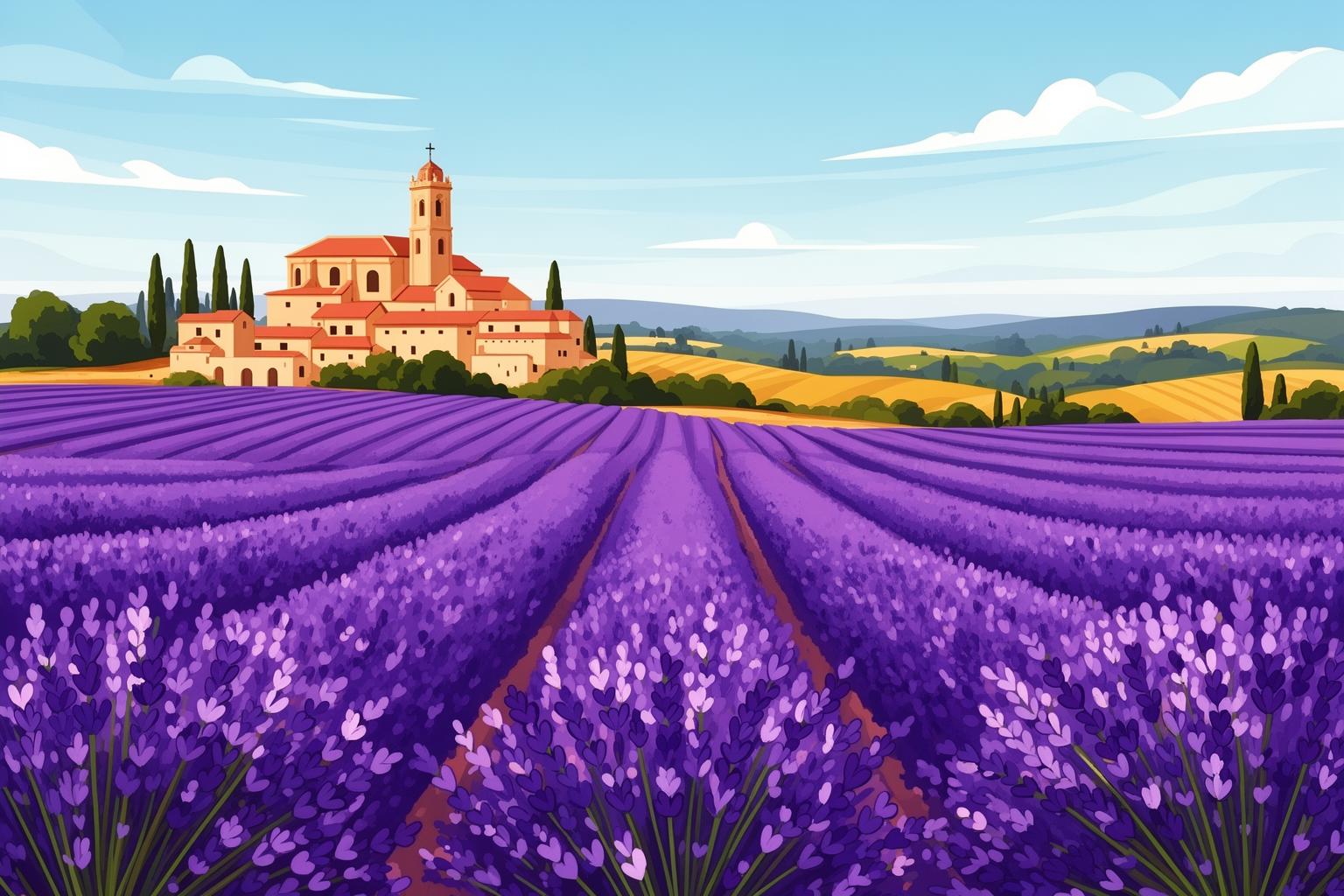
One of the most unforgettable and visually striking sequences in Talk to Her lies outside the main storyline entirely. It is the silent, black-and-white film-within-a-film, Amante Menguante (Shrinking Lover). This surreal fantasy, where a tiny man explores the body of his sleeping lover, serves as a bizarre yet tender allegory for Benigno’s devotion to Alicia. The stunning setting for this sequence isn’t a studio set but a real location: the expansive, rolling lavender fields of Brihuega, in Guadalajara province, about an hour’s drive from Madrid.
Choosing this location was a brilliant decision. The endless, uniform rows of vivid purple lavender create a landscape that feels both natural and utterly otherworldly. It resembles a dreamscape, perfectly suited for the film’s exploration of the subconscious. The visual impact of this setting is profound. The vast stretch of purple reaching to the horizon beneath the intense Spanish sun is hypnotic and deeply beautiful. It’s a landscape that is at once tranquil and powerful, mirroring the film’s emotional tone.
To truly experience the magic of Brihuega, timing is crucial. The lavender blooms in July, and for a brief few weeks, the fields are in full splendor. During this time, the air is thick with the intoxicating scent of lavender, accompanied by the steady hum of bees, creating a meditative soundtrack. Visiting in this period offers a rich sensory experience. The heat, fragrance, and visual magnificence combine to overwhelm the senses in the most delightful way. Many local farms open their fields to visitors, allowing you to wander among the fragrant rows just as the actors did.
For the best experience, plan your visit in the late afternoon. As the sun begins to lower, the light turns golden and soft, and the lavender’s purple deepens. This “golden hour” is a photographer’s dream, when the fields appear most cinematic. Picture the scene from Amante Menguante shot here, with its black-and-white cinematography transforming this vibrant landscape into a stark, high-contrast world of light and shadow. The contrast between the real-world beauty of the location and its surreal onscreen portrayal adds a fascinating layer to the visit.
Beyond the fields, the town of Brihuega itself is well worth exploring. It’s a charming, historic town featuring a medieval wall, a castle, and several beautiful churches. During July’s lavender festival, the town buzzes with concerts, markets, and guided tours. You can buy a variety of lavender products—from essential oils and soaps to honey and ice cream. A trip to Brihuega offers a refreshing contrast to the urban settings of Madrid and Córdoba, providing a chance to immerse yourself in the Spanish countryside and connect with one of the most visually poetic and imaginative sequences in Almodóvar’s entire filmography.
Aranjuez: A Royal Garden of Melancholy
Situated on the banks of the Tagus River, the Royal Site of Aranjuez offers another essential and richly atmospheric setting for the film. It is within the lush, meticulously maintained gardens of the Royal Palace that Marco shares a poignant conversation with Alicia’s psychiatrist. Surrounded by formal elegance and echoes of royal history, Marco reveals his feelings of despair and his inability to shed tears. The choice of setting is intentional; the garden’s controlled, orderly character sharply contrasts with the chaotic, untamed grief Marco endures.
Aranjuez has served as a royal retreat for centuries, a place of leisure and refuge for the Spanish monarchy. The whole town is recognized as a UNESCO World Heritage site, radiating an aura of faded grandeur and gentle melancholy. The main filming location is the Jardín del Príncipe (Prince’s Garden), an expansive and diverse landscape garden considered one of the most beautiful in Spain. Visiting here means moving through varying moods and styles, from formal, French-inspired parterres to more romantic, English-style woodlands.
As you wander the gardens, it’s easy to discover spots that mirror the film’s atmosphere. Look for the long, tree-lined avenues, where filtered light creates a dappled, dreamlike ambiance. These are the paths Marco might have walked, where the beauty around him offers little solace for his inner unrest. The sound of fountains, the rustling leaves, and the scent of damp earth and blooming flowers combine into a sensory experience both soothing and subtly sorrowful. The garden is a place of beauty but also solitude—a perfect setting for the introspective dialogue seen in the film.
Be sure to explore the smaller, more intimate gardens near the palace, such as the Jardín de la Isla, situated on an artificial island in the river. With its intricate boxwood hedges and classical statues, it feels like a stage set—a place where royal and personal dramas have unfolded over centuries. The atmosphere of Aranjuez invites reflection. The slowly flowing river, the ancient trees, and the silent statues seem to encourage contemplation. It is a place suspended in time, much like the comatose state of the women depicted in the film.
Practically speaking, Aranjuez makes for an easy day trip from Madrid, accessible by the Cercanías commuter train. The best times to visit are spring, when the gardens burst into bloom, or autumn, when the leaves display brilliant hues of red and gold. Allow yourself several hours to explore the gardens fully; their vastness is impressive, and their beauty is best savored slowly. After your stroll, you can tour the magnificent Royal Palace or unwind at a café in the historic town center. Visiting Aranjuez deepens your understanding of the film, emphasizing the theme of outward beauty as a vessel for inward pain.
The Dance of Life: The Theater and Pina Bausch
The film begins and ends with the work of the legendary German choreographer Pina Bausch. These dance sequences are more than simple bookends; they represent the thematic core of the film. The opening piece, Café Müller, featuring dancers stumbling blindly through a café cluttered with chairs, perfectly captures the film’s themes of miscommunication and the challenges of human connection. The closing piece, Masurca Fogo, is a joyful, life-affirming celebration of love and sensuality, offering a glimmer of hope following the film’s tragic events. These performances were filmed on the stage of a grand Madrid theater, lending them a sense of occasion and artistic weight.
Although the exact theater used for filming was likely a major Madrid opera house or concert hall such as the Teatro Real or the Teatros del Canal, the spirit of these scenes can be experienced by attending a performance at any of the city’s renowned venues. Madrid boasts a vibrant performing arts scene, and immersing yourself in it offers a way to connect with the film’s profound respect for art as a means of expressing the inexpressible. In Talk to Her, art is what enables the characters to truly feel. Marco weeps at the ballet, Benigno is transported by the silent film, and the audience is moved by Almodóvar’s own artistic creation.
To honor this element of the film, consider including a live performance in your pilgrimage. Check the schedule for the Teatro Real, Spain’s national opera house, or the Círculo de Bellas Artes, a cultural venue that frequently hosts contemporary dance and theater. Experiencing the hush of the audience, the dimming of the lights, and the enchantment of a live show in a stunning, historic setting will deepen your appreciation for the film’s striking opening and closing scenes. It serves as a reminder that the stories which move us most profoundly are often conveyed not through words, but through movement, music, and raw, unfiltered emotion.
This journey through the Spain of Talk to Her is more than just a trip; it is an emotional and aesthetic immersion. It is about standing in a place and sensing the lingering presence of a story, allowing the ambiance of a sun-drenched plaza or a silent garden to enrich your understanding of a film that dared to explore the most complex aspects of the human heart. Each location, from the cinematic sanctuary of the Cine Doré to the lavender-scented fields of Brihuega, holds a fragment of the puzzle. By visiting these places, you are not simply seeing where a movie was made; you are stepping into its world—a world where silence speaks volumes, and the most profound connections are forged in the spaces between words. It is a world that, once entered, stays with you forever.