
There’s a certain magic to walking in the footsteps of a ghost, especially a ghost who wrote his soul onto the page for the world to see. Tokyo, a city so often painted in strokes of neon and futuristic fervor, holds countless such phantoms in its quieter corners. Away from the electric thrum of Shibuya and the towering ambitions of Shinjuku, there exists a different kind of pulse, a more literary heartbeat. This is the Tokyo we seek today, a city of leafy lanes, reflective ponds, and hushed temples. Our guide is one of Japan’s most celebrated and beautifully tragic literary figures, Osamu Dazai. We are journeying to Mitaka and its vibrant neighbor, Kichijoji, the western suburbs that became both the canvas and the cage for Dazai during his final, most prolific years. This isn’t just a tour of landmarks; it’s an immersion into the atmosphere that fueled his genius and his despair. It’s a chance to feel the pages of his novels come alive, to understand the man behind the myth, and to discover a side of Tokyo that whispers stories instead of shouting them. So, grab a comfortable pair of shoes and an open heart, as we follow the spectral trail of a master storyteller through the landscapes that shaped his final chapter.
If you’re inspired to explore other literary landscapes, consider also chasing the echoes of Haruki Murakami through Tokyo.
The Ghost in the Machine: Understanding Osamu Dazai
Before stepping onto the platform at Mitaka Station, we must first grasp the essence of the man whose presence still lingers in these streets. Who exactly was Osamu Dazai? Calling him merely a novelist would fall short. He was a cultural icon, a voice for Japan’s lost post-war generation, and a figure whose life was as dramatic and turbulent as any of his fictional tales. Born Shūji Tsushima in 1909 into a wealthy, aristocratic family in rural Aomori, he was haunted from an early age by a deep sense of alienation and the feeling of being a fraud in the performance of his own life. This profound inner conflict—the sensation of wearing a mask to satisfy society while his true self withered beneath—became the central theme of his entire body of work.
His rebellion against his privileged origins was both swift and complete. He engaged with left-wing politics, abandoned his university studies in favor of a life of drinking and debauchery, and was entangled with numerous women; his relationships often ended in tragedy, including several shocking double-suicide attempts. His turbulent lifestyle was not mere recklessness but a desperate quest for authenticity, an attempt to shed the skin of his aristocratic background and connect with something genuine, no matter how painful. He emerged as a leading figure of the Buraiha, or Decadent School, a circle of writers who rejected the rigid literary and social norms of their era. They wrote with raw, unflinching honesty about aimlessness, disillusionment, and the struggle to find meaning in a world that had seemingly lost its moral compass in the wake of World War II.
Dazai’s literary brilliance lies in his ability to transform personal torment into universal art. His style, often described as the “I-novel” or watakushi-shōsetsu, blurs the boundaries between fiction and autobiography, forging an intimate connection with the reader. When you read Dazai, it feels as if you are peering into his secret diary. His most famous work, No Longer Human (Ningen Shikkaku), is a harrowing, semi-autobiographical narrative of a man named Ōba Yōzō who feels utterly alienated from humanity. It stands as a cornerstone of modern Japanese literature, continuing to resonate deeply with young people and anyone who has ever felt like an outsider. Another masterpiece, The Setting Sun (Shayō), poignantly depicts the decline of the Japanese aristocracy after the war through the eyes of a young woman grasping at a fading world. His prose, deceptively simple, carries immense emotional weight—a delicate blend of melancholy, dark humor, and moments of breathtaking lyrical beauty. To walk through Mitaka is to traverse the living backdrop of these very emotions, to witness the world that both inspired and tormented this unforgettable artist.
The Journey Begins: Mitaka Station and the Scent of Nostalgia
The adventure genuinely begins on the JR Chuo Line, a lively orange train that serves as a vital artery, carrying life from the heart of Tokyo out to its western suburbs. As the train departs from the hectic energy of Shinjuku, you can sense a noticeable change in the atmosphere. The towering skyscrapers fade away, replaced by a more human-scale scenery of tiled rooftops, neighborhood parks, and a tangled network of overhead wires. When the doors slide open at Mitaka Station, you’re welcomed not by a hectic crowd, but by the calmer, steadier rhythm of everyday life. Take a deep breath; the air here feels distinct—softer, and infused with the fragrance of trees from nearby Inokashira Park.
Our journey begins at the station’s South Exit. This is the gateway to Dazai’s world. The area immediately around the station is a pleasant, modest cluster of shops and eateries, soon giving way to quiet residential streets. It was in one of these very neighborhoods that Dazai lived with his wife, Michiko Ishihara, and their children from 1939 until his death in 1948. This was his refuge, the place where he wrote many of his most significant works. As you begin to walk, you gradually realize that this journey is as much about what isn’t present as what is. There are no grand monuments or flashy tourist attractions. Instead, Dazai’s presence is a subtle echo—a feeling caught in the dappled sunlight filtering through the ginkgo tree leaves or in the glimpse of a vintage kissaten (coffee shop) tucked away on a side street.
The Dazai Osamu Literary Salon: A Gateway to the Past
Just a few minutes on foot from the station, our first proper stop is a vital one: the Dazai Osamu Literary Salon. Housed in a modest building, this small, intimate space is a treasure for anyone wishing to connect more deeply with the author. Admission is free, a warm gesture from the city of Mitaka, which has lovingly preserved the memory of its most famous resident. The salon is not a grand or imposing museum; instead, it feels like stepping into a scholar’s private study. The walls are adorned with photographs of Dazai at various points in his life—a handsome, brooding young man; a thoughtful writer at his desk; a smiling father. Seeing his face and expressions transforms him from a literary icon into a real, flesh-and-blood individual.
The glass display cases hold precious artifacts charged with his energy. You can view facsimiles of his original manuscripts, his elegant, flowing script cascading across the pages. There are first editions of his books, their vintage covers standing as a testament to their lasting influence. You can even see a replica of his signature double-breasted coat and the low writing desk, or zataku, where he would sit and create his worlds. The salon also offers maps of the area, highlighting key spots related to his life and work. The volunteer staff are passionate and knowledgeable, eager to share stories and guide you in the right direction. Spending time here before your walk feels like receiving a key—it sharpens your senses to the story of the man, making the following journey through the landscape that much more poignant and meaningful.
Inokashira Park: A Symphony of Life and Sorrow
Leaving the salon and heading further south, you will soon arrive at the edge of the magnificent Inokashira Park, the verdant heart of this entire region. This vast park was Dazai’s refuge and his inspiration. He strolled its paths almost daily, finding solace in its natural beauty and seeing a reflection of his own inner turmoil in its waters. The park serves as a microcosm of life itself—a place for joyful picnics and romantic boat rides, yet also a space for solitary reflection and whispered secrets. It featured prominently in his writing, especially in the short story “Seascape with Figures in Gold,” and its atmosphere is deeply intertwined with his artistic vision.
The Swan Boats and the Reflective Waters
The park’s centerpiece is the expansive, shimmering Inokashira Pond. Its surface acts as a mirror, reflecting the shifting colors of the sky and the lush canopy of trees surrounding it. The most iconic sight of the pond is its fleet of charming swan boats, which glide gracefully across the water, carrying couples and families alike. From an influencer’s viewpoint, this is a highly photogenic paradise. The contrast of white swans against the blue-green water is undeniably beautiful. However, knowing Dazai’s history brings a poignant depth to this idyllic scene. For him, bodies of water often symbolized both purification and oblivion. Watching the boats, one might imagine him standing on the shore, observing these joyful moments with a sense of detached melancholy, perhaps feeling like the ultimate outsider. Renting a boat yourself offers a wonderful way to experience the park. As you gently paddle across the pond, the noise of the city fades, replaced by the soft lapping of water and the rustling of leaves. It is a moment of pure tranquility—a perfect chance to reflect on the intertwined beauty and sadness that Dazai so skillfully explored.
Benzaiten’s Shrine: Blessings on a Crimson Bridge
At the pond’s edge, connected by a striking crimson bridge, lies a small island that hosts a shrine dedicated to Benzaiten, the Buddhist goddess of water, music, words, and fortune. The vibrant red of the bridge and shrine provides a stunning contrast to the natural greens and blues of the park. This spot feels both sacred and ancient. Dazai would have passed this shrine on his daily walks, a constant reminder of the spiritual and mythological currents flowing beneath everyday life. According to local legend, the goddess is jealous, and couples who ride a boat together on Inokashira Pond are fated to break up—a piece of folklore that Dazai, fascinated by tragic romance, would surely have appreciated. Taking a moment to offer a prayer or simply standing on the bridge to admire the view allows you to partake in a timeless ritual, connecting with the same spiritual energy that has drawn visitors here for centuries.
A Park for All Seasons
Inokashira Park is not a static beauty but a living, breathing entity that shifts dramatically with the seasons, each transformation offering a new perspective on Dazai’s world. In spring, the park bursts into a breathtaking spectacle of pale pink cherry blossoms. The sakura season is a time of great celebration in Japan, yet its beauty is fleeting, with the blossoms lasting only a week or two before they fall like snow. This concept of mono no aware—the gentle sadness of transience—runs deeply through Dazai’s work. To witness the cherry blossoms here is to see the very essence of the beautiful but fleeting life he wrote about. Summer envelops the park in an almost overwhelmingly lush green. The air grows thick and humid, filled with the loud, insistent hum of cicadas—the quintessential sound of Japanese summer, which can feel both vibrant and oppressive. Autumn may be the park’s most spectacular season, as the maple and ginkgo leaves turn fiery shades of red, orange, and gold, setting the park ablaze with color. It is a time of brilliant, final glory before winter’s quiet, another metaphor for the cycles of life and creativity Dazai understood so well. Winter strips the park to its bare essentials. The stark, skeletal branches of the trees form intricate patterns against a cold, gray sky. The crowds thin, and a profound sense of peace and solitude descends. It is in this silent season that Dazai’s solitary spirit can perhaps be felt most keenly, walking the deserted paths, lost in thought.
The Path of Shadows: Following the Tamagawa Aqueduct
Our pilgrimage now adopts a more somber mood as we seek out the Tamagawa Josui, or Tamagawa Aqueduct. This man-made waterway runs along the southern edge of Mitaka and holds profound significance in the story of Dazai. Today, the aqueduct serves as a charming, shaded walking path. The water flows gently through its narrow channel, and the banks are lined with cherry trees that create a beautiful canopy. It is peaceful, idyllic, and a favored spot for local residents to stroll, jog, or walk their dogs. Yet this tranquil beauty conceals a dark history, for it was in these very waters, near the Gyōunbashi bridge, that Osamu Dazai and his lover, Tomie Yamazaki, ended their lives in a final, successful double suicide on June 13, 1948.
From Lifeline of Edo to a Walk of Remembrance
To fully grasp the significance of this location, it is important to understand its original role. The Tamagawa Aqueduct was built in the 17th century, a monumental engineering achievement designed to supply fresh drinking water to the growing city of Edo (the former name of Tokyo). For centuries, it was a lifeline, a source of purity and sustenance for millions. This historical context adds a chilling irony: the waterway intended to bring life to the city became the means of death for one of its most brilliant literary sons. Walking along its path today is a strange and moving experience. Sunlight filters through the leaves, birds sing in the branches, and the water murmurs softly. It is impossible to reconcile this present-day serenity with the desperate act that occurred here. The contrast is stark and invites deep reflection on the hidden turmoil that can exist beneath a placid surface, whether it be a body of water or a human soul.
The Final Walk: Reconstructing the Narrative
Standing near the spot, one can almost envision the scene: Dazai, only 38 years old but worn down by illness, alcoholism, and creative pressure, taking his final walk on a rainy night. His death was discovered six days later, on what would have been his 39th birthday, June 19th. This date is now commemorated as Ōtōki, or the Cherry Memorial, named after one of his famous short stories, “Ōtō” (Cherries). Each year on this day, fans and admirers gather for a memorial service to honor his life and work. A small, discreet marker stands near the site, but the true memorial is the place itself. It is not a ghoulish attraction but a site for quiet remembrance. It serves as a powerful reminder that the beautiful, melancholic worlds Dazai created were not merely products of his imagination; they were forged in the crucible of real, profound suffering. To stand here is to pay homage to the man who gave everything to his art, right to the very end.
A Place of Eternal Rest: Zenrin-ji Temple
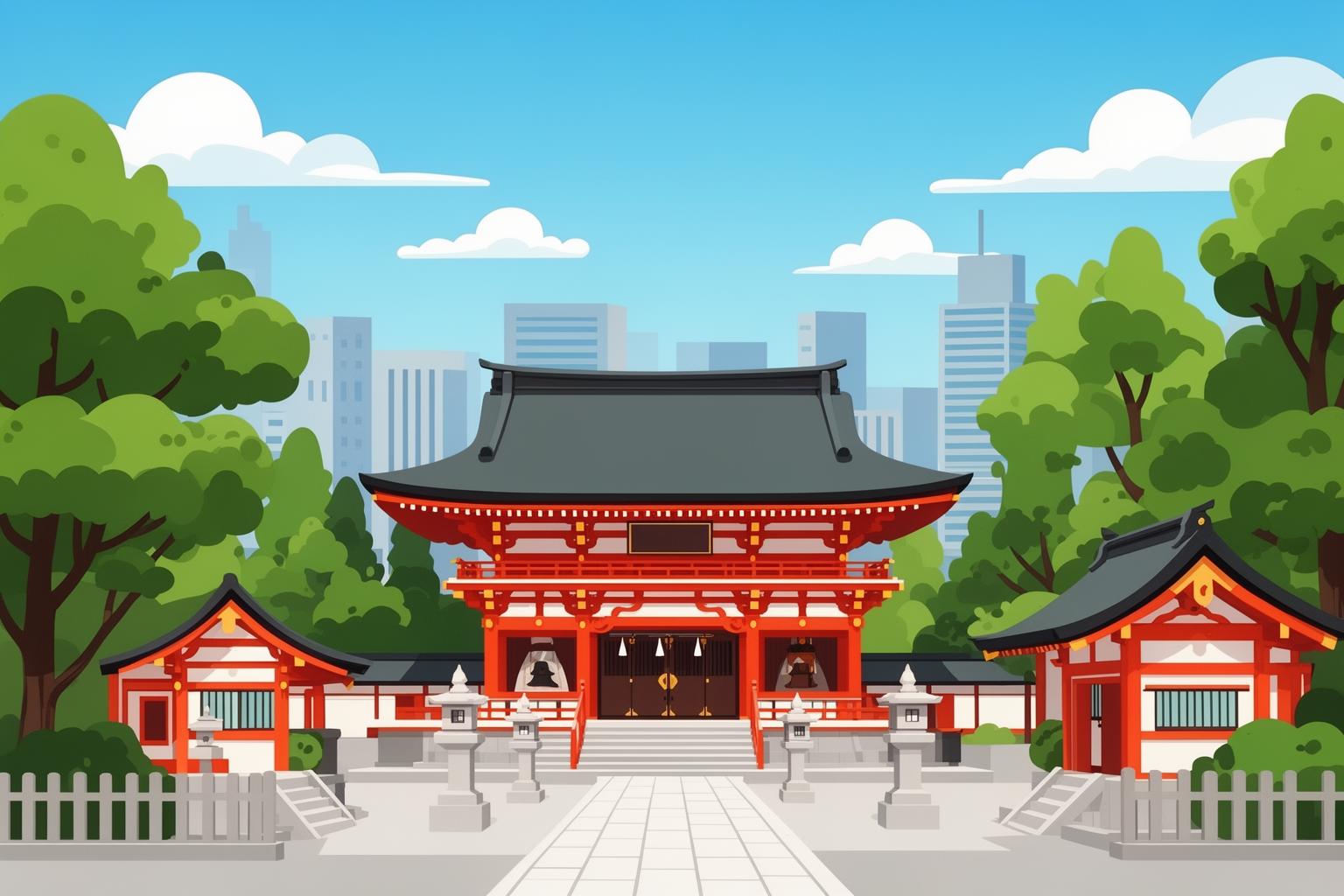
From the site of his death, our journey proceeds to his final resting place: Zenrin-ji Temple. Just a short walk away, this tranquil Buddhist temple complex feels far removed from the turmoil of Dazai’s life. Passing through the main gate, you are embraced by an atmosphere of profound calm. The air is cool and still, carrying the earthy scent of moss along with the faint, sweet fragrance of incense. The temple grounds are immaculately cared for, featuring ancient, towering trees, meticulously raked gravel gardens, and exquisitely crafted wooden halls. The city’s noise fades here, replaced by the cawing of crows and the gentle chime of a wind bell.
The Serenity of the Temple Grounds
Before visiting Dazai’s grave, take a moment to simply soak in the peaceful ambiance of the temple. Zenrin-ji remains an active place of worship, radiating a strong sense of reverence. The main hall, with its sweeping tiled roof and intricate carvings, stands as a masterpiece of traditional Japanese architecture. The stillness of the grounds offers a stark contrast to the inner turmoil that shaped so much of Dazai’s life. It seems fitting that a man who lived amidst such relentless chaos would ultimately rest in a place of such perfect peace.
A Tale of Two Writers: Dazai and Mori Ōgai
Dazai’s grave can be found in the temple’s cemetery, a quiet area dotted with stone markers from generations past. What makes his grave particularly notable is its placement—he lies directly in front of the grave of Mori Ōgai, a towering literary figure from an earlier generation. Ōgai was a writer Dazai greatly admired, embodying an older, more disciplined literary tradition. Dazai had specifically requested to be buried here, near this master. This posthumous arrangement creates a silent yet compelling dialogue between two distinct eras of Japanese literature and culture. Ōgai, the establishment figure, and Dazai, the anti-establishment rebel, remain forever linked in this tranquil corner of Mitaka. Dazai’s grave is strikingly simple: an unadorned stone pillar inscribed with his real name, Shūji Tsushima, alongside those of his family.
An Offering of Cherries: The Ritual at the Graveside
What makes the grave especially moving are the offerings left by a steady stream of visitors. Fresh flowers are almost always present, but you may also find more personal tributes: a can of beer, a pack of cigarettes, and most poignantly, a small handful of fresh cherries. This touching tradition directly references his story “Ōtō,” in which the narrator, a struggling writer much like Dazai himself, laments his inability to afford cherries for his children. The story ends with the heartrending line, “I would rather be a father who gives them cherries than a father who becomes a great artist.” Leaving cherries at his grave is a way for readers to honor this wish, a gesture of deep empathy and connection that transcends time. It stands as a testament to the enduring, personal impact his work continues to have on people’s lives. Standing there, you realize that while his life may have ended, his story is still being written by every reader who makes this pilgrimage.
The Kichijoji Counterpoint: Bohemian Bliss and Urban Energy
After taking in the solemnity of the aqueduct and temple, it’s time to redirect our energy and delve into the vibrant neighborhood of Kichijoji, which borders Mitaka and Inokashira Park. If Mitaka represents the quiet, residential core of Dazai’s memories, then Kichijoji embodies its lively, bohemian spirit. Regularly voted one of Tokyo’s most desirable places to live, Kichijoji boasts a distinctive vibe that seamlessly combines retro charm with modern cool. It’s a community of students, artists, families, and trendy shoppers, all thriving in a relaxed, creative environment. It’s the ideal spot to unwind after the emotional intensity of the Dazai trail and immerse yourself in the dynamic culture of contemporary West Tokyo.
Labyrinthine Dreams: Getting Lost in Harmonica Yokocho
Just a few steps from the north exit of Kichijoji Station lies one of Tokyo’s most atmospheric gems: Harmonica Yokocho. This tight network of tiny alleys is a holdover from the post-war black market era, preserving its gritty, nostalgic appeal. The name derives from how the rows of small shops resemble the reeds of a harmonica. During the day, the area is an intriguing mix of fishmongers, flower shops, and fortune tellers. But as evening falls, Harmonica Yokocho truly awakens. Paper lanterns cast a warm, welcoming light, while the narrow streets fill with the mouthwatering scents of grilled food and the lively sounds of chatter and clinking glasses.
This is the realm of tachinomi (standing bars) and tiny eateries seating only a handful of patrons. For an influencer, this place is a visual feast—the steam rising from a ramen stall, the concentrated focus of a chef grilling yakitori skewers, the layered colorful signs. Squeeze into a small bar, order a cold beer and some gyoza, and absorb the energy. It’s an intimate, authentic experience that feels a world away from the polished restaurants of central Tokyo. One can easily imagine Dazai, no stranger to bars, feeling perfectly at home in this maze of earthly pleasures.
Retail Therapy, Showa Style: Sunroad and Daiyagai Arcades
Extending from Kichijoji Station are several long, covered shopping arcades, or shotengai, most notably Sunroad and Daiyagai. These bustling thoroughfares are the neighborhood’s lifeblood, lively hubs where you can find virtually everything imaginable. Exploring these arcades offers a wonderful glimpse into local life. You’ll see grandmothers purchasing vegetables for dinner, students browsing the latest manga, and families indulging in sweets. The arcades present a fascinating blend of old and new. Sleek, contemporary boutiques sit alongside decades-old shops selling traditional rice crackers and pickles. One of Kichijoji’s most famous spots is the Satou butcher shop in the Daiyagai arcade. You’ll recognize it by the perpetually long line of people patiently waiting to buy their legendary menchi katsu—a juicy, deep-fried ground meat cutlet. Grabbing one fresh from the fryer and eating it on the go is a quintessential Kichijoji experience. These arcades are more than just shopping destinations; they offer a sensory journey through the tastes, aromas, and sounds of a vibrant Japanese community.
A Pilgrim’s Practical Guide: Navigating Dazai’s Tokyo
Embarking on this literary pilgrimage is fairly simple, but a few practical tips can make the experience smoother and more enjoyable. Good planning helps you concentrate on the atmosphere and the story, rather than the logistics.
Getting There and Around
The easiest way to reach Mitaka and Kichijoji is by taking the JR Chuo Line from major stations like Tokyo Station or Shinjuku Station. The ride from Shinjuku takes just 15-20 minutes on the rapid service train (orange line). Make sure to check if your train stops at Mitaka, as some special rapid services may skip it. Using a prepaid IC card such as Suica or Pasmo is the most convenient way to pay your fare. Once you arrive, the best way to explore is by walking. The main Dazai-related sites are all within a reasonable walking distance, and wandering through the residential streets is part of the charm. The entire route, starting from Mitaka Station, through the park, aqueduct, temple, and ending in Kichijoji, is a substantial yet very pleasant walk.
Timing Your Visit
This pilgrimage can be enjoyed year-round, with each season offering its own unique appeal, as described in the Inokashira Park section. Spring (late March to early April) is enchanting for cherry blossoms, while autumn (mid to late November) is breathtaking for fall foliage. Summer can be hot and humid, so bring water and wear light clothing. Winter is cold but presents a stark beauty and fewer visitors. Devoted Dazai fans may find visiting around June 19th — the date of the Ōtōki memorial service at Zenrin-ji Temple — especially meaningful, as it offers a chance to share the moment with other admirers of his work.
What to Bring
Above all, wear comfortable walking shoes since you’ll be covering quite a bit of ground. A camera is essential to capture the beauty of the park and the character of the streets. As this is a reflective journey, consider bringing a small notebook and pen to record your thoughts and impressions. Perhaps the most fitting item to carry is a copy of one of Dazai’s books. Find a bench in Inokashira Park or a quiet spot in a café, and read a few pages. Reading his words in the place that inspired them is a powerful way to bridge his world with yours, bringing the pilgrimage full circle.
Echoes in the Heart: A Final Reflection
A walk through Osamu Dazai’s Mitaka is far more than just a literary tour. It is a journey into the soul of a complex, brilliant, and deeply human artist. It is a conversation with a ghost, not through seances, but through the sensory language of place: the rustling leaves along a quiet canal, the taste of a cheap drink in a crowded alley, the scent of incense in a silent temple. You arrive expecting to learn about a writer, yet you leave with a richer understanding of the delicate balance between life and art, joy and sorrow, beauty and decay. Mitaka and Kichijoji reveal that a place is never merely a backdrop; it is an active participant in the stories it holds. The landscape shaped Dazai, and in turn, his powerful words have forever changed how we perceive this landscape. You may come as a fan of his work, but you will leave as a witness to his life. The pilgrimage ends, but the echoes of his voice and the haunting beauty of his world will linger long after you’ve boarded the train back to the bright city lights.