
Deep within the heart of Gifu Prefecture, cradled by the soaring peaks of the Japanese Alps, lies a town where time flows like the clear water of the Miyagawa River—slowly, deliberately, and with a quiet beauty that catches in your throat. This is Takayama, a city of dark-wood merchant houses, fragrant cedar, and traditions kept alive not as museum pieces, but as the very pulse of daily life. For centuries, it has been a haven for master carpenters and sake brewers, a remote jewel of Edo-period architecture. But for a new generation of travelers, its winding alleys and serene shrines have taken on a different kind of magic. This is the living, breathing setting of Kamiyama City, the stage for Kyoto Animation’s beloved mystery anime, Hyouka. To walk through Takayama is to step directly into the frame, to trace the footsteps of the Classics Club members as they unravel the small, compelling enigmas of their everyday lives. This journey isn’t just for the dedicated anime pilgrim, though. It’s for anyone who is curious, anyone who believes that history is a story waiting to be read, and anyone who wants to experience a side of Japan that feels both timeless and profoundly, personally resonant. We’ll explore the iconic locations that brought the anime to life, but we’ll also delve deeper, uncovering the cultural soul of Takayama that so brilliantly inspired the series’ gentle, inquisitive spirit. Prepare to have your curiosity piqued.
For travelers enthralled by Japan’s nuanced blend of tradition and adventure, embarking on a Kumano Kodo walk offers a fresh perspective on exploring hidden cultural narratives.
Stepping into the Frame: The Living Scenery of Kamiyama City
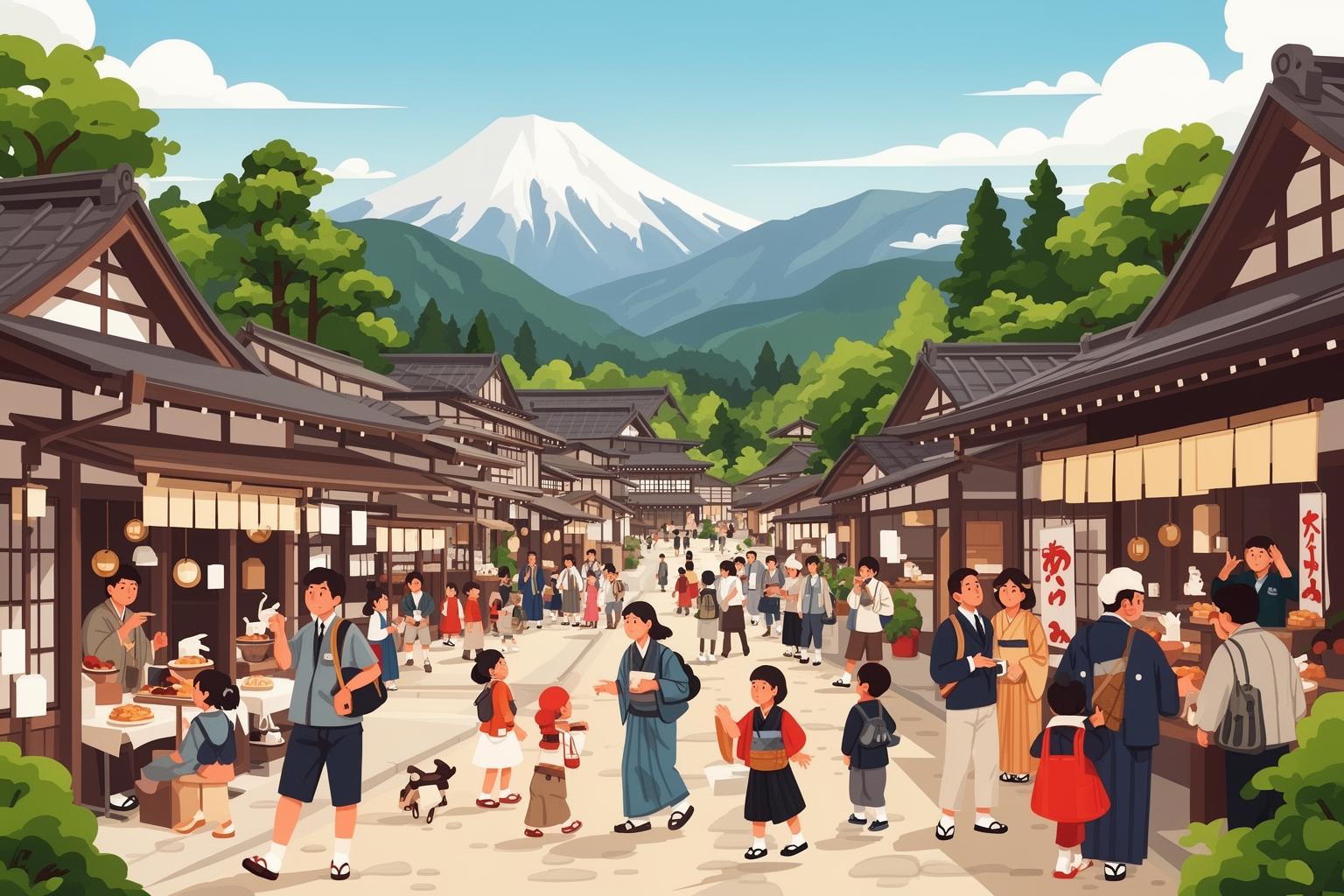
One of the deepest joys of visiting Takayama as a fan of Hyouka is the immediate, almost startling feeling of recognition. This is not just inspiration; it is a careful, loving recreation. Kyoto Animation, celebrated for its exquisitely detailed backgrounds, didn’t merely capture Takayama’s appearance—they captured its very essence. The fictional Kamiyama City mirrors Takayama in every significant detail, from the precise angle of a bridge railing to the gentle murmur of the irrigation canals alongside the streets. The moment you step off the train and begin heading toward the old town, you become more than a tourist. You become an active participant in the world of the series. The crisp mountain air seems to be the same air Hotaro Oreki breathes on his energy-saving walks home from school. The dark, latticed façades of the Sanmachi Suji district feel like the very walls that silently witnessed the Classics Club’s conversations. This immersive quality forms the core of the Takayama pilgrimage. It transforms a simple sightseeing trip into a multi-layered experience, where every corner turned hints at a potential scene, and every landmark carries a dual significance: one anchored in centuries of Japanese history, and another rooted in the quiet, character-driven narrative of four high school students. It’s a powerful sensation—the feeling that you are walking through a memory, even if it’s one experienced only through a screen. The town itself seems to encourage this reflective pace. There are no jarring modern skyscrapers here, no overwhelming throngs like those found in Tokyo or Kyoto. Instead, Takayama operates on a human scale, inviting you to slow down and notice small details: the way light filters through the paper screens of a tea house, the intricate wooden carvings beneath the eaves of a merchant’s home, the vivid red of the Nakabashi Bridge against the lush green hills surrounding it. This is the essence of Kamiyama, a city where the ordinary is beautiful and where small mysteries are worth uncovering.
The Classics Club’s Most Iconic Haunts
Embarking on a Hyouka pilgrimage involves seeking out the key locations where the story’s most memorable scenes took place. These sites are the landmarks of the series—the spots where Eru Chitanda first exclaimed, “Watashi, kininarimasu!” (“I’m curious!”), and where Hotaro’s quiet world was forever altered. Luckily, these places are not merely cinematic backdrops; they are the vibrant, living heart of Takayama, each with its own unique story.
Miyagawa Morning Market & Yayoi Bridge
Your day in Takayama should begin where the town’s heartbeat starts each morning: the Miyagawa Morning Market. Stretching along the east bank of the river, this lively open-air market is a feast for the senses and a recurring location in the anime. You’ll immediately recognize the low white stalls, cheerful awnings, and the warm smiles of local vendors, many elderly women from nearby farms selling fresh produce. The air carries the earthy scent of vegetables, the sweet aroma of grilling mochi, and the lively chatter of shoppers. Here you can truly experience the living culture of the Hida region. As you wander, you’ll encounter scenes straight from the show, like the stone steps leading down to the water’s edge. More importantly, you’ll soak in the atmosphere that grounds the series in reality. This isn’t a set; it’s a community. Just a short walk away is the iconic Yayoi Bridge, a simple yet elegant green bridge crossed repeatedly by the characters. Standing at its center, you can look down the river and see the very same view they did—the gentle current flowing over smooth stones, traditional buildings lining the banks. It’s an ideal place for quiet reflection, to feel the connection between the fictional world and the tangible one beneath your feet. It’s easy to imagine Hotaro and Satoshi leaning against the railing here, chatting about their latest club activities as the town slowly awakens. Grab a piece of freshly grilled mitarashi dango from a market stall and savor it on the bridge; it’s a simple, perfect Takayama experience.
The Old Town Sanmachi Suji
From the river, it’s just a short walk into the historic core of Takayama, the Sanmachi Suji district. This impeccably preserved area of three main streets embodies the image most associate with old Japan. As you step onto narrow lanes lined by dark-stained wooden buildings with distinctive latticework, you enter the anime’s most frequently featured establishing shots. The low eaves, paper lanterns, and absence of overhead power lines create an uninterrupted illusion of the Edo period. This district has long been the town’s commercial center and still functions as one today. Many buildings remain family-run businesses passed down through generations. You’ll spot several sake breweries, easily identified by the large spherical bundles of cedar leaves called sugidama hanging over their entrances. A fresh green sugidama signals that a new batch of sake has been pressed and is ready for tasting. Visiting one of these breweries is a must; their cool, dim interiors smell of fermenting rice and aged wood, and many offer free samples of their distinct, crisp local sake. The district also hosts shops selling miso, traditional candies, and intricate local crafts like the iconic sarubobo dolls. The atmosphere exudes quiet dignity and craftsmanship. Though a main tourist destination, it rarely feels rushed. The narrow streets encourage a leisurely pace, inviting you to peer into shop windows and admire architectural details. It is along these very streets that Eru Chitanda chases Hotaro, her curiosity drawing him toward yet another mystery, the historic backdrop serving as a fitting visual metaphor for the deep-rooted secrets they often uncover.
Hida High School – The Real Kamiyama High
For true pilgrims, the ultimate destination is Kamiyama High School, the main setting of the series. The real-world counterpart is Hida High School, a pleasant walk south of the old town. As you near the building, it’s strikingly familiar. The architecture, the layout of the grounds, even the windows of the Geography Prep Room where the Classics Club met—it’s all there, rendered with remarkable accuracy. However, this is the moment to observe respectful pilgrimage etiquette. Hida High School is a fully operational school, not a tourist site, and students and staff are engaged in their daily routines. Visitors are strictly prohibited from entering the school grounds. This rule must be fully respected. The beauty of visiting here lies not in entering but in appreciating the school from outside, along the public roads that border it. You can view the main gate, the schoolyard, and the façade where many pivotal scenes were filmed. Seeing it in person offers a unique and wonderful sense of completion, grounding the world of Hyouka in reality. The best approach is to walk around the perimeter, identifying the angles shown in the series and absorbing the quiet, studious atmosphere radiating from within. It’s a reminder that the stories we cherish come from real places filled with real people, and our appreciation should always be shown with respect.
Hie Shrine – The Stage of a Living Doll Festival
Situated in a serene forest on the southern edge of the city is Hie Shrine, a site of great spiritual and cultural significance to Takayama. In Hyouka, this shrine serves as the dramatic setting for the final act of the “Living Doll Festival” mystery during the Hina Matsuri. Known in the anime as Arekusu Shrine, the real Hie Shrine is even more breathtaking than its animated version. The entrance is marked by a towering torii gate that leads to a long, stone-paved path flanked by ancient moss-covered stone lanterns and towering cedar trees. The air here feels different—cooler, quieter, scented with pine and damp earth. As you walk deeper into the woods, city noises fade away, replaced by birdcalls and the rustling of leaves. The main shrine building is a beautiful example of Shinto architecture—elegant, understated, and perfectly harmonized with its natural surroundings. For fans, standing where the festival procession unfolded is a powerful experience. You can almost envision the elaborate costumes, the silent march, and the tension of the mystery as it unravels. Beyond its anime significance, Hie Shrine hosts the magnificent Takayama Spring Festival, one of Japan’s three most beautiful festivals. Visiting the shrine deepens your appreciation for the traditions at the community’s heart—the very traditions that Eru Chitanda deeply values.
Beyond the Anime: Savoring Takayama’s Deeper Flavor
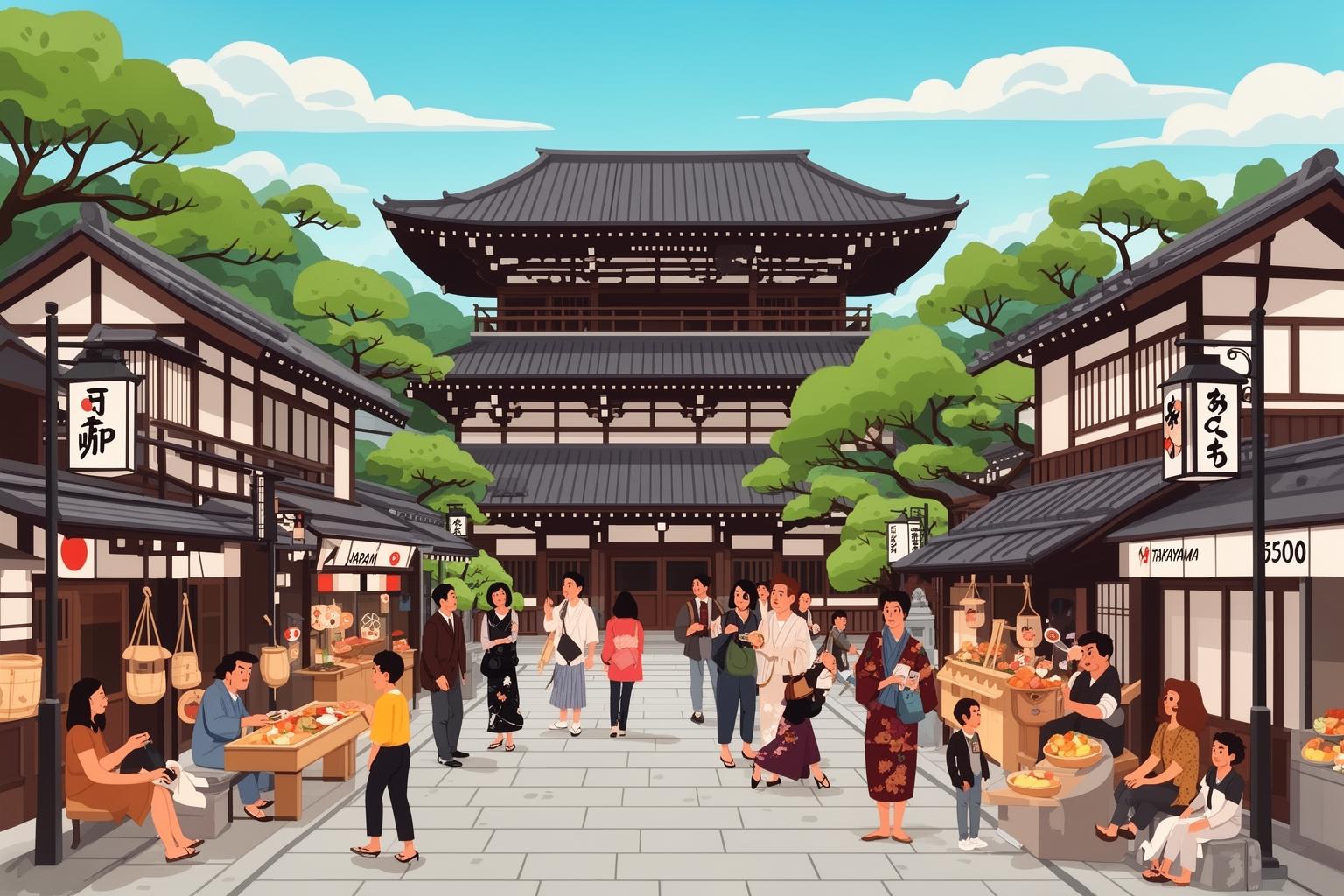
While the Hyouka pilgrimage offers a wonderful perspective on Takayama, the city itself presents a rich array of experiences that stand strong on their own. To genuinely appreciate what makes this place unique, you must engage all your senses, immersing yourself in its celebrated cuisine, distinctive history, and remarkable craftsmanship. This is where you connect with the heart of the Hida region, the same cultural source that breathes life into the anime’s richly detailed world.
A Taste of Hida
Takayama is a food lover’s paradise, best known for its Hida beef. This variety of wagyu rivals even the renowned Kobe beef, prized for its exquisite marbling, tenderness, and robust flavor. But you don’t need to sit down for an upscale steak dinner to savor it. Throughout the old town, vendors offer Hida beef in more approachable forms. A favorite is Hida beef nigiri sushi, featuring a lightly seared slice of beef atop a small mound of rice on a crisp senbei cracker. Another popular snack is the Hida beef skewer, grilled to perfection right before you. Yet the local cuisine extends well beyond beef. Don’t miss mitarashi dango, a local twist on skewered rice dumplings. Unlike the sweeter versions found elsewhere in Japan, Takayama’s dango is brushed with savory soy sauce and grilled over charcoal, lending it a smoky, irresistible taste. Another specialty is Gohei mochi, a flattened rice cake coated with a sweet and savory mixture of miso, walnuts, and sesame, then grilled on a stick. It’s a hearty, flavorful snack ideal for energizing your adventures. And naturally, a visit wouldn’t be complete without tasting the local sake. Thanks to the pure mountain water and premium rice, the sake here is typically crisp, dry, and clean, perfectly complementing the region’s cuisine.
The Takayama Jinya: A Glimpse into Edo Power
For a captivating insight into the area’s history, a visit to the Takayama Jinya is a must. This isn’t a castle or temple, but a former government office from the Edo period. It served as the administrative center for the Tokugawa Shogunate, overseeing the valuable timber resources of Hida province. What makes Takayama Jinya truly unique is that it is the only one of its kind still standing in its original form anywhere in Japan. Passing through its grand gate feels like stepping directly into the 18th century. You can explore a maze of beautifully preserved tatami rooms, including offices, meeting rooms, living quarters, and even an interrogation chamber. The scale of the complex is impressive, yet it’s the details that mesmerize: elegant painted screens, architectural features designed for security and prestige, and a vast rice tax storehouse illustrating the wealth and power that once flowed through this outpost. Visiting here provides vital context for Takayama’s prosperity and exceptional preservation. It deepens your understanding of the historical forces that shaped the very streets and buildings the Classics Club strolls through, adding a meaningful historical dimension to your pilgrimage.
Festival Floats and Master Craftsmanship
Takayama is nationally renowned for its biannual festival, held each spring and autumn, featuring enormous, intricately adorned floats called yatai. These are far more than mere parade floats; they are mobile masterpieces showcasing the legendary skill of Hida’s carpenters and artisans. The craftsmanship is awe-inspiring, with elaborate wood carvings, intricate metalwork, and exquisite lacquer finishes. Even if your visit doesn’t align with a festival, you can still admire these floats at the Takayama Festival Floats Exhibition Hall (Yatai Kaikan). Several actual floats from the autumn festival are displayed in a spacious, high-ceilinged hall. Standing before these towering structures, some centuries old, gives you a deep appreciation for the community’s dedication to tradition. The artistry on display is a direct reflection of the town’s identity. The Hida region has long been famous for its master carpenters, whose skill was so esteemed they were sent to build temples and palaces in the imperial capitals of Nara and Kyoto. This legacy of painstaking craftsmanship is evident throughout Takayama, from the festival floats to the latticework of old houses. It exemplifies a culture that cherishes beauty, precision, and patient mastery—themes that resonate deeply within Hyouka’s thoughtful narrative.
A Traveler’s Compendium: Practical Mysteries Solved
Exploring a new destination, especially one nestled in the mountains, can feel like a small mystery. However, with some planning, your trip to Takayama can be as smooth and enjoyable as a leisurely walk along the Miyagawa River. Here is some essential information to help you save energy for the more important task of soaking in the atmosphere.
Planning Your Route to the Japanese Alps
Takayama’s beautiful seclusion is part of its appeal, but it also means that reaching it is part of the adventure. The most scenic and popular way to get there is by train. The JR Limited Express Hida Wide View is your best choice. This train runs between Nagoya in the south and Toyama in the north. The journey from Nagoya is especially breathtaking, as the train winds through deep river valleys and lush mountains. The “Wide View” name is fitting; the train features large panoramic windows that give you an excellent view of the dramatic scenery. The ride itself is a memorable part of the experience. Alternatively, highway buses connect Takayama with major cities like Tokyo, Kyoto, and Matsumoto. These are often a more budget-friendly option, though the journey takes longer. Once you arrive, you’ll find Takayama very walkable. The train station, old town, and most major sights are within comfortable walking distance of each other, making it easy to explore at your own pace.
The Best Time to Start Your Journey
Takayama is a city for all seasons, each offering its own distinct and beautiful experience. The timing of your visit will greatly influence the character of your trip. Spring is perhaps the most famous season, thanks to the Takayama Spring Festival in mid-April. This is when the town bursts to life with festival floats, processions, and cherry blossoms. It’s an incredible sight, but be ready for large crowds and make sure to book accommodations well in advance. Summer brings lush greenery to the mountains and warm, pleasant weather perfect for walking. It’s a vibrant time to visit, although it can be humid. Autumn is a favorite for many. The Takayama Autumn Festival takes place in early October, and the surrounding mountains burst into a stunning display of fall colors. The air is crisp and clear—ideal for sightseeing. Winter turns Takayama into a serene, snow-covered wonderland. The old town, cloaked in white, is exceptionally picturesque and peaceful. It’s a magical time to visit if you don’t mind the cold, offering a tranquil atmosphere that feels far removed from the rush of modern life. Fans of Hyouka may find the stark winter beauty especially reminiscent of some of the show’s more reflective scenes.
Finding the Right Place to Stay
Takayama offers a wide variety of accommodations to suit different preferences and budgets. For a truly immersive experience, consider staying at a traditional Japanese inn, or ryokan. Many are located in the old town, in historic buildings where you can sleep on futons laid on tatami mats, enjoy elaborate multi-course kaiseki dinners, and relax in Japanese-style baths. This is a wonderful way to experience traditional Japanese hospitality. For those on a tighter budget or who prefer Western-style amenities, there are numerous modern hotels, especially near the train station. You’ll also find charming guesthouses and hostels that provide a more social and affordable stay. Staying near the old town or the station is generally the most convenient, as it keeps the main attractions within easy reach. Waking up early and taking a quiet stroll through the empty streets of Sanmachi Suji before the crowds arrive is a special experience that a well-located accommodation can offer.
The Pilgrim’s Etiquette: A Guide to Respectful Exploration
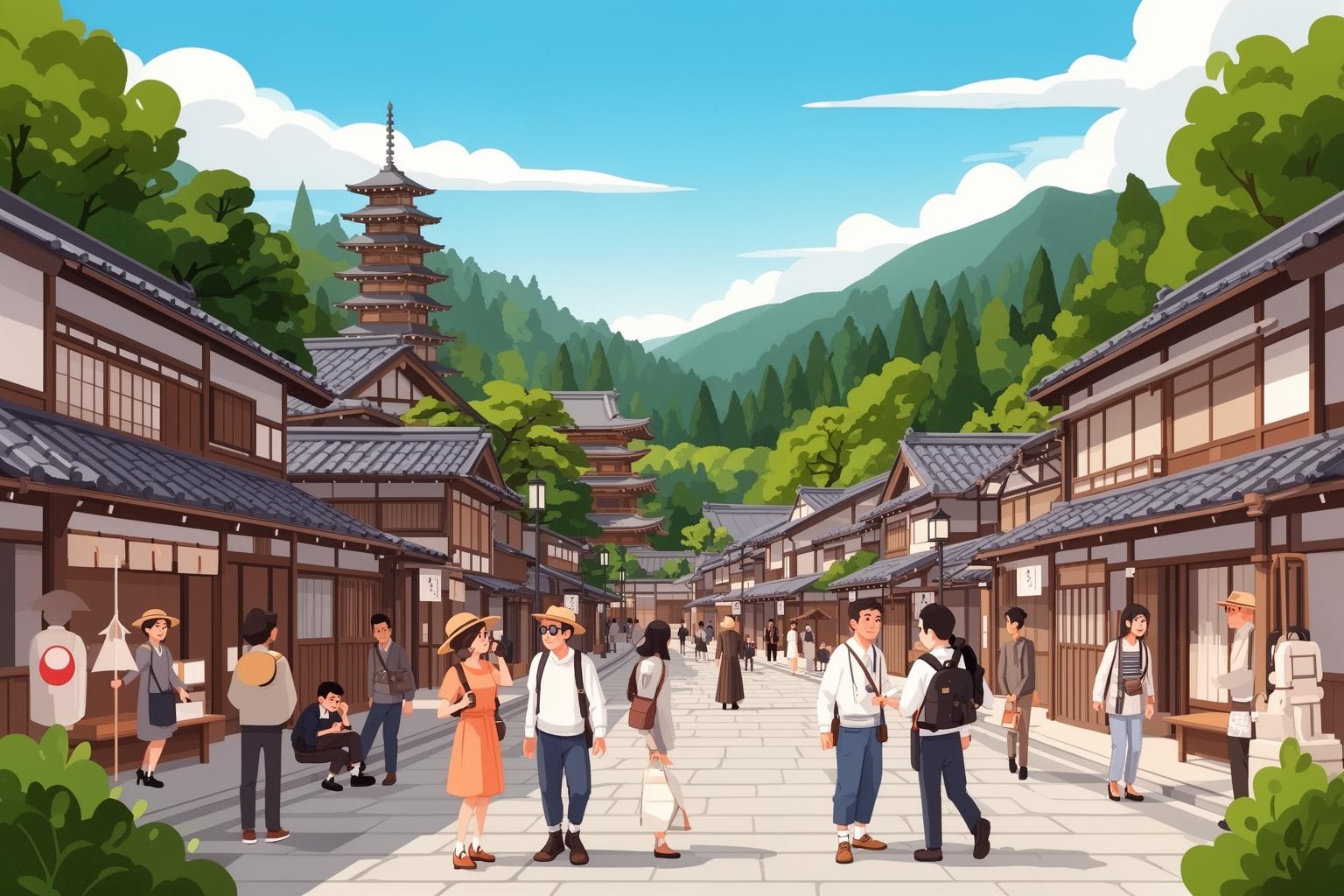
Part of what makes Takayama magical is that it remains a real, vibrant town rather than a theme park. The old merchant houses are people’s homes, the shrines are active places of worship, and the high school is a functioning center of learning. As visitors and pilgrims, it is our duty to explore with respect and mindfulness. Following a few simple guidelines can help make your visit enjoyable for both you and the local community. First and foremost, be respectful of private property. This is especially important at Hida High School but applies throughout the town. Avoid trespassing, peering into private homes, or taking photos of residents without their consent. When visiting shrines and temples, conduct yourself with decorum. Stay on designated paths, speak softly, and follow any posted rules. Inside shops and restaurants, be courteous and patient. Many are small, family-run businesses, and a little politeness goes a long way. One of the best ways to show your appreciation is by supporting the local economy. Purchase a souvenir from a craft shop, enjoy a meal at a local restaurant, or grab snacks at the morning market. Your support helps ensure this beautiful town can preserve its traditions for generations to come. Lastly, embrace the town’s unhurried pace. Takayama invites you to slow down. Hurrying from one photo spot to another means missing the subtle details that make it unique. Walk leisurely, listen to the town’s sounds, and allow yourself to simply be present. By being a respectful and mindful visitor, you contribute positively to the town’s story.
The Unspoken Resolution: Why Takayama Stays With You
Long after you’ve boarded the Hida Wide View and watched the Japanese Alps fade into the distance, Takayama will stay with you. It’s a place that seeps into your memory, not through grand or loud gestures, but through a series of quiet, beautiful moments. It’s the taste of savory dango by the river, the sight of morning mist clinging to the cedar trees around Hie Shrine, the touch of cool, aged wood beneath your fingertips in a sake brewery. For a fan of Hyouka, the experience is even more meaningful. You arrive searching for the world of an anime you love, and you find it—captured in stunning and perfect detail. But you depart with something greater. You leave with an understanding of the place that shaped the story. You see why a narrative about discovering the extraordinary in the ordinary could only be set in a place like this. Takayama teaches the importance of conservation—not just of energy, as Hotaro would insist, but of history, craft, and a slower, more deliberate way of living. The greatest mystery you solve here isn’t a fictional puzzle from the Classics Club but the enigma of how a place can feel so perfectly preserved yet so vibrantly alive. You leave with your own curiosity fulfilled, but also with a new one ignited: the desire to seek out other places of quiet beauty and to always search for the stories hidden just beneath the surface of everyday life.