Tokyo is a city of a thousand faces, a sprawling metropolis that hums with a relentless, futuristic energy. Yet, for countless readers around the globe, there exists another Tokyo, a parallel city mapped not by transit lines but by the quiet melancholy, surreal occurrences, and existential wanderings of Haruki Murakami’s characters. This is a Tokyo where cats talk, where parallel worlds are just an emergency staircase away, and where the search for a lost lover, a forgotten memory, or oneself can lead you down labyrinthine alleyways both real and metaphorical. To walk through Tokyo with Murakami as your guide is to peel back the layers of the ordinary to find the extraordinary lurking just beneath the surface. It’s an exercise in observation, a pilgrimage for the soul that seeks the strange beauty in the mundane. You’re not just visiting locations from a book; you’re stepping into a state of mind, a dreamscape woven into the very fabric of the city. This journey is about finding the music between the notes, the silence in the cacophony, and perhaps, a piece of your own story reflected in the neon-lit puddles of a Shinjuku night. Prepare to get lost, not just in the city, but in the narrative it whispers to those who are willing to listen.
Embarking on this immersive exploration of Tokyo’s layered allure, you may also experience a complementary journey into the timeless secrets captured within Uji harmonies along the river.
The Overture: Shinjuku’s Labyrinth of Loneliness and Longing
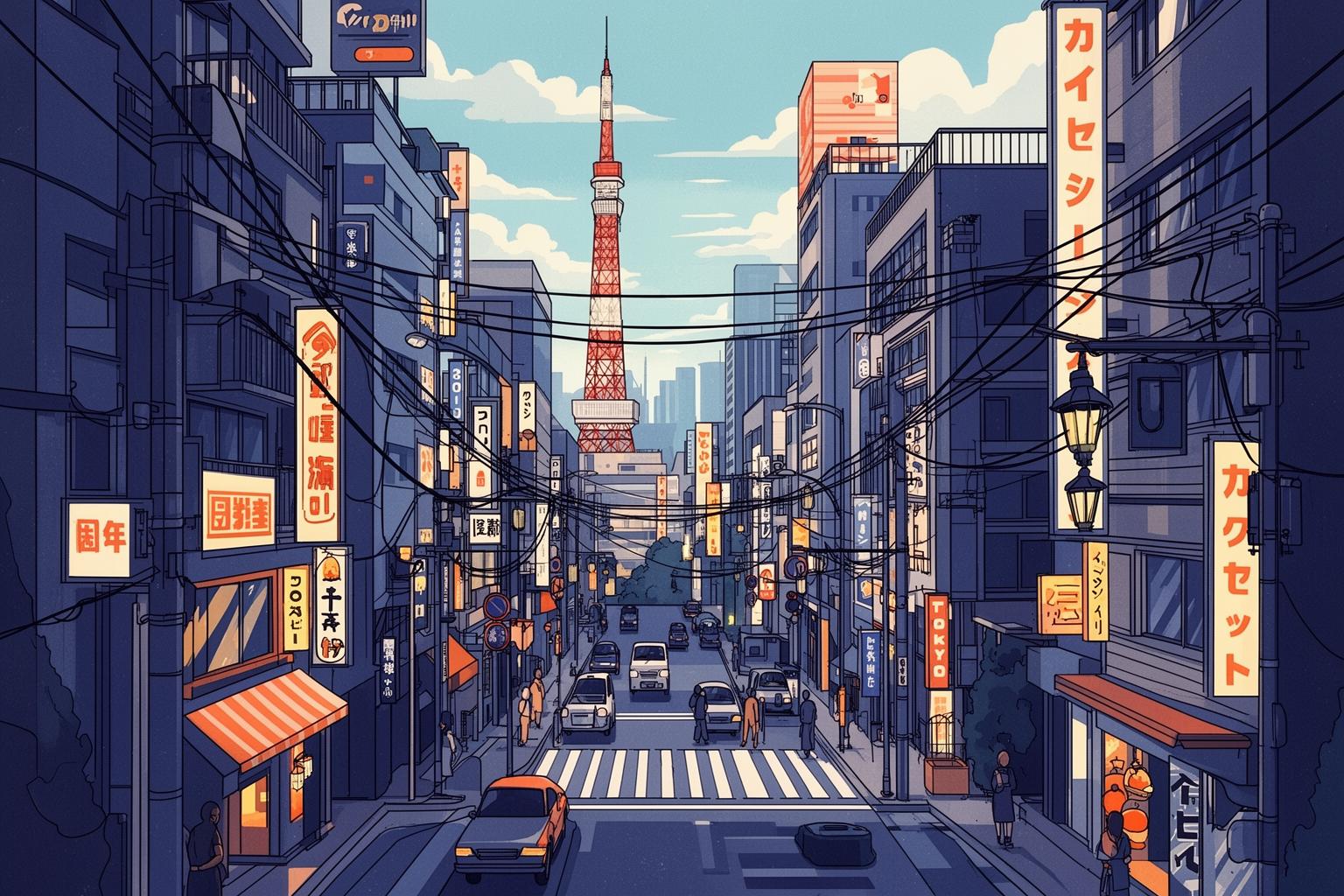
Our pilgrimage begins, as many of Murakami’s stories do, in Shinjuku. This is not merely a district; it is a living, breathing entity, its arteries clogged with millions of commuters, its neon signs flickering like a billion sleepless eyes. Shinjuku Station itself serves as the perfect metaphor for the Murakami protagonist’s state of mind: a vast, confusing maze where it’s easy to lose your way, where countless parallel lives pass by without ever truly connecting. The sheer scale is dizzying—a symphony of announcements, footsteps, and the distant rumble of trains echoes like the city’s own heartbeat. Here, one can feel the heavy weight of urban anonymity pressing down on so many of his characters, the sensation of being utterly alone amidst a sea of people. This is the setting for introspection, for the quiet decision to change one’s life or to simply let the city’s currents carry you away.
Echoes of ‘Norwegian Wood’
To truly sense the ghost of ‘Norwegian Wood,’ one must stray from the station’s main thoroughfares and into the veins of Shinjuku’s nightlife. This is where the novel’s atmosphere of youthful angst, intense encounters, and deep loss still lingers. Explore the narrow alleys of Omoide Yokocho, affectionately known as “Piss Alley,” where smoke from yakitori grills billows from tiny stalls and salarymen drink side by side. It feels like a place frozen in time, a post-war relic that resists gentrification. Here, you can easily picture Toru Watanabe nursing a beer, lost in thought. Even more evocative is the legendary Golden Gai, a haphazard cluster of tiny themed bars stacked nearly on top of each other. Each doorway is a portal to another world, some accommodating only a handful of patrons. It is within these intimate, dimly lit spaces that the deep, often painful conversations of Murakami’s world unfold. Though the specific bar from the novel is fictional, the feeling is genuine. You must seek out Dug Jazz Cafe, a real basement bar near Shinjuku Station that Murakami himself frequented. Descending the steps is like stepping into a time capsule. The air is thick with the scent of aged wood, whiskey, and decades of accumulated jazz. The patrons are reverent, the music takes center stage, and you can almost hear the vinyl record’s scratch that Naoko loved, a sound echoing with both beauty and sorrow.
Through the Looking Glass of ‘1Q84’
Shinjuku also serves as a gateway to the surreal, most notably in ‘1Q84.’ While the exact expressway emergency staircase Aomame descends is fictional, its inspiration lies in the tangled web of elevated highways around Sangen-jaya, just a short train ride away. To stand beneath one of these concrete giants is to feel the novel’s central concept come alive: the notion that the world we know is fragile, and that a different reality, one with two moons in the sky, could be just one unconventional choice away. The area itself, apart from the highway, is a charming neighborhood of small shops and restaurants, its everyday normalcy providing the perfect contrast to the strange journey Aomame undertakes. Walking these streets, you begin to see the world differently. You notice odd details, strange juxtapositions, the sense that something is just a little off-kilter. This is the heart of the Murakami experience—perceiving the cracks in reality. It invites you to search for your own emergency staircases, those moments in life that offer a path into the unknown. The story is not about finding a specific place on a map, but about embracing the possibility that the world is far stranger and more mysterious than it seems.
Interlude in Green: Parks as Sanctuaries and Passageways
After the sensory overload of Shinjuku, the soul longs for a caesura, a quiet space for reflection. In Murakami’s world, Tokyo’s expansive parks fulfill this role. They are not just patches of green but vast outdoor rooms where characters stroll for hours, processing grief, reflecting on love, and grappling with their own identities. These are liminal spaces, situated between the chaos of the city and the wilderness of the subconscious. They provide the room for the protagonist’s internal monologue to breathe, where the relentless forward momentum of the plot halts for a moment of profound stillness.
Yoyogi Park and the Weight of Memory
Yoyogi Park, next to the Meiji Shrine, serves as a central stage in ‘Norwegian Wood.’ It is here that Toru and Naoko take their long, aimless Sunday walks, their conversations revolving around the void left by their friend’s death. The park still retains that contemplative energy today. On a weekday morning, you can walk long stretches beneath the canopy of ginkgo and zelkova trees and feel a deep sense of solitude. The distant city sounds are muffled, replaced by the crunch of leaves underfoot and the cawing of crows. On Sundays, you might see groups of rockabilly dancers—a vibrant burst of life that feels like a classic Murakami juxtaposition, a moment of bizarre, joyful expression against a backdrop of quiet introspection. Find a bench, watch the world go by, and sense both the weight of memory and the lightness of the present moment. The park acts as a sanctuary, a place to unknot the mind’s tangled thoughts, just as the characters do. It is a physical embodiment of the mental space required to confront the past.
Inokashira Park: A Scene of Quiet Revelation
A little farther out, in the hip, laid-back neighborhood of Kichijoji, lies Inokashira Park. Featured in several of Murakami’s works, including the short story ‘The Second Bakery Attack,’ this park exudes a slightly more whimsical, storybook charm. With its large central pond dotted with swan boats, a small zoo, and the enchanting Ghibli Museum on its edge, the entire area feels infused with magic and possibility. The atmosphere here leans less towards heavy melancholy and more towards quiet revelation. It is the kind of place where a character might have a chance encounter that alters their path or notice something—a rare bird, a forgotten statue—that ignites a sudden, crucial insight. Walking around the pond, especially in the late afternoon when the sun filters through the trees and sparkles on the water, is a deeply soothing experience. Kichijoji itself, with its bohemian vibe, cozy cafés, and vintage shops, feels like a place Murakami’s characters would naturally gravitate toward. It is a haven for creatives, dreamers, and those who feel slightly out of sync with the mainstream, offering a community of gentle non-conformity.
The Rhythmic Heart: Jazz, Coffee, and Contemplation
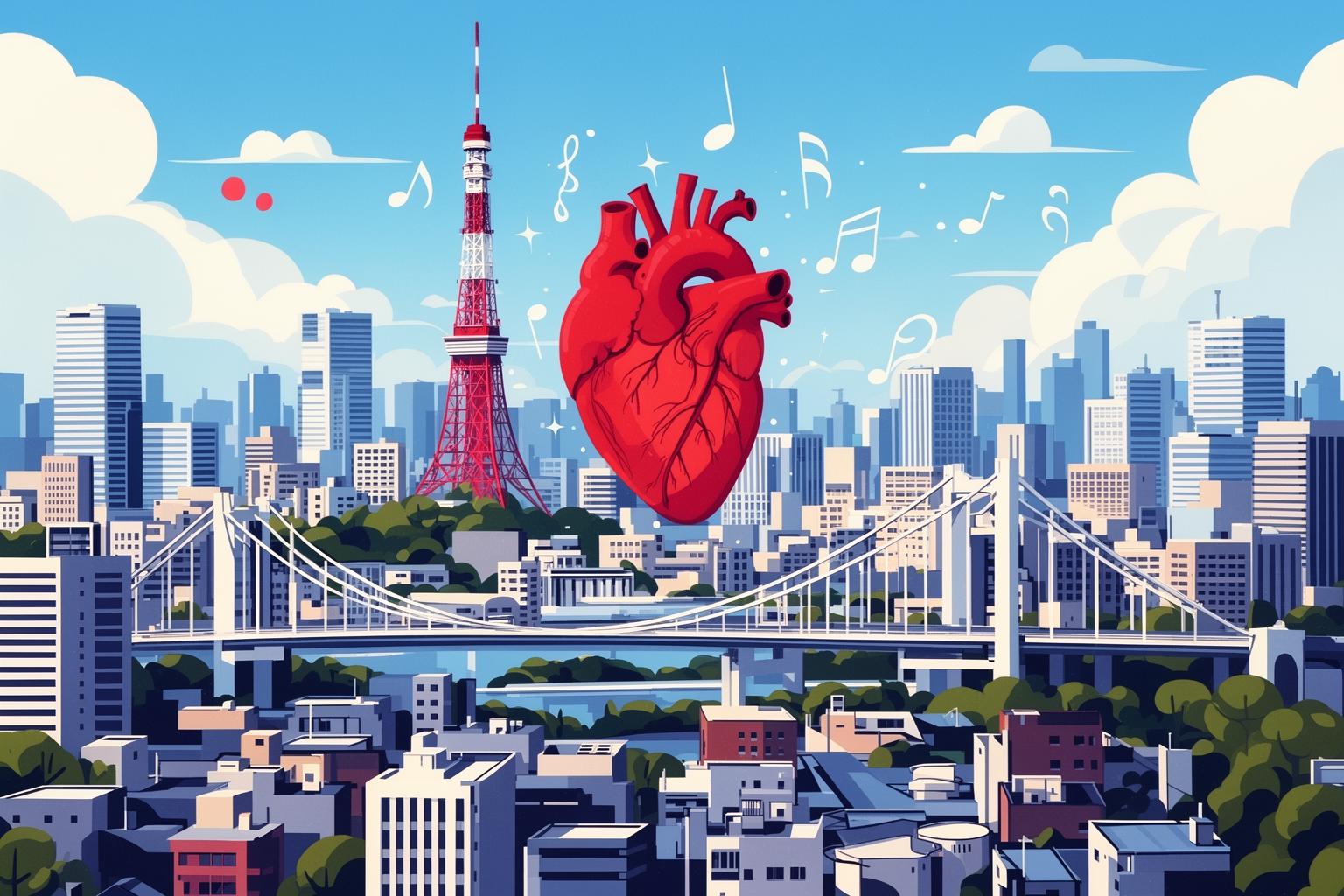
Music, especially jazz, is the lifeblood of Murakami’s novels. It serves not just as a soundtrack, but as a language to convey complex emotions, a framework shaping his narratives, and a sanctuary for his lonely characters. A journey through his Tokyo would feel incomplete without delving into the culture of jazz kissas (jazz cafes) and the quiet ritual of coffee. These secular temples are where his characters find solace, order, and a connection to something timeless and pure. It is in these spaces—accompanied by the sound of a Thelonious Monk solo or the scent of dark roast—that the outside world fades away, creating room for deep reflection and quiet observation.
Finding the Groove in Aoyama and Omotesando
Before becoming a world-renowned novelist, Haruki Murakami owned a small jazz cafe called Peter Cat, first in Kokubunji and later in Sendagaya. Though Peter Cat no longer exists, its spirit lives on in the sophisticated neighborhoods of Aoyama and Omotesando. This Tokyo is defined by sleek architecture, high fashion, and an unmistakable air of cool detachment—a setting frequently featured in his later novels like After Dark. While the original cafe is gone, you can experience its modern counterpart at the world-famous Blue Note Tokyo in Aoyama. It offers a more refined, upscale atmosphere than the smoky kissas of the past, but the deep respect for music remains unchanged. Booking a show here means participating in a living tradition that profoundly shaped Murakami’s aesthetic. For a more classic experience, seek out the smaller, hidden gems—places that don’t advertise and reveal themselves only to those who stumble upon them. Watch for subtle signs, listen for the faint sound of a saxophone from a basement. Inside, the rules are usually unspoken: order a drink, listen intently, and keep conversation quiet. It’s a meditative experience, allowing the intricate rhythms and improvisations of jazz to reflect the complexities of your own thoughts.
The Hallowed Grounds of Jinbocho’s Book Town
If jazz is the soundtrack of Murakami’s world, then books form its architecture. His protagonists are nearly always avid readers, with apartments overflowing with bookshelves. This literary fervor is embodied by the neighborhood of Jinbocho, known as Tokyo’s “Book Town,” which boasts the highest concentration of bookstores worldwide. Strolling along Yasukuni-dori, the main street, you’re flanked by shops dedicated to every imaginable subject, from rare woodblock prints to modern philosophy and pulp fiction. The air carries the scent of aging paper and ink. It’s a haven for the solitary wanderer. You can spend an entire day drifting from one shop to the next, fingers brushing the spines of forgotten volumes. This is a deeply personal and introspective experience. In Jinbocho, one can grasp the profound comfort books offer Murakami’s characters: stable worlds within an unstable reality, sources of knowledge, and companions in solitude. Explore the back alleys to uncover truly specialized shops. Sit in classic cafes like Saboru or Milonga, with their dark wood interiors and stained-glass lamps, and watch intellectuals, students, and collectors engage in their quiet pursuits. This corner of Tokyo values silence, contemplation, and the thrill of discovery—a perfect reflection of the Murakami ethos.
A Practical Guide to Your Own Murakami Narrative
Setting out on a Murakami-inspired journey through Tokyo is less about sticking to a strict schedule and more about embracing a particular mindset. It involves being open to unexpected detours, chance encounters, and the subtle poetry found in everyday moments. That said, some practical knowledge will help you navigate the physical city, allowing you to better focus on its metaphysical essence. The aim is to move through Tokyo with the ease and curiosity of a seasoned protagonist, letting the urban environment shape your story.
Navigating the Metropolis
Tokyo’s public transportation system is a marvel of efficiency and will be your primary means of travel. The JR Yamanote Line, a circular loop around the city center, will be your best ally. It links major hubs like Shinjuku, Shibuya, and Tokyo Station, providing an excellent backbone for your explorations. To reach neighborhoods such as Jinbocho or Sangen-jaya, you’ll need to delve into the complex network of the Tokyo Metro. Don’t be daunted by the map; it’s color-coded and surprisingly logical once you familiarize yourself with it. Your first task upon arrival should be obtaining a rechargeable IC card like a Suica or Pasmo. This small plastic card is your key to the city, letting you tap in and out of train gates and even pay at convenience stores and vending machines. It removes the hassle of purchasing individual tickets, allowing you to move through the system with a smooth, dreamlike flow. Consider your train rides not merely as transit but as part of the experience. The view from the Yamanote Line, with its glimpses into apartment windows and fragments of daily life, is like a moving film of urban stories. The rhythmic clatter of the train serves as the city’s percussion, the perfect soundtrack for reading a chapter or simply gazing out the window and letting your thoughts drift.
When to Embark on Your Journey
Tokyo displays a different character with each season, and your experience will be shaped by when you visit. Spring is perhaps the most quintessentially Murakami. The ephemeral beauty of cherry blossoms, or sakura, is a powerful symbol of the transience and poignant grace that permeate his work. A stroll through Inokashira Park during hanami season offers an unforgettable, almost achingly beautiful experience. Autumn follows closely, with its crisp, clear air, deep blue skies, and the golden leaves of gingko trees. There’s a gentle melancholy to the season that perfectly echoes the mood of novels like Norwegian Wood. Summer in Tokyo is hot and humid, but the nights come alive with festivals and the constant, hypnotic chirping of cicadas—a sound that forms the soundscape of many of his summer scenes. Winter feels quieter and more austere. Bare trees in the parks convey a sense of raw honesty, and the warm glow of a cozy jazz bar or bookstore cafe becomes all the more inviting. For a more solitary experience, try exploring on weekdays. Areas like Jinbocho and Yoyogi Park are much less crowded, giving you the mental space to fully absorb the atmosphere and feel as if the city—and its secrets—is yours alone.
A Traveler’s Note on Etiquette
To truly appreciate the spaces that inspired Murakami, it helps to understand the subtle etiquette that governs them. Jazz kissas and old-fashioned coffee shops are temples of quiet contemplation. People visit these places to listen, read, and reflect. Keep your voice low, avoid loud conversations, and simply savor the atmosphere. It’s not about restrictions but a shared respect for the experience. When visiting shrines or quieter residential neighborhoods, be mindful of your surroundings. This practice of quiet observation is itself a very Murakami-esque way of being. By blending in, you become less of a tourist and more of an observer—precisely the role his protagonists so often inhabit.
Coda: Finding Your Own Story in the City’s Silence
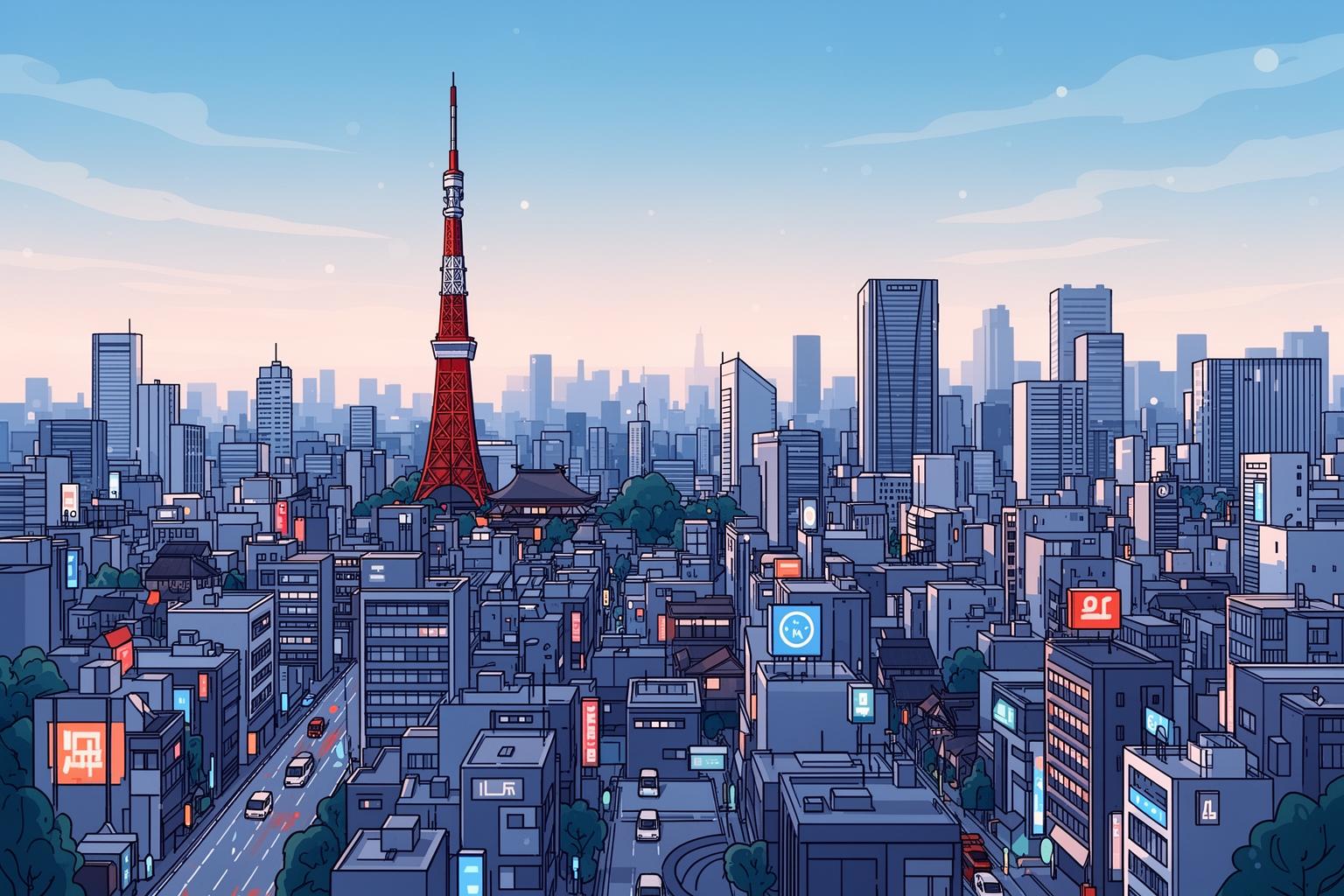
As your journey through Haruki Murakami’s Tokyo draws to a close, you may realize that you haven’t uncovered definitive answers. You haven’t pinpointed the exact well from ‘Norwegian Wood’ or met a cat from ‘Kafka on the Shore.’ And that is exactly the point. A pilgrimage through this literary landscape isn’t a quest for fictional artifacts; it’s an immersion into a feeling, a way of viewing the world. It’s about understanding how a real, tangible city—with its orderly train systems, vending machines glowing on dark streets, and quiet neighborhood parks—can also serve as a stage for the most profound and surreal journeys of the human heart. You’ve walked the same streets as Toru, Aomame, and Kafka Tamura, but more importantly, you’ve experienced the same urban solitude, witnessed the same fleeting moments of beauty, and sensed the same mysterious hum of possibility vibrating just beneath the city’s concrete surface. The Tokyo you leave is not the one you arrived in; it is now a city layered with your own memories and the echoes of the stories you cherish. The greatest souvenir you take with you is a newfound appreciation for the quiet moments, strange coincidences, and hidden narratives in your own life. You came searching for Murakami’s world, but in the end, you found the tools to begin writing your own.