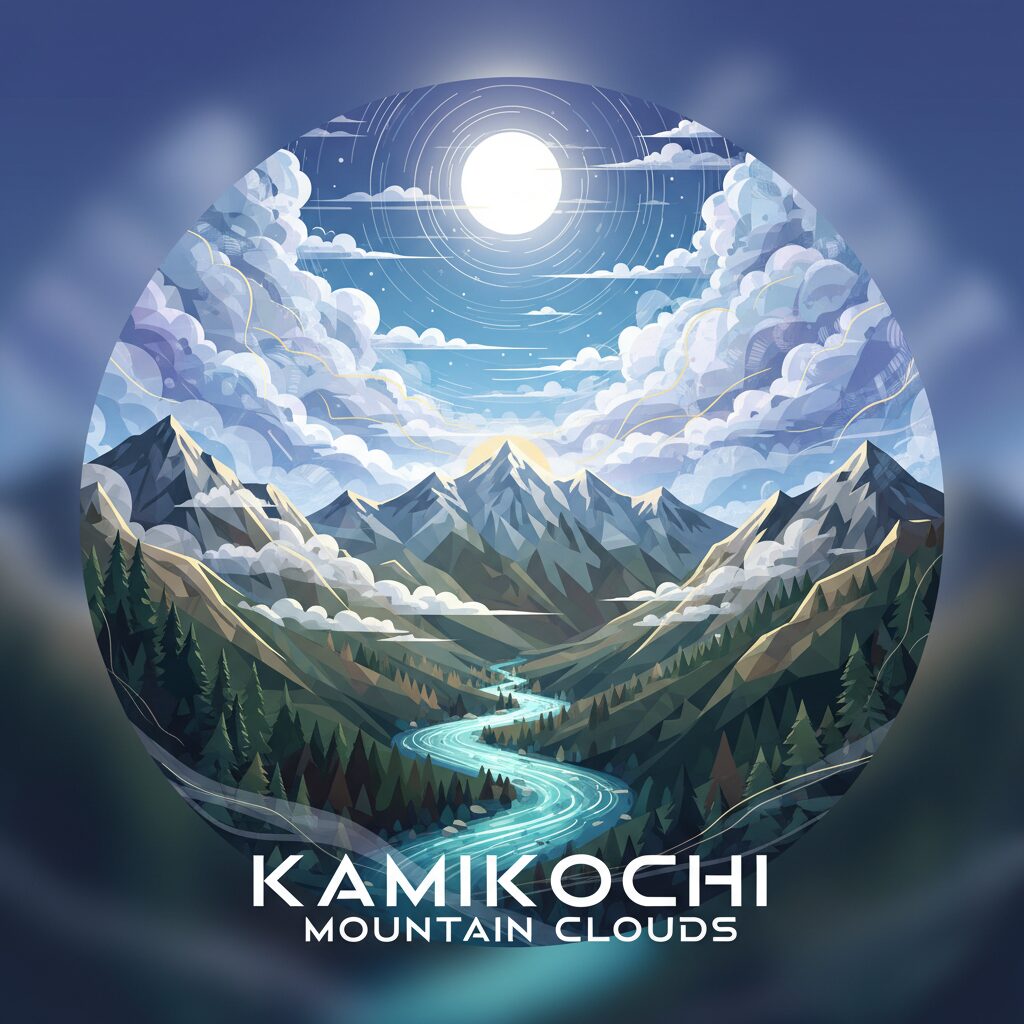
There are places in this world that blur the line between reality and fiction, landscapes so perfectly composed they feel as if they were lifted directly from an artist’s cel. They resonate with a quiet magic, a sense of narrative baked into the very rocks and rivers. Kamikochi is one such place. Tucked away in the soaring heart of Japan’s Northern Alps, this pristine river valley is a masterpiece of nature’s design—a realm of crystalline water, primeval forests, and jagged, snow-dusted peaks that pierce an endless sky. It’s a destination that has captivated mountaineers, artists, and seekers of solitude for over a century. For a new generation, however, its allure is magnified through a different lens: the thoughtful and beautifully rendered world of the anime Hyouka. It’s here, in this breathtaking sanctuary, that the series’ final, introspective arc unfolds, inviting fans not just to see a location, but to feel the very atmosphere that shaped its characters’ quiet epiphanies. This is more than a tour; it’s a pilgrimage to a place where the air is crisp with mystery and the landscape itself seems to whisper, “I’m curious.” Whether you’re following the footsteps of Houtarou Oreki or simply answering the call of the wild, Kamikochi offers a journey into a scene you thought you only knew in two dimensions, brought to life with an overwhelming, soul-stirring reality.
For those drawn to the landscape’s quiet magic, exploring a pilgrim’s journey can reveal even more layers where reality gracefully intertwines with myth.
The Whispering Scenery: Stepping into the Frames of Hyouka
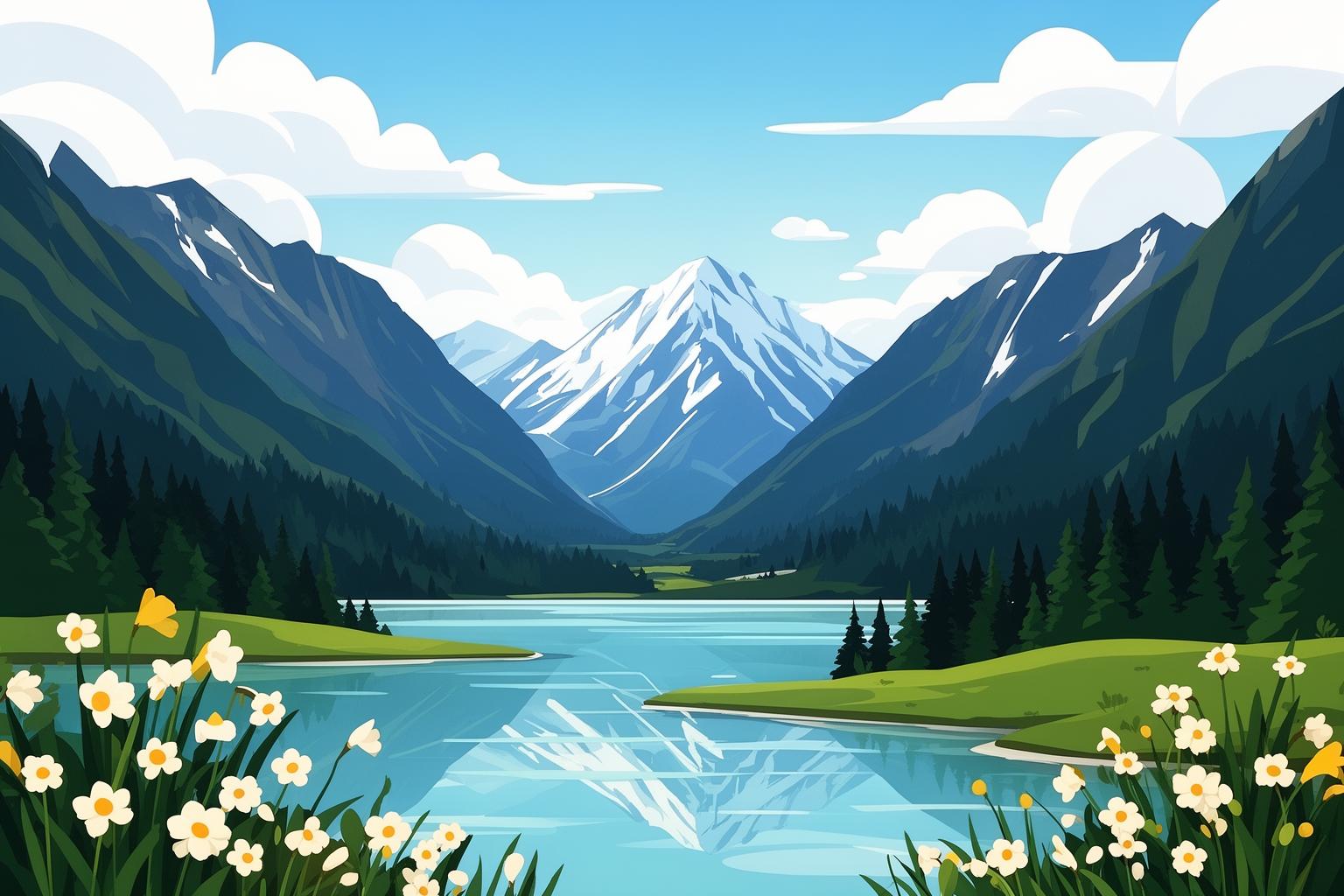
For those arriving in Kamikochi with the subtle melancholy and vivid imagery of Hyouka etched in their minds, the experience is one of continuous, joyful recognition. The valley is not just a backdrop in the anime; it stands as a character itself, its tranquil and majestic presence shaping the narrative’s emotional peak. The animators at Kyoto Animation didn’t merely reproduce the scenery; they seized its essence, conveying the crisp mountain air and the soft murmur of the Azusa River into a tangible atmosphere that resonates with every step you take through the actual valley. Walking here feels like stepping through the screen, where the fictional world and the real beauty of nature blend into one immersive experience.
The Iconic Kappa Bridge: A Stage for Quiet Revelations
At the center of Kamikochi, both geographically and emotionally, lies the Kappa Bridge. This simple wooden suspension bridge is the area’s most renowned landmark, a lively meeting point for hikers and day-trippers alike. In Hyouka, it serves as a silent stage for conversations and reflection, a place where characters pause against a truly majestic backdrop. Standing on the bridge, you are immediately captivated by the same breathtaking panorama that fills the screen. The view is absolutely commanding. Before you, the Azusa River flows with emerald and sapphire brilliance, its waters so clear they appear unreal. Framing this flawless scene is the magnificent Hotaka mountain range, its jagged peaks—including the imposing Mount Okuhotaka—often capped with snow well into early summer. The scale is vast, humbling, and deeply beautiful. The air pulses with a unique energy—a blend of excited voices from visitors and the profound, timeless silence of the mountains. It is here that you can genuinely appreciate the animators’ brilliance in using this grand setting for such intimate, personal moments. It’s the ideal spot to find a quiet bench, watch the river’s flow, and perhaps reflect on your own curiosities, just as the characters did.
The Azusa River’s Crystal Path: Following a Thoughtful Trail
The Azusa River is the lifeline of Kamikochi, and its crystalline course is a recurring motif throughout the anime’s final episodes. The water runs with astonishing clarity, a liquid gem flowing down from the snowmelt of Mount Yari and the Hotaka peaks. As you walk along the gravel paths that trace its banks, you’ll find yourself reenacting scenes from the series effortlessly. The crunch of your shoes on the path, the cool breeze coming off the water, the dappled sunlight filtering through the larch and birch trees — it’s all there. The riverbed is a mosaic of smooth, multicolored stones, visible beneath the remarkably clear water. You can spot the iwana, a native char, darting through the currents. This is the trail where the characters walked, their conversations blending with the natural sounds of the valley. Following the river’s path, whether downstream toward Taisho Pond or upstream toward Myojin, feels like a meditation. The steady, gentle rush of water provides a calming soundtrack, clearing the mind and inviting the kind of deep reflection that Hyouka so gracefully captures. It’s a walk that feels both grand and intimate, a personal journey through a landscape of monumental scale.
Beyond the Animation: The Soul of the Northern Alps
While the connection to Hyouka draws many visitors, Kamikochi’s magic is ancient and profound, existing long before it appeared in animation. Often called the “Japanese Yosemite Valley,” it was the English missionary and mountaineer Reverend Walter Weston who popularized the term “Japanese Alps” and introduced Kamikochi to international audiences in the late 19th century. However, for centuries prior, these mountains were revered as sacred. Kamikochi is truly a sanctuary—protected not only by its national park status but also by the sheer power and beauty of its natural surroundings. Visiting Kamikochi means connecting with a deep history, one defined by geological time, spiritual pilgrimage, and the enduring human fascination with wild, untamed nature.
Taisho Pond: A Mirror of Creation and Impermanence
If you come by bus, Taisho Pond is likely your first awe-inspiring view of Kamikochi’s ethereal beauty. The pond was created in 1915 when an eruption from nearby Mount Yake dammed the Azusa River. Today, it remains a scene of haunting beauty: a calm, mirror-like lake where the withered, skeletal trunks of submerged trees reach skyward. The atmosphere, especially in the early morning, feels otherworldly. A thick mist often covers the water, gradually lifting as the sun rises to reveal the volcanic cone of Mount Yake and the towering Hotaka peaks mirrored on the lake’s surface. This landscape tells a story of both sudden, violent creation and the slow, quiet passage of decay. It feels timeless—a perfect subject for photographers and painters looking to capture a moment of sublime calm. To stand on its shore is to experience profound peace and witness a living monument to the powerful, ever-changing forces of nature.
The Sacred Precinct of Myojin Pond
A leisurely one-hour walk upstream from Kappa Bridge leads to the Myojin area, which feels even more secluded and sacred than the main hub. Nestled within the Hotaka Shrine grounds lies Myojin Pond—not just one, but two ponds connected by a wooden walkway: a larger main pond and a smaller, more intimate one. A small entrance fee is required, but it is well worth it. Stepping inside feels like entering another realm. The water is impossibly still and clear, fed by underground springs, creating perfect reflections of the surrounding forest and the majestic Mount Myojindake. The silence here is profound, broken only by birdsong or the soft splash of an oar from the small, red-lacquered boats sometimes gently poled across the water during ceremonies. This is Kamikochi’s inner sanctuary, where the kami—the mountain deities—are believed to reside. The air is heavy with reverence and ancient spirit. It is a place to sit, breathe, and simply be, sensing the deep spiritual bond between the mountains and the waters that have been honored for generations.
Planning Your Expedition: The Practical Rhythm of a Kamikochi Visit

Kamikochi’s pristine environment is rigorously protected, meaning that visiting requires more planning than simply driving up to a viewpoint. This careful stewardship is exactly what maintains its untouched beauty, ensuring an experience that feels remote and special. Knowing the logistics of getting there and the rhythm of its seasons is essential for a smooth and rewarding pilgrimage. A bit of preparation goes a long way in this alpine paradise, turning what could be a confusing trip into a seamless adventure.
The Gateway to Paradise: Navigating Your Access
First and foremost, it’s important to know that private cars are not allowed to enter Kamikochi. This rule is crucial for reducing traffic, noise, and pollution within the national park. The main access to the valley is by bus or designated taxi. The primary entry points are from the east (the Matsumoto side) and the west (the Takayama side). If you’re coming from Tokyo or Nagano, you’ll likely travel to Matsumoto first. From there, take the scenic Matsumoto Dentetsu train line to Shin-Shimashima Station, where you transfer to a direct bus to Kamikochi. Alternatively, if coming from the west (Nagoya or Kanazawa), you travel to Takayama and board a Nohi Bus. For those driving partway, you must park at designated large parking lots, such as the Sawando National Park Gateway on the Matsumoto side or the Akandana Parking Area on the Takayama side, then switch to a shuttle bus for the final leg. Although it may seem complicated, the system is highly efficient and well-signposted. Consider buying a multi-day Alps WIDE Free Passport if you plan to explore the surrounding Okuhida and Norikura areas, as it can provide substantial transportation savings.
Timing is Everything: Understanding Kamikochi’s Seasons
Kamikochi is not open year-round. The park operates from mid-April to mid-November, with the road closed entirely during the harsh winter months due to heavy snowfall. Each season within this period offers a distinctly different but equally stunning experience.
Spring’s Awakening (Late April – June)
The park’s opening in mid-April is a celebrated occasion. Spring arrives late at these high altitudes, creating a striking blend of lingering snow on the peaks and vibrant fresh green leaves on birch and larch trees. The air is crisp and cool, and crowds are generally smaller than during peak summer and autumn seasons. This is a period of strong meltwater, with the Azusa River running high and fast. It’s a season of renewal and magnificent contrasts.
Summer’s Vibrant Pulse (July – August)
Summer reveals Kamikochi at its lushest and greenest. The valley bursts with deep greens, dotted with colorful alpine wildflowers. This is prime time for hiking and mountaineering, with all trails open. The weather is warm and pleasant, though afternoon mountain showers can be sudden, so preparation is key. It’s also the busiest season, especially during the school holidays in August. The atmosphere is lively and energetic, from the bustling crowds at Kappa Bridge to the chorus of cicadas in the forest.
Autumn’s Fiery Palette (September – Early November)
For many, autumn is the most breathtaking season in Kamikochi. From late September, the colors begin to change. Mountain ash and maple trees blaze into brilliant reds and oranges, but the true highlight is the Japanese larch. In mid to late October, their needles transform into a brilliant gold, covering the entire valley in a shimmering sea of color against the steely gray peaks and turquoise river. It’s a photographer’s paradise and a hugely popular time to visit. The air grows colder, signaling the approaching winter and making a warm bowl of noodles at a mountain lodge especially satisfying.
The Silent Winter (Mid-November – Mid-April)
When the road closes, Kamikochi falls into a deep silence. The valley is covered by a thick layer of snow, accessible only to the most dedicated and experienced winter mountaineers using snowshoes or cross-country skis, often as part of guided tours. It is a world of stark monochrome beauty—silent, stark, and extremely hazardous. For most visitors, it’s a time to dream of the valley’s renewal come spring.
A Deeper Immersion: Living and Breathing the Mountain Air
To fully appreciate Kamikochi, you need to do more than just see it; you must immerse yourself in it with all your senses. This involves walking its trails, sampling its local cuisine, and, if possible, spending a night beneath its stunning star-filled sky. While a day trip provides a wonderful glimpse, staying overnight offers a richer, more personal connection with the mountains’ rhythm. The valley changes once the last buses leave, bringing a deep sense of peace and solitude to those who remain.
Trails for Every Tempo: From Casual Strolls to Alpine Ascents
Kamikochi presents a variety of hiking options suited to every fitness level. The main path along the Azusa River is almost completely flat and well-maintained, making it accessible to nearly everyone. The classic day-hike route stretches from Taisho Pond to Myojin Pond via Kappa Bridge. This walk takes about three to four hours at a relaxed pace, with plenty of opportunities for photos and breaks. It showcases the most iconic scenery without any challenging climbs. For those looking for more of a challenge, Kamikochi serves as the gateway to some of Japan’s most renowned mountaineering routes. The trail beyond Myojin leads to Tokusawa and Yokoo, which serve as base camps for serious climbs to peaks like Mount Yari (the “Japanese Matterhorn”) and the Hotaka mountain range. These demanding, multi-day treks require proper gear, experience, and preparation. Yet even a short walk beyond Myojin Bridge offers a deeper sense of wilderness and fewer crowds.
A Feast for the Senses: Local Flavors and Mountain Lodges
After several hours of breathing the pure mountain air, you’ll surely build up an appetite. The area surrounding Kappa Bridge and the bus terminal features several restaurants and lodges serving hearty mountain dishes. A popular local specialty is sanzoku-yaki, a large, savory grilled chicken marinated in garlic-soy sauce, originating from the nearby Matsumoto region. You’ll also find delicious soba and udon noodles, comforting curry rice, and oyaki, steamed buns filled with various savory ingredients. For a sweet treat, the soft-serve ice cream made from fresh local milk is a must-try. For a complete experience, consider an overnight stay. Kamikochi offers a range of accommodations, from luxury hotels like the Kamikochi Imperial Hotel to simpler mountain lodges (sanso) and a campground. Waking up in the valley lets you enjoy the magical early morning hours, when mist rises and day-trippers have yet to arrive. It also allows you to witness an incredible night sky, far from city light pollution, where the Milky Way stretches above the silhouettes of the towering peaks.
Essential Wisdom for the First-Time Pilgrim
Exploring a wild and pristine place like Kamikochi for the first time can feel a bit overwhelming. A few practical tips can help make your visit comfortable, respectful, and unforgettable. The mountains come with their own set of rules, and honoring them is part of the adventure.
Dress for the Mountains, Not the City
This might be the most crucial advice. Mountain weather is notoriously unpredictable and can shift suddenly, even when the day starts with clear blue skies. Kamikochi’s temperature is always noticeably cooler than nearby cities such as Matsumoto. The secret is layering. Pack a fleece or warm mid-layer along with a waterproof and windproof jacket, no matter the forecast. Durable, comfortable walking shoes or hiking boots are a must, even if you only plan to walk the main flat trails. The paths are mostly gravel and can be uneven. Don’t forget a hat, sunglasses, and sunscreen, as the sun’s strength at this altitude can be intense.
Respect the Wilderness: Leave No Trace
Kamikochi’s stunning beauty results from ongoing collective efforts to preserve it. The principle is straightforward: leave the valley exactly as you found it, or better. Trash bins are scarce throughout the park. You are expected to carry out everything you bring in, including food wrappers and empty bottles. This is a fundamental rule in Japanese national parks. Additionally, avoid feeding the wildlife. You will likely spot Japanese macaques (snow monkeys), and while they are captivating to watch, they remain wild animals. Feeding them causes dependence on humans and may lead to aggressive behavior. Observe them from a respectful distance and keep your food secure. Lastly, stick to designated trails to protect the fragile alpine plants.
The Early Bird Enjoys the Tranquility
If your itinerary allows, take the first bus into the valley in the morning. Arriving early, before the main crowds arrive, offers a completely different experience. You can stand by Taisho Pond in near-total silence, watching the morning mist swirl over the water. You might even have Kappa Bridge nearly to yourself for a few treasured moments. The light is softer, the air crisper, and the sense of calm amplified many times over. Early arrival lets you set your own pace during the day, enjoying the most popular spots in relative solitude before the crowds begin to gather. It’s a simple strategy that pays huge dividends in a place as popular as Kamikochi.
An Echo in Your Heart
A trip to Kamikochi is one that stays with you. It’s more than just a collection of breathtaking photos or a list of places visited. It’s the sensation of icy-cold river water brushing your fingertips, the profound silence of a pre-dawn morning at Taisho Pond, and the overwhelming presence of the Hotaka peaks set against a clear blue sky. For fans of Hyouka, it’s the quiet joy of standing in a place that inspired a beloved story, discovering that the real location is even more stirring and emotionally rich than expected. You arrive with curiosity and depart with a renewed sense of clarity. Kamikochi refreshes the spirit, its raw, majestic beauty offering a powerful reminder of the world’s subtle wonders. The valley leaves a lasting impression on your heart, a call to return, and the lingering, delightful mystery of a place that feels both tangibly real and beautifully alive.