
There’s a certain kind of magic that lingers long after the credits roll. A story that sinks into your soul, its colors and emotions painting your own world with a new layer of meaning. For millions around the globe, Makoto Shinkai’s masterpiece, Your Name (Kimi no Na wa), was that story. It wasn’t just an animated film; it was a heart-stopping, breathtaking exploration of connection, distance, memory, and the invisible threads of fate, or musubi, that bind us together. The film’s emotional core is so powerful, its visuals so stunningly realistic, that the world it depicts feels like a place you could almost step into. And in Tokyo, you can. The city that Taki Tachibana called home is not a fictional metropolis but a living, breathing map of his world, rendered with such painstaking detail that you can walk the same streets, stand on the same corners, and feel the pulse of the story beneath your feet. This is the heart of seichi junrei, or anime pilgrimage, a journey where fiction and reality beautifully intertwine. It’s more than just sightseeing; it’s a quest to find the tangible echoes of an intangible feeling, to stand in a real place and remember a fictional moment that felt just as true. This guide is your invitation to that journey, to follow the path of a comet and rediscover the story of Taki and Mitsuha, not on a screen, but in the vibrant, sprawling, and utterly magical city of Tokyo.
映画に込められた魔法を肌で感じたい方は、東京での巡礼の記事でさらなる足跡を辿ってみるのも一興です.
The Heart of Shinjuku: Where Taki’s World Unfolds

Tokyo is a city of countless hubs, each a universe in its own right, but for Taki Tachibana, that universe was Shinjuku. It serves as the backdrop to his fast-paced urban life, a dazzling maze of steel, glass, and light that starkly contrasts with Mitsuha’s peaceful, rural world in Itomori. To understand Taki is to grasp the rhythm of this place—its relentless forward drive, immense scale, and hidden pockets of humanity. A pilgrimage into the world of Your Name rightly begins here, amid the electric buzz of the world’s busiest urban core.
The Ever-Present Skyline: The NTT Docomo Yoyogi Building
Even before setting foot in Shinjuku, you notice it. From many angles in the film, one building quietly dominates the skyline, a silent observer of Taki’s daily life. The NTT Docomo Yoyogi Building, with its distinctive clock tower and New York-inspired design, isn’t a site you can enter, but its presence is a vital anchor for the film’s visual identity. It is the first and most constant signal that you’ve arrived in Taki’s Tokyo. You’ll glimpse it from train windows, observation decks of other skyscrapers, and between high-rises as you walk. The most cinematic views often come from Shinjuku Gyoen National Garden or the bridges west of Shinjuku Station. Seeing it in person for the first time is a unique and wonderful experience. It’s so perfectly depicted in the film that reality feels like the imitation. The building stands there, impassive and grand, a real landmark imbued with fictional nostalgia—a constant reminder of the grand stage for our story.
Navigating the Concrete Jungle: Shinjuku Station and Its Orbit
To truly immerse yourself in Taki’s world, you must brave Shinjuku Station. It’s less a station and more a self-contained city, a multi-layered giant that channels millions of people through its veins daily. The film captures its chaotic energy flawlessly—the rivers of commuters, the bright advertisements on massive screens, the symphony of announcements and train jingles. Emerging from any of its dozens of exits into daylight is an experience on its own. You are immediately swept up in its current.
This environment shaped Taki. Here, you can imagine him rushing to school, weaving through crowds with the practiced ease of a local. The area around the South Exit, with its spacious plaza and views of the Takashimaya Times Square complex, feels especially familiar. It’s a place for meeting, waiting, and starting journeys. Don’t hesitate to get a little lost; it’s part of the true Shinjuku experience. Let the energy guide you. Find a bench, watch the flow of people, and just listen. Amid the city’s hum, you can almost hear the film’s beautiful soundtrack playing softly in your mind—the score to Taki’s everyday life.
Taki’s Part-Time Passion: The Real ‘Il Giardino delle Parole’
One of the most charming and tangible stops for any pilgrim is the restaurant where Taki works part-time as a waiter. The elegant Italian eatery, with its high ceilings, warm lighting, and refined ambiance, is modeled after a real restaurant: Cafe La Bohème, located just a short walk from the Shinjuku Gyoen National Garden. This is where Taki dealt with demanding customers, sharpened his sketching skills, and nursed a crush on his stylish coworker, Okudera-senpai.
Stepping inside feels like entering a scene from the film. The layout, décor, and atmosphere have been recreated with remarkable accuracy. It’s a popular spot, so reservations—especially for dinner—are highly recommended. Visiting during lunch or for a late-afternoon coffee offers a more relaxed vibe. Try to secure a table in the main dining area to fully experience the ambiance. As you sit, sipping espresso or enjoying pasta, it’s easy to picture Taki bustling by, tray in hand. In that moment, the line between pilgrimage and simple pleasure blurs. You’re not just visiting a film location; you’re a part of it, creating your own memory within a space filled with fictional ones.
The Crossroads of Fate: Yotsuya and the Red Stairs
If Shinjuku is the vibrant heart of Taki’s world, the quiet neighborhood of Yotsuya represents its soul. It is a residential area, far removed from the neon brilliance of the city center, and home to the single most iconic and emotionally charged location in the entire film. Here, the story’s threads, stretched across time and space, ultimately come together. The journey from the station to this pivotal spot is a pilgrimage in itself, a peaceful walk filled with anticipation.
The Anticipation at Yotsuya Station
Yotsuya Station is modest, a typical JR and Tokyo Metro station serving daily commuters. Yet, for fans of Your Name, it carries special meaning. It is where Taki and Okudera-senpai have their date. Standing on the platform of the Chuo-Sobu Line, you’ll instantly recognize the distinctive red pillars and the view across the tracks. It’s a scene brimming with nervous excitement and possibilities. Shinkai has a knack for uncovering the profound within the ordinary, and Yotsuya Station exemplifies this. It’s a commonplace place made extraordinary by the story it holds. Pause here. Watch the trains come and go. Feel the faint breeze as an express train speeds past. It’s a moment of stillness before you continue toward the film’s emotional climax, just a short walk away.
The Climax of Connection: The Stairs of Suga Shrine
Few locations in anime are as instantly recognizable or emotionally powerful as the red-railed staircase where Taki and Mitsuha finally find each other years after the comet. This spot is the ultimate destination for any Your Name pilgrim. These are the steps leading to the Suga Shrine, a local Shinto shrine hidden in a peaceful residential corner of Yotsuya.
Finding the Sacred Steps
The walk from Yotsuya Station takes roughly ten to fifteen minutes. It’s a pleasant stroll that leads you away from main roads into a maze of quiet, narrow streets lined with houses and small apartment buildings. The sudden silence from the city’s usual noise is striking. You’ll become attuned to your own footsteps, anticipation building with every turn. Using a map app is essential, as the final approach can be somewhat tricky. But then, you’ll round a corner, and there it is. The view is unmistakable.
The View from Both Sides
Seeing the stairs is a surreal experience. They are smaller and more intimate than the sweeping shots in the film might suggest, but their emotional impact is profound. To fully appreciate it, view the stairs from both angles. Stand at the bottom, looking up, just as Mitsuha did. Observe the curve of the steps, the iconic red railing on the left, the wall on the right, and the sliver of sky at the top. The city skyline is perfectly framed, just as in the movie. You can almost sense her searching, her hope.
Then, climb to the top. Turn and look down from Taki’s perspective. The viewpoint changes. You see the path she would have taken, the buildings framing the scene. This is where he stood, catching his breath, before asking the question that changed everything: “Kimi no namae wa?” (“Your name is?”). Many visitors instinctively recreate the moment here in photos. You should, too. But also take time to simply stand there, close your eyes, recall the music, the dialogue, and the overwhelming relief and recognition the scene conveys. On a quiet afternoon, with golden hour light filtering through the buildings, the magic is tangible. It’s a deeply moving experience.
The Atmosphere of Suga Shrine
Remember that the stairs belong to a real, active place of worship. At the top lies Suga Shrine. It is not a tourist attraction but a spiritual hub for the local community. After your moment on the stairs, enter the shrine grounds respectfully. The atmosphere here is calm and reverent. You may see locals stopping by to offer brief prayers. Approach the main hall, bow, and if you wish, make a small offering and say a prayer. You can also buy an omamori (protective amulet) or write a wish on an ema (wooden wishing plaque). Many visitors draw Taki and Mitsuha on their ema, leaving a small tribute behind. Visiting the shrine adds depth to the pilgrimage, connecting the cinematic moment to Japan’s cultural and spiritual traditions, grounding the fantasy in real-life heritage.
Beyond the Main Path: Other Noteworthy Spots
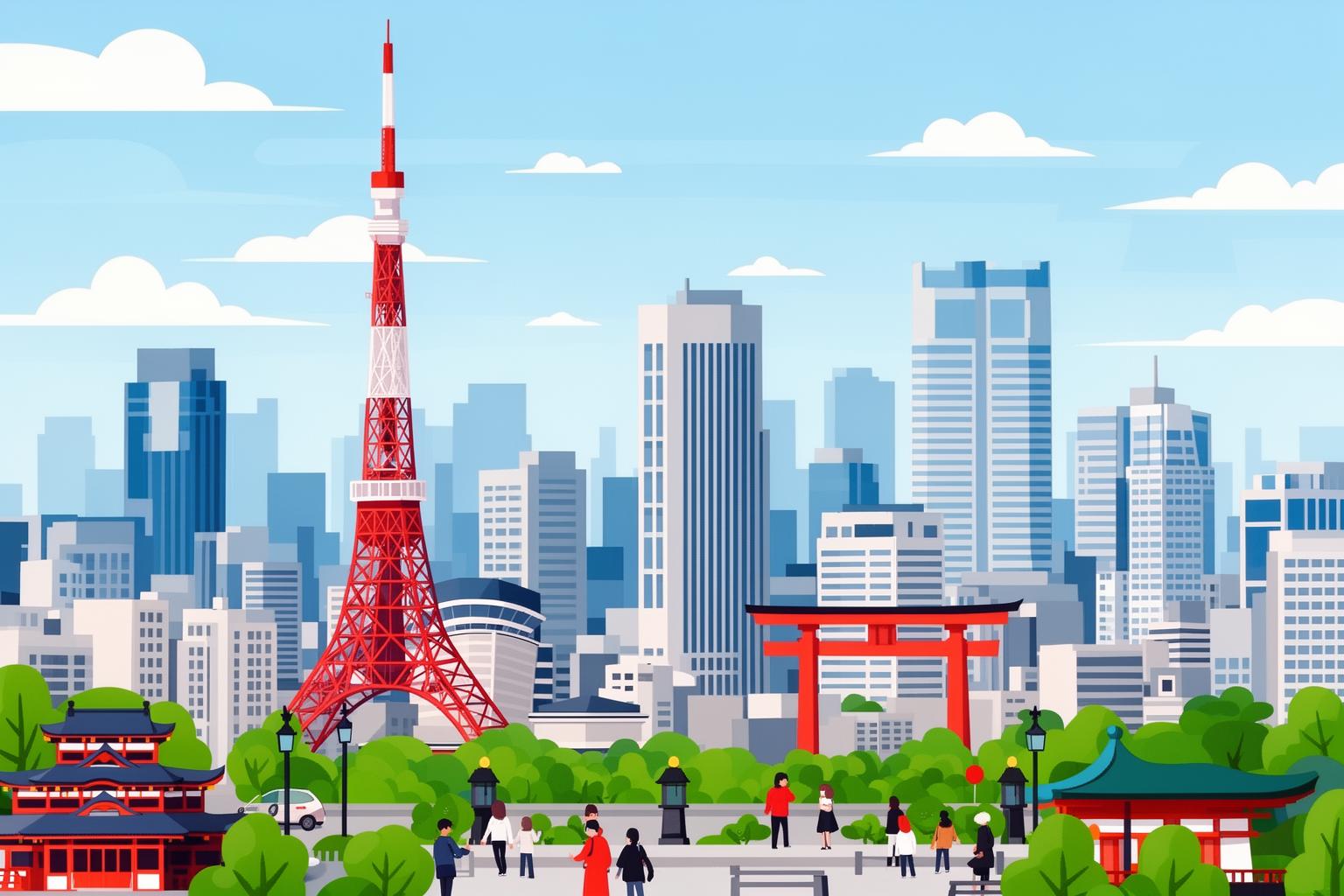
While the Suga Shrine stairs serve as the ultimate destination, Taki and Mitsuha’s story unfolds across several other significant Tokyo locations, each presenting a unique aspect of the city and a deeper connection to the film’s narrative.
A Sophisticated Date: The National Art Center, Tokyo
The setting for Taki and Okudera-senpai’s somewhat awkward yet beautifully depicted date is The National Art Center in Roppongi. This premier Tokyo art museum is a masterpiece in itself, designed by the renowned architect Kisho Kurokawa. Its flowing glass facade is breathtaking, both from the outside and within. You don’t need to be an art expert to enjoy a visit here. The film’s characters spend time in the museum’s sunlit atrium, a large public space open to all visitors.
The most iconic spot is the Salon de Thé ROND, a distinctive café perched atop a large concrete cone in the center of the atrium. This is exactly where Taki and Okudera-senpai sit down for cake and coffee. While getting a table here might involve a short wait, the experience of dining in a space that feels simultaneously futuristic and elegantly classical is well worth it. It perfectly captures the sophisticated, adult world Taki is attempting to navigate. The light streaming through the glass curtain wall creates a tranquil, beautiful atmosphere, offering a peaceful break in any bustling travel schedule.
Bridging Worlds: The Shintoshin Pedestrian Bridge
Featured in several of the film’s stunning montage sequences, the pedestrian bridge near the Shinjuku Police Station building is an excellent place to capture Tokyo’s urban essence. It’s a complex intersection of walkways, roads, and traffic signals, with the iconic cocoon-like Mode Gakuen Cocoon Tower often visible in the background. This spot perfectly represents the interconnected yet anonymous nature of city life. Millions of paths cross here daily, providing a real-world depiction of musubi. It’s especially ideal for photographers, particularly at dusk when car headlights create light trails and the city’s neon signs start to glow. Standing here, you feel immersed in one of Shinkai’s signature time-lapses, witnessing the relentless, mesmerizing rhythm of the city unfolding around you.
A Practical Guide for the Perfect Pilgrimage
Embarking on your seichi junrei is an exciting journey, and a bit of preparation can make the experience smoother and more enjoyable. Tokyo is a very user-friendly city, but knowing what to expect helps you focus on the magic rather than the logistics.
Best Way to Travel
Tokyo’s public transportation system is your greatest ally. The pilgrimage sites are spread out, but all are easily reachable by train. A prepaid IC card like a Suica or Pasmo is essential. You can load it with funds and simply tap it at the ticket gates for seamless travel on nearly all trains and buses. For this itinerary, you’ll mainly use the JR Yamanote Line (which circles the city center), the JR Chuo-Sobu Line (which crosses it, stopping at Shinjuku and Yotsuya), and the Tokyo Metro lines (to reach Roppongi). Google Maps is incredibly reliable for navigating the complex train network, offering precise train times, platform numbers, and transfer details.
Crafting Your Itinerary
You can comfortably visit all the major Tokyo locations in one well-paced day. A sensible route is to start your morning in Shinjuku. Explore the area around the station, have lunch at Cafe La Bohème, then take a short train ride on the Chuo-Sobu Line to Yotsuya. Spend the afternoon soaking up the atmosphere at Suga Shrine and its iconic stairs, aiming to arrive in the late afternoon for the best lighting. From Yotsuya, take the Tokyo Metro Marunouchi and Hibiya lines to Roppongi to visit The National Art Center before it closes, perhaps ending your day with dinner in the trendy Roppongi Hills area. Always wear comfortable shoes, as you’ll be doing plenty of walking.
Pilgrim’s Etiquette
One of the most important things to keep in mind is that these are not movie sets; they are real places where people live, work, and worship. The key to a respectful pilgrimage is to be mindful of your surroundings. When visiting Suga Shrine and its neighborhood, keep your voice low. Avoid blocking the stairs or local paths for extended photoshoots, especially if residents need to pass. When you visit Cafe La Bohème, remember you are a customer; order something and enjoy the excellent service. Support the places you visit. This respectful approach helps ensure these locations remain welcoming to fans for years to come. You are a guest in Taki’s world, and the best guests show their appreciation with quiet respect and a gracious attitude.
The Echo of a Name: A Final Thought
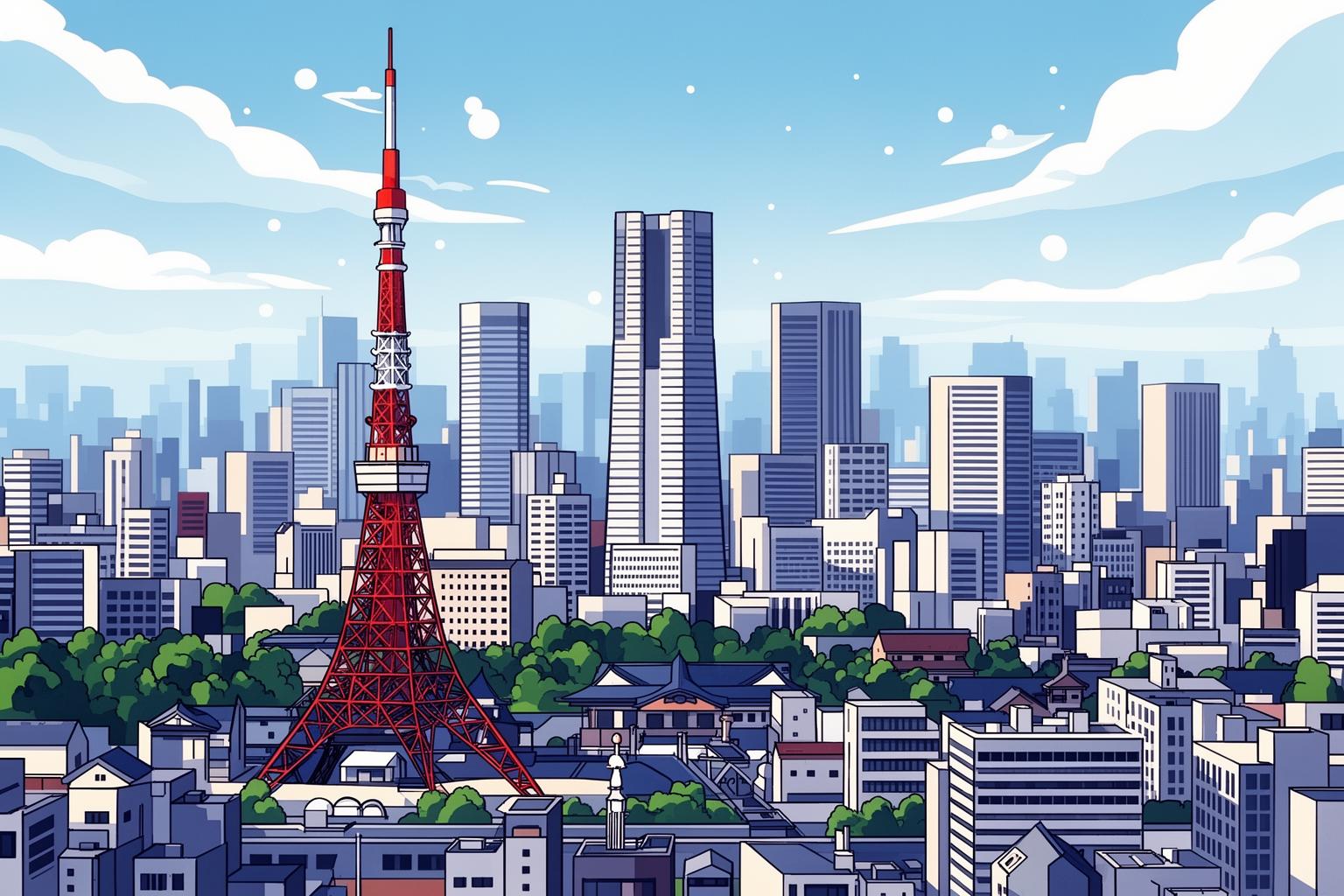
A journey through the real-life locations of Your Name is more than just a checklist of photo spots. It’s an immersive experience within the story. Every step you take along Shinjuku’s pavement, every moment of quiet reflection at Suga Shrine, strengthens your connection to the film’s profound themes. You begin to physically grasp the distance Taki and Mitsuha had to overcome—not only the literal miles between Tokyo and Itomori but also the divide of time and memory.
Standing on those stairs in Yotsuya, you understand why this story touched so many hearts. It resonates with a universal human experience: the search for connection, the feeling that there is someone or something out there you are destined to find, a name you’re striving to remember. The pilgrimage makes that sensation real. The city itself becomes a character, a silent companion in your journey. As you leave, heading back to the station and into the rhythm of your own life, you carry that magic with you. You’ve walked in the footsteps of Taki and Mitsuha, and by doing so, you’ve woven your own thread into the beautiful, intricate tapestry of their story.