
There are stories that feel like a dream you can’t quite shake, their echoes lingering long after the credits roll. Makoto Shinkai’s masterpiece, “Your Name.” (Kimi no Na wa.), is one such story. It’s a film that didn’t just captivate audiences with its breathtaking animation and heart-wrenching tale of love, time, and memory; it painted a portrait of Tokyo so vivid, so achingly real, that the city itself became a character. For millions around the world, the bustling crosswalks of Shinjuku and the quiet, sun-drenched stairways of Yotsuya are no longer just places on a map. They are scenes from a memory, pieces of a story that feels like our own. This is the magic of seichi junrei, the anime pilgrimage, where the line between fiction and reality blurs, and you get to walk in the footsteps of characters you love. It’s a journey of connection, a way to see a familiar city through a new, enchanted lens. Today, we’re chasing that feeling. We’re stepping into the world of Taki and Mitsuha, tracing their paths through the vibrant, sprawling, and surprisingly intimate landscape of Tokyo. This isn’t just about finding photo spots; it’s about feeling the pulse of the city that shaped their story and finding the magic woven into its ordinary corners.
Amid Tokyo’s vibrant pulse, discovering the serene allure of a hidden onsen retreat can evoke the same cinematic magic that lingers in every corner of the city.
The Pulse of the Metropolis: Shinjuku’s Concrete Canopy
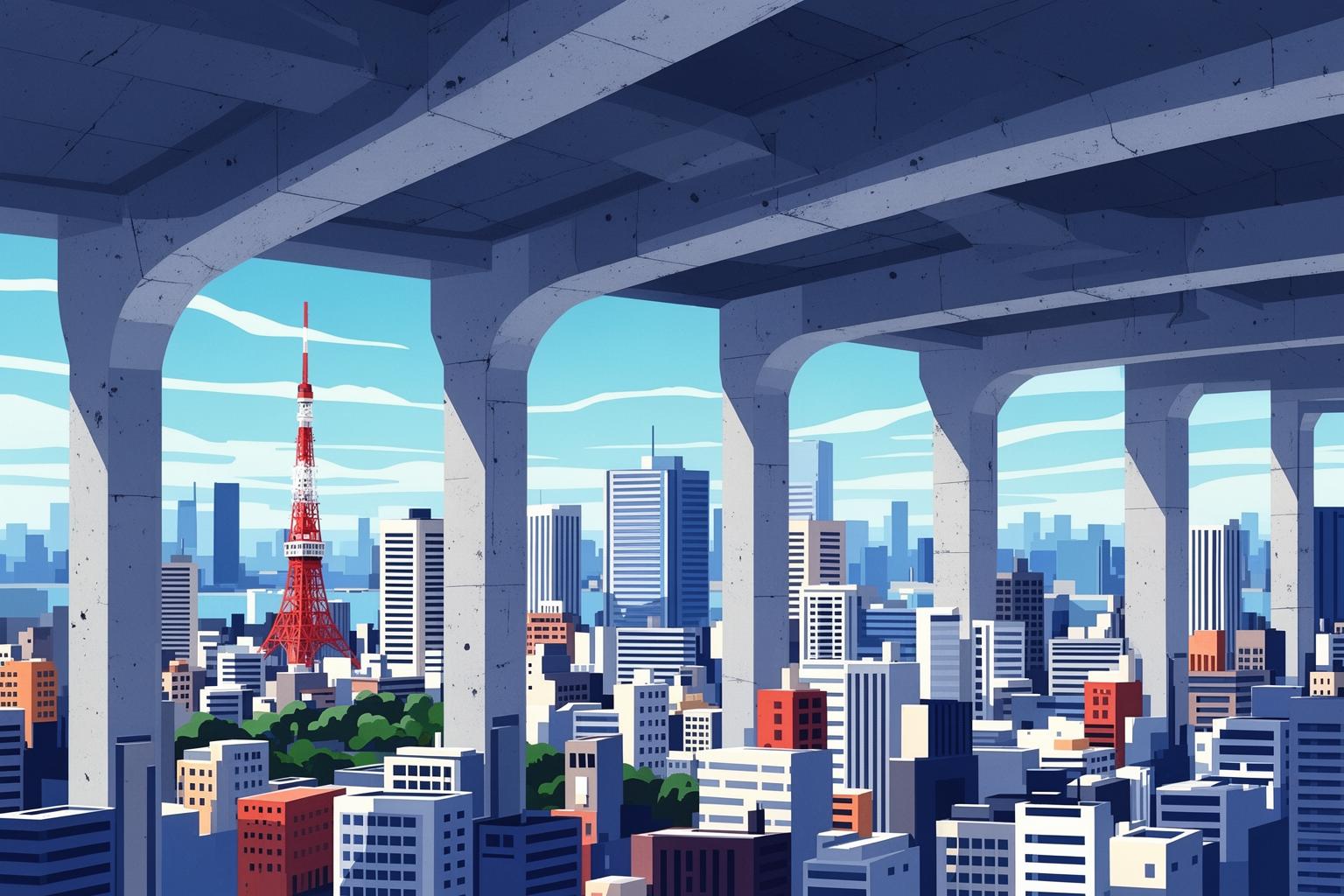
Our journey starts where Taki’s city life takes place: Shinjuku. Stepping out of Shinjuku Station feels like entering a symphony of controlled chaos. It’s the world’s busiest train station for good reason. Waves of people move with an unspoken rhythm, digital billboards light up the sky with shifting colors, and the immense scale of the surrounding architecture makes you feel small in the most thrilling way. This is Taki’s Tokyo—a place full of energy, ambition, and anonymity, a sharp contrast to the calm, tradition-bound life Mitsuha longs to escape. To truly capture the film’s urban spirit, you need to embrace this overwhelming energy. Let yourself be swept along by the crowd, look up, and see the cityscape as Shinkai portrayed it. You’ll immediately spot the iconic Mode Gakuen Cocoon Tower, its futuristic lattice design a defining feature of the Shinjuku skyline from Taki’s viewpoint. Nearby, the distinctive top of the NTT Docomo Yoyogi Building, with its giant clock face, peeks out between buildings, a silent, constant observer just as it appears in the film’s sweeping panoramas. Don’t rush to find one perfect vantage point right away. Instead, explore. Head toward the Tokyo Metropolitan Government Building, where free observation decks give a god’s-eye view of the concrete jungle stretching to the horizon. From up high, you can best appreciate the dense tapestry of the city Taki called home, imagining him navigating these streets on his way to school or his part-time job. A useful tip for newcomers: Shinjuku Station is a maze. Don’t hesitate to follow the signs for the South, East, or West exits as your main guides. The South Exit, for instance, leads you to the Shinjuku Gyoen National Garden, a peaceful oasis offering a welcome break from the urban rush and home to Cafe La Bohème, a restaurant that served as strong inspiration for Taki’s workplace.
A Fateful Intersection: Yotsuya and the Red Bridge
From the electric hum of Shinjuku, a brief ride on the JR Chuo Line takes you to a different side of Tokyo. Welcome to Yotsuya, a neighborhood that feels more grounded, more residential, and somehow, more nostalgic. This is where the emotional threads of the film begin to intertwine more closely. Our first stop is Yotsuya Station itself. As you exit, you’ll find the exact intersection where Taki and his senpai, Okudera, meet for their date. Standing here, you’ll be impressed by Shinkai’s remarkable attention to detail. The green railings, the curve of the road, the train tracks running beneath—it’s all present, perfectly recreated from reality. This is one of the initial moments on the pilgrimage where you genuinely sense the barrier between worlds melting away. Look for the distinctive red-accented bridge spanning the train tracks. This is Sotobori, the outer moat of the Imperial Palace, and the path alongside it is a favored spot for a peaceful walk, especially during cherry blossom season. It’s on this bridge that Taki and Okudera-senpai have their conversation, the city’s gentle atmosphere serving as a backdrop to their growing connection. The feeling here is markedly different from Shinjuku. The pace is slower. You can hear the rumble of trains below and the chatter of students from nearby Sophia University. It’s a place for contemplation. As you stand here, take a moment to absorb the details. This is the true joy of a seichi junrei—it’s not a treasure hunt, but a practice in mindful observation. It trains your eye to appreciate the beauty in the everyday infrastructure of life, just as Shinkai does in his films. He transforms a simple train station into a stage for crucial human moments, and by visiting it, you become part of that elevated reality.
The Stairway to Memory: Suga Shrine’s Sacred Steps
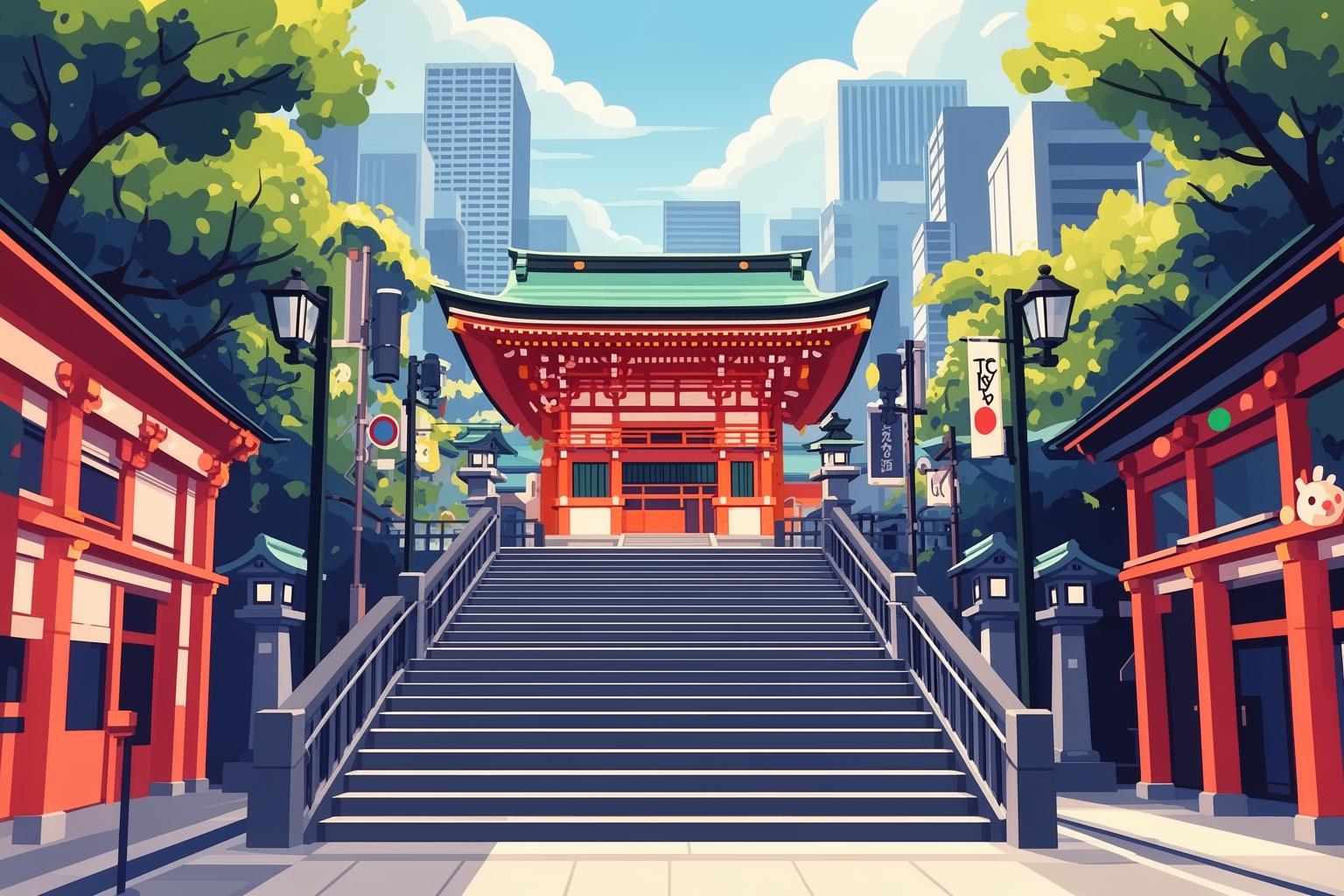
Now, at the heart of the pilgrimage. A brief, ten-minute stroll from Yotsuya Station, through tranquil residential streets, brings you to the single most iconic location in all of “Your Name.”: the staircase of Suga Shrine. This is the sacred place where Taki and Mitsuha, separated by time and memory, ultimately reunite in the film’s stunning climax. The walk to the stairs is part of the experience. As you leave the main roads, the city’s noise fades away, replaced by the gentle murmur of neighborhood life. You’ll pass by small homes, local shops, and vending machines, the scene feeling deeply and genuinely Japanese. This quiet anticipation heightens the emotional impact of what lies ahead.
The Quiet Journey to a Cinematic Climax
Exploring these smaller streets can feel like a mini adventure in itself. While a map is essential, allow yourself to get slightly lost. The area around Suga Shrine is calm and charming, offering a glimpse into Tokyo residents’ daily lives that you won’t find in the city’s bustling centers. The path steepens as you near the destination, and then you see it. The distinctive red handrail appears first, a vivid streak of color against the subdued shades of the surrounding buildings. Your heart might quicken. You’ve seen this image countless times on screen, but seeing it in person is surreal and deeply moving. The staircase is narrower than expected, flanked by the gentle incline of the residential street. It is, at its core, simply a normal staircase. Yet for fans of the film, it serves as a gateway. It’s where a desperate search across time and space reached its tearful, hopeful resolution.
Standing on Hallowed Ground
When you arrive, take your time. Walk up to the top and look down, then back to the bottom and look up. You’ll witness the view exactly as Taki and Mitsuha did. The gentle curve of the road, the apartment buildings, the slice of distant Shinjuku skyline peeking through the gap. It’s a moment of deep connection. You are standing in a piece of cinematic history. You’ll almost certainly find others here. Pilgrims from across Japan and around the world gather at this spot, sharing a quiet, unspoken bond. You’ll see people taking photos—some attempting to perfectly mimic the movie poster, others simply sitting on the steps, lost in thought. It’s important to remember this is a residential area and a sacred place. Suga Shrine, located just at the top of the stairs, is an active Shinto shrine. Be quiet and respectful. Don’t block the paths for local residents. The beauty of this site lies in its harmony with daily life, and preserving that peace is part of every pilgrim’s duty. After immersing yourself in the atmosphere of the stairs, take a moment to visit the shrine itself. It’s a small but charming space, offering a peaceful pause and the chance to offer a prayer—perhaps for your own connections, your own musubi.
Capturing the ‘Kataware-doki’ Moment
For the best experience, try to time your visit for late afternoon. This is when the sun begins to set, casting long shadows and bathing the scene in warm, golden light. This is kataware-doki, or twilight, the magical hour when the film suggests the boundary between worlds becomes thin. Seeing the staircase at this time adds another layer of emotional depth, making the scene feel even more as if it came straight from the anime. The light catches the red railing and softens the edges of the concrete, creating a truly cinematic ambiance. It’s the perfect moment to capture not just a photo, but a feeling—the feeling of longing, searching, and ultimately, finding what you were seeking.
Modern Elegance and a Taste of Taki’s Life: The National Art Center
Our pilgrimage now shifts toward the sleek and sophisticated, reflecting another aspect of Taki’s city life. In the upscale district of Roppongi, we encounter The National Art Center, Tokyo, the stunning architectural marvel that inspired the restaurant where Taki worked his part-time job. This spot underscores the contrast between the traditional, serene world of Suga Shrine and Tokyo’s modern, cosmopolitan side.
Architecture as Art
Even before entering, the building itself stands as a masterpiece. Designed by the renowned architect Kisho Kurokawa, its flowing glass facade ripples like a wave, creating a dynamic interplay of light and shadow. It’s a structure that feels alive—a perfect backdrop for a story that merges the ordinary with the extraordinary. The film beautifully showcases the building’s grand, light-filled atrium, featuring two massive concrete cones. Stepping into this space feels instantly familiar. You can almost picture Taki rushing by with a tray, weaving through elegant patrons and modern decor. It’s a wonderful example of how Shinkai uses real-world architecture to craft the atmosphere of his stories, anchoring them in a palpable reality while exploring fantastical themes.
Dining in a Cinematic Cafe
Perched atop one of those iconic concrete cones is Salon de Thé ROND, the real-life café that inspired the restaurant in the film. For fans, sitting here is an essential experience. The circular café offers sweeping views of the atrium, making you feel suspended in mid-air. Though the real menu may differ from what appeared in the movie, you can still order a coffee and a slice of cake and enjoy your own slice of the “Your Name.” universe. It’s a truly surreal experience to sit exactly where Taki and Okudera-senpai shared their date, surrounded by breathtaking architecture. Beyond the café, The National Art Center is one of Japan’s premier art venues, hosting a rotating lineup of world-class exhibitions. Plan to spend extra time exploring its galleries. This adds another layer to your pilgrimage, blending your passion for the film with an appreciation for wider Japanese and international art and culture. Roppongi itself is known for its vibrant art scene, nightlife, and cosmopolitan vibe, offering a distinctly different energy from Shinjuku or Yotsuya and making it a fantastic area to explore after your visit.
Weaving Your Own Narrative: Practical Tips for the Pilgrim
Embarking on a seichi junrei is a deeply personal adventure, yet a few practical tips can help make the experience smoother and more enjoyable, allowing you to fully immerse yourself in the magic of the moment.
Navigating the Metropolis
Tokyo’s public transportation system is remarkably efficient and will be your greatest ally on this pilgrimage. All the sites are easily reachable by train. A prepaid IC card such as a Suica or Pasmo is essential; you simply tap it on the gate readers without having to purchase a ticket for each ride. Google Maps is highly reliable for train schedules, routes, and walking directions. It will assist you in confidently navigating both the quiet streets of Yotsuya and the sprawling underground maze of Shinjuku Station. Don’t hesitate to walk—exploring on foot, especially in areas like Yotsuya, is where you’ll uncover the city’s hidden charms.
The Pilgrim’s Etiquette
When visiting these locations, particularly Suga Shrine, always remember you are a guest. These places are not sets for filming; they are public spaces and private neighborhoods where people live and worship. Be considerate of your noise level. Avoid blocking pathways for long periods while taking photos. Never leave any litter behind. Respect is deeply embedded in Japanese culture, and showing such courtesy will be appreciated by locals and help keep these sites welcoming for future pilgrims. Aim to be a silent observer who leaves no trace but takes with them only memories.
Beyond the Screen
While it’s exciting to find the exact filming locations, don’t let that be your sole focus. Use the pilgrimage as a starting point to explore these intriguing neighborhoods more thoroughly. After visiting the Suga Shrine stairs, take time to wander through nearby Shinjuku Gyoen, one of Tokyo’s most stunning gardens. After experiencing the modern art scene in Roppongi, check out the trendy shops and cafes around the area. Let the film inspire you, but allow your own curiosity to lead the way. Create your own story in these places. Discover a small coffee shop that becomes your personal favorite or find a quiet park bench with a perfect view. This is how a pilgrimage transforms into a genuine travel experience.
The Enduring Echo of a Story
There is a unique and profound magic in standing in a place you’ve only ever encountered through a story. It validates the emotions the story evoked in you, anchoring them in reality. A “Your Name.” pilgrimage through Tokyo is more than just an anime tour; it offers a fresh perspective on one of the world’s most iconic cities. It’s about recognizing how art can transform ordinary locations into places of remarkable significance. As you stand on that destined staircase or look out over the Shinjuku skyline, you’re not merely viewing a city. You’re witnessing the ghost of a comet, hearing the resonance of a question—”What’s your name?”—and sensing the unseen connections that bind us all across time, space, and even the screen’s divide. Though the story has ended, its heart continues to beat in the streets of Tokyo, waiting for you to discover it.