

There are stories that stay with you, long after the credits roll. They shimmer in your memory, a beautiful ache of emotion and wonder. Makoto Shinkai’s masterpiece, Your Name., is one of those stories. It’s a film that painted the world in hues of twilight, weaving a tale of two souls, Taki and Mitsuha, bound together by fate, distance, and the celestial dance of a comet. It captured hearts globally, not just for its breathtaking animation and heart-wrenching plot, but for the tangible reality of its settings. The film’s world felt so real because, in many ways, it is. From the dizzying, electric pulse of Tokyo to the serene, whispering mountains of rural Japan, the landscapes that framed this epic romance exist, waiting for us to step into the frame. This journey, this pilgrimage, is known in Japan as seichi junrei—a sacred exploration of the real-world locations that breathe life into our favorite stories. It’s a chance to walk the same streets, feel the same breeze, and stand in the very spots where animated magic was born. So, grab your camera and an open heart. We’re about to chase the ghost of a comet across Japan, tracing the footsteps of Taki and Mitsuha through a world where the line between dream and reality beautifully blurs.
For travelers enchanted by Japan’s magical landscapes, exploring a Miyazaki-inspired pilgrimage offers another way to experience the wonder behind animated dreams.
Tokyo’s Concrete Dreams: In Taki’s Footsteps
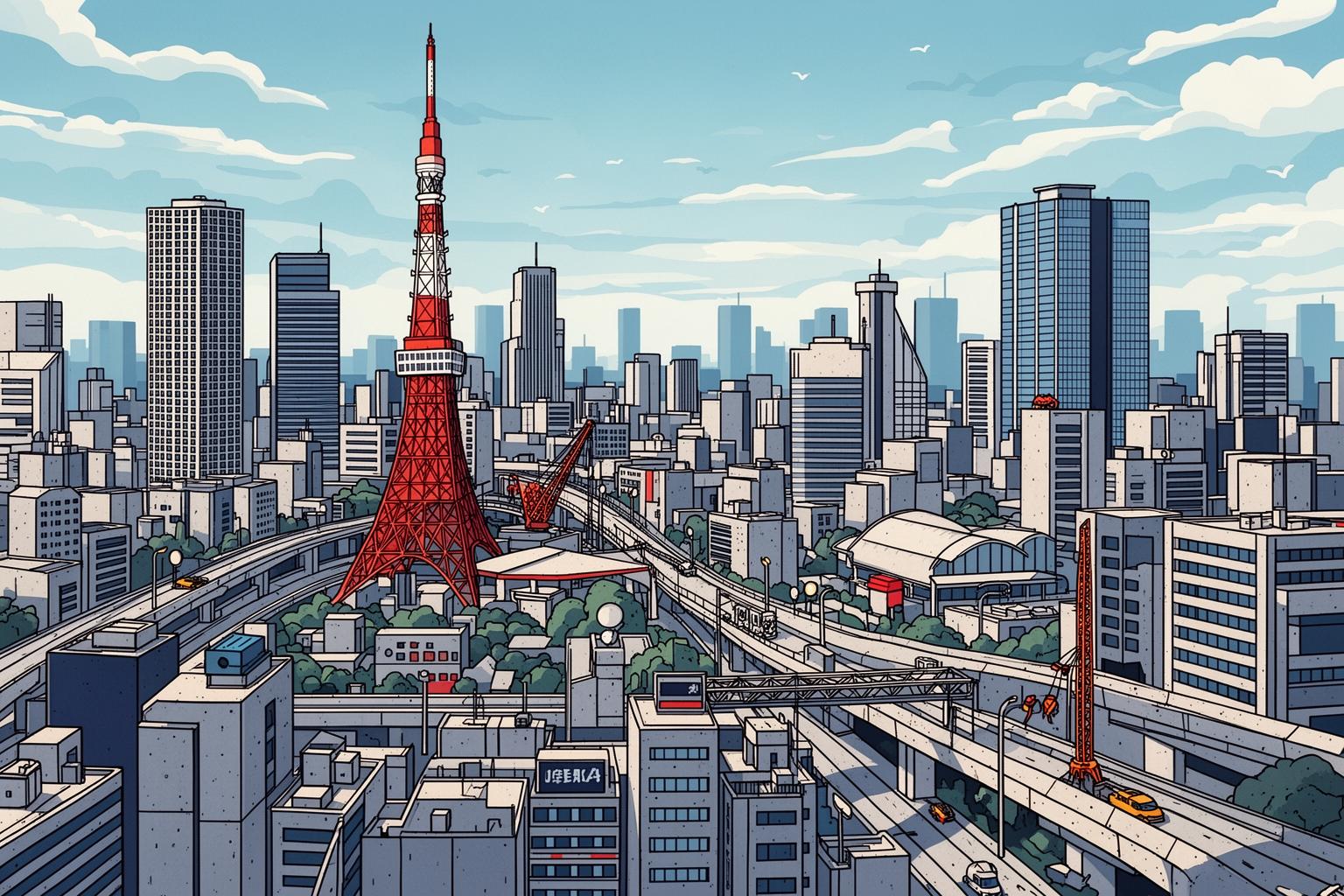
Our story begins in the heart of Japan’s vast metropolis, Tokyo. This is the world of Taki Tachibana—a place buzzing with energy, towering skyscrapers that seem to touch the sky, and a chorus of train announcements weaving through countless intersecting lives. Shinkai expertly captured the city’s dual nature: its overwhelming enormity alongside its quiet, intimate nooks. Walking through Taki’s Tokyo is to feel the pulse of a city that never sleeps while also uncovering hidden pockets of calm where personal stories quietly unfold. It is a landscape of glass, steel, and neon, but also a realm of hopeful encounters and reflective moments, where a high school boy sketches cityscapes while dreaming of a life he struggles to recall.
The Red Steps of Fate: Suga Shrine
No place is more emblematic of the emotional climax in Your Name. than this one. The iconic red-railed staircase where Taki and Mitsuha finally, poignantly, come together. Discovering these steps in a tranquil residential neighborhood of Yotsuya feels like uncovering a hidden secret. You leave behind the bustle of main streets, winding through peaceful, narrow lanes until suddenly, there it is. The view from the top, gazing down the curved staircase, instantly transports you into the film’s final moments. Yet the real magic lies in the atmosphere. It’s not a crowded tourist attraction; it’s a neighborhood shrine imbued with a gentle, almost reverent stillness. You can hear the distant city hum, but here, the birds sing and the wind whispers through the trees. Standing on those steps, you can almost sense the invisible weight of years of searching, the desperate hope of recognizing a face known only in dreams. It’s an exceptionally photogenic spot, especially late in the afternoon when the light softens, casting long shadows and making the red handrails stand out against the concrete and greenery. To reach this spot, the closest station is Yotsuya Station, followed by a pleasant ten-minute walk. My advice? Visit on a weekday morning to enjoy the place almost to yourself. Remember, this is part of a community. Be quiet, be respectful, and soak in the powerful, unspoken story told by this simple staircase.
Modern Art and A Budding Romance: The National Art Center, Tokyo
Recall the stylish, sunlit restaurant where Taki goes on a date with his colleague, Okudera-senpai? That’s the Brasserie Paul Bocuse Le Musée, located within the stunning architectural marvel of The National Art Center, Tokyo. Situated in the fashionable district of Roppongi, this building is a destination in its own right. Its flowing glass facade is a design masterpiece, creating a space that feels both vast and weightless. Upon entering, you’re greeted by soaring ceilings and massive concrete cones that support the restaurant and cafe. This is where Taki, slightly out of his element, maneuvers through the nuances of a refined date. The film beautifully captured the building’s bright, airy atmosphere and distinct modernity. While you can dine at the restaurant for a fully immersive experience, you don’t need a reservation to appreciate the building itself. The museum hosts a rotating lineup of world-class exhibitions, and its public areas—including an excellent gift shop and library—are free to enter. It’s an ideal spot for an afternoon spent appreciating both art and architecture. The way sunlight filters through the undulating glass is captivating, making it a photographer’s dream. Easily accessible from Nogizaka Station, visiting here offers a glimpse into the cosmopolitan side of Taki’s world and the urban elegance that defines modern Tokyo.
The Shinjuku Labyrinth: A Crossroads of a Million Lives
Shinjuku is more than just a backdrop in Your Name.; it is a character itself. The film includes numerous shots of its iconic skyline, sprawling station, and vibrant, neon-lit streets. This is the pulse of Taki’s everyday life, the chaotic center he moves through on his way to school and work. Views from the pedestrian bridges near the station, especially around the Shinjuku Police Station, are lifted directly from the animation, capturing the endless flow of people and traffic. Shinjuku Station, famed as the busiest train station in the world, is a true concrete labyrinth. Experiencing it for the first time is an exhilarating sensory overload. It perfectly embodies the feeling of being a small individual within a vast, interconnected world—a central theme of the film. To fully grasp the scale, find a spot in the evening at the Tokyo Metropolitan Government Building, which offers free observation decks with breathtaking panoramic city views. As you watch millions of lights flicker on, you can picture Taki gazing out over this very scene, experiencing a strange longing for a landscape of mountains and stars he could not yet comprehend.
Whispers of Tradition: Finding Mitsuha’s Itomori
From the electric glow of Tokyo, our journey takes a dramatic turn as we follow Taki’s desperate search for Mitsuha into the heart of Japan’s mountainous Gifu Prefecture. The town of Itomori, with its mystical lake and ancient customs, is a fictional creation. Yet, its spirit is deeply rooted in the very real and stunningly beautiful Hida region. Stepping off the train here feels like stepping back in time. The air is crisp, life slows down, and the landscape is dominated by lush forests, traditional wooden buildings, and the gentle sound of flowing water. This is Mitsuha Miyamizu’s world, shaped by generations of tradition, the rhythm of the seasons, and the sacred duties of a shrine maiden. It was a world that felt restrictive to her, but from an outsider’s view, it is a realm of profound peace and captivating beauty.
The Real Itomori: Hida-Furukawa’s Timeless Charm
Though Itomori was inspired by several places, Hida-Furukawa stands out as its most recognizable real-world counterpart. The moment you arrive at Hida-Furukawa Station, you’ll be hit by a strong sense of déjà vu. The station building, pedestrian footbridge, train tracks, and even the taxi stand are meticulously replicated in the film. This is the very location where Taki and his friends arrived, holding up his sketch, hoping someone would recognize the landscape of his dreams. The town itself is a genuine delight. It’s quieter and less crowded than its renowned neighbor, Takayama, allowing for a more intimate experience. The town’s heart is the Seto River, a narrow canal lined with white-walled storehouses and teeming with thousands of vivid koi fish. As you stroll along these canals, it’s easy to picture Mitsuha and her friends walking home from school, their laughter echoing off the old wooden buildings. The town has gracefully embraced its connection to the film, with subtle nods here and there, but has maintained its authentic, historical charm. It’s a place that encourages you to slow down, notice the small details, and simply breathe in the tranquil atmosphere.
A Shrine Maiden’s World: Hida-Sannogu Hie Shrine
While in Hida-Furukawa, you might want to seek out the Miyamizu Shrine, the core of Mitsuha’s family traditions. This sacred place is widely believed to be modeled on the Hida-Sannogu Hie Shrine, located a short train ride away in nearby Takayama. Approaching and climbing the steep stone steps, flanked by towering cedar trees and moss-covered stone lanterns, the resemblance is striking. The atmosphere is steeped in history and spirituality. This is where Mitsuha performed ancient rituals, created the sacred kuchikamizake, and longed for a different life. Standing quietly in the shrine’s courtyard, it’s easy to feel the weight of the tradition she bore. The shrine powerfully reflects the deep Shinto beliefs woven into Japanese culture and forms the mystical backbone of the film’s narrative. The connection between humans, nature, and the gods feels tangible here. It’s a place of quiet reflection, and whether or not you’re a fan of the film, it offers a profound sense of peace.
A Library of Clues: The Hida City Library
The key scene where Taki finally uncovers the truth about Itomori takes place in a library. That library exists. The Hida City Library, a modern and welcoming building, served as the exact model for the one in the film. Its interior, featuring unique wooden latticework and cozy reading nooks, is perfectly recreated. The library staff warmly welcome Your Name. fans and have even set up a dedicated corner where visitors can take photographs, provided they remain respectful of other patrons. Sitting in the same spot where Taki frantically flipped through records, piecing together the heartbreaking history of the town he sought, is a wonderfully surreal experience. This stop on the pilgrimage showcases the creators’ meticulous attention to detail and their desire to root their fantasy in a tangible, relatable reality. It also serves as a beautiful reminder that sometimes, the answers we seek can be found in the quietest places.
The Journey Between Worlds: Practical Tips for Your Pilgrimage

Embarking on a seichi junrei for Your Name. is a journey of striking contrasts, guiding you from one of the world’s most futuristic cities to a region rich in ancient tradition. Planning this transition is part of the adventure, and with some preparation, it can be a smooth and deeply fulfilling experience.
From Urban Sprawl to Mountain Majesty
Traveling between Tokyo and the Hida region is a quintessential Japanese travel experience. The most efficient way is to take the Tokaido Shinkansen (bullet train) from Tokyo to Nagoya, a swift and comfortable ride lasting just under two hours. From Nagoya, you’ll transfer to the JR Hida Wide View Express train. This second leg is where the magic truly begins. As the name implies, the train features large panoramic windows, and the route meanders through stunning river valleys and deep mountain gorges. The scenery gradually becomes more rustic and breathtaking, heightening anticipation for your arrival in Mitsuha’s world. The full journey from Tokyo to Hida-Furukawa or Takayama takes around four to five hours. If you have a Japan Rail Pass, this entire trip is covered, making it a great value. My advice: reserve a window seat, grab an ekiben (station bento box) in Nagoya, and simply savor the spectacular shift from urban to rural Japan.
When to Chase Your Own Comet
Japan offers four distinct and beautiful seasons, each providing a unique way to experience the world of Your Name. Spring, from late March to April, is truly magical in the Hida region, with cherry blossoms framing the traditional streets and shrine grounds. Summer can be hot and humid, especially in Tokyo, but it brings lush, vibrant greenery to Gifu’s mountains. Autumn, from October to November, is possibly the most stunning time to visit, as the mountainsides blaze with fiery reds, oranges, and golds, mirroring the warm palette of the film. Winter cloaks the Hida region in a thick blanket of snow, turning the towns into peaceful, monochrome wonderlands, offering a serene and uniquely beautiful atmosphere. There’s no wrong time to go; it all depends on the mood you want to find. Just be sure to pack accordingly—layers are always wise, and comfortable walking shoes are essential.
Savoring the Local Flavors
A journey isn’t just about the sights—it’s also about the tastes. In Tokyo, culinary options are endless, ranging from high-end sushi to humble ramen stalls. In the Hida region, you must try the local specialties. Hida is renowned for its incredibly tender, marbled Hida beef, which can be enjoyed as steak, on a skewer, or in a sukiyaki hot pot. Another must-try snack is gohei mochi, a grilled rice cake coated in a sweet and savory miso-walnut sauce. You can even see Mitsuha and her friends enjoying this treat in the film! For a truly immersive experience, consider staying in a ryokan (traditional Japanese inn) in Takayama or Hida-Furukawa. Sleeping on tatami mats, soaking in an onsen (hot spring bath), and savoring an elaborate multi-course kaiseki dinner is the ideal way to connect with the traditional culture that shaped Mitsuha’s life.
More Than a Film, It’s a Feeling
Completing a pilgrimage to the locations featured in Your Name. is an experience that goes beyond ordinary sightseeing. It involves understanding the significance of place and how it shapes a narrative. Standing on the Suga Shrine steps isn’t merely about recreating a movie poster; it’s about sensing the heartbeat of a quiet Tokyo neighborhood and recognizing why Shinkai selected this spot for such a pivotal, emotional reunion. Walking through Hida-Furukawa isn’t just about noticing familiar buildings; it’s about absorbing the profound sense of history and community that Mitsuha both treasured and wished to escape. This journey links you to the creative process, bridging the gap between the world on the screen and the world beneath your feet. It nurtures a deeper appreciation for the artistry involved and the way real, tangible places can be imbued with fictional, emotional magic. You begin to see the world through the animators’ perspective, noticing the quality of light, the texture of moss-covered stones, and the reflections in skyscraper windows.
As you move between these two worlds, from Taki’s city of boundless possibilities to Mitsuha’s town of timeless tradition, you start to perceive the film’s central theme in a very tangible way: connection. The connection between two individuals, between the past and the present, and between urban and rural life. These forces, these invisible threads, hold the story together, and they are what you feel standing in these very real places.
Whether you are a devoted fan of the film or simply a traveler seeking a journey that is both beautiful and meaningful, tracing Taki and Mitsuha’s path offers a unique way to experience Japan. It’s a story written across the landscape itself, a treasure map of emotions waiting to be discovered. So go, stand where they stood, see what they saw, and perhaps, in a moment of twilight magic, you’ll sense that invisible thread connecting you to their story—and you’ll leave with a new one of your own.








