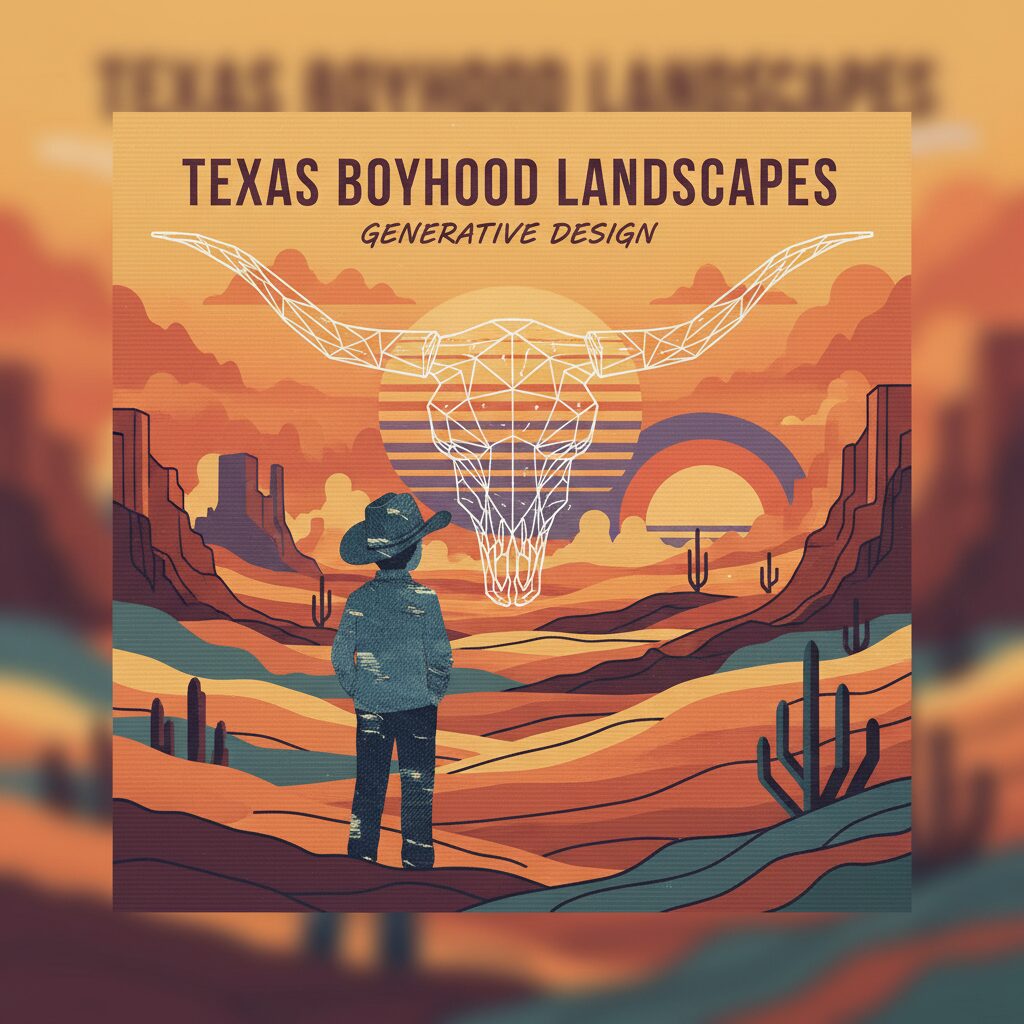
There are films that capture a moment, and then there is ‘Boyhood’. Richard Linklater’s cinematic masterpiece, filmed with the same cast over twelve audacious years, isn’t just a story about growing up; it’s a living document of time itself. It’s a quiet epic, trading blockbuster explosions for the subtle, seismic shifts of a life unfolding. We watch Mason Evans Jr. evolve from a wide-eyed first-grader into a thoughtful college freshman, and as he moves through the years, he also moves through a landscape that is as much a character as anyone on screen: Texas. To trace the footsteps of Mason is to embark on a pilgrimage through the heart of the Lone Star State, from the weird and wonderful capital of Austin to the sprawling urbanity of Houston, and finally, into the profound, silent majesty of Big Bend. This isn’t just about finding the exact spot where a scene was filmed. It’s about standing in a place and feeling the echo of those twelve years, the weight of moments big and small, and the universal truth that while time pushes us forward, the places we’ve been remain, holding the stories of who we were. This journey is a road trip through memory lane, not just Mason’s, but perhaps, in some small way, our own. It’s an invitation to explore the real, tangible world behind one of cinema’s most unique and heartfelt achievements.
For a different kind of pilgrimage that explores how a landscape can hold the weight of history, consider the Echoes of the Black Sand: A Pilgrim’s Journey to the Landscapes of ‘Letters from Iwo Jima’.
The Heartbeat of the Journey: Austin, The Ever-Changing Capital
Austin embodies the spirit of ‘Boyhood’. It serves as the film’s foundation, the starting point of the story and the city to which it continually returns. Here, Mason’s world takes form against a backdrop that is itself ever-changing. The city’s unofficial motto, “Keep Austin Weird,” goes beyond a mere slogan; it is a lived experience. This is a place rich with vibrant street art, legendary music venues, and a fiercely independent spirit that fills the air. It provides the ideal environment for Mason’s growing creativity and his journey toward self-discovery. To visit Austin is to immerse yourself in the creative energy pulsating through the film, to walk the very streets where Mason navigated the confusing, exhilarating, and often ordinary path of growing up.
Echoes of Childhood: The Early Austin Years
Austin during Mason’s early childhood is a place marked by fleeting moments with a father he’s only beginning to reconnect with. These scenes unfold in locations that feel quintessentially Austin: unpretentious, steeped in local culture, and enriched with a sense of lived history. They form the foundation of a relationship, gradually built during weekend visits filled with life lessons, both spoken and silent.
The Bowling Alley of Broken Promises: Dart Bowl
A memorable early scene plays out within the classic, vintage atmosphere of a bowling alley. Mason Sr. takes Mason and Samantha for an afternoon of bowling, attempting to close the gap between them. Using the bumper rails as a metaphor, he makes a heartfelt but imperfect effort to teach a lesson about confronting challenges head-on. This poignant moment took place at Dart Bowl, a cherished Austin institution for decades. It epitomized the old-school bowling alley experience, complete with the familiar crash of pins, the gentle murmur of conversation, and the scent of lane wax and cheap beer. It was a place where generations of Austinites built memories.
Tragically, and perhaps fittingly in a way that echoes the film’s theme of irreversible change, Dart Bowl closed its doors permanently in 2020. The building has disappeared, a casualty of the very passage of time that the film beautifully captures. For a pilgrim, this is not an end but a deeper, more meaningful stop on the journey. Standing where it once stood means confronting the film’s message head-on. Places, like people, transform and vanish. What remains is memory and the mark left behind. The scene at Dart Bowl was about more than bowling; it was about a father trying his best, a son quietly watching, and a moment frozen in time that can never be reclaimed. The alley’s absence only intensifies that feeling.
A Melody of a Moment: The Continental Club
Music is the lifeblood of Austin, flowing directly into the heart of ‘Boyhood’. In another formative scene, Mason Sr. takes the kids not to a playground but to an authentic Austin music venue for a daytime show. This moment introduces Mason to the raw, genuine power of live performance, a core element of the city’s identity. The legendary Continental Club on South Congress Avenue served as the setting. This venue is no ordinary club; it is a sacred hall of music history. Since the 1950s, its stage has welcomed legends and rising stars alike, acting as a crucible for rock and roll, blues, and country.
Today, entering the Continental Club feels like stepping into a time capsule. The room is intimate, the red velvet curtain behind the stage feels steeped in history, and the walls resonate with the echoes of countless unforgettable shows. To visit is to tap into the same energy Mason experienced—a moment of discovering a new, mature world of creativity and expression. Shows are still held nearly every night, immersing visitors in the signature sound that defines the city. Standing in the crowd, it’s easy to picture a father and his children in the corner, the music enveloping them and planting the seeds of creative appreciation that would bloom years later.
Teenage Wasteland: Navigating Later Austin
As Mason matures into his teenage years, Austin shifts from a backdrop of parental visits to a landscape for his own discovery. It becomes a place of first loves, late-night talks, and searching for identity. The film captures the feeling of adolescent aimlessness: cruising with friends, finding significance in quiet, in-between moments that define youth.
The Murals and Streets of South Congress
While the film does not dwell on specific murals, Austin’s street art scene silently frames Mason’s high school years. As his passion for photography grows, the city itself becomes a canvas. The vibrant, constantly evolving murals of South Congress and the East Side mirror his internal growth. A pilgrimage through these neighborhoods, camera in hand, perfectly echoes Mason’s artistic awakening. Walking down South Congress Avenue, with its quirky shops, food trucks, and iconic street art like the “i love you so much” mural, you gain a tangible sense of the world Mason sought to capture through his lens. It’s a place to wander without purpose, to observe and appreciate everyday beauty—a core principle of both Mason’s journey and Linklater’s filmmaking style.
The Weight of Conversation: A Late-Night Diner
Austin’s 24-hour diners are community havens, where conversations stretch into the early morning, fueled by coffee and pancakes. In one such diner, the Kerbey Lane Cafe on South Lamar, a pivotal conversation unfolds. Mason Sr. sits down with his teenage son and truly speaks with him about life, love, and responsibility. His advice is sincere yet imperfect—a perfect reflection of their evolving dynamic.
Visiting Kerbey Lane Cafe, or other beloved late-night Austin spots like Magnolia Cafe, offers a glimpse into this unique local culture. These places are more than restaurants; they’re gathering spots for the community. They host students cramming for exams, artists debating their work, and families reconnecting after long days. Sitting in a booth, you sense the potential for deep human connection these spaces hold. It’s easy to picture the film’s scene unfolding nearby—a quiet, profound moment of understanding passing between father and son under the warm glow of diner lights.
The College Town Chapter: San Marcos and New Beginnings
Just a short drive south of Austin lies San Marcos, a city distinguished by its crystal-clear river and the university at its core. This is where ‘Boyhood’ moves into its final act. It’s where Mason leaves home, stepping into the challenging yet exciting world of college and his first true taste of independence. The atmosphere shifts from Austin’s urban creative energy to a more relaxed, contemplative, and nature-oriented vibe. San Marcos offers a fresh start, a blank page where Mason can begin to write his own story.
Where the River Runs: The San Marcos River
The San Marcos River is the city’s centerpiece, a stunningly clear, spring-fed waterway that maintains a pleasant temperature year-round. In the film, it symbolizes freedom and communal joy. We see Mason and his friends floating down the river, laughing, talking, and simply enjoying the moment. It’s a baptism into a new phase of life, washing away high school anxieties and embracing the laid-back, sunlit rhythm of college life.
Experiencing this firsthand reveals its immediate charm. Renting a tube and joining the stream of fellow floaters is a quintessential San Marcos tradition. As you drift along, carried by the gentle current past lush green banks under the vast Texas sky, the world’s stresses seem to fade. It’s a place of profound simplicity and beauty, where you can feel Mason’s transition—the shift from the structured family life to one of his own creation, flowing with the current, full of possibilities and new connections.
Halls of Higher Learning: Texas State University
Perched on a hill overlooking the town, the Texas State University campus serves as both a literal and figurative setting for Mason’s journey into adulthood. The film captures the iconic moment of moving into a college dorm, a universal rite of passage. Mason carries his box of belongings, including his artwork, into his new, sparse room—a space representing both his past and future. The campus itself, with its blend of historic and modern architecture, forms the backdrop for his first encounters with new friends and ideas.
Walking through the Texas State campus, you sense the energy of potential. Students hurry to class, chat on the lawns, and study beneath oak trees. It’s a world buzzing with the excitement of becoming. For visitors, exploring the campus is a way to reconnect with the feeling of a new beginning. You can find the dorm where Mason’s journey as a student started and look out at the same panoramic view he saw—the town below and the rolling Texas Hill Country beyond. It’s a view that speaks of expanding horizons and a future unfolding.
Metropolitan Memories: Houston’s Sprawling Canvas
If Austin serves as the film’s heart, Houston embodies its vast, intricate reality. It reflects suburban living, newly blended families, and complex domestic relationships. Mason’s mother relocates the family here seeking stability, with the city symbolizing a more conventional, orderly world compared to Austin’s free-spirited atmosphere. Houston is immense—a sprawling metropolis of concrete and glass extending for miles—but within its vastness, the film captures moments of intimate, personal discovery. It is here that Mason and his father build some of their most meaningful connections against the backdrop of the city’s iconic landmarks.
A Universe of Wonder: The Houston Museum of Natural Science
In a memorable sequence, Mason Sr. takes the children on a cultural tour of Houston, including a visit to the Houston Museum of Natural Science. The camera trails them as they look up at towering dinosaur skeletons in the Morian Hall of Paleontology and wander through the enchanting, living environment of the Cockrell Butterfly Center. This outing is more than just a fun day; it’s a father’s effort to broaden his children’s horizons, filling their world with awe and curiosity. The museum becomes a place where learning and bonding seamlessly merge.
Visiting the museum today, you can explore the very same exhibits. Standing beneath the massive frame of a Tyrannosaurus Rex, you can share in the wonder Mason likely experienced. The Butterfly Center remains a breathtaking oasis—a tropical rainforest in the city’s heart where thousands of vibrant butterflies flutter freely around you. It is a transportive experience, making it easy to imagine the quiet moments of connection between the characters unfolding amidst this lively environment. The museum visit in Boyhood is a poignant reminder that the greatest discoveries are often the personal ones we share with loved ones.
America’s Pastime: A Game at Minute Maid Park
Arguably the most emotionally powerful Houston scene occurs at Minute Maid Park, home of the Houston Astros. Mason Sr. takes a teenage Mason to a baseball game, and between pitches, they share one of the film’s most sincere and touching conversations. They discuss girls, life, and the future. The baseball game, with its steady rhythm of action and pause, creates the perfect setting for their heart-to-heart talk. It’s a classic American father-son moment, elevated by Linklater’s trademark naturalistic dialogue.
Attending an Astros game at Minute Maid Park is a wonderful way to connect with the spirit of this scene. The crowd’s energy, the crack of the bat, the scent of popcorn—it’s a sensory experience deeply tied to American culture. The park itself is impressive, featuring a retractable roof and the iconic train that runs along the outfield wall. But the true magic lies in finding a quiet moment amid the crowd’s roar to simply talk. The scene reminds us that the most meaningful conversations don’t always take place in quiet rooms; sometimes they happen at a ballpark, side by side, eyes on a distant field, making it just a bit easier to say what truly matters.
The Final Frontier: Big Bend and Seizing the Moment
After traveling through the cities and suburbs of Texas, ‘Boyhood’ ends in a place that seems like another world. Big Bend National Park, the film’s final stop, is a stunning expanse of desert, mountains, and canyons located in a remote area of West Texas. It is here, within this ancient and imposing landscape, that Mason begins his new, independent life. The journey to Big Bend serves as a pilgrimage to the film’s philosophical heart—a place where the noise of life quiets, leaving only the profound, silent present.
The Road to Nowhere and Everywhere
The drive to Big Bend is an integral part of the experience. As you leave the Hill Country behind, the scenery shifts dramatically. The terrain flattens and expands, the sky becomes impossibly vast, and the scale is humbling. This is the journey Mason and his new college friends undertake, leaving the familiar world behind for an adventure into the unknown. The long, straight roads stretching toward the horizon reflect Mason’s own future: an open, unwritten, and immense path. The drive is a meditation, a gradual shedding of the past in preparation for what lies ahead.
The View from the Top: Hiking to the “Final Scene”
The film’s transcendent closing scene unfolds as the sun sets over the majestic Chisos Mountains. Mason and his new friend Nicole hike to a scenic overlook, settle on a rock ledge, and share a conversation that beautifully sums up the film’s philosophy. Discussing the present moment, Nicole remarks, “You know how everyone’s always saying seize the moment? I don’t know, I’m kinda thinking it’s the other way around, you know, like the moment seizes us.” Mason, gazing at the breathtaking vista, simply replies, “Yeah.”
This scene was shot in the magnificent landscapes of Big Bend Ranch State Park, near the national park. To find a similar spot, one might hike one of the numerous trails in Big Bend National Park, such as the Window View Trail at sunset or a location along the Ross Maxwell Scenic Drive. The exact spot matters less than the feeling it inspires. Standing there, as the fading light bathes the canyons in hues of orange and purple, you grasp their meaning. The immense scale and timeless beauty of the landscape are overwhelming. It demands your full attention. It seizes you. In Big Bend, you are drawn fully into the present moment. It’s a fitting, profound conclusion to a twelve-year story, a reminder that life isn’t about the grand narrative but the series of “right nows” that comprise it.
Crafting Your Own Boyhood Journey: A Traveler’s Guide
Embarking on a ‘Boyhood’ pilgrimage is more than a simple tour of filming locations; it’s an opportunity to craft your own Texas road trip filled with music, food, and breathtaking landscapes. It offers a chance to reflect on your own passage through time, using the film’s journey as your guide.
The Ultimate Texas Road Trip
A natural route is to follow Mason’s life in a somewhat chronological manner. Begin your trip in Houston, where his early suburban years unfolded. From there, head west on I-10 and then US-290 to Austin, the story’s vibrant core. Spend several days immersing yourself in the city’s culture before making a short drive south to San Marcos to enjoy the river and the lively college town atmosphere. The final segment is the most grand: a long, contemplative drive west to Big Bend National Park. Be ready for the vast distances—Texas is enormous, and the drive itself is part of the experience. It reveals dramatic shifts in scenery, from the lush greenery of East Texas to the rugged, arid splendor of the west.
When to Go: Timing Your Pilgrimage
Texas weather can be extreme, so planning is key. The ideal times to visit are spring (March to May) and fall (September to November). In the spring, the Texas Hill Country around Austin bursts with wildflowers, especially the iconic bluebonnets, creating a stunning backdrop for your journey. Fall offers milder temperatures and sunny days, perfect for exploring cities and hiking in Big Bend. Summers are notoriously hot statewide, which can make prolonged walking or hiking difficult. Winter is a beautiful time to visit Big Bend, with cool, crisp days, but be prepared for cold nights when temperatures may drop below freezing in the desert.
More Than a Movie Set: Experiencing Texas Culture
To truly capture the spirit of ‘Boyhood,’ you need to immerse yourself in the culture that shaped it. Don’t just visit the locations—live them. Hunt down authentic Texas barbecue in Austin, find a hidden gem for incredible Tex-Mex in San Marcos, and catch live music whenever possible. The film pulses with the rhythms of everyday Texas life. It’s about the small moments: conversations in a car, sharing a meal, the simple joy of drifting down a river. Embrace that energy. Chat with locals, take a detour down a country road, and allow yourself to wander. The real magic of this journey lies in the unexpected moments you’ll encounter—the ones that become part of your own story.
Following the path of ‘Boyhood’ across Texas is a unique and deeply fulfilling experience. It’s a journey that blurs the lines between fiction and reality, between a character’s life and your own. Standing in these real places—a music club, a college campus, a desert canyon—you’re not merely seeing a movie set. You’re connecting with the film’s core message: that life is a collection of fleeting, beautiful, and profound moments. The bowling alley may be gone, but its memory endures. The characters have moved on, yet the river still flows. This pilgrimage is an invitation to slow down, observe, and appreciate the steady, quiet unfolding of time, recognizing that the most extraordinary journey is the one we are all on—right here, right now.