
There’s a certain kind of magic that lingers long after the credits roll on a truly great film. It’s a feeling that intertwines with your own memories, a story that resonates so deeply it feels like a dream you once had. For millions around the world, Makoto Shinkai’s masterpiece, Kimi no Na wa—or Your Name.—is that film. It’s a breathtaking tapestry of stunning animation, heart-wrenching emotion, and a story about connection that transcends time and space. But part of its enduring magic lies in a secret that feels both incredible and intimate: the world of Taki and Mitsuha is real. Their Tokyo, a vibrant character in its own right, exists, its streets and landmarks waiting to be discovered. This journey, known in Japan as seichi junrei or “sacred site pilgrimage,” is more than just sightseeing. It’s a walk into the very soul of the story, a chance to stand in the exact spots where cinematic lightning was caught in a bottle and feel the echoes of Taki and Mitsuha’s search for each other. This is not just a tour; it’s an immersion. A chance to find that feeling, that musubi, in the tangible, breathing city of Tokyo. So lace up your most comfortable shoes, charge your phone, and let’s follow the invisible red string of fate through the heart of Japan’s capital.
For those seeking a deeper connection with the film’s evocative spirit, exploring the Hida-Furukawa landscapes offers a unique glimpse into Japan’s hidden heartbeat.
The Heart of the Connection: The Suga Shrine Stairs

Our pilgrimage does not start at a grand monument but with a modest, hidden flight of stairs nestled in a quiet residential corner of Yotsuya. This is the spot. The emotional climax of the entire film. The backdrop for that breathtaking, exquisitely crafted final meeting. To reach it, you’ll meander through tranquil streets, far removed from the neon buzz of Shinjuku or Shibuya. The air grows calmer, the city’s sounds soften into a gentle murmur, and a sense of anticipation builds with each step. As someone who enjoys a good hike, I can tell you the journey itself is part of the experience. It’s a gradual climb into the very core of the story.
An Unassuming Neighborhood Treasure
You could easily walk past it if you weren’t paying attention. There’s no grand signage, no fanfare. It’s simply a staircase linking one quiet street to another. Yet, the instant you spot it, you recognize it. The unique red handrail stands out like a beacon against the concrete and surrounding greenery. The curve of the walls, the buildings framing the sky above—every detail perfectly echoes Shinkai’s artistry. It feels surreal, as if stepping through the screen into a memory. The location is Suga Shrine, a local Shinto shrine serving the community. The stairs themselves form the path to this sacred place, adding another layer of significance to Taki and Mitsuha’s destined encounter.
The Moment of Recognition
Whether standing at the top looking down or at the bottom looking up, the feeling is palpable. You can almost hear the soundtrack swelling, sense the desperate hope of that final scene. This is where you come to experience the soul of the film. The atmosphere is usually serene, broken only by the rustle of leaves or the distant ring of a bicycle bell. It’s a place that invites reflection. Many visitors, myself included, find themselves lingering, soaking in the view and letting the cinematic moment envelop them. You’ll notice fellow fans, each lost in their own reverie, sharing a quiet, mutual understanding. It’s a powerful, deeply moving experience that connects strangers through a shared love of the story. The ordinary becomes magical here, and that transformative power is what makes this spot the undeniable heart of the Your Name. pilgrimage.
A Pilgrim’s Etiquette
Keep in mind, this is a living neighborhood where people reside and a place of worship they regularly visit. The charm of discovering it lies in its authenticity. When you come, be a considerate guest. Keep your voice down, avoid blocking the stairs for locals, and be respectful when taking photos. The best times to visit are weekday mornings or late afternoons. The light is softer then, casting long shadows that add to the drama, and the crowds are lighter, offering a more personal and reflective experience. A quiet, respectful visit helps ensure this special place remains welcoming to future pilgrims and peaceful for its residents.
Taki’s Urban World: Exploring Shinjuku
If the stairs at Suga Shrine embody the film’s spiritual essence, then the vast, lively district of Shinjuku serves as its vibrant heart. This is Taki Tachibana’s world: a dazzling panorama of towering skyscrapers, bustling train stations, and hidden pockets of serenity. It’s where he lives, works, and navigates his complex, body-swapped existence. To explore Shinjuku is to walk directly in his footsteps, feeling the pulse of the city that shaped him and provided the backdrop for his journey.
The Concrete Jungle and a Green Oasis
Your first encounter with Taki’s world will likely be Shinjuku Station, a place known for its legendary complexity and energy. It’s a city within a city, a dizzying labyrinth of platforms and corridors where millions of stories converge every day. The film captures this organized chaos perfectly, with fleeting glimpses of rushing crowds and train schedules. Don’t resist the flow; let it carry you. Step out of the station, and you’ll find yourself surrounded by the very scenes that defined Taki’s daily life. Look upward, and you’ll spot the distinctive silhouette of the Mode Gakuen Cocoon Tower, a futuristic skyscraper featured prominently in the film’s sweeping city shots. A key pilgrimage spot is the pedestrian bridge near the station, offering the ideal vantage point for this iconic view. It’s a moment to pause and marvel at how Shinkai finds stunning beauty in urban infrastructure.
Finding Peace in the Garden
Just a short walk from the station’s thrilling chaos lies a calm oasis: Shinjuku Gyoen National Garden. This is the beautiful park where Taki and his crush, Okudera-senpai, shared their date. The contrast is immediate and striking. The city’s roar subsides, replaced by birdsong and the rustling wind through the trees. For a modest entrance fee, you gain access to a meticulously maintained sanctuary. The film highlights the exquisite greenhouse, a tropical refuge filled with exotic plants open to visitors. But the true pleasure is simply wandering through the park’s three distinct styles: a traditional Japanese garden with tranquil ponds and sculpted pines, a formal French garden with symmetrical flowerbeds, and an expansive English landscape garden with sweeping lawns. It’s the perfect spot to unwind, enjoy a coffee, and reflect on the quieter, more introspective moments of the film. It feels like a world apart—a necessary breath of fresh air amid the bustling metropolis.
Art, Architecture, and a Date Spot
Our journey continues to another memorable spot from Taki and Okudera’s date: The National Art Center, Tokyo. Located in the chic Roppongi district, a short subway ride from Shinjuku, this is arguably one of the city’s most visually striking examples of modern architecture. Designed by the renowned Kisho Kurokawa, its vast, flowing glass facade is instantly recognizable. You don’t even need to step inside to appreciate its beauty; the building itself is a masterpiece. This is where Taki and Okudera had lunch, in a cafe perched atop a massive inverted concrete cone within the main atrium. That cafe, the Salon de Thé ROND, is real, and you can dine there yourself—though be prepared for a wait, as it’s quite popular.
More Than Just a Film Set
While many visitors come purely for the photo opportunity, I highly suggest experiencing The National Art Center as more than just a backdrop. It’s one of Japan’s largest exhibition venues, hosting world-class rotating art exhibits. Without a permanent collection, every visit brings something new. Check their schedule before you go. Taking time to explore an exhibit adds a rich cultural dimension to your pilgrimage. It elevates the visit from a simple reenactment to an authentic experience, blending your admiration for the film with a deeper appreciation for the vibrant art and culture thriving in Tokyo. It’s about seeing the world through Taki’s eyes—a young man with a passion for art and architecture.
Weaving Through the Cityscape: The Details That Bring It to Life
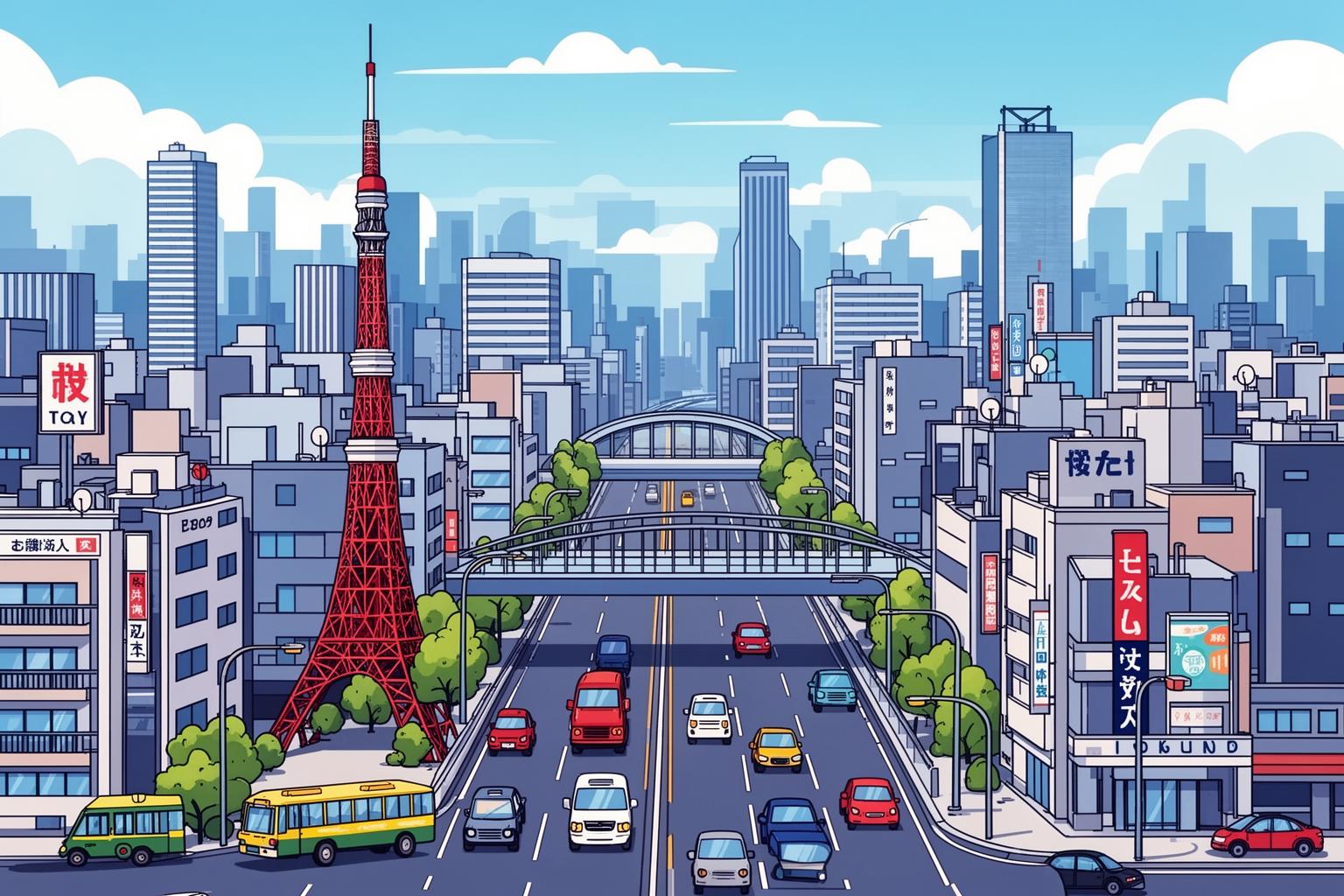
A Makoto Shinkai film is a symphony of details, and a genuine pilgrimage cherishes the small moments just as much as the grand settings. It’s within the smaller, everyday scenes that the world of Your Name. feels most tangible and vibrant. These are the places that anchor the fantastical story in a believable reality, acting as the connective tissue that holds the entire journey together.
A Taste of Italy, Anime Style
Recall the stylish Italian restaurant where Taki worked part-time, trying to impress Okudera-senpai? That restaurant was inspired by a real location: Cafe La Bohème Shinjuku Gyoen. Situated near the park, it’s an ideal spot for lunch or dinner after your walk through the gardens. The moment you walk in, the resemblance is striking. The high ceilings, the grand, theatrical decor, the open kitchen, and the warm, romantic lighting—they’re all present. The ambiance is elegant yet inviting. Enjoying a plate of pasta or pizza here feels like stepping into a scene from the film. It’s an immersive experience that delights all your senses, and the food is genuinely delicious, making it a destination worth visiting on its own.
Practical Tips for Your Tokyo Pilgrimage
Setting out on this urban adventure takes some preparation, but it’s incredibly rewarding. As an outdoor enthusiast who appreciates efficient travel, I have a few tips to help your journey run smoothly. First, invest in a comfortable pair of walking shoes—you’ll be covering a lot of ground, and happy feet are essential. Tokyo’s public transportation system is excellent. Get a Suica or Pasmo IC card; you can tap it on virtually all trains and buses, making travel effortless. Google Maps is indispensable for navigating the intricate train network and winding streets. Pin all your desired locations beforehand to plan a logical route. Many of these spots are scattered across different parts of the city, so organizing your day around a specific area—such as Shinjuku or Yotsuya—will save you time and energy. Finally, bring a portable battery charger. Between navigation, taking photos, and referencing scenes from the film, your phone will be working overtime.
Beyond the Screen: A Connection Forged in Reality
Walking through Tokyo following the footsteps of Taki and Mitsuha is a unique and deeply personal experience. It goes beyond simply ticking off locations to photograph. It is an act of translation, transforming animated scenes into real-life encounters. You sense the strain of climbing the stairs at Suga Shrine in your legs, the buzz of the crowd at Shinjuku Station in your bones, and the serene quietness of Shinjuku Gyoen in your soul. Each place acts as a gateway, enriching your understanding and appreciation of the film’s story and its remarkable artistry.
This pilgrimage reveals that the magic of Your Name. did not arise in isolation. It was inspired by the genuine beauty, energy, and emotions of Tokyo itself. The city is more than a backdrop; it is a living, breathing character, and by wandering its streets, you become part of its tale. You learn to discover the extraordinary within the everyday—a pedestrian overpass, a quiet neighborhood shrine, a cafe hidden on a side street. You leave not just with photographs, but with a feeling—a feeling of connection to a story, to a city, and to the many others who have taken the same journey, all linked by the invisible red string of a shared cinematic dream.