There are places in this world that feel untethered from time, where the air hums with a quiet magic and every shadow seems to hold a story. Deep in the mountains of Gunma Prefecture, tucked away in a narrow valley, lies one such place: Shima Onsen. It’s a town whispered about among film buffs and seekers of old Japan, a place linked by legend and unmistakable aesthetics to Hayao Miyazaki’s animated masterpiece, Spirited Away. To arrive here is to feel as though you’ve crossed a threshold, leaving the mundane world behind for one painted with the hues of nostalgia and folklore. The journey itself, a winding path through cedar-covered hills, feels like a deliberate shedding of the modern world, preparing you for the moment you see it: a crimson bridge arching over a gentle river, leading to a sprawling, multi-tiered wooden inn that seems to climb the mountainside. This is Sekizenkan, the heart of Shima Onsen and a rumored muse for the iconic Aburaya bathhouse. It isn’t just a hotel; it’s a living, breathing piece of history, a portal to an era where gods and spirits might just come to bathe.
The alluring magic of Shima Onsen finds a kindred spirit in a Tokyo pilgrimage that invites visitors to step deeper into Japan’s cinematic folklore.
The Crimson Bridge to Another Realm
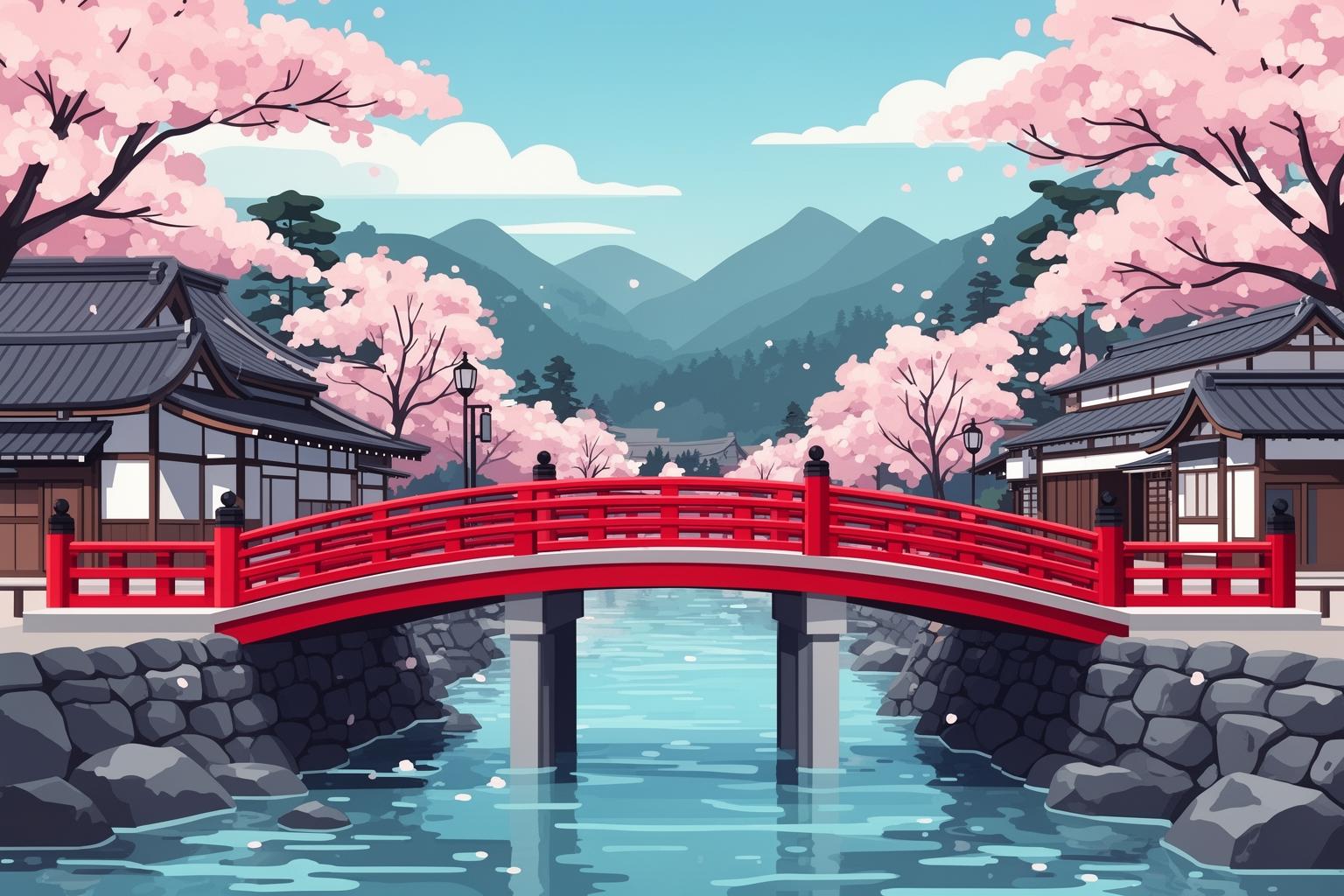
The first genuine encounter with the magic of this place occurs even before you step inside. It’s the Keiun Bridge, a simple yet deeply evocative structure painted in a striking vermilion hue. It stands in vivid contrast to the lush greens of the surrounding forest and the clear, flowing waters of the Shima River below. In the world of Spirited Away, the bridge symbolizes the crossing between the human world and the spirit world, the point of no return for the young protagonist, Chihiro. Standing before its real-world counterpart, you can’t help but sense that same feeling of transition. The air shifts here. The sound of the river seems to speak an entirely different language. As you walk across its wooden planks, the intricate façade of Sekizenkan rises ahead, a labyrinth of windows, roofs, and balconies. It’s a photographer’s dream and a storyteller’s perfect opening scene. In the soft light of late afternoon, the red of the bridge glows with a warm inner radiance. At night, illuminated by the gentle lantern light from the inn, it transforms into a beacon—a pathway into a dream. You instinctively slow your pace, absorbing the weight of the moment. This is more than just a bridge; it’s a promise of the wonders to come, an invitation to suspend disbelief and embrace the fantasy.
Sekizenkan: A Labyrinth of Living History
Sekizenkan is not just a single building but a beautiful, sprawling complex that has evolved over centuries. Its story began in 1691 with the construction of the Honkan, the main building, now recognized as Japan’s oldest existing wooden hot spring hotel. This part of the inn is a treasure trove of architectural history and is designated as a Tangible Cultural Property. Walking through its corridors, you feel the smooth, worn wood beneath your feet, hear the gentle creak of the floorboards, and catch the subtle, clean scent of tatami and cypress. The rooms in the Honkan are wonders of simplicity, reflecting an era when samurai and merchants sought refuge in the healing waters. They are modest, without modern amenities like private baths, but offer something far more valuable: authenticity. You sleep on a futon laid out on tatami mats, listen to the river flowing outside your shoji screen window, and feel connected to the hundreds of years of travelers who have done the same.
The Layers of Time
Connected to the historic Honkan is a captivating architectural feature: the “Roman Tunnel.” This underground passageway, with its tiled, arched ceiling, feels like a secret waiting to be discovered. It links the oldest part of the inn to the Sanso wing, built in 1936. Entering the Sanso is like stepping forward in time. The style is Taisho Roman, a fascinating blend of Japanese aesthetics and early 20th-century Western Art Deco influences. The details are exquisite—intricate wooden carvings above the doorways, stained-glass windows casting colorful patterns on the walls, and elegant, spacious rooms overlooking the forested mountains. It was constructed as a luxurious retreat for the discerning traveler of its era, and it still carries that air of sophisticated grace. Beyond that lies Kashotei, the most modern and luxurious wing, offering expansive suites with private open-air baths. The brilliance of Sekizenkan lies in how these three distinct eras are connected, allowing you to literally walk through time—from the rustic simplicity of the Edo period to the elegant fusion of the Showa era and the refined comfort of today. Each wing tells a unique story, yet together they create a single, coherent narrative of healing, hospitality, and history.
The Healing Waters of Forty Thousand Cures
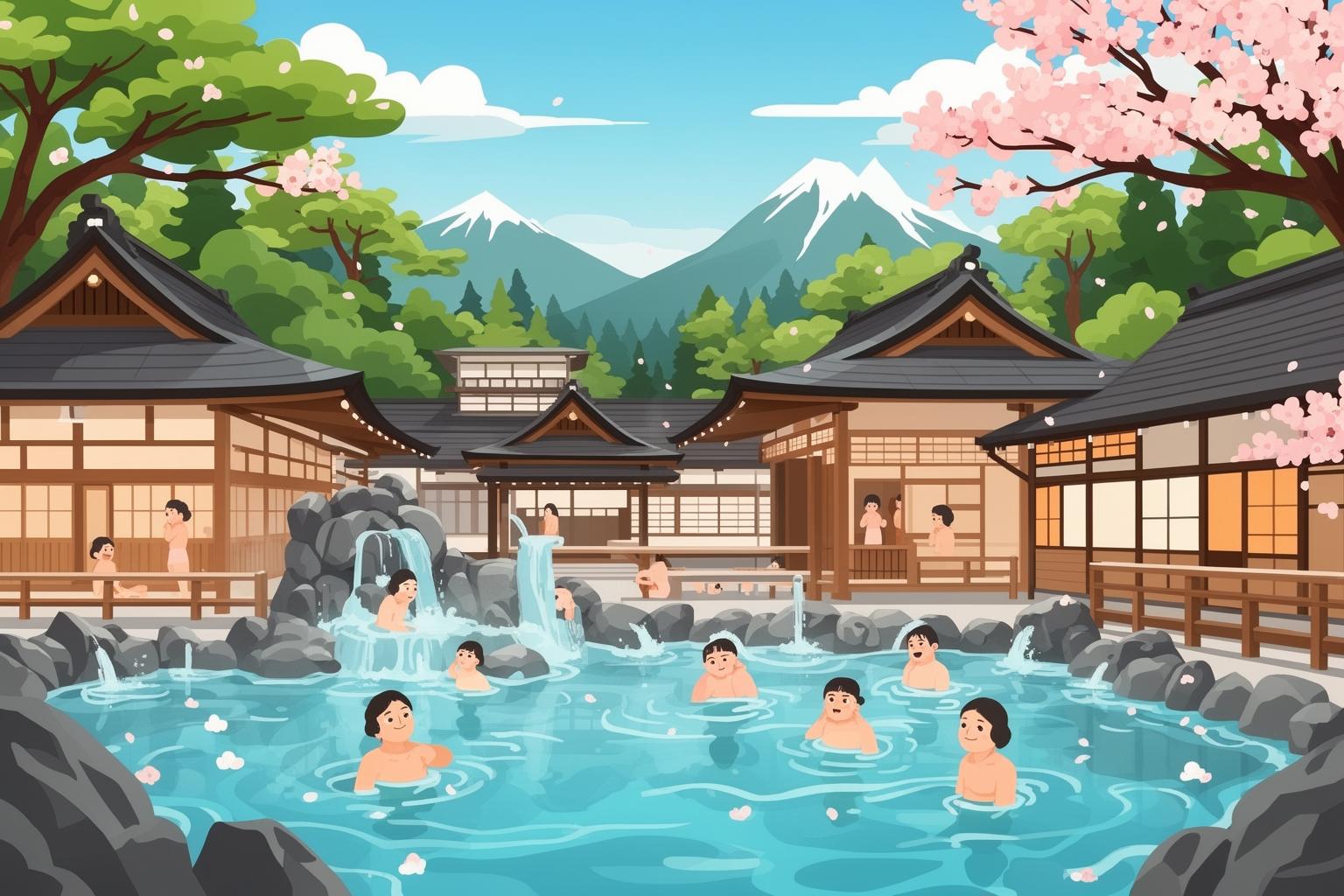
At the heart of Shima Onsen’s identity lies its water. The name “Shima” itself means “forty thousand,” inspired by a legend that its waters can heal forty thousand different ailments. Though a fanciful tale, it reflects the strong belief in the restorative power of Japanese onsen. The water here is a gentle calcium and sodium sulfate spring, celebrated for being exceptionally soft on the skin and beneficial for gastrointestinal health. In fact, Shima is one of the rare onsen towns where the water is valued as much for drinking as for bathing. Public drinking fountains are available where you can sample the warm, slightly salty mineral water—a ritual considered as essential to the experience as soaking in it.
Bathing in History
The bathing experience at Sekizenkan is as diverse as its architecture. The most iconic bath is the Genroku no Yu, found in the Sanso wing. It’s a stunning, high-ceilinged hall with large arched windows that flood the space with natural light. The style is distinctly retro, evoking the romanticism of the Taisho era, often called a “Roman-style” bath. You step down a small set of stone stairs into the large, tiled pool, with steam rising around you. There are five separate stone pools, each filled directly from the spring source. It’s a communal, shared experience that feels both grand and deeply soothing. For a more intimate and historic soak, the original baths in the Honkan, known as Mori no Yu, offer a smaller, rustic atmosphere. And for those seeking a modern and private experience, the Kashotei wing delivers the ultimate luxury. But whichever bath you choose, the effect is the same: a slow dissolution of stress, a profound sense of peace that penetrates your bones, and the feeling of participating in a tradition central to Japanese culture.
Whispers of the Kami on a Lantern-Lit Night
As dusk settles over the valley, Shima Onsen undergoes a remarkable transformation. The daytime charm of a tranquil mountain town fades, giving way to an atmosphere filled with mystery and enchantment. This is when the connection to Spirited Away becomes most vivid. The wooden façade of Sekizenkan begins to glow as dozens of lanterns are lit, their warm, golden light reflecting off the damp stone paths and the dark surface of the river. Steam rises in gentle plumes from hidden vents, softening the boundaries of reality. The world contracts to the intimate circle of light surrounding the inn. Gazing up at the countless illuminated windows of the ryokan, it’s easy to envision the bustling, chaotic world of the Aburaya bathhouse, teeming with spirit guests. You half-expect to see a soot sprite dart across a rooftop or a silent, masked spirit glide over the red bridge. The river’s sound is a steady, rhythmic hush, serving as the backdrop to the quiet murmur of guests in yukata strolling through the narrow streets. This nocturnal atmosphere is the essence of Shima Onsen. It invites you to move slowly, to pause and listen, to simply be present in a world that feels enchanted. It reminds us that the film’s magic wasn’t conjured from thin air; it was inspired by the very real, tangible magic that already existed in places like this.
Exploring the Nostalgic Streets of Shima
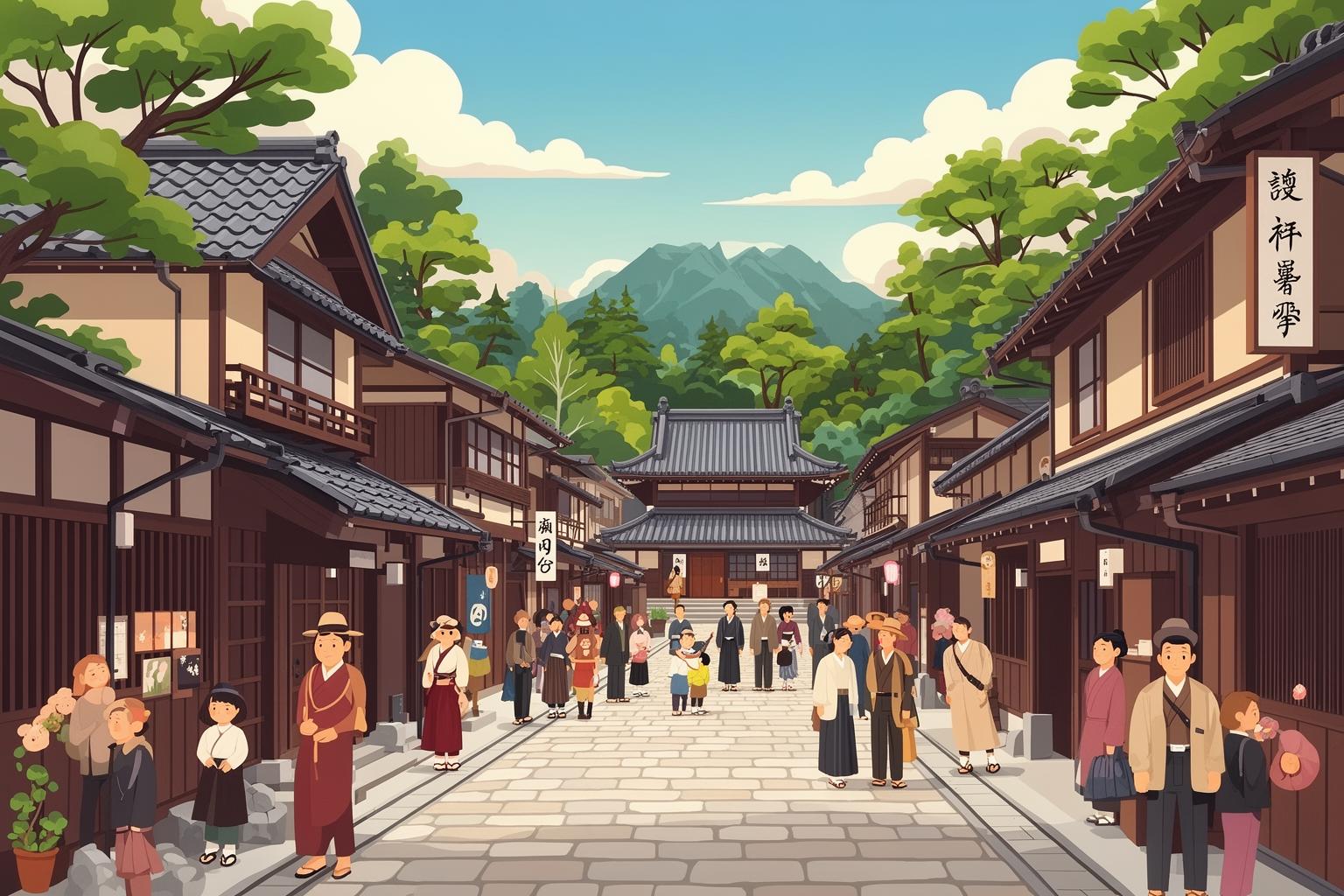
While Sekizenkan remains the undeniable highlight, the small town of Shima Onsen possesses its own subtle charm. It’s a place meant for leisurely wandering, not hurried movement. A single road runs alongside the river, lined with quaint traditional inns, souvenir shops selling local crafts and treats, and even a retro smart ball parlor that feels like a nostalgic relic from another time. The crackle of the game machines and the cheerful tunes spilling onto the street add a playful touch of nostalgia to the otherwise peaceful setting. A short stroll along the river leads to small waterfalls, shrines nestled in the woods, and footbaths where you can soothe your tired feet in warm spring water. One simple delight of the town is buying a handful of onsen manju—sweet buns steamed using the heat of the hot springs—and enjoying them while watching the river flow by. Life here follows a comforting rhythm: unhurried and deeply tied to nature and tradition. For visitors, it offers a refreshing escape and a chance to disconnect from digital distractions, reconnecting with the simple pleasures of a quiet walk, a warm snack, and a beautiful view.
The Shima Blue Phenomenon: A Natural Wonder
Just a short bus or car ride from the onsen town lies a natural wonder that offers a striking contrast to the historic man-made charm of the ryokan: Lake Okushima. This lake is the source of the famed “Shima Blue.” The water in this reservoir, along with the river flowing from it, displays an almost unbelievable shade of deep, ethereal blue. The color shifts with the weather and time of day, ranging from a brilliant cobalt under clear skies to a milky turquoise on overcast days. A walking path encircles the lake, providing breathtaking views from multiple vantage points. The most popular activity is crossing the suspension bridges that stretch over the water, giving the sensation of floating above the impossible blue. The hue is said to result from unique minerals in the water that reflect light in a very specific way, but understanding the science does little to lessen the pure awe of witnessing it. It serves as a powerful reminder of the pristine natural environment that nurtures the healing hot springs. Visiting here perfectly complements a stay in Shima Onsen, balancing cultural immersion with an encounter of raw, untouched natural beauty. In autumn, the vibrant red and orange leaves of the surrounding forest create a stunning tapestry of color against the blue water, making it an especially popular season for photographers and nature lovers.
A Culinary Journey: The Art of Kaiseki
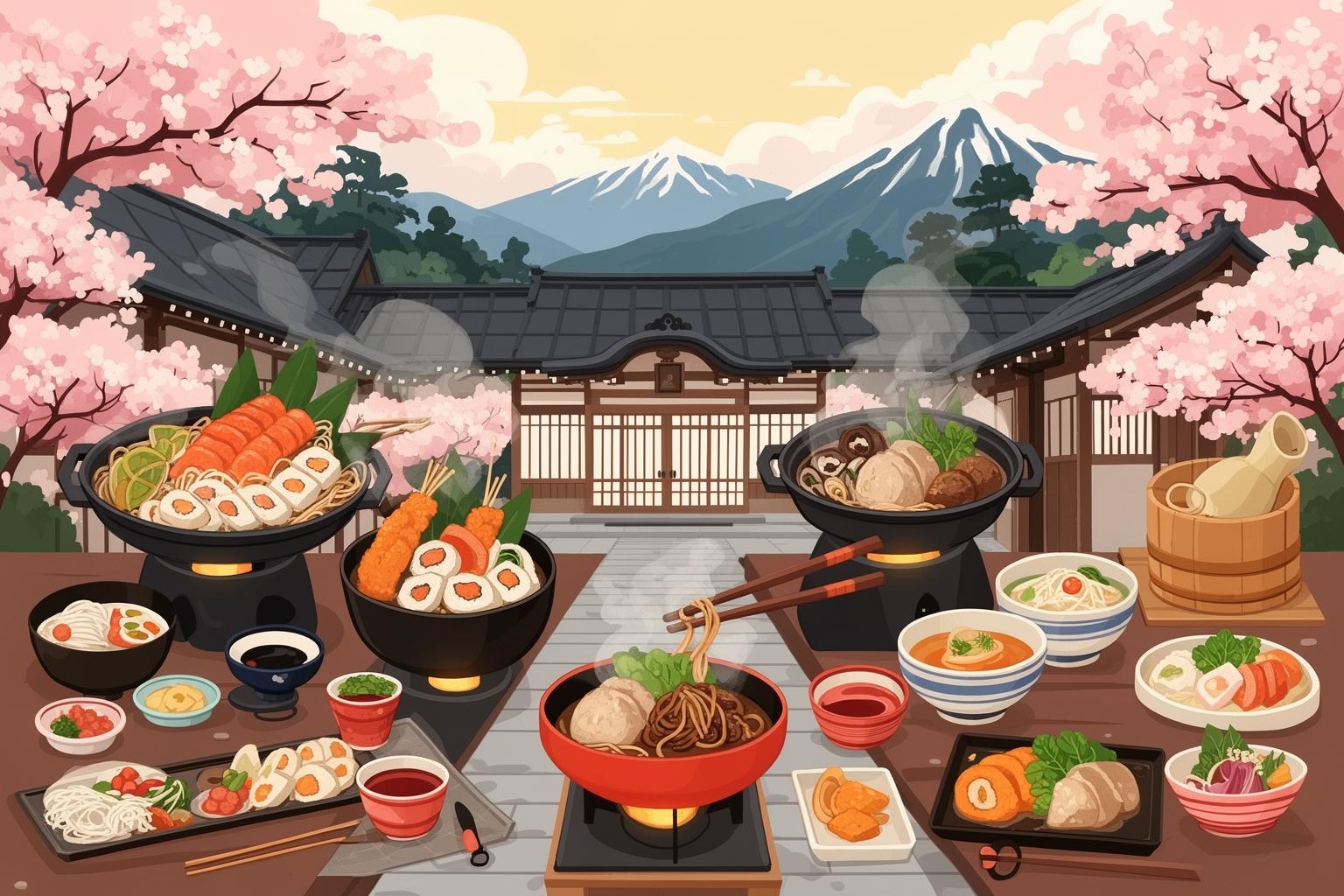
Staying at a traditional ryokan such as Sekizenkan offers an immersive cultural experience, especially evident during mealtime. Dinner typically consists of a kaiseki-ryori feast, a multi-course meal that is both a culinary delight and a work of art. Each dish is carefully crafted with seasonal, local ingredients and served on thoughtfully selected ceramics and lacquerware. The meal takes you on a journey through a variety of tastes, textures, and cooking techniques. You might begin with a delicate appetizer featuring mountain vegetables, followed by a clear soup, pristine sashimi slices, a grilled local river fish, and a simmered dish of tender meat with root vegetables. The experience is designed to be savored slowly; each course is delivered to your room or a private dining area, allowing you to enjoy it at your own pace. This holistic experience engages all your senses. The visual beauty of the presentation, the subtle flavors of the ingredients, and the attentive service come together to create a deeply memorable occasion. It embodies omotenashi, the Japanese philosophy of wholehearted hospitality, and offers a delicious glimpse into the region’s abundant offerings.
A Practical Guide for the Modern Pilgrim
Reaching this hidden gem is part of the journey. From Tokyo, the typical route involves taking a Shinkansen or local train to Nakanojo Station. From there, a scenic 40-minute bus ride winds its way up into the mountains, ultimately bringing you to the heart of Shima Onsen town. It’s advisable to check the bus schedule ahead of time, as services can be infrequent, particularly in the evening. For a stay at Sekizenkan, especially in the historic Honkan or the elegant Sanso, booking well in advance is crucial. These rooms are highly sought after not only for their beauty but also for their cultural importance. When packing, consider layers since mountain weather can be unpredictable. Comfortable walking shoes are essential for exploring the town and the nearby lake. Most importantly, come with an open mind. A traditional ryokan experience includes customs that may be unfamiliar to first-time visitors, such as wearing a yukata robe around the inn and to dinner, sleeping on futons, and observing the etiquette of the communal onsen. Embrace it all as part of the experience. The staff are used to international guests and are always happy to offer gentle guidance.
Capturing the Moment: A Photographer’s Perspective
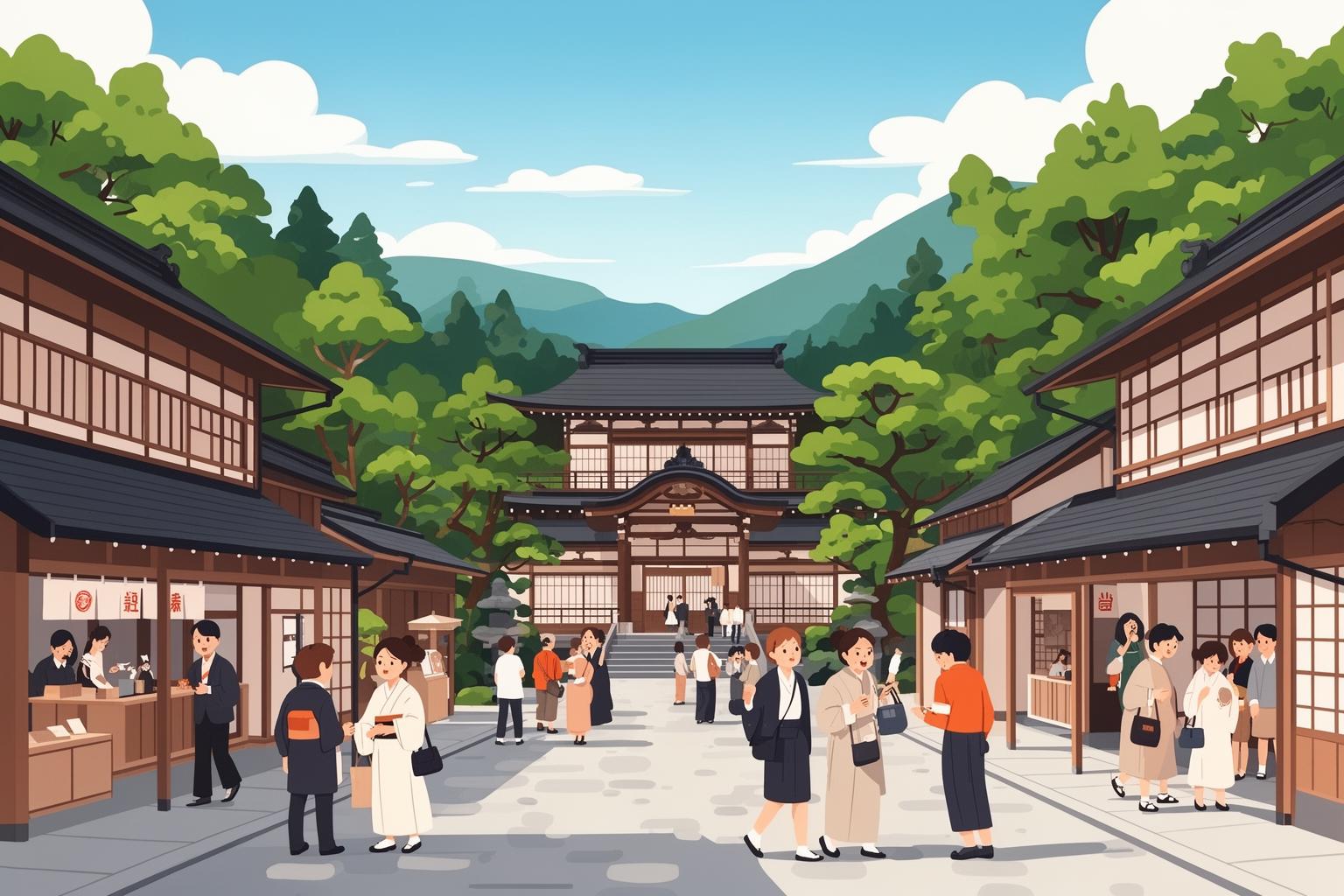
From a photographer’s perspective, Shima Onsen is a place of infinite inspiration. The challenge lies in capturing its atmosphere, not merely its architecture. The blue hour, that enchanting period just after sunset, is ideal for photographing the Keiun Bridge and the glowing façade of Sekizenkan. The deep blue sky forms a perfect backdrop for the warm, golden glow of the lanterns. A tripod is essential here to allow long exposures that smooth the river’s water and capture the scene in sharp detail. During daylight, emphasize textures—the gnarled wood of aged beams, the intricate patterns of the shoji screens, and the steam rising from the onsen. Inside Genroku no Yu, the steam and low light present challenges, but the reward is a timeless, ethereal image. When visiting Lake Okushima, a polarizing filter is crucial. It cuts through the glare on the water’s surface, intensifying the stunning Shima Blue and making the colors stand out. Beyond the technical tips, the most important aim is to convey the feeling of the place: the tranquility, the nostalgia, and the faint whisper of a world just beyond our own.
Finding Your Own Spirited Moment
A visit to Shima Onsen is more than just a journey to a picturesque destination; it’s an experience that stays with you long after you’ve left. It’s the sensation of warm onsen water on your skin, the flavor of a flawlessly prepared meal, the sound of the river gently lulling you to sleep. It’s the excitement of recognition, seeing a place that ignited a filmmaker’s imagination and feeling that same spark awaken within yourself. Whether you arrive as an anime fan, a history enthusiast, or simply a traveler seeking tranquility, you’ll discover something here that resonates with you. Crossing the red bridge, you do so not merely as a tourist but as a pilgrim, departing with the quiet realization that while spirits and dragons belong to the realm of film, the magic that inspired them is genuinely very real.