Step off the clattering tram in Matsuyama, and the air itself seems to change. It thins, carrying with it the faint, clean scent of sulfur and the whisper of centuries. This is Dogo, a town that doesn’t just display its history but breathes it. At its heart stands a magnificent, multi-tiered wooden structure, a labyrinth of balconies, paper screens, and curved tile roofs that seems to have been plucked directly from a dream. For millions around the world, it was. This is the Dogo Onsen Honkan, one of Japan’s oldest and most revered hot springs, and the architectural muse that helped Hayao Miyazaki conjure the enchanting, chaotic, and beautiful Aburaya bathhouse in his masterpiece, Spirited Away. To visit Dogo is to walk a delicate line between the real and the ethereal, to follow in the footsteps of emperors, poets, and perhaps even a few lingering spirits. It’s a pilgrimage not just for fans of animation, but for anyone seeking to soak in the very essence of Japanese heritage, where every splash of water tells a story three thousand years in the making. Here, the modern world gently recedes, and you are invited to partake in a ritual as old as the islands themselves.
For those enchanted by Dogo Onsen’s ancient spirit, discovering an iconic Your Name staircase in Tokyo can extend your journey through Japan’s storied legacies.
The Echo of the Spirit World: Miyazaki’s Muse
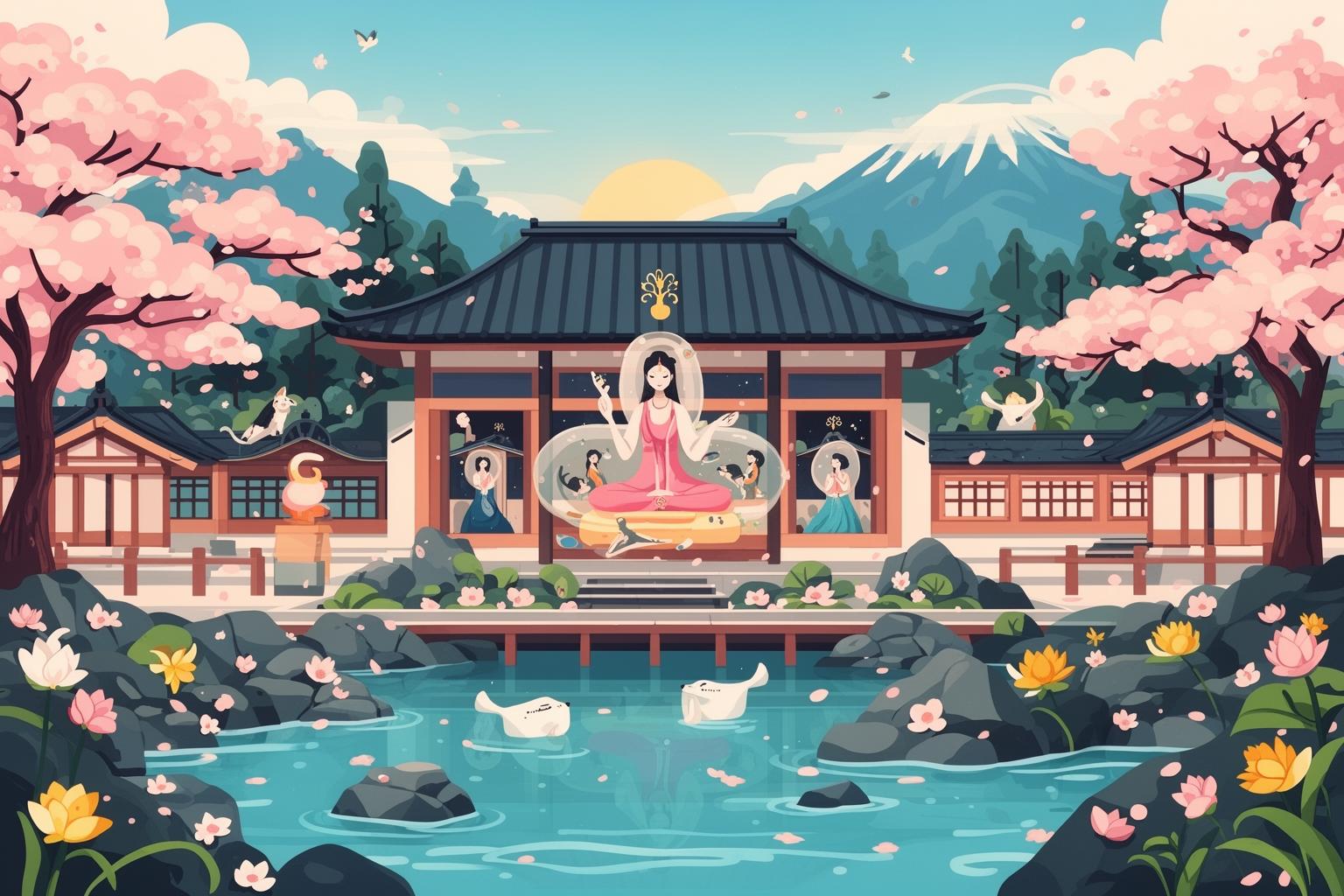
The moment you set eyes on the Dogo Onsen Honkan, the connection is immediate and profound. Its complex, almost precarious silhouette against the sky embodies the Aburaya brought to life. You can almost imagine soot sprites darting in the boiler room below and hear the chorus of frog-like attendants welcoming a procession of gods. Though Studio Ghibli has never officially confirmed a single location as the sole inspiration for Spirited Away, Hayao Miyazaki himself has mentioned his travels and the impressions various bathhouses made on him. The Dogo Onsen Honkan, recognized as an Important Cultural Property with its incredibly intricate design, is undeniably the closest real-world equivalent. The Shinrokaku, the drumming tower atop the main building, is struck three times daily, its rich, resonant sound echoing through the streets—a call to the baths that feels like an invitation to another realm. As you walk through its narrow, winding wooden corridors, you encounter countless shoji screens and steep staircases linking its multiple levels. The interior is a disorienting yet beautiful maze, much like the one Chihiro navigated. The steady hum of activity, the clatter of wooden sandals on the floors, and the sight of guests relaxing in their lightweight cotton yukata all combine to create an atmosphere that feels alive, a place where the ordinary and the magical coexist as two sides of the same coin.
A History Steeped in Myth and Legend
Long before it inspired animators, Dogo Onsen was a place steeped in legend. Its story dates back about 3,000 years to the tale of a white heron. The bird, having injured its shin, was seen returning daily to a specific spring, dipping its leg into the steaming water. After some time, the heron was fully healed and flew away, leading to the discovery of Dogo’s miraculous waters. This legend is celebrated throughout the town, with heron motifs decorating everything from the building itself to manhole covers. The onsen is referenced in Japan’s earliest historical records, including the Man’yoshu, an 8th-century poetry anthology. Its most distinguished claim to fame, however, is its association with the Imperial Family. In 1899, a special wing called the Yushinden was constructed exclusively for their use. This exquisite space, made from the finest cypress wood and embellished with luxurious details, remains the only bathhouse in Japan reserved for royalty. Visitors can tour these rooms, admiring the intricate metalwork, elegant tatami chambers, and private granite bath, offering a rare insight into the pinnacle of Meiji-era craftsmanship and the profound cultural significance of these waters.
The Art of the Onsen: A Guide to Dogo’s Waters
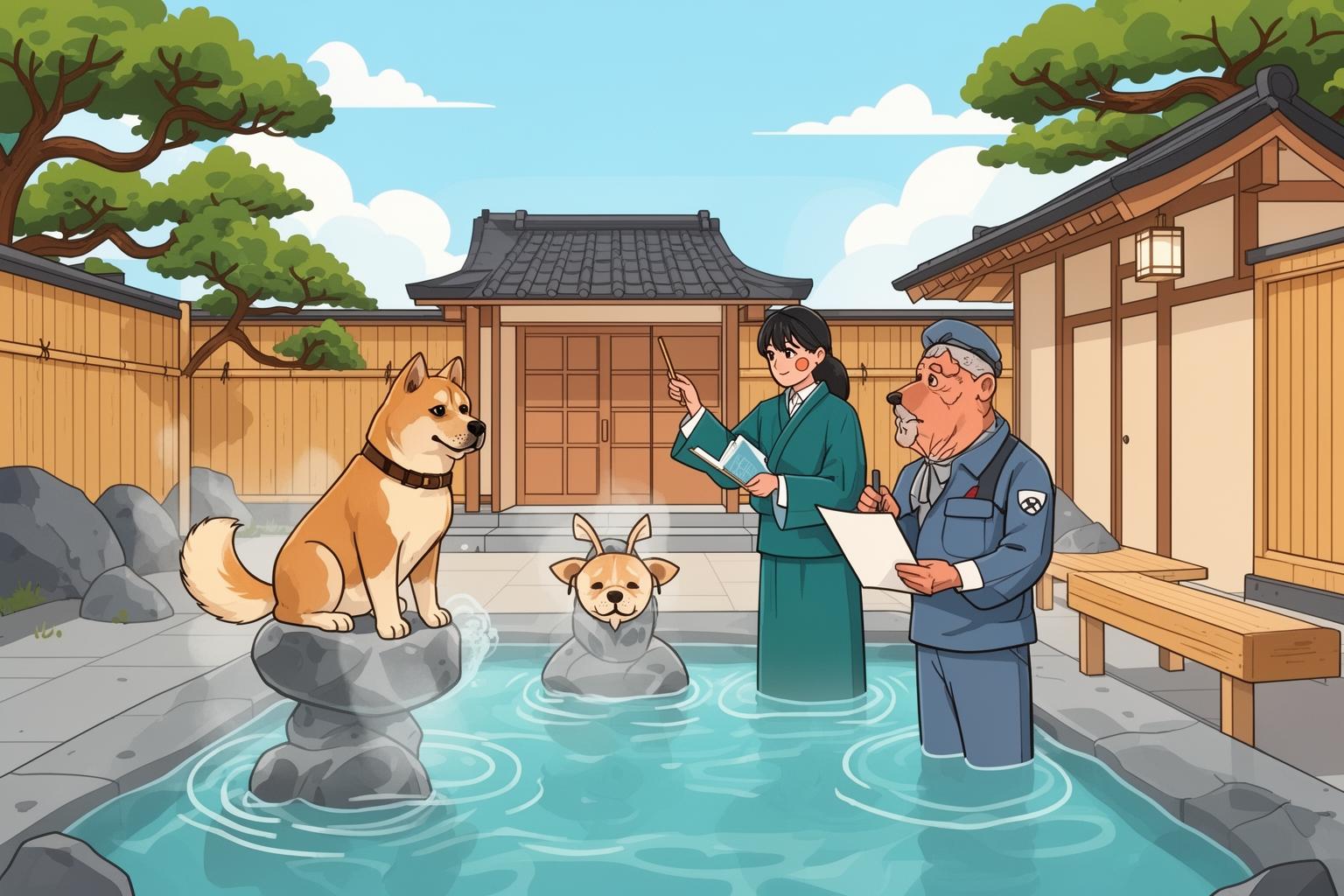
Experiencing Dogo Onsen is a journey unto itself, with multiple bathhouses each offering a unique atmosphere. The alkaline spring water, gentle on the skin, is renowned for its beautifying and healing qualities, making it ideal for soothing tired muscles after a day of travel. The water temperature is quite hot, around 42 degrees Celsius, which feels invigorating and deeply relaxing once you adjust. While the iconic Honkan serves as the historic centerpiece, its sister baths offer wonderful and sometimes more accessible alternatives.
The Majestic Honkan: A Living Museum
At present, the Dogo Onsen Honkan is undergoing a significant, multi-year preservation and renovation effort. This monumental project aims to ensure the building can be appreciated for another century. Although some areas may be closed during this time, the main first-floor bath, Kami no Yu (Bath of the Gods), remains open to visitors. Bathing here is a truly special experience. The cavernous room, built from stone, resonates with the sound of flowing water. At its heart is a large stone fountain, the Yu-gama, from which the hot spring water gushes forth. Sharing these waters is a communal ritual that connects you with countless generations who have bathed here through the ages. Depending on your ticket, after your bath you can ascend to one of the public tatami lounges on the second floor. There, wearing a rented yukata, you can relax, sip green tea, and enjoy a local sweet, just as visitors have done for over a century. It is a moment of pure tranquility—a step back to a more graceful era.
Asuka-no-Yu: Tradition Reimagined
A short walk from the Honkan, Asuka-no-Yu is a stunning bathhouse that opened in 2017. Its architectural style draws inspiration from the Asuka period (592–710 AD), creating a space that feels both ancient and fresh. The bathhouse beautifully incorporates traditional crafts from Ehime Prefecture, featuring intricate decorative tiles and striking calligraphy. It provides a slightly more modern and spacious bathing experience, including open-air baths (rotenburo) where you can gaze at the sky while soaking. For those seeking privacy, Asuka-no-Yu also offers replicas of Yushinden’s imperial bathing rooms, available for private reservation, allowing guests a taste of royal luxury. It serves as a wonderful complement to the Honkan, showcasing how Dogo’s onsen culture continues to evolve while honoring its deep heritage.
Onsen Etiquette for First-Time Visitors
For newcomers to Japanese hot springs, the experience might seem intimidating at first, but the customs are straightforward, founded on respect for others and the water itself. First, you must wash your body thoroughly before entering the bath. Small stools and showers are provided in the washing area. Once clean, you may enter the main bath. Your small towel is meant for modesty while moving around and for washing but should never be dipped into the bathwater; most people place it on their head or beside the tub. Swimsuits are not permitted. The baths are intended for quiet relaxation, so avoid splashing or loud conversation. It’s a place for serene contemplation, allowing the water to work its magic in peace. Following these simple guidelines ensures a comfortable and authentic experience for everyone.
Beyond the Baths: Exploring the Charms of Dogo
The magic of Dogo stretches well beyond the bathhouse doors. The whole district is designed for relaxed exploration, with surprises around every corner. The best way to experience it is by wearing a yukata provided by your hotel or ryokan and wandering through the streets, blending into the timeless scenery.
Dogo Haikara Dori: A Walk Through History
Leading straight to the Honkan is Dogo Haikara Dori, a covered shopping arcade buzzing with energy from morning till night. It’s a charming blend of old and new. Here, you’ll find shops selling exquisite local Tobe-yaki pottery, soft Imabari towels, and a variety of souvenirs. The air is filled with the aroma of roasting rice crackers and sweet pastries. This spot is ideal for sampling the flavors of Ehime Prefecture, renowned across Japan as the “Citrus Kingdom.” You’ll discover every imaginable mikan (a type of mandarin orange) product, from fresh juice and jellies to ice cream and even beer. At the arcade’s entrance stands the Botchan Karakuri Clock, a whimsical clock tower that springs to life every hour. Characters from Natsume Soseki’s famous novel Botchan appear in a delightful musical display. Nearby, several free public footbaths, or ashiyu, invite you to soak your feet in warm onsen water while observing the bustling street.
A Taste of Matsuyama: Enjoying Local Flavors
No visit to Matsuyama is complete without savoring its signature dishes. The must-try specialty is Tai-meshi, sea bream cooked with rice. There are two distinct styles: one where the whole fish is cooked with the rice in an earthenware pot, and another more regional style where slices of fresh sea bream sashimi are dipped in a special sauce of egg, soy, and dashi, then poured over hot rice. Both are truly delicious. For a sweet delight, seek out Botchan dango, a skewer of three small, colorful mochi dumplings flavored with red bean, egg, and green tea. Named after the protagonist of Soseki’s novel, they pair perfectly with the post-onsen tea served in the Honkan’s lounge. Exploring local eateries and cafes is a wonderful way to experience the region’s culture through its cuisine.
Ishite-ji Temple: A Pilgrim’s Haven
Just a short walk or tram ride from the onsen district is Ishite-ji, the 51st temple on the famous 88-temple Shikoku Pilgrimage. It feels like a peaceful retreat from the busy tourist hub. The temple grounds form an extensive, intriguing complex filled with aged wooden halls, impressive statues, and the soothing scent of incense. The atmosphere is steeped in spirituality and history. You’ll often see pilgrims, or o-henro-san, dressed in traditional white clothing and conical hats, stopping to pray. One of the temple’s most distinctive features is a dark, winding underground cave tunnel filled with numerous Buddhist statues and carvings. Exploring its eerie passages is an unforgettable experience said to bring blessings to those who traverse it. A visit to Ishite-ji adds a profound spiritual dimension to your journey through Dogo.
Rhythms of the Seasons: When to Visit Dogo
Dogo Onsen is a destination that showcases unique charms throughout the year, making every season an ideal time to visit. Spring is especially beautiful, as cherry blossoms burst into bloom around Matsuyama Castle and Dogo Park, creating a picturesque setting for a stroll after a bath. The weather is mild and pleasant, perfect for exploration. In summer, the evenings come alive with activity. The streets fill with people wearing yukata, and the warm air makes an outdoor footbath particularly enjoyable. It’s a festive season, marked by local events and the vibrant colors of summer kimonos. Autumn brings comfortable temperatures and breathtaking fall foliage. The surrounding hills and parks are painted in shades of red, orange, and gold, providing a stunning backdrop to the historic town. This is perhaps the most comfortable season for walking and sightseeing. Winter, however, might be the most magical time of all. There is nothing quite like soaking in a steaming hot onsen while the outside air remains crisp and cold. On a chilly evening, the steam rising from the Honkan’s rooftop creates an otherworldly spectacle, making the Spirited Away connection feel more vivid than ever.
Practical Pathways: Getting to and Around Matsuyama
Although located on the island of Shikoku, Matsuyama is surprisingly easy to reach. The most convenient way to get there is by flying into Matsuyama Airport (MYJ), which offers frequent connections to Tokyo, Osaka, and other major cities across Japan. From the airport, a limousine bus will take you directly to the Dogo Onsen area in about 40 minutes. Alternatively, you can take the Shinkansen (bullet train) to Okayama on Honshu, the main island, and then transfer to the JR Shiokaze Limited Express train, which takes around two and a half hours to reach Matsuyama. The route provides stunning views of the Seto Inland Sea. Once in Matsuyama, the best way to reach Dogo Onsen is via the city’s charming streetcar system. For a unique experience, hop on the “Botchan Train,” a diesel-powered replica of the original steam locomotives from the Meiji era. It’s a noisy, nostalgic, and thoroughly enjoyable ride. The Dogo Onsen area is compact and ideal for exploring on foot, with all the main attractions, bathhouses, and shops conveniently located within walking distance, making it a perfect spot to slow down and explore at your own pace.
An Invitation to Timeless Waters
A journey to Dogo Onsen is more than just a vacation; it is an immersion. It offers a chance to step beyond the ordinary into a realm where ancient legends, imperial history, literary classics, and modern animation all meet within the rising steam of a sacred spring. It is a place to heal your body with mineral-rich waters and to soothe your soul in an ambiance of profound peace and timeless beauty. Whether you are drawn by the ghostly echoes of Miyazaki’s spirit world or the deep allure of Japan’s enduring history, Dogo welcomes you. Come, leave the worries of the modern world behind, don a simple yukata, and listen. You might just hear the stories the water has been telling for three thousand years—a gentle invitation to relax, rejuvenate, and reconnect with something truly magical.