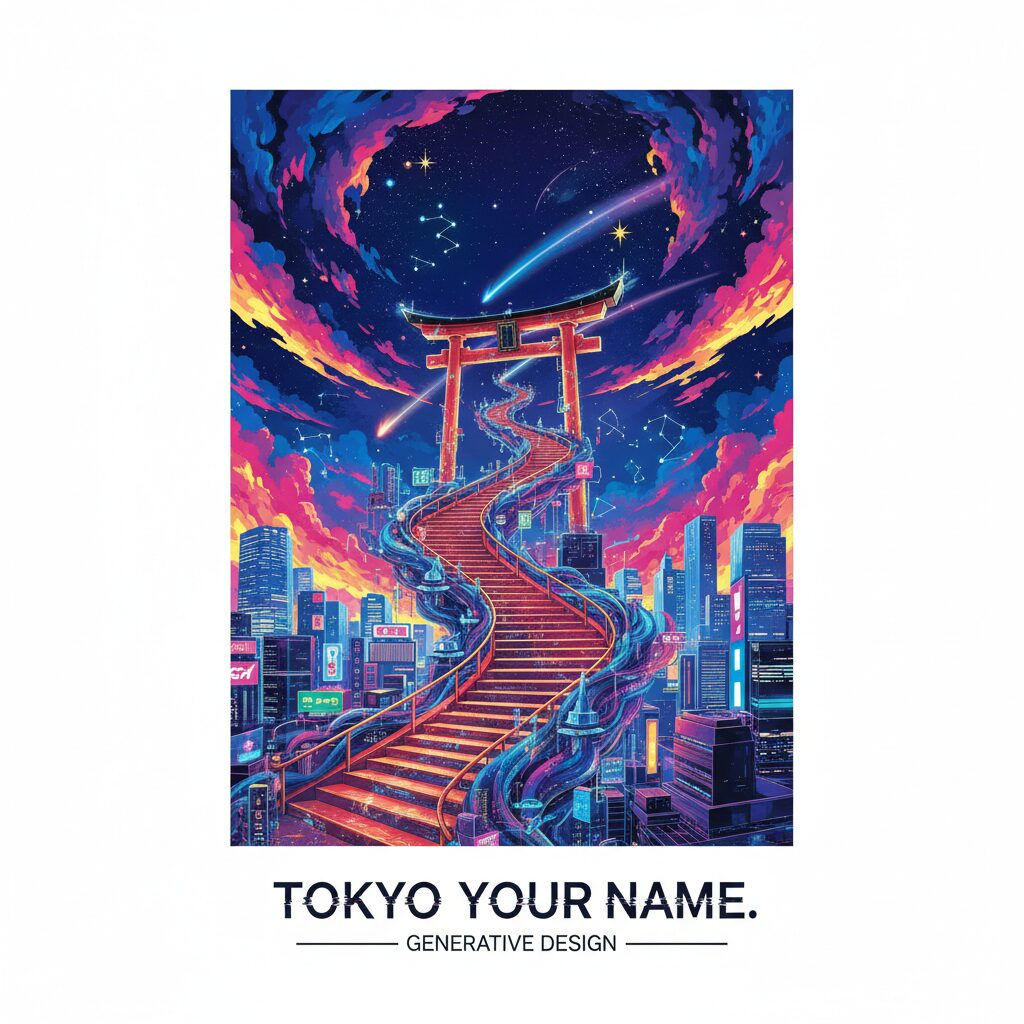
There’s a feeling that lingers long after the credits roll on Makoto Shinkai’s masterpiece, Your Name. It’s a quiet ache, a sense of searching for a person or a place just beyond the veil of memory. It’s the phantom weight of a name on the tip of your tongue, a bond that transcends time and space. For millions around the globe, this feeling isn’t just an abstract emotion from a film; it has a physical anchor. It exists in a quiet, unassuming corner of Tokyo, on a simple set of stairs leading up to a local shrine. This is the place where the film’s star-crossed protagonists, Taki and Mitsuha, finally meet, their journeys converging in a breathtaking, heart-stopping moment. Welcome to Yotsuya, home of the Suga Shrine stairs, a location that has transformed from a neighborhood path into a global pilgrimage site, a testament to the power of storytelling. Here, the line between Shinkai’s luminous animation and the tangible reality of Tokyo blurs, inviting you to step into the frame and feel the echo of that cinematic magic for yourself. This guide is your invitation to not just see the stairs, but to experience the atmosphere, the neighborhood, and the profound connection that makes this place so special.
For those captivated by the magic of storytelling in Tokyo, a visit to the Ghibli museum provides another enchanting way to connect with the spirit of the city.
The Echo of a Cinematic Masterpiece
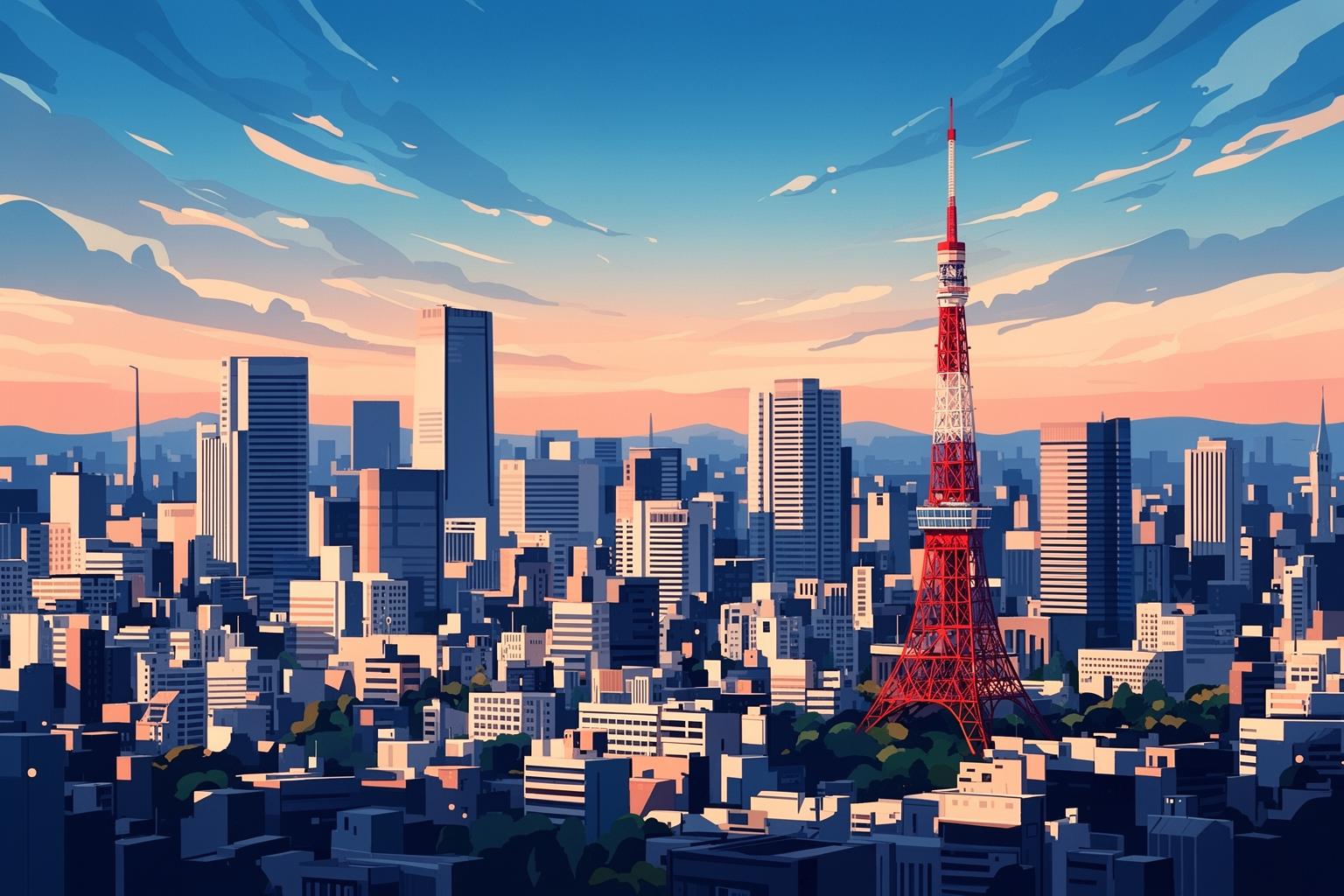
To grasp the significance of these stairs, you must feel the heartbeat of Kimi no Na wa. Makoto Shinkai is a director celebrated for his hyper-realistic yet dreamlike depiction of Japan. His worlds glow with shimmering light, streaked with lens flare, and infused with a tangible sense of longing, or mono no aware—the gentle sadness of fleeting moments. In Your Name, he crafts a story about two teenagers, a city boy named Taki and a country girl named Mitsuha, who mysteriously swap bodies. Their journey shifts from comedic confusion to a frantic race against a cataclysmic destiny, their bond growing stronger with each exchanged day. The entire film leads up to their meeting, a reunion of souls who deeply know each other but have never truly met. The stairs at Suga Shrine serve as the stage for this climax. It’s where, years later, they pass one another as adults, a spark of recognition glimmering between them. They hesitate, continue walking, but then Taki turns, his voice carrying years of unspoken longing, and asks the question the audience has been waiting for: “Kimi no na wa?” or “What’s your name?” This moment encapsulates every emotion the film stirs: hope, loss, fate, and the profound relief of finding what you didn’t know you were seeking. This is why a simple staircase in Tokyo has become sacred ground for fans. It’s not merely a backdrop; it’s a vessel for one of modern cinema’s most powerful emotional climaxes.
Finding Your Way to Yotsuya: The Journey Begins
The pilgrimage to this iconic location is an experience in itself, marking a gradual shift from the vibrant core of Tokyo to a tranquil residential enclave. It reveals the city’s complex character, where towering skyscrapers gradually give way to quiet, narrow lanes. The journey is as much about the walk as it is about the destination, a slow unveiling that builds anticipation with each step away from the station and deeper into the local ambiance.
Access and Transportation
Your adventure starts at Yotsuya Station, a well-connected hub served by the JR Chuo-Sobu Line and Tokyo Metro’s Marunouchi and Namboku Lines. This makes it easily reachable from key areas such as Shinjuku, Tokyo Station, and Ginza. Upon exiting the station, you’ll find yourself in a typically bustling Tokyo environment, surrounded by office buildings, restaurants, and Sophia University’s campus. The enchantment begins as you start walking, a journey of about ten to fifteen minutes. You’ll move away from main roads, guided by your phone’s map through a maze of smaller streets. The noise of traffic gradually diminishes, replaced by the gentle sounds of neighborhood life. Along the way, you’ll pass small apartment buildings adorned with carefully tended plants on their balconies, vending machines softly glowing at street corners, and perhaps a local resident cycling by with groceries. This slow immersion into Yotsuya’s calm atmosphere is essential to the experience. It provides a break from the city’s sensory overload and primes you for the emotional moment of arrival. The path isn’t marked by large signs, preserving its genuine, lived-in charm. It feels less like a tourist spot and more like a personal discovery, a secret you uncover on your own.
The Best Time for Your Cinematic Moment
Choosing the right time to visit can greatly enhance the experience, allowing you to capture the ethereal quality Shinkai so brilliantly conveys. For the fullest immersion into the film’s aesthetic, aim for early morning. As the sun rises, it spreads a soft, diffused light across the city, bathing the scene in gentle tones reminiscent of Your Name. At this time, the neighborhood is just waking up, and you’ll likely have the stairs almost entirely to yourself. This quiet solitude is invaluable, giving you space to take photos and absorb the atmosphere without the distraction of crowds. Late afternoon presents another magical opportunity during the renowned “golden hour.” The setting sun casts warm shades of orange and pink across the sky, creating long, dramatic shadows that evoke nostalgia and beauty. This light perfectly accentuates the iconic red handrail and the texture of the stone steps. Visiting in spring is especially rewarding, as you might catch cherry blossoms blooming nearby, adding a fleeting layer of natural beauty. On the other hand, the crisp, clear air of autumn offers sharp, clean light that makes the distant city skyline stand out vividly. It’s best to avoid midday, particularly on weekends, when the harsh sunlight and increased crowds can make it harder to capture that perfect, solitary shot.
Stepping into the Frame: The Atmosphere of the Stairs
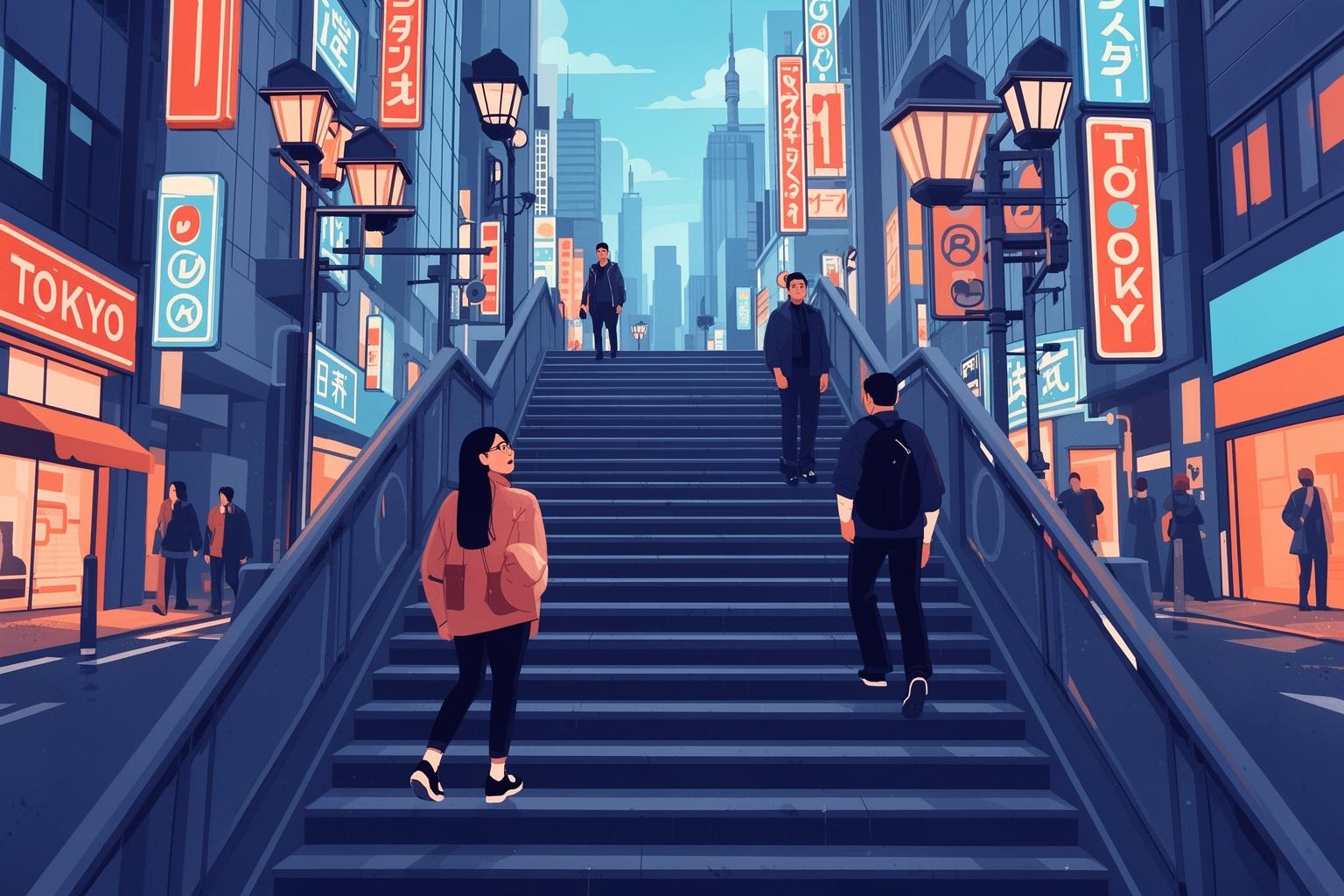
There’s a distinct moment when an ordinary walk shifts into something extraordinary. You turn a corner and suddenly see it—the gentle slope, the weathered stone, and that unmistakable, vibrant red handrail winding its way up the side. For any fan of Your Name, the feeling of recognition is immediate and profound. It feels like stepping through a portal, moving from the real world straight into a frame of the anime. The air here seems different, quieter. The city’s noises are softened, and you become aware of the rustling leaves from the trees at Suga Shrine atop the hill. The view from the bottom looking up is iconic, capturing both the steepness and the sense of anticipation. From the top, looking down, the city peeks through the gaps between buildings—a perfect visual metaphor for Taki and Mitsuha’s worlds converging. You’ll spot other visitors, each silently paying their respects in their own way. There’s an unspoken camaraderie among them—a nod, a smile, the patient waiting as someone else frames their shot. People intuitively know not to break the enchantment. They move with a quiet reverence, taking turns standing in Taki’s spot, then Mitsuha’s, quietly recreating the scene with joy. The atmosphere is not that of a crowded tourist attraction but a shared sanctuary. It’s a place where strangers are united by a mutual love for a story, and for a brief moment, you’re all part of that narrative, standing on the very ground where a fictional destiny was ultimately fulfilled.
Beyond the Frame: Exploring the Neighborhood of Yotsuya and Shinjuku Gyoen
While the stairs are the main attraction, the real charm of a pilgrimage lies in exploring the surrounding context of the sacred site. Yotsuya and its neighboring areas offer a rich array of experiences that can deepen your appreciation for the world Shinkai portrayed. Simply rushing in for a photo and leaving would mean missing the chance to connect with the genuine Tokyo that inspired the film.
Suga Shrine: A Place of Quiet Reflection
At the very top of the famous stairs awaits the destination they were built to serve: Suga Shrine. Many visitors focus so intently on the staircase that they nearly overlook the shrine itself. Don’t make that oversight. Passing through the modest torii gate, you enter a peaceful, compact compound that feels like a world apart from the city below. This is a functioning Shinto shrine, serving as a place of worship for the local community. Take a moment to observe proper etiquette. At the purification fountain, or chozuya, take a ladle, fill it with water, rinse your left hand, then your right. Next, pour a little water into your cupped left hand to rinse your mouth before rinsing the ladle handle. Approach the main hall, offer a small donation if you wish, bow twice, clap your hands twice, and bow once more. This simple gesture of respect connects you to the deep cultural roots of the site. The shrine grounds are small and tranquil, providing a perfect spot for quiet contemplation after the emotional high of climbing the stairs. It anchors the cinematic fantasy in centuries of real-world tradition.
A Stroll Through Shinjuku Gyoen National Garden
A short walk or quick train ride from Yotsuya will bring you to Shinjuku Gyoen National Garden, another key location for Makoto Shinkai fans. This beautiful natural oasis is not only where Taki held his part-time job in the film but was also a primary setting for Shinkai’s earlier work, The Garden of Words. The garden is a masterpiece of landscape design, featuring three distinct styles: a traditional Japanese garden with ponds and pavilions, a formal French garden, and an expansive English landscape garden. Strolling its serene paths, you can almost sense the director’s affection for these calm, light-filled spaces. It’s an ideal place to unwind after your pilgrimage. Find a bench by the water, watch the koi swim lazily, and reflect on the themes of connection and nature so prominent in his films. The teahouse in the Japanese garden offers the chance to enjoy matcha and traditional sweets, providing a moment of pure, peaceful immersion in Japanese culture.
A Local’s Tip: The Wakaba Taiyaki Shop
To round out your Yotsuya experience with an authentic local touch, seek out Taiyaki Wakaba. This famed shop, one of Tokyo’s most renowned, is tucked away in the neighborhood’s streets. You’ll likely smell the sweet, cake-like aroma before spotting the queue of locals waiting patiently. Taiyaki is a fish-shaped cake filled with a sweet red bean paste called anko. What makes Wakaba’s special is its thin, crispy shell that crackles with every bite, revealing a generous portion of piping hot, perfectly sweet filling that extends all the way to the tail. Grabbing a fresh, warm taiyaki and enjoying it as you wander the quiet streets is a simple pleasure that connects you to the everyday life of Yotsuya. It’s a sensory souvenir that tastes of authentic Tokyo, a perfect companion to your cinematic memories.
A Pilgrim’s Etiquette: Visiting with Respect
As the popularity of the Suga Shrine stairs has increased, it is crucial to remember that this area is primarily a residential neighborhood. The charm of the place is deeply connected to its calm, everyday atmosphere. To maintain this for both residents and future visitors, it is important to approach your visit with mindfulness and respect. Keep noise levels low, as voices carry easily in these quiet streets; speak softly and avoid loud conversations or exclamations. The stairs serve as a public pathway used by locals to travel to and from their homes and the shrine. Do not block the entire staircase for extended periods while taking photos. Be patient, wait for an opening, and be prepared to step aside to let residents pass. Most importantly, respect the privacy of those who live here—avoid photographing private homes, gardens, or people. The aim is to be a quiet observer and a respectful guest in this community. By visiting with care, you help preserve this special place as a welcoming destination for years to come, balancing its growing popularity with its treasured local character.
A Connection That Lingers
A trip to the Your Name stairs is more than just a box to tick off on an anime fan’s list. It offers an experience that closes the distance between fiction and reality, between a tale on screen and an emotion in your heart. Standing on those very steps, you come to realize that the place’s power stems not only from its link to the film but from what the film symbolizes: the universal human longing for connection. It serves as a reminder that even in a sprawling city of millions, in a world that often feels vast and disconnected, invisible threads still bind us together. The stairs stand as a tangible emblem of that hope. As you walk away, back toward the lively buzz of Yotsuya Station, the feeling remains. You take with you not merely a photograph but the quiet ambiance of the neighborhood, the taste of warm taiyaki, and the echo of a story about searching, finding, and the simple yet profound question of a name. It’s a pilgrimage that encourages you to keep your eyes—and your heart—open to the unexpected connections waiting just around the corner.