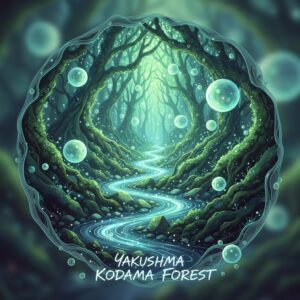
There are places on this earth that feel older than time, where the air itself seems to hum with a forgotten energy. Yakushima is one such place. Floating off the southern coast of Kyushu, Japan, this subtropical island is a realm of dramatic peaks, ancient forests, and relentless rain that gives life to a world of almost supernatural green. It’s a land where gnarled, thousand-year-old cedar trees, the Yakusugi, stand like silent guardians, their bark coated in a thick velvet of moss. This is not just a hiker’s paradise; it’s a living, breathing sanctuary that caught the imagination of the legendary filmmaker Hayao Miyazaki and became the soul of his masterpiece, Princess Mononoke. To walk here is to step through the screen, to feel the damp earth of the Shishigami’s domain beneath your boots, and to understand that the magic you saw in the film was not entirely fantasy. It was born from the very real, very powerful spirit of this island. For anyone who has ever been moved by Studio Ghibli’s epic tale of nature versus humanity, or for any adventurer who seeks a path less ordinary, Yakushima offers a pilgrimage unlike any other—a journey into the heart of an ancient world.
For travelers seeking a deeper connection to this island’s mystique, exploring Yakushima’s ancient forest can reveal even more of its timeless enchantment.
The Soul of the Island: Echoes of the Shishigami’s Forest
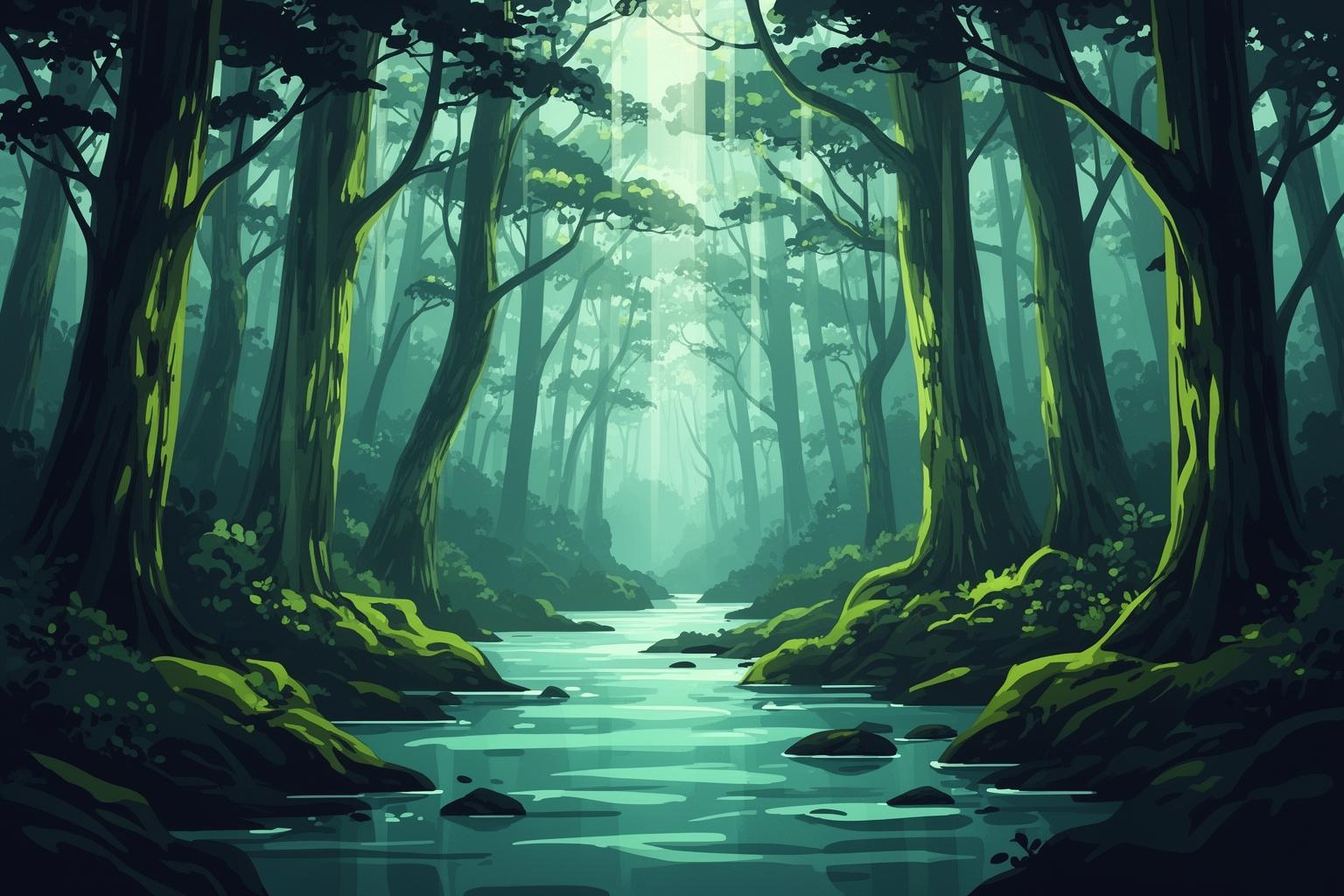
The link between Yakushima and Princess Mononoke is far from a subtle reference; it is the island’s very soul brought to life on film. The moment you enter the Shiratani Unsuikyo ravine, the outside world slips away, replaced by a deep, resonant silence interrupted only by the gentle sound of flowing water and the whisper of leaves. The air turns cool and heavy with moisture, carrying the fragrance of damp earth and decomposing wood. Every element—rock, fallen branch, and tree root—is cloaked in a vibrant, diverse layer of moss that seems to showcase a hundred shades of green vying for your notice. This is the place. You can almost perceive the faint, rattling calls of the Kodama, the tree spirits from the movie, observing you from behind a curtain of ferns. Miyazaki and his team devoted much time here, sketching and absorbing the ambiance, and the result is evident. The winding cedar roots form the forest floor that San runs across, the thick canopy filtering sunlight produces the same mystical glow captured in the film, and the crystal-clear streams are those upon which the Shishigami, the Forest Spirit, might have walked. It’s an immersive encounter that transforms the idea of a film location. This isn’t a set; it’s the original source, a wild, living character in its own right. The forest urges you to slow down, to look more intently, and to appreciate the intricate interplay of life and death unfolding across every surface. It’s a place that evokes a sense of smallness—not in a daunting way, but in a way that connects you to a timeline far grander than your own.
Answering the Mountain’s Call: Hiking for Every Adventurer
Yakushima’s wild beauty is best—and perhaps only—experienced on foot. The island is woven with trails ranging from gentle walks through mossy forests to strenuous, multi-day hikes up its highest peaks. As a hiker, I found Yakushima to be both a tough challenge and an extraordinary reward. It demands respect, yet it offers a sense of wonder that lingers long after you leave. Rain is a constant companion here, not an obstacle, so embracing the wet is essential to truly enjoy the island’s trails.
Shiratani Unsuikyo: The Moss-Covered Kingdom
This is the quintessential Yakushima hike and the most direct gateway into the world of Princess Mononoke. The park provides several routes of varying lengths, making it accessible even to casual walkers. But to truly connect with its spirit, I recommend the full trail to Taikoiwa Rock. The trek begins on well-maintained paths and wooden boardwalks that lead you through a maze of giant cedars and moss-covered granite boulders. You’ll cross tranquil mountain streams on charming little bridges, stepping over roots that look like sleeping dragons. The destination, Taikoiwa Rock, is a massive granite monolith offering a stunning panoramic view of the island’s mountainous interior—a reward well-earned after navigating the dense forest below. On a clear day, you can see all the way to Miyanoura-dake, the highest peak. But even when cloudy, watching mist roll through the valleys is a mystical experience in itself. A word of caution: the rocks and roots are always slick. Good waterproof hiking boots with superior grip aren’t just recommended—they’re essential. This trail can get busy, so starting early lets you enjoy moments of deep solitude when it feels like the forest belongs entirely to you.
The Jomon Sugi: A Pilgrimage to Ancient Life
If Shiratani Unsuikyo is the island’s soul, the Jomon Sugi is its ancient, beating heart. This trek is not for the faint-hearted. It is a grueling, ten- to twelve-hour round trip testing your endurance, but the destination is profoundly life-affirming. The Jomon Sugi is a colossal Yakusugi cedar tree, estimated to be between 2,000 and 7,200 years old. Standing before it is deeply humbling. Its massive, gnarled trunk and sprawling branches tell a tale of survival and of bearing witness to millennia of history. The hike itself is an experience. You start in the pre-dawn darkness, your headlamp carving a small tunnel through the night. The first section follows the tracks of an old logging railway, the Anbo Forest Railway line—a flat but lengthy walk serving as a warm-up. After leaving the tracks, the real climb begins: a steep and challenging ascent through the forest, negotiating roots and wooden staircases. Along the way, you pass other notable ancient cedars, such as Wilson’s Stump, a massive hollowed-out stump you can walk inside, and the Dai-o Sugi (Great King Cedar). Reaching the Jomon Sugi viewing platform feels like a true triumph. Due to its age and significance, you cannot approach the tree directly, but the specially built deck offers a respectful, unobstructed view. For this trek, hiring a local guide is highly advised, especially for first-timers. They help ensure your safety, keep you on track, and enrich the journey with stories about the island’s flora, fauna, and history.
Beyond the Famous Trails: Finding Your Own Yakushima
While Shiratani Unsuikyo and Jomon Sugi are the headline attractions, Yakushima’s treasures are scattered throughout the island. Yakusugi Land offers a more curated and accessible way to see ancient cedars, with paved paths and boardwalks suitable for families. For a truly wild experience, the western coast features the Seibu Rindo forest path, a UNESCO World Heritage core area where the road is often closed to traffic, providing a unique chance to hike along the coast and observe troops of Yakuzaru monkeys and grazing Yakushika deer in their natural habitat. The island also boasts spectacular waterfalls, like the towering Senpiro-no-taki and Oko-no-taki falls, especially powerful after heavy rain. And don’t overlook the coast: Nagata Inakahama beach is a gorgeous stretch of sand and an important nesting site for loggerhead sea turtles from May to July.
The Rhythm of Life on a Sacred Island
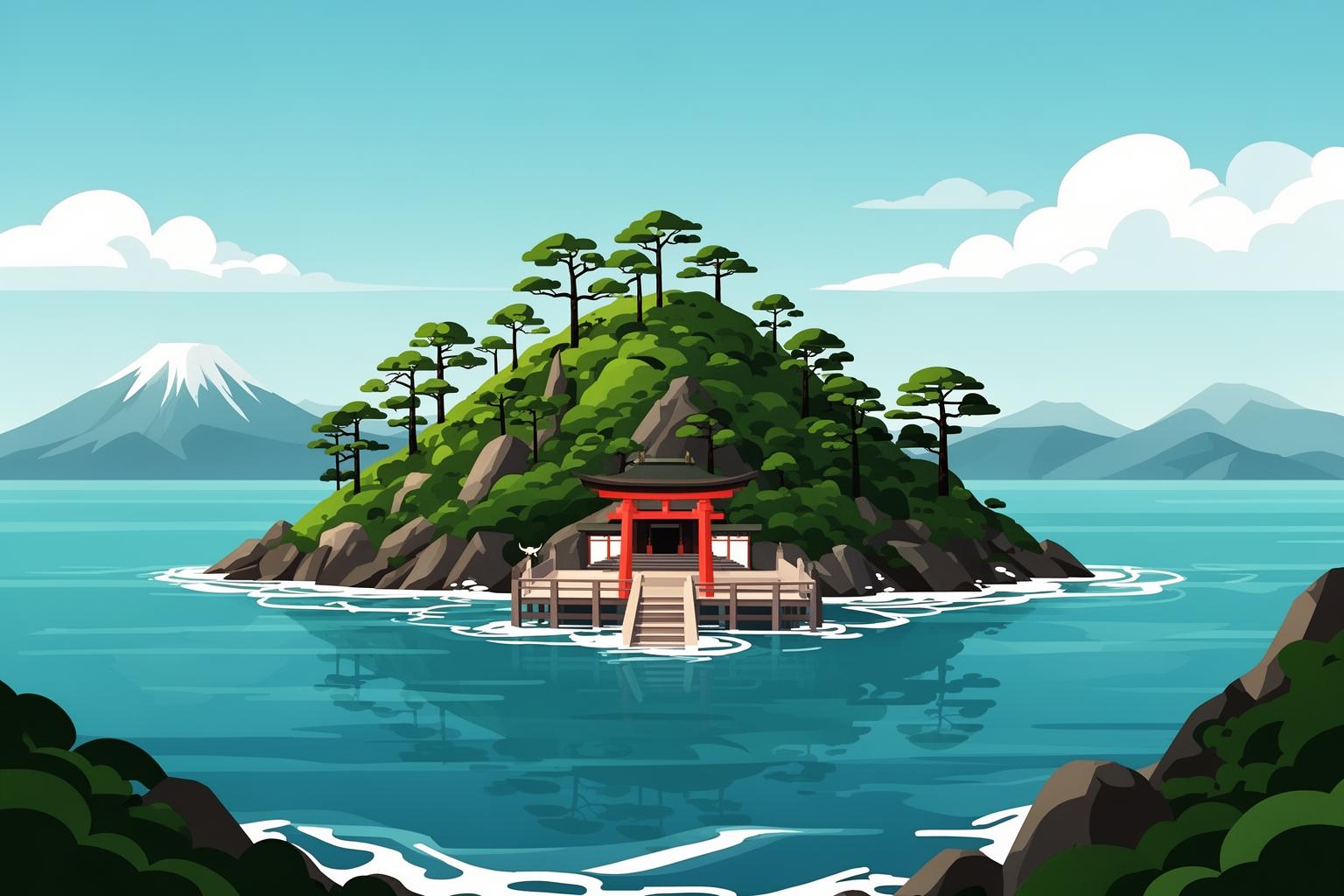
Visiting Yakushima means tuning into a different frequency. The island’s culture is deeply connected to its powerful natural surroundings, fostering a profound respect for the delicate balance of its ecosystem. This philosophy of coexistence is the central theme of Princess Mononoke.
The Spirit of Coexistence
The islanders live with the awareness that they are guests in a domain ruled by nature. This reverence is visible everywhere, from the careful preservation of the forests to the way the local Yakushika deer and Yakuzaru monkeys roam freely through towns and along roadsides. These animals are not simply wildlife; they are co-inhabitants, a living symbol of the island’s untamed spirit. Observing them from a respectful distance provides insight into the harmonious, if sometimes complex, relationship between humans and nature that Miyazaki so masterfully portrayed in his film.
When to Visit: Navigating the Seasons of Rain and Sun
There’s a local saying that it rains “35 days a month” in Yakushima, and it’s not far from the truth. The island has one of the highest rainfall levels in the world, which is what creates its lush, green landscape. The key is to be prepared. Spring (March to May) is an excellent time to visit, with mild temperatures, blooming mountain cherry blossoms, and relatively stable weather. Autumn (October to November) is another great season, offering crisp, cool air, stunning fall colors in the mountains, and fewer crowds. Summer brings the rainy season in June and July, with heavy downpours, followed by peak heat and typhoon season in August and September. While beautiful, this time demands flexibility in your plans. Winter provides a unique experience, with snow topping the high peaks, turning the trails into a serene and challenging environment for experienced, well-prepared mountaineers. Whatever season you choose, waterproof gear is essential.
Practical Guidance for Your Journey to the Ancient Woods
Reaching and exploring a remote island like Yakushima requires some planning, but that effort is part of the adventure. A smooth journey allows you to fully appreciate the island’s natural magic.
Getting There and Getting Around
The primary gateway to Yakushima is Kagoshima on Kyushu’s mainland. From there, you have two main options. The fastest is the high-speed jetfoil ferry, commonly known as the “Toppy” or “Rocket,” which takes about two to three hours. For a slower, more scenic, and budget-friendly option, the car ferry takes roughly four hours. Alternatively, you can fly directly to Yakushima’s small airport from Kagoshima, Fukuoka, or Osaka. Once on the island, renting a car is by far the best way to get around. Yakushima is larger than it appears, and while public transportation exists, it is infrequent and doesn’t serve all the trailheads and natural sites conveniently. Having a car gives you the freedom to explore at your own pace, follow favorable weather, and stop whenever a breathtaking view appears. Be sure to book your rental car well in advance, especially during peak travel times, as availability is limited.
Where to Rest Your Head
Yakushima provides a variety of accommodations centered around the main port towns of Miyanoura and Anbo. For an authentic local experience, staying in a minshuku—a family-run Japanese guesthouse—is highly recommended. Here, you’ll sleep on traditional tatami mats and enjoy homemade meals often featuring local specialties like flying fish. It’s a fantastic way to connect with the island’s culture. There are also standard hotels, rustic mountain lodges, and private cottages available to fit different budgets and tastes. No matter where you choose to stay, booking ahead is essential, as popular spots fill up quickly due to the island’s growing popularity.
Gearing Up and Staying Safe
Proper preparation is crucial for a safe and enjoyable hiking experience on Yakushima. The weather can shift suddenly, so layering your clothing is essential. Your packing list must include high-quality waterproof gear—a breathable rain jacket and pants are indispensable. A waterproof cover for your backpack is also necessary. Sturdy, well-broken-in hiking boots with deep treads will protect you from slips and falls on the slick, moss-covered terrain. For longer hikes like the Jomon Sugi trail, a headlamp is important for early morning starts. Always carry plenty of water and high-energy snacks. It’s wise to inform your hotel or a guide about your hiking plans for the day. While the trails are generally well-marked, hiring a certified local guide can transform your hike into an educational experience and is the safest choice for tackling more challenging routes.
A Parting Whisper from the Forest
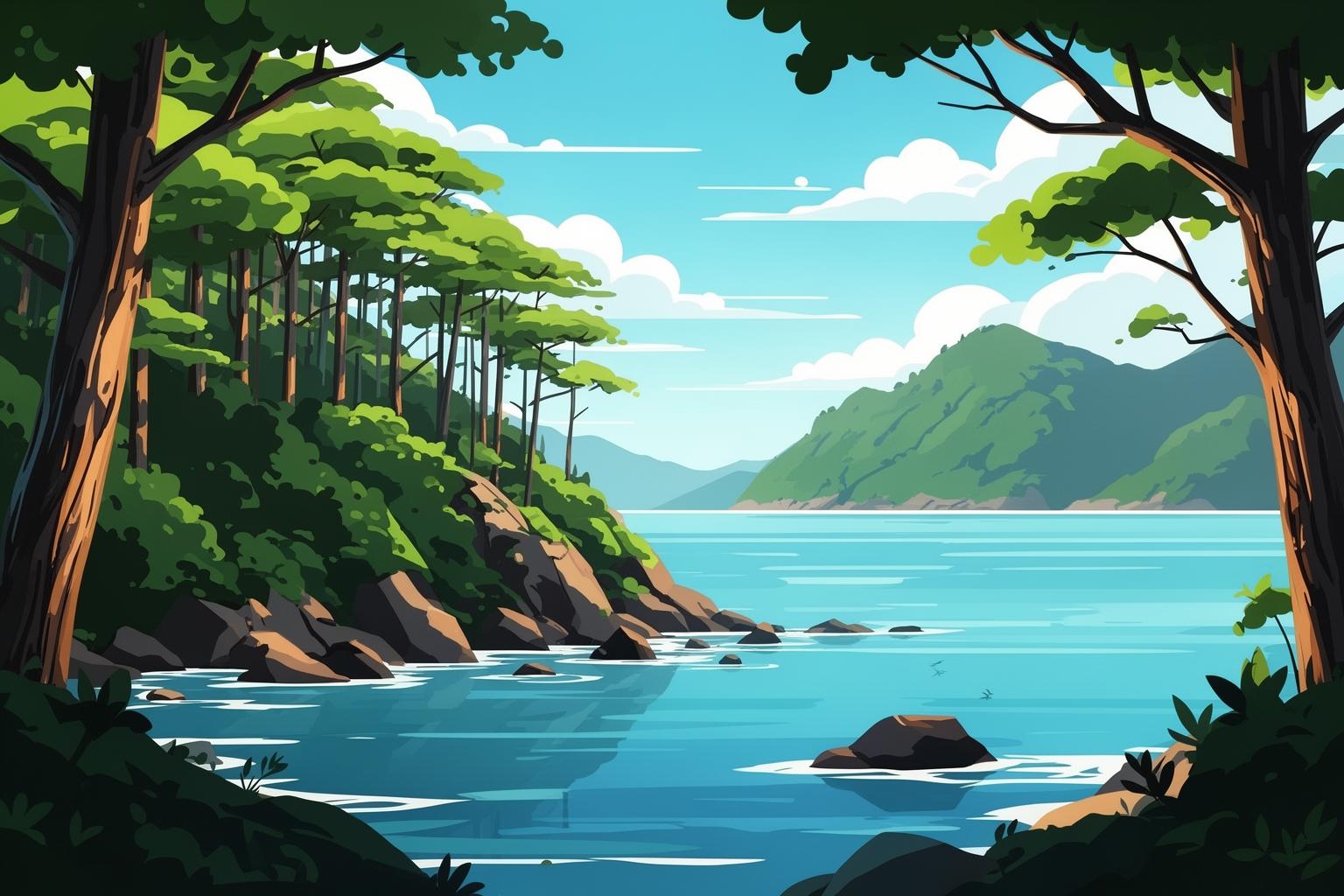
Leaving Yakushima feels like emerging from a vivid dream. The intense green hues, the towering scale of the ancient trees, and the steady rhythm of the rain leave a lasting impression on your memory. This island is more than just a setting for a beloved film; it captures the film’s powerful message about the enduring—and often unforgiving—force of the natural world. You arrive searching for the forest of Princess Mononoke, but you depart with a piece of Yakushima’s spirit within you. As you sail away, watching its jagged peaks dissolve into the clouds, you can’t help but sense that deep within its moss-covered heart, the Kodama still linger, shaking their heads in the silent, ancient woods, guarding a magic that is very, very real.