
There are stories that stay with you, long after the credits roll. They weave themselves into the fabric of your imagination, their characters feeling like old friends and their worlds as real as your own. Makoto Shinkai’s masterpiece, “Your Name” (Kimi no Na wa), is one such story. It’s a breathtaking tale of two souls, Taki in bustling Tokyo and Mitsuha in the tranquil countryside, bound together by a celestial event and a mysterious connection that transcends time and space. The film captured the hearts of millions worldwide, not just for its emotional depth, but for its stunning, photorealistic animation. Shinkai’s Tokyo is not a mere backdrop; it’s a living, breathing character, rendered with such meticulous detail that you feel you could step right into the frame. And as it turns out, you can. Welcome to the world of “seichi junrei,” the beautiful Japanese tradition of making a pilgrimage to the real-world locations featured in anime, manga, and films. It’s a journey that transforms you from a passive viewer into an active participant in the story, blurring the line between fiction and reality. This guide is your map to that journey, a way to walk in the footsteps of Taki and Mitsuha and experience the powerful, tangible magic of their Tokyo. Prepare to see the city not just as a tourist, but as a pilgrim seeking the heart of a story that touched the sky.
As you retrace Taki and Mitsuha’s journey across Tokyo, you might also explore the Ghibli Museum to uncover another facet of Japan’s cinematic magic.
The Heart of the Connection: The Suga Shrine Staircase
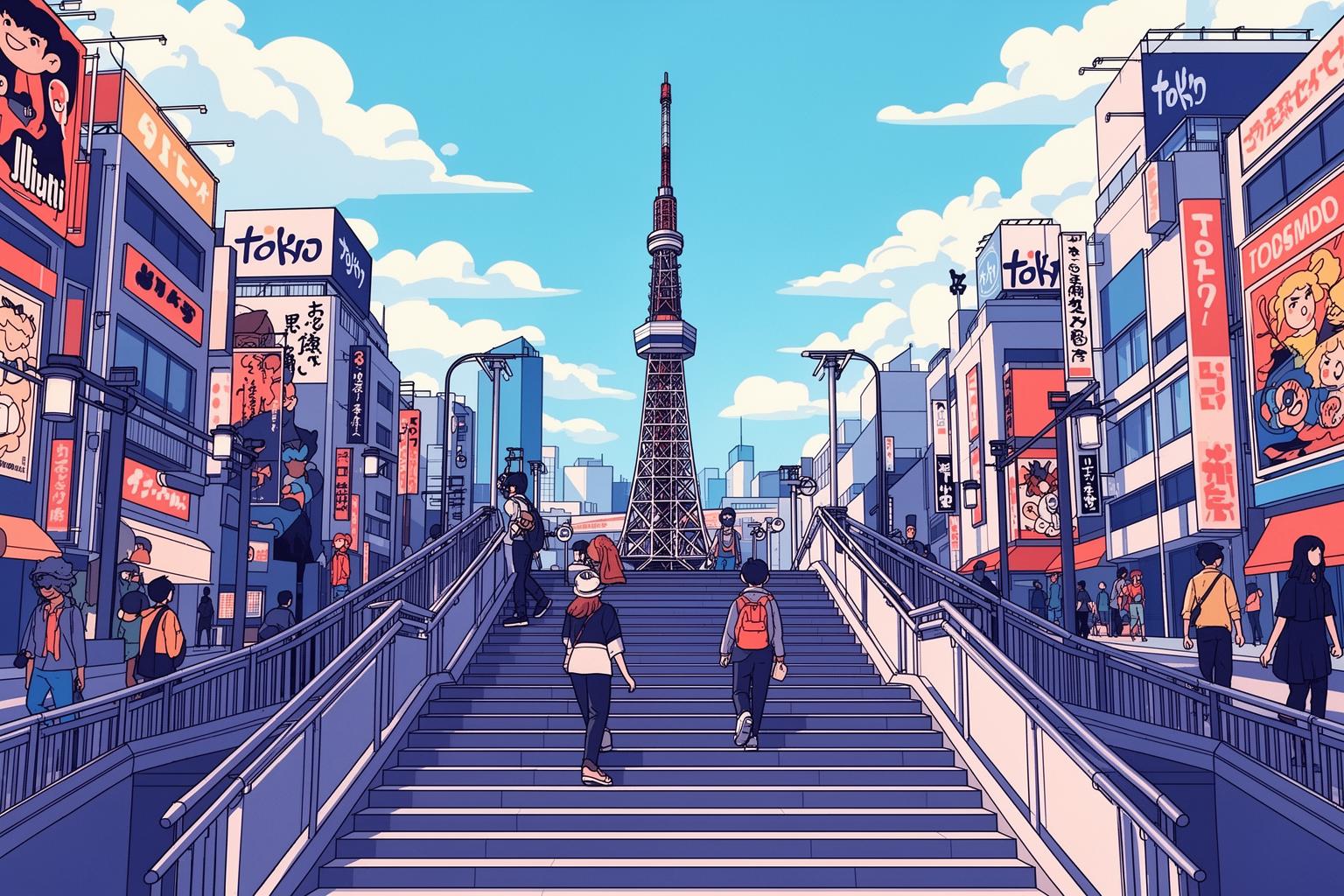
Every pilgrimage has its sacred place, its emotional heart. For fans of “Your Name,” that spot is an unassuming red-railed staircase nestled in a quiet residential neighborhood in Yotsuya, Shinjuku. This is the setting for the film’s deeply touching final scene, where Taki and Mitsuha, years after their connection faded like a dream, finally reunite. The moment is cinematic brilliance, a heart-stopping climax that resonates with anyone who has ever experienced the pull of a forgotten memory or an undefined longing. Standing here in person, you feel the weight of that scene settle around you. The journey to these steps is part of the experience, a gentle withdrawal from the city’s usual hustle.
Finding the Iconic Scene
Discovering the staircase feels like uncovering a secret. The nearest subway stations are Yotsuya-sanchome on the Tokyo Metro Marunouchi Line or Shinanomachi on the JR Chuo-Sobu Line. From either, it’s a leisurely ten to fifteen-minute walk. As you wander through the narrow streets, the towering skyscrapers of Shinjuku recede, replaced by low-rise apartments, small local shops, and a pervasive sense of calm. This is the Tokyo that lives between major hubs, where daily life moves at a more human pace. You might double-check your map, wondering if you’re on the right track, when suddenly, you round a corner and see it. The gentle incline, the vibrant red handrails, the trees framing the view at the top. It’s instantly recognizable and breathtakingly familiar. The thrill of discovery is tangible; you’ve found the place where two worlds—and two souls—finally met.
More Than Just Steps
The atmosphere here is unexpectedly peaceful. Although the staircase has become a well-known landmark, it remains part of a living neighborhood. Locals walk their dogs, children head home from school, and the gentle hum of everyday life persists. It’s not a cordoned-off tourist site, and that’s exactly where its charm lies. At the top of the stairs, you’ll find the entrance to Suga Shrine (Suga Jinja), the spiritual home of the staircase. Before focusing on recreating the movie poster, pause for a moment to visit the shrine itself. This small, tranquil Shinto shrine boasts a history stretching back centuries—long before its animation fame. Offer a small prayer, admire the traditional architecture, and soak in the serene energy. It adds a layer of depth to the location, reminding you that this place holds its own special significance for the local community. Standing at the top, gazing down the stairs, you can almost hear the film’s score rising in your mind. You see Taki climbing, Mitsuha descending, their paths about to cross. It’s a powerful, almost surreal sensation—a perfect blending of cinematic memory and present reality.
The Perfect Shot and Pilgrim’s Etiquette
Naturally, you’ll want to capture the moment. The classic photo is taken from the bottom of the stairs, looking up, capturing the full perspective as seen in the film’s key visual. Another excellent angle is from the top, looking down, reflecting Taki’s viewpoint. Timing is key for the best experience. Early weekday mornings offer the best chance to avoid crowds and capture the soft, gentle light often found in Shinkai’s worlds. The golden hour just before sunset can also be magical, casting long shadows and warming the scene. However, it’s important to remember where you are. This is a quiet residential area. Be respectful of the local residents. Avoid loud noises, blocking pathways, or lingering too long. The same respect applies to the shrine grounds. This is a sacred place. Follow proper etiquette, be mindful of those praying, and carry yourself with reverence. The goal is to be a considerate pilgrim, not an intrusive tourist.
Shinjuku’s Dazzling Urban Landscape
If the Suga Shrine staircase represents the film’s heart, then Shinjuku embodies its vibrant, pulsating soul. This is Taki’s world—a sprawling metropolis of neon-lit canyons, towering skyscrapers, and an unending flow of people. The film’s central theme contrasts the tranquility of Mitsuha’s rural Itomori with the overwhelming scale of Shinjuku. Visiting Shinjuku after the calm of Yotsuya lets you experience that same sensory shock. It’s a place bursting with energy, ambition, and endless possibility, perfectly captured in the film’s portrayal of Taki’s daily life, part-time job, and wanderings throughout the city.
Taki’s World: A Concrete Jungle of Dreams
Exiting Shinjuku Station, the world’s busiest transport hub, is an experience in itself. Immediately, you’re immersed in the sights and sounds of a city moving at full speed. The sheer scale is dizzying: buildings stretch into the clouds, massive digital billboards flash vibrant ads, and crowds flow in a synchronized, purposeful chaos. This is the environment that shaped Taki. It’s easy to picture him threading his way through these streets on his way to school or work—a small figure against a vast urban backdrop. The film grounds its fantasy in reality by featuring real, recognizable spots throughout Shinjuku. Walking here feels like stepping onto a grand film set, where every corner holds the promise of a scene.
The Shinjuku Scramble and Beyond
While Shibuya is renowned for its crossing, Shinjuku boasts its own striking intersections featured in the film, surrounded by iconic landmarks. The Yunika Vision screens—a trio of massive displays on the Yunika Building’s front just east of the station—are a key visual element. In the movie, they broadcast news about the Tiamat comet, a looming threat over the city. Standing before them in reality, watching J-pop videos and commercials flash across the screens, you share that feeling of being plugged into the city’s central nervous system. A short walk from the station leads you to the famous “LOVE” sculpture by Robert Indiana, where Taki and his friends stroll past. It’s a favorite photo spot and a small island of pop art amid the corporate towers of West Shinjuku. Exploring this area, with panoramic city views from the Tokyo Metropolitan Government Building (free admission!), gives you a sense of the verticality and ambition that define Taki’s world.
Navigating the Labyrinth
A practical tip for first-time visitors: Shinjuku Station is a labyrinth. With more than 200 exits, it’s notoriously tricky to navigate. The key is to know which exit you need before you arrive. For the skyscraper area and the “LOVE” sculpture, head for the West Exit. To reach the Yunika Vision screens and the lively entertainment district of Kabukicho, make your way to the East Exit. Don’t hesitate to follow the (English) signs and allow extra time. Getting lost in Shinjuku Station is a rite of passage for many, but a bit of preparation can help you navigate it like Taki—confident and unhurried—instead of like a confused tourist. Embrace the energy, but plan ahead.
A Moment of Reflection: The National Art Center, Roppongi
Tokyo is not merely a city of extremes; it also features sophisticated, tranquil spaces. “Your Name” beautifully captures this with the setting of Taki’s date with his coworker, Okudera-senpai. Their elegant lunch takes place at the stunning National Art Center in Roppongi, highlighting the city’s vibrant cultural scene and exemplifying modern Japanese architectural brilliance. This location offers a different kind of pilgrimage—one of quiet reflection, artistic appreciation, and architectural wonder.
Taki and Okudera-senpai’s Date Spot
The choice of venue for their date holds significance. It symbolizes a maturity and sophistication that Taki strives for. It’s a world apart from high school life, offering a glimpse into the adult realm of art, design, and calm conversation. The scene is memorable for its awkward yet sweet dialogue, and for the magnificent surroundings that embrace the two characters. Visiting the art center allows you to immerse yourself in that atmosphere of refined elegance.
An Architectural Marvel
Even before stepping inside, the building itself stands as a masterpiece. Designed by the renowned architect Kisho Kurokawa, its undulating glass facade flows like a wave, creating a dynamic interplay of light and shadow. The interior is equally stunning. Visitors enter a vast, light-filled atrium adorned with soaring concrete cones, wooden floors, and a vast sense of openness. Unlike traditional museums, the National Art Center lacks a permanent collection. Instead, it showcases a rotating series of special exhibitions, making each visit potentially unique. The best part for pilgrims is that access to the main atrium, lobby, cafes, and gift shop is entirely free. You can enjoy the architectural magnificence without purchasing a ticket for an exhibition.
Experiencing the Cafe
The specific spot where Taki and Okudera-senpai shared their lunch is the Salon de Thé ROND, a cafe strikingly perched atop one of the giant inverted concrete cones in the atrium. You can sit in the very same spot, savoring coffee, tea, or a light meal while gazing over the spacious, beautiful interior. It’s a surreal experience to sip a latte in a place you’ve only seen in animation, surrounded by the quiet hum of art enthusiasts and the extraordinary architecture. It’s an ideal place to pause and reflect on your journey, to pull out a sketchbook as Taki might have, or simply to enjoy a moment of serenity and beauty amid one of the world’s busiest cities. The cafe offers a simple menu of drinks, cakes, and sandwiches, providing the perfect reason to linger and absorb the atmosphere. Be sure to check the museum’s opening hours before your visit, as it is generally closed on Tuesdays.
Weaving Your Own Narrative: A Pilgrim’s Itinerary
Connecting these points on Tokyo’s map allows you to craft a journey that is more than just ticking off a checklist; it becomes a narrative experience. You can design your day to reflect the emotional progression of the film, shifting from quiet reflection to urban excitement and back once more. This journey isn’t merely about sightseeing; it’s about immersing yourself in the unfolding story around you.
A One-Day “Your Name” Journey
For a fully immersive one-day pilgrimage, consider a route that naturally flows across the city. Begin your morning in Yotsuya. Arrive at the Suga Shrine staircase early, around 8 or 9 AM, to enjoy its peaceful, residential atmosphere before the crowds arrive. The gentle morning light is perfect for photography and quiet contemplation. After spending time at the shrine and the steps, wander through the quaint Yotsuya neighborhood. Then, take the Marunouchi Line subway straight to Shinjuku. Step into the bustling midday scene and spend the afternoon exploring Taki’s world. Lose yourself in the vibrant energy, find the Yunika Vision screens, see the “LOVE” sculpture, and consider ascending the Tokyo Metropolitan Government Building for a breathtaking vista of the city he calls home. In the late afternoon, head to Roppongi via the Toei Oedo Line. Arrive at the National Art Center an hour or two before closing. The afternoon sunlight streaming through the glass facade is truly spectacular. Treat yourself to a break at the Salon de Thé ROND, reflecting on your day as the city transitions into evening. This itinerary creates a harmonious flow, moving from the intimate and emotional to the dynamic and grand, and concluding with artistic grace.
Beyond the Screen
While the pilgrimage spots draw most attention, don’t hesitate to let your curiosity lead you. Each neighborhood has so much more to discover. Near Suga Shrine, the Shinjuku Gyoen National Garden offers a stunning haven of tranquility that feels like a place Taki would have loved to sketch. In Shinjuku, beyond the key landmarks, explore Golden Gai or Omoide Yokocho for a taste of classic Tokyo nightlife and cuisine. Roppongi isn’t only home to the National Art Center but also the Mori Art Museum in Roppongi Hills, which features remarkable contemporary art and one of the city’s best observation decks, the Tokyo City View. Allowing yourself to explore these nearby areas enriches the pilgrimage, providing a deeper and more personal experience of Tokyo. You’re not just retracing Taki’s path; you’re making your own.
Seasonal Notes
Tokyo’s distinct seasons offer different perspectives on these locations. In spring, cherry blossoms may bloom in the parks near Suga Shrine, adding an extra touch of fleeting beauty that perfectly complements the film’s themes. Summer brings vibrant, lively heat to Shinjuku, making the cool, air-conditioned interiors of the National Art Center especially inviting. Autumn dresses the city in crisp air and gorgeous foliage, particularly in the larger parks. Winter offers clear, sharp views from the city’s observation decks and a warm, festive ambiance in the brightly lit streets of Shinjuku. Whatever the season, the city presents a unique version of the world of “Your Name.”
Practical Pilgrim’s Almanac
A bit of practical knowledge can make your journey smoother, letting you focus on the magic of the experience rather than the stress of logistics. Tokyo’s public transportation is world-class but can feel overwhelming at first. Here are some tips to help you navigate the city like a local.
Getting Around Tokyo
The most essential item for any traveler in Tokyo is a prepaid IC card, such as Suica or Pasmo. You can buy one at any major train station. Simply load it with yen, and you’ll be able to tap in and out of train gates and buses effortlessly. This saves you the trouble of purchasing individual tickets for every trip. All the sites on this pilgrimage are easily reachable via the city’s extensive subway and JR train network. Apps like Google Maps or Japan Transit Planner are highly reliable for finding the best routes, schedules, and platform numbers. The system is efficient, clean, and almost always punctual, making it a pleasure to use once you get accustomed to it.
What to Pack and Wear
Comfortable shoes are essential. A pilgrimage, even through a city, involves a good deal of walking. You’ll cover a lot of ground, so prioritize your footwear. A portable battery charger for your phone is another smart addition, as you’ll likely use it for navigation, photos, and looking up information throughout the day. Depending on the season, dress in layers. Even on warm days, museums and trains can be heavily air-conditioned. Lastly, consider carrying a small bag for any souvenirs you might pick up, and a reusable water bottle to stay hydrated.
A Note on Language and Manners
You don’t need to be fluent in Japanese to enjoy Tokyo, but learning a few basic phrases will be very helpful and is deeply appreciated. Simple words like “Sumimasen” (Excuse me/Sorry), “Arigato gozaimasu” (Thank you very much), and “Konnichiwa” (Hello) can make your interactions smoother and more pleasant. Regarding etiquette, the golden rule is to be mindful of your surroundings. Keep your voice low on public transport, avoid eating or drinking while walking, and respect personal space, especially in crowded places. At shrines, maintain silence and show respect. These small acts of cultural awareness will enhance your experience and demonstrate your respect for the local culture.
The Enduring Magic of a Place and a Story
To walk the streets of Tokyo in search of “Your Name” is to engage in a distinctive form of storytelling. You actively seek the points where a beloved fiction is woven into the fabric of reality. You realize that the Suga Shrine staircase is more than just a backdrop; it is a real location in a genuine neighborhood, filled with a quiet dignity. You discover that the overwhelming energy of Shinjuku is not an exaggeration, but a palpable force you can feel deep within. You recognize that the serene elegance of the National Art Center is an authentic oasis, accessible to all. This journey serves as a powerful reminder that the stories we cherish don’t simply exist on screen or paper; they draw their strength from the real world—from the beauty of a sunset over a city, the quiet calm of an ancient shrine, and the universal human experience of seeking connection. Standing on that staircase, with the city sprawling before you, you might just sense it—the subtle, magical pull of a red thread of fate, linking you not only to a story, but to the remarkable, living, breathing city that inspired it.