There are moments in travel when you feel the world around you shift, not in a grand, seismic way, but with the quiet grace of a turning page. One moment you are in the familiar present, and the next, you’ve slipped into a story. Stepping off the bus into Tomonoura is one such moment. Here, nestled along the coastline of the Seto Inland Sea in Hiroshima Prefecture, the frantic pulse of modern Japan fades into a gentle, rhythmic lapping of waves against ancient stone steps. This is a town that doesn’t just face the sea; it breathes with it. The air, thick with the scent of salt and the faint, sweet aroma of history, wraps around you like a well-worn blanket. It’s a place where crooked alleyways whisper tales of samurai and merchants, where the silhouette of a centuries-old lighthouse still guards the harbor, and where the very atmosphere feels like a living, breathing work of art. It’s this profound, almost tangible spirit of place that captured the heart of one of the world’s greatest storytellers, Hayao Miyazaki, and became the vibrant, lovingly rendered backdrop for his cinematic masterpiece, Ponyo on the Cliff by the Sea. To visit Tomonoura is to walk through the frames of a Studio Ghibli film, but it is also to discover that the magic was here long before the movie, carried in on the tide for generations. As someone deeply fascinated by the ways landscapes shape culture across East Asia, I found Tomonoura to be a perfect microcosm of this dialogue between humanity and nature, a port where time itself seems to wait for the tide.
Discovering further echoes of storied landscapes, one might also wander along Yakushima’s ancient paths to experience nature steeped in myth and wonder.
The Soul of the Port: A Symphony of Sights and Sounds
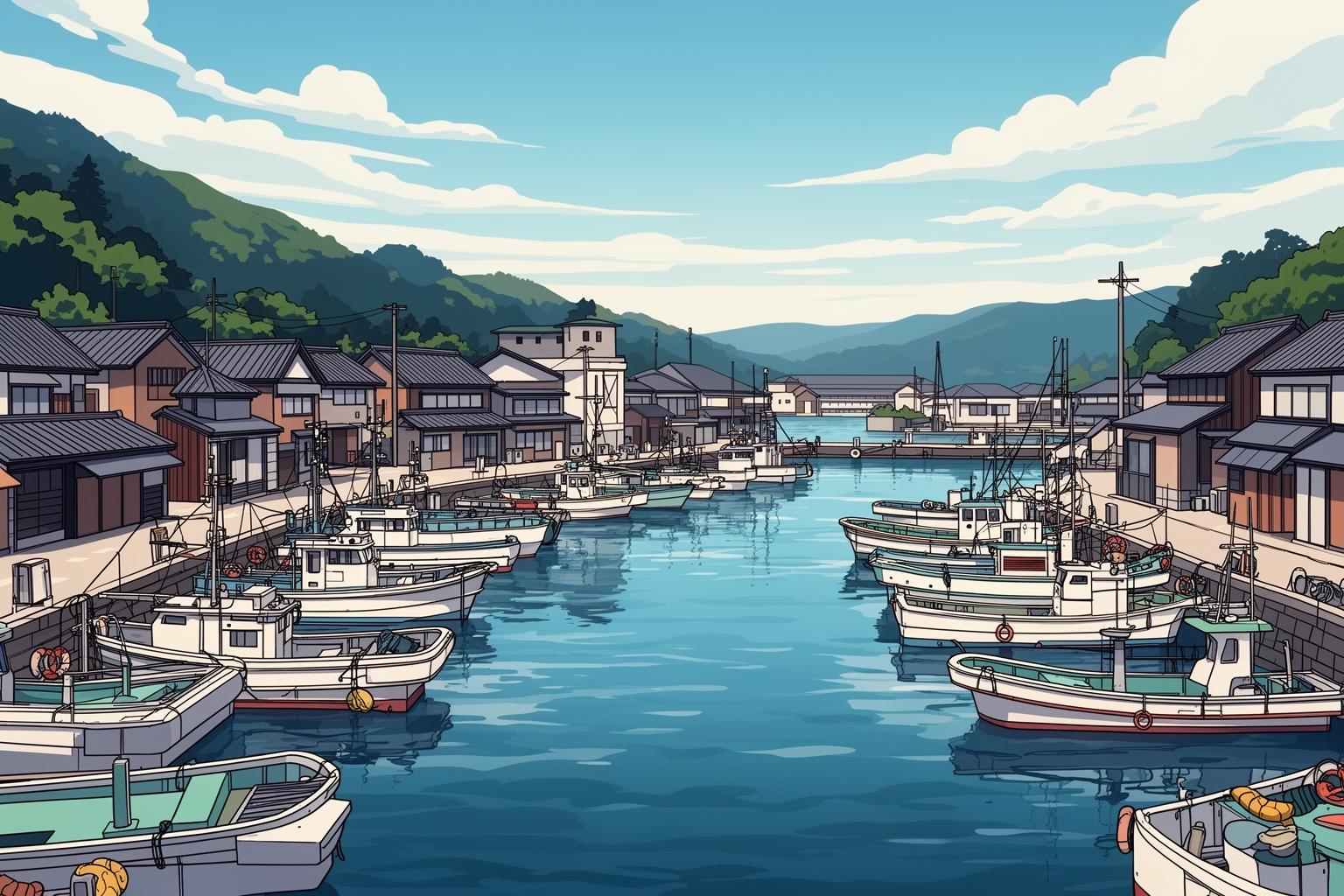
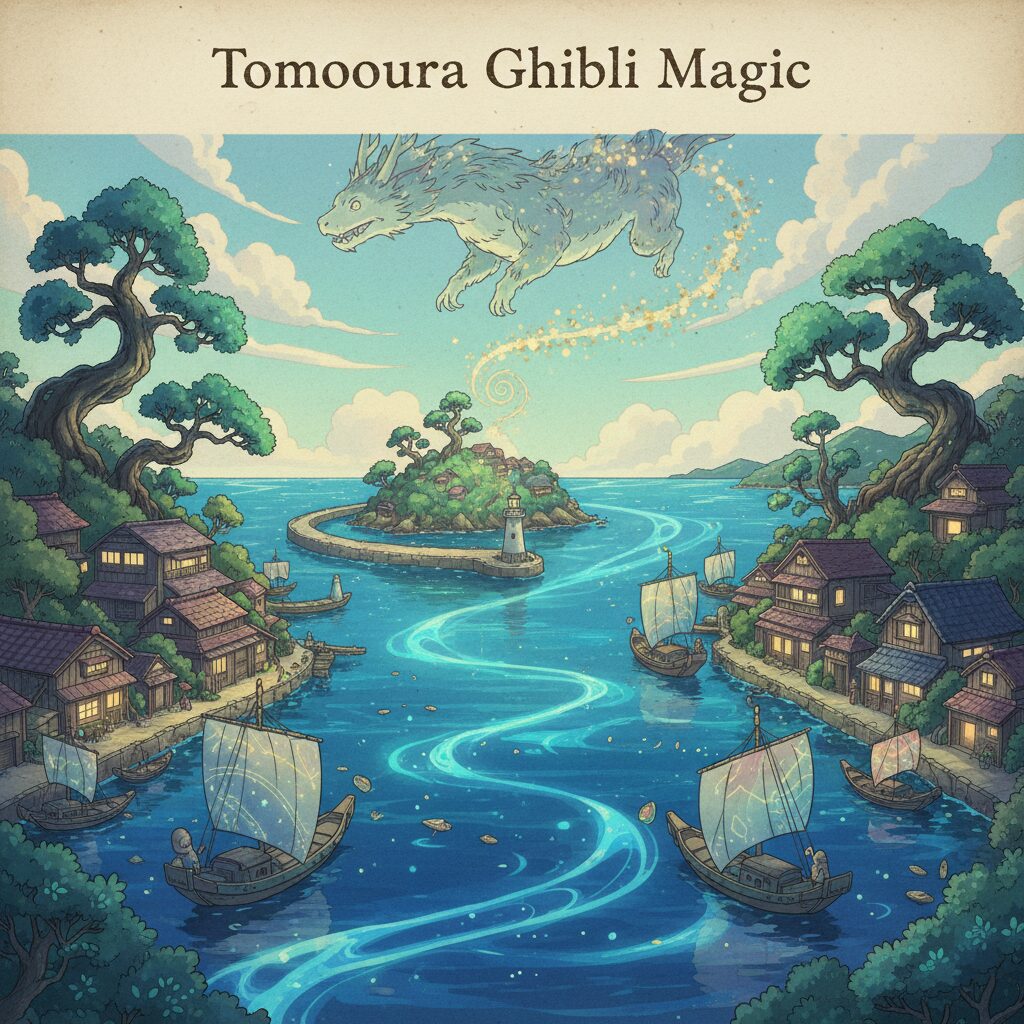
The heart of Tomonoura has always been its harbor. It’s not a grand, industrial port but an intimate, almost circular basin cradling a fleet of small fishing boats. The entire town seems to curve around it in a protective embrace. To truly grasp this place, you must begin here, where the visual and auditory tapestry of Tomonoura is richest. It’s a sensory experience that unfolds gradually, rewarding patience and careful observation. The gentle clinking of rigging against masts, the distant chug of a returning fishing boat, and the sharp cries of black kites circling overhead form the town’s constant soundtrack. The water itself serves as a canvas, reflecting the weathered wooden facades of buildings, the deep green of the surrounding hills, and the vast, ever-changing sky of the Seto Inland Sea. It’s a scene of profound peace, yet alive with the quiet energy of a community deeply connected to the rhythms of the ocean. This is where you begin to shed the pace of the outside world and synchronize with the gentle cadence of Tomonoura time.
The Joyato Lighthouse: A Beacon Through Centuries
Standing as the silent, steadfast guardian of this maritime realm is the Joyato lighthouse. This isn’t the tall, cylindrical tower one might expect; it’s a stout, elegant stone structure, more like a monument, rising from the water’s edge with an air of unshakable permanence. Built at the end of the Edo Period, its purpose was to guide ships safely into the harbor, a role it fulfilled for over a century. Although its light has been retired today, its symbolic power remains undiminished. It anchors every classic photograph of Tomonoura and serves as the town’s most recognizable icon. To stand before it is to feel a connection to the countless sailors and merchants who saw this structure as a symbol of safety and arrival. The stones, smoothed by sea and wind, seem to hold the memory of their hopes and anxieties. It is especially captivating in the late afternoon when the setting sun bathes it in warm, golden light, casting long shadows across the water and making the entire harbor glow. It stands not only as a piece of history but as the town’s soul, cast in stone.
The Whispering Alleys of an Edo Townscape
Leaving the open expanse of the harbor and turning inward is like stepping into another era. The town’s backstreets form a labyrinth of narrow, winding alleys flanked by beautifully preserved wooden buildings. Here, the true character of old Tomonoura reveals itself. The architecture is a study in traditional Japanese craftsmanship: dark, oiled wood, intricate lattice windows known as koshi-mado, and heavy tiled roofs that curve with subtle grace. Many of these structures once housed wealthy merchants and skilled artisans, and you can almost hear the echoes of their lives—the clatter of wooden sandals on stone pavement, the murmur of business conducted behind paper screens. Walking here demands mindfulness, forcing you to slow down, navigate gentle curves, and notice small details: a potted plant carefully tended on a doorstep, a family of cats napping in a sliver of sunlight, the sudden reveal of a hidden shrine tucked between two houses. The air feels different here—cooler and more still, carrying the faint scent of wood and incense. It’s a world apart from the bright, salty air of the port, revealing a more intimate and introspective side of the town’s personality.
Gangiko Steps: Where the Town Greets the Sea
One of the most unique and defining features of Tomonoura’s harbor is the gangi, broad stone stairways that descend directly into the sea. These are not merely piers; they are a fluid architectural solution to the dramatic tides of the Seto Inland Sea. At high tide, the water laps at the upper steps, while at low tide, a vast, moss-covered staircase is revealed, stretching down to the seabed. For centuries, these steps have been the town’s lifeblood—a dynamic space where boats were loaded and unloaded, fish sold, and the community gathered. Watching them throughout the day teaches the power of the tide. The harbor’s landscape transforms completely over just a few hours. The gangi physically embody the town’s relationship with the ocean—one of constant adaptation and respect. Sitting on the warm stone of the upper steps, watching the water rise or fall, is one of Tomonoura’s most meditative experiences. It is here that you truly understand the sea is not just a backdrop; it is an active participant in the town’s daily life.
Tracing Miyazaki’s Footsteps: The Magic of Ponyo’s Hometown
For many modern visitors, the main attraction of Tomonoura is its unmistakable connection to Studio Ghibli. Hayao Miyazaki and his team spent two months living in this town, soaking in its atmosphere while working on Ponyo on the Cliff by the Sea. He didn’t just borrow the scenery; he captured its spirit. The film serves as a love letter to Tomonoura, and exploring the town with the movie in mind feels like a magical treasure hunt. You begin to see the world through his perspective, spotting the whimsical details he so skillfully transformed into animation. The film’s setting is not an exact replica but rather a distillation of Tomonoura’s essence—its tightly clustered houses, its lively little port, and its deep connection to the sea. This experience upgrades a visit from a simple sightseeing trip to a pilgrimage, offering a chance to connect with the creative soul of a master storyteller and to witness how a real place can inspire the purest form of fantasy.
Finding the Real-Life ‘Cliff by the Sea’
The film’s title immediately evokes the image of Sosuke’s house, perched precariously on a lush cliff overlooking a bay. While there isn’t an exact match for the house, the inspiration is found all around. Walking up the winding slopes from the harbor, you’ll see countless houses with red or orange-tiled roofs nestled into the hillside amid rich greenery, each boasting a stunning view of the sea below. The best spot to grasp this perspective is from the Taichoro guest hall of Fukuzen-ji Temple. Stepping into the grand tatami room and looking through the open frames, the view unfolds like a painted scroll: the entire harbor, the iconic lighthouse, and the distant islands of Benten-jima and Sensui-jima are perfectly framed. It was this very view that an 18th-century Korean envoy called “the most beautiful view in Japan.” It’s easy to imagine Miyazaki sitting here, sketchbook in hand, letting this breathtaking panorama feed his imagination. The view feels both grand and intimate, a landscape that is undeniably real yet carries the quality of a dream. Here, the line between Tomonoura and the world of Ponyo beautifully blurs.
The Essence of Sosuke’s World
The magic of Miyazaki’s vision lies in the details. As you stroll through town, you’ll experience a constant sense of charming recognition. The narrow, stone-paved alleyways are the very paths Sosuke might have darted along on his way to the harbor. The small, colorful fishing boats bobbing in the water are the same kinds that fill the film’s bustling port. The closely built houses, fostering a cozy, communal feel, directly echo the tight-knit community portrayed in the movie. Even the ocean’s role as a powerful, living force is central to Tomonoura’s identity. The town has thrived under the sea’s influence, benefiting from its riches while respecting its formidable power—a duality that forms the dramatic heart of Ponyo. To truly appreciate this link, visitors should take their time and notice the little things: a quirky weather vane, laundry fluttering in the sea breeze, a carefully crafted ship in a bottle displayed in a shop window. These are the Ghibli-esque touches that infuse Tomonoura with a quiet, everyday magic, showing that the film’s fantastical world is deeply rooted in a tangible and beautiful reality.
A Deeper Dive into History’s Currents
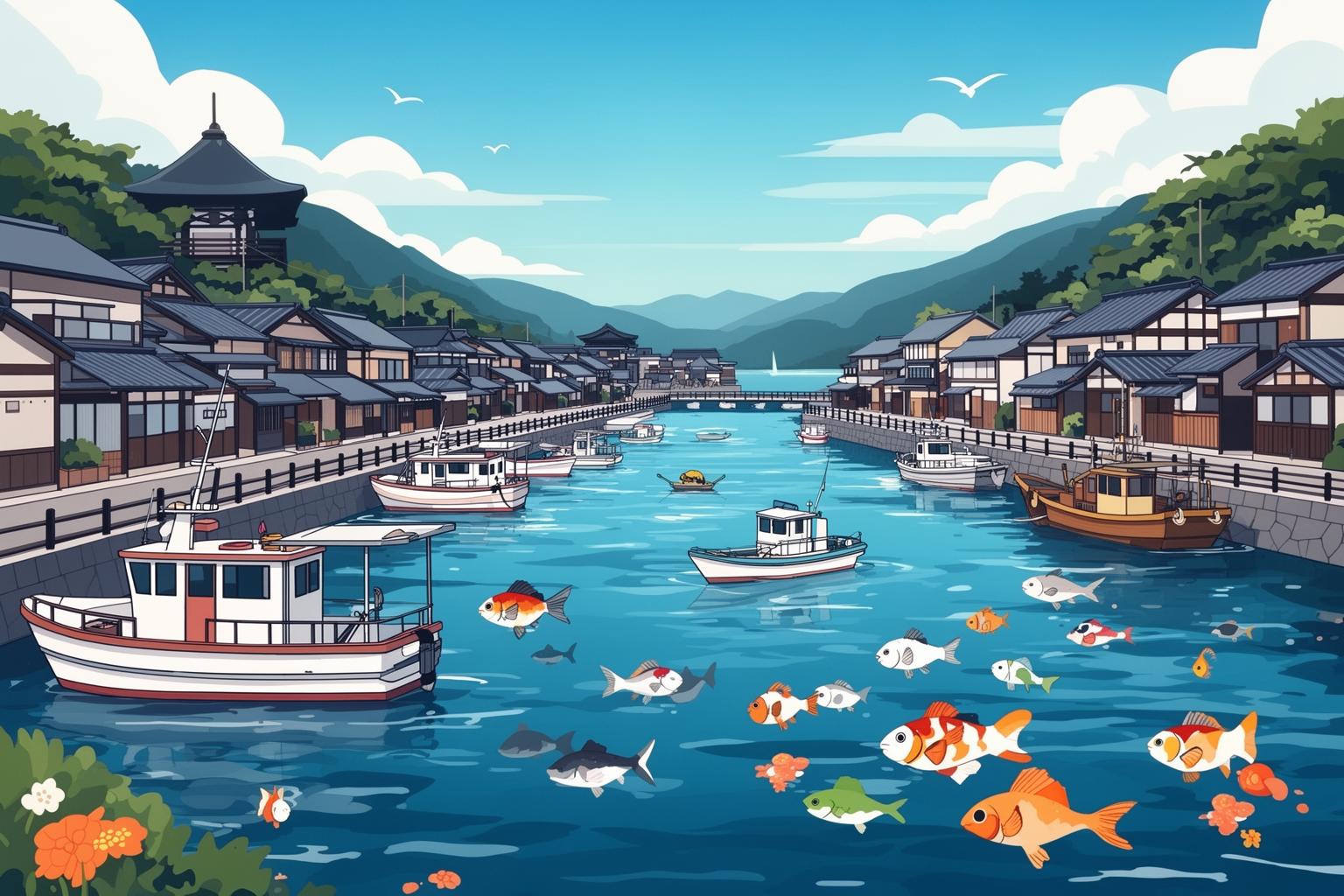
Beyond the captivating Ghibli connection lies a history as profound and engaging as the Seto Inland Sea itself. Tomonoura’s distinctive geography—a sheltered harbor with a narrow entrance—made it an ideal shiomachi no minato, or “tide-waiting port.” For centuries, it served as a vital hub for maritime trade and travel in Japan. Its story is intertwined with the broader narrative of the nation, a place where key events took place and cultures from distant regions converged. Exploring Tomonoura’s history reveals why its townscape remains so beautifully preserved and why its atmosphere is imbued with a strong sense of memory. The town’s prosperity and importance were no accident; they stemmed directly from its strategic location at the heart of Japan’s most crucial waterway. This historical significance lends the town a depth and authenticity that elevate it well beyond a simple picturesque tourist destination.
A Harbor Waiting for the Tide: The Shiomachi Port
The Seto Inland Sea is renowned for its complex and powerful tides. Before the era of engine-powered ships, sailing vessels required great skill to navigate these currents. Tomonoura’s location made it a natural stopping point where ships could safely anchor and wait for the tide to shift in their favor, whether traveling east to Osaka or west to Kyushu. This straightforward fact transformed the small port into a thriving center of activity. It became an essential link in shipping routes that carried rice, cotton, and other goods across the nation. This influx of people and commerce fueled the town’s golden age during the Edo Period (1603-1868). Wealthy merchants constructed grand homes and shops, temples and shrines were founded, and a lively culture of arts and entertainment blossomed. The town as seen today is a direct legacy of that era. The very notion of “waiting” that defined its existence seems to have shaped its character, nurturing a culture of patience and observation that continues to this day.
Echoes of Sakamoto Ryoma and the Iroha Maru Incident
Tomonoura also played a minor but dramatic role in the final, tumultuous years of the samurai era. In 1867, just a year before the Meiji Restoration that ended the shogunate, the ship Iroha Maru, chartered by the legendary samurai revolutionary Sakamoto Ryoma, sank after colliding with a vessel from the Kishu Domain near Tomonoura’s waters. Ryoma and his crew came ashore and engaged in tense negotiations for compensation. These talks took place in a merchant’s storehouse and a guesthouse that still stand today, preserved as historical landmarks. Visitors can enter the very rooms where this pivotal episode in Japanese history unfolded. A replica of the Iroha Maru is showcased in a small museum. This incident adds a dramatic layer of political intrigue and samurai drama to the town’s peaceful facade. It serves as a powerful reminder that this quiet port was once at the heart of the upheavals that reshaped Japan, a place where the fate of the nation was discussed by swordsmen.
Bridges to the Ryukyu Kingdom: A Diplomatic Crossroads
The town’s role as a cultural crossroads is best illustrated by its connection to the Ryukyu Kingdom, the independent nation that once governed the Okinawan islands. During the Edo Period, diplomatic envoys from the Ryukyu Kingdom traveled to Edo (present-day Tokyo) to pay tribute to the shogun, and their lengthy sea voyage always included a stop in Tomonoura. These visits were grand affairs, with hundreds of officials, scholars, and performers arriving aboard magnificent ships. They were hosted at the town’s finest temples, especially Fukuzen-ji. During one such visit, the envoy famously praised the view from the Taichoro guest hall. For me, as a scholar of cultural exchanges across East Asia, this history resonates deeply. It casts Tomonoura not just as a Japanese port but as an international one—a place of peaceful exchange and mutual respect between cultures. It recalls a time when the sea connected lands and peoples, with this small harbor serving as a welcoming gateway for travelers from afar, a tradition of hospitality that remains palpable in its warm, open atmosphere.
Experiencing Tomonoura: A Practical Guide for the Soulful Traveler
Visiting Tomonoura is less about ticking off a list of attractions and more about immersing yourself in its distinctive rhythm. Approaching your trip with this mindset is essential for a rewarding experience. The journey itself is part of the allure, gradually shifting from the bullet train’s efficiency to the unhurried pace of a local bus. Upon arrival, the town encourages aimless wandering, letting curiosity lead the way, and finding joy in small, unexpected moments. To fully enjoy your visit, a bit of practical knowledge can help ensure a smooth and memorable exploration of this enchanting corner of Japan.
Getting There: The Journey to a Timeless Port
The gateway to Tomonoura is Fukuyama, a key stop on the Tokaido-Sanyo Shinkansen (bullet train) line, making it easily accessible from major cities like Tokyo, Kyoto, Osaka, and Hiroshima. The Shinkansen ride exemplifies modern Japanese efficiency. Upon arriving at Fukuyama Station, you’ll switch to local transportation. Head to the bus terminal just outside the station’s south exit and catch the Tomotetsu Bus bound for Tomo Port (鞆の浦, Tomo-no-ura). The 30-minute bus ride is scenic, taking you from Fukuyama’s urban center through suburbs and along a picturesque coastline as you near the port. The buses run frequently and are straightforward to navigate. This final part of the journey serves as a perfect transition, allowing the city’s hustle and bustle to fade as the peaceful atmosphere of the historic port town emerges.
When to Visit: The Port Through the Seasons
Tomonoura charms visitors year-round, with each season revealing a unique aspect of its beauty. Spring (March to May) is delightful, featuring mild temperatures and cherry blossoms that add vibrant pink hues to the temples and hillsides, ideal for long strolls. Summer (June to August) brings a lively atmosphere but can be hot and humid, coinciding with local festivals like the Hassaku Festival, which fills the streets with spirited celebrations. Autumn (September to November) is perhaps the best time to visit, with crisp, clear weather, lower humidity, and stunning red and gold foliage. The bright autumn light makes the sea sparkle, perfect for photography. Winter (December to February) offers a quieter, more introspective vibe. The crowds thin out, and the town takes on a serene, almost melancholic charm. It’s a season to appreciate the stark silhouettes of bare trees against the winter sky and to savor seasonal treats like fresh oysters from the Seto Inland Sea.
Savoring Local Flavors: A Taste of the Seto Inland Sea
Tomonoura’s cuisine naturally celebrates the sea’s bounty. The local specialty is sea bream, or tai, prepared in many ways—from delicate sashimi to simple salt-grilled dishes—though the signature dish is tai-meshi, a comforting meal of whole sea bream steamed with rice in an earthenware pot. Its flavor is subtle yet richly savory, embodying the region’s essence. Beyond seafood, the town is known for Homeishu, a traditional medicinal liqueur—spiced saké infused with a complex blend of 16 herbs. Produced here for over 350 years, several historic shops with beautiful old facades and large ceramic vats continue this time-honored tradition. The taste is intricate—sweet, spicy, and herbaceous. Even if you don’t buy a bottle, visiting one of these shops is a memorable experience. For lighter stops, the town offers numerous charming cafes, some housed in renovated old buildings, where you can unwind with coffee and a sweet treat while enjoying views of the harbor.
Immersing Yourself: Living the Tomonoura Rhythm
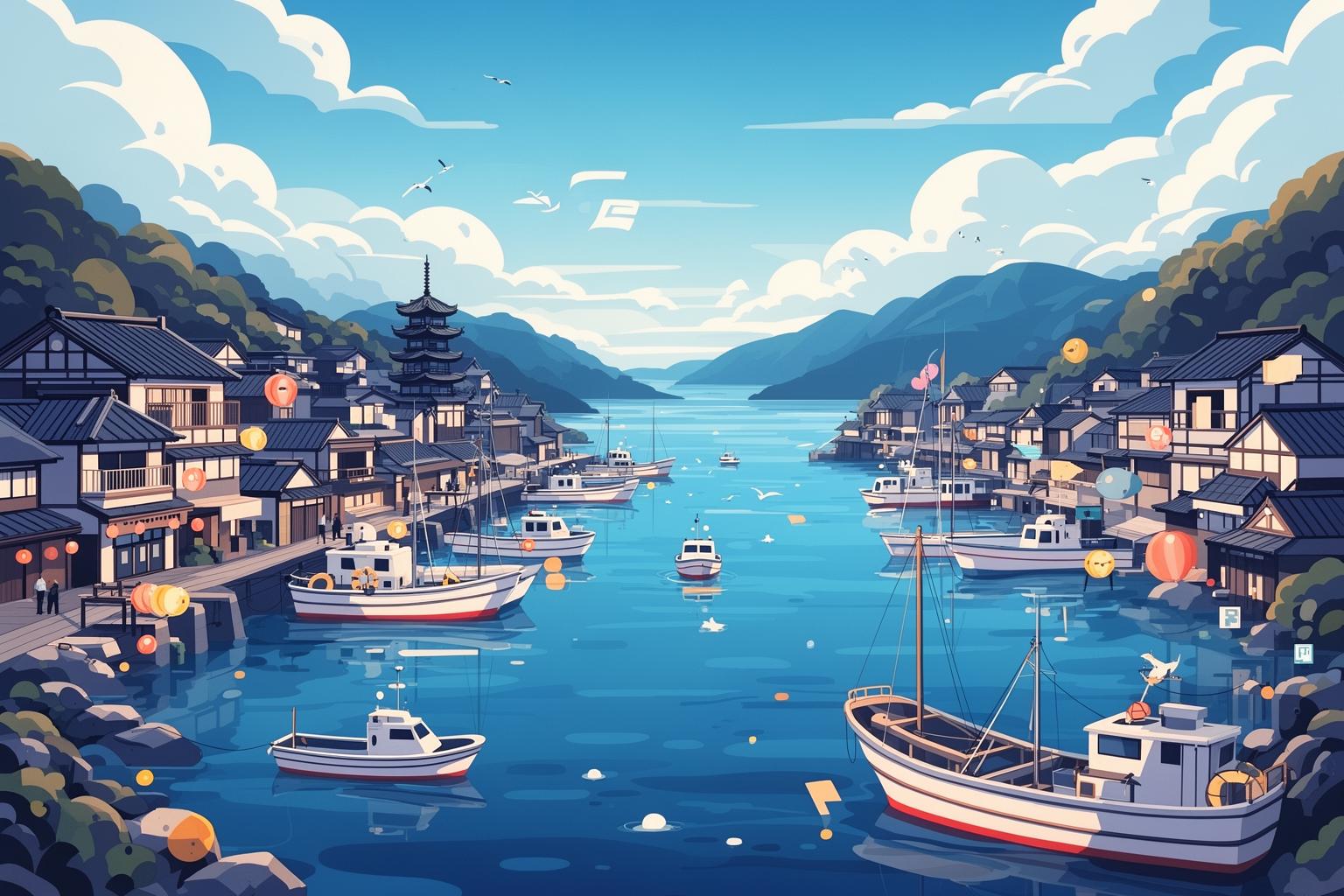
To genuinely connect with Tomonoura, you need to do more than merely see it; you must experience its rhythm. This involves allowing time in your visit for unstructured wandering, quiet observation, and interacting with the natural surroundings of the port. It is in these moments—watching a fisherman repair his nets, taking a brief ferry trip to a nearby island, or simply finding a tranquil spot to observe the changing tide—that the true essence of the place becomes clear. Let go of the urge to keep moving and allow yourself to be fully present. This is how you discover your own personal bond with this timeless town.
A Stroll to Benten-jima and the Sea
Just off the main harbor lies a tiny, charming island called Benten-jima, crowned by a vivid vermilion shrine dedicated to Benzaiten, the goddess of the sea. Though you can’t walk there, its presence adds a splash of vibrant color and spiritual meaning to the landscape. For a deeper nature experience, take the short five-minute ferry ride to Sensui-jima Island. This larger, mostly undeveloped island is a national park, featuring several walking trails that lead to stunning viewpoints and quiet beaches. Hiking here offers a fresh perspective, allowing you to gaze back at Tomonoura from across the water, nestled against the mainland. It’s a refreshing way to connect with the wilder side of the Seto Inland Sea and appreciate the natural beauty that has inspired artists and poets for generations.
Discovering Hidden Temples and Shrines
Although Fukuzen-ji attracts most attention for its famous view, Tomonoura is home to many other temples and shrines, each with its own distinct charm and history. A short but steep climb up the hill brings you to Ioji Temple, which provides a panoramic view of the town and sea, arguably more expansive than the one from Taichoro. Its grounds offer a peaceful, contemplative atmosphere. Back in town’s center, Nunakuma Shrine is a notable historical site featuring two beautiful Noh theater stages, a rare feature that reflects the town’s cultural sophistication of the past. Visiting these less-frequented spiritual sites lets you uncover layers of Tomonoura’s history and find moments of deep tranquility away from the busy harbor front.
The Art of Doing Nothing: Finding Your ‘Taichoro’ Moment
Perhaps the most essential activity in Tomonoura is embracing the art of doing nothing. This captures the spirit of the town’s “tide-waiting” tradition. Find your personal version of the Taichoro view—whether it’s a wooden bench facing the Joyato lighthouse, a seat at a waterfront cafe, or simply a spot on the sun-warmed gangi steps. Sit. Watch. Listen. Notice the slow, purposeful movements of local fishermen. Observe the changing water colors as clouds drift across the sun. Hear the gentle rhythm of the waves. In today’s fast-moving world, such moments of quiet observation are rare. But in Tomonoura, this isn’t wasted time; it’s the core experience. It is in these still moments that you feel the town’s pulse and understand why it has fascinated so many, from samurai lords to animation legends.
A First-Timer’s Gentle Reminders
To make your visit as enjoyable as possible, keep a few simple tips in mind. The town’s streets are a mix of pavement, stone, and slopes, so comfortable walking shoes are essential. While credit cards are becoming more widely accepted, many smaller, family-run shops, cafes, and inns still prefer cash, so it’s wise to carry yen. Remember that Tomonoura is a living, working town, not just a tourist spot. Be respectful of residents’ privacy by avoiding pointing cameras into private homes or gardens. Finally, to truly capture the port’s magic, consider staying overnight. The town transforms in the early morning and late evening when day-trippers have left. Seeing the harbor bathed in soft dawn light or walking the empty, lantern-lit alleys at night offers a deeper, more intimate experience of Tomonoura.
A Final Reflection: The Enduring Charm of a Tide-Waiting Town
Leaving Tomonoura feels like awakening from a pleasant dream. The world of bullet trains and bustling cities reappears, and the gentle rhythm of the port town starts to feel like a distant memory. Yet, the essence of the place remains. It is a town that teaches the value of slowness, the beauty found in imperfection, and the deep harmony possible between a community and its natural surroundings. It is much more than simply the town from Ponyo; it stands as a testament to a way of life that cherishes history, craftsmanship, and a profound respect for the sea. Tomonoura reminds us that some places are not meant to be hurried through. They are to be savored, like a cup of fine tea or a well-told story. As you depart, the lasting image is that of the Joyato lighthouse, standing firm against the shifting tides. It symbolizes the town itself: a timeless, gentle beacon in a swiftly changing world, patiently awaiting those who seek solace and inspiration by the shore.