
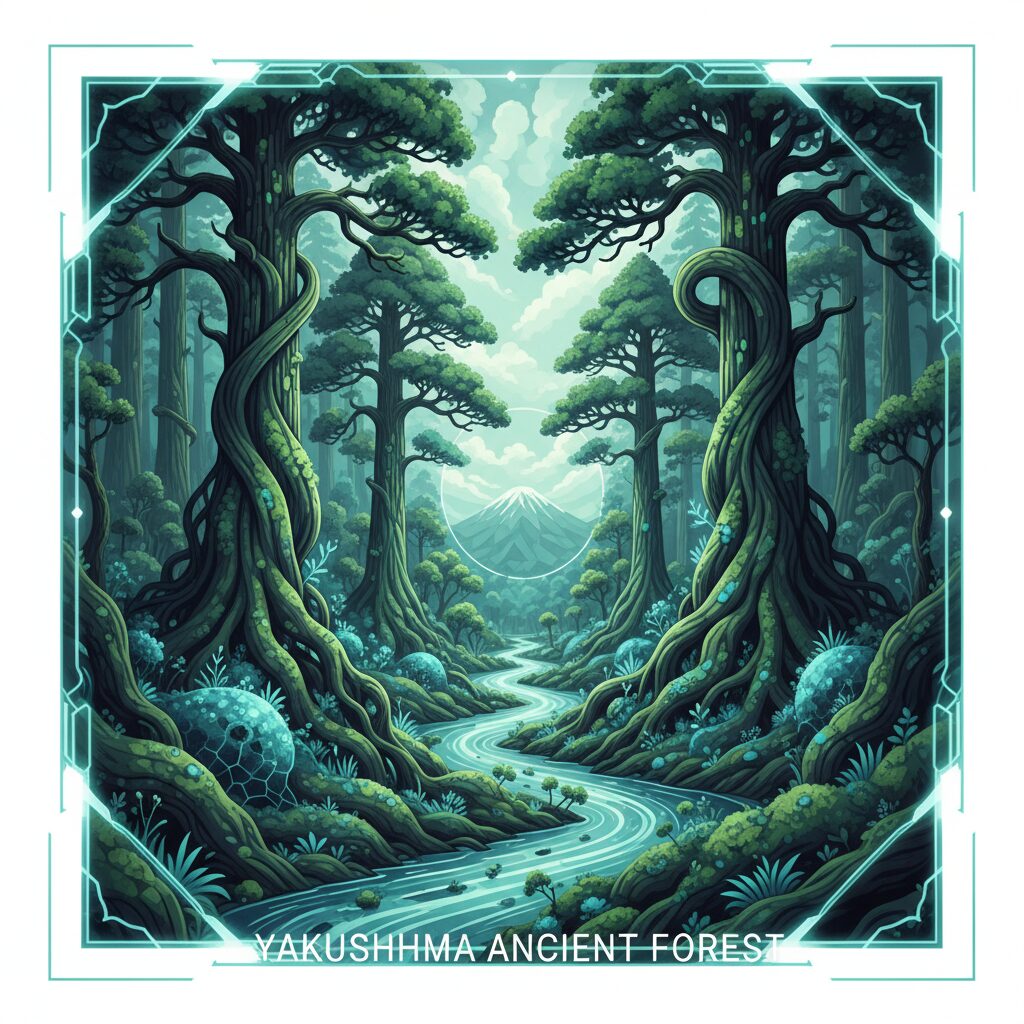
Deep in the south of Japan, where the East China Sea meets the Pacific, lies an island that feels like a piece of a forgotten world. This is Yakushima, a subtropical jewel of Kagoshima Prefecture, a place where the mountains scrape the clouds and the forests breathe a mist of timeless magic. It’s a land of granite and green, a sanctuary where ancient trees stand as silent witnesses to millennia of rain and sun. But for millions around the globe, Yakushima is more than just a UNESCO World Heritage Site; it is the living soul of one of the greatest animated films ever created. This is the forest that breathed life into Hayao Miyazaki’s epic, Princess Mononoke. To walk here is to step through the screen, to feel the damp, mossy earth of the Deer God’s domain beneath your feet and to understand, on a visceral level, the film’s powerful plea for a balance between humanity and nature. This isn’t just a filming location; it’s the primordial heartbeat of the story itself, a place where the barrier between myth and reality feels impossibly thin.
For those enchanted by the forest’s mythic charm, a visit to Ghibli-inspired Tomonoura offers another immersive glimpse into Japan’s cinematic landscapes.
The Soul of the Forest: Shiratani Unsuikyo Ravine
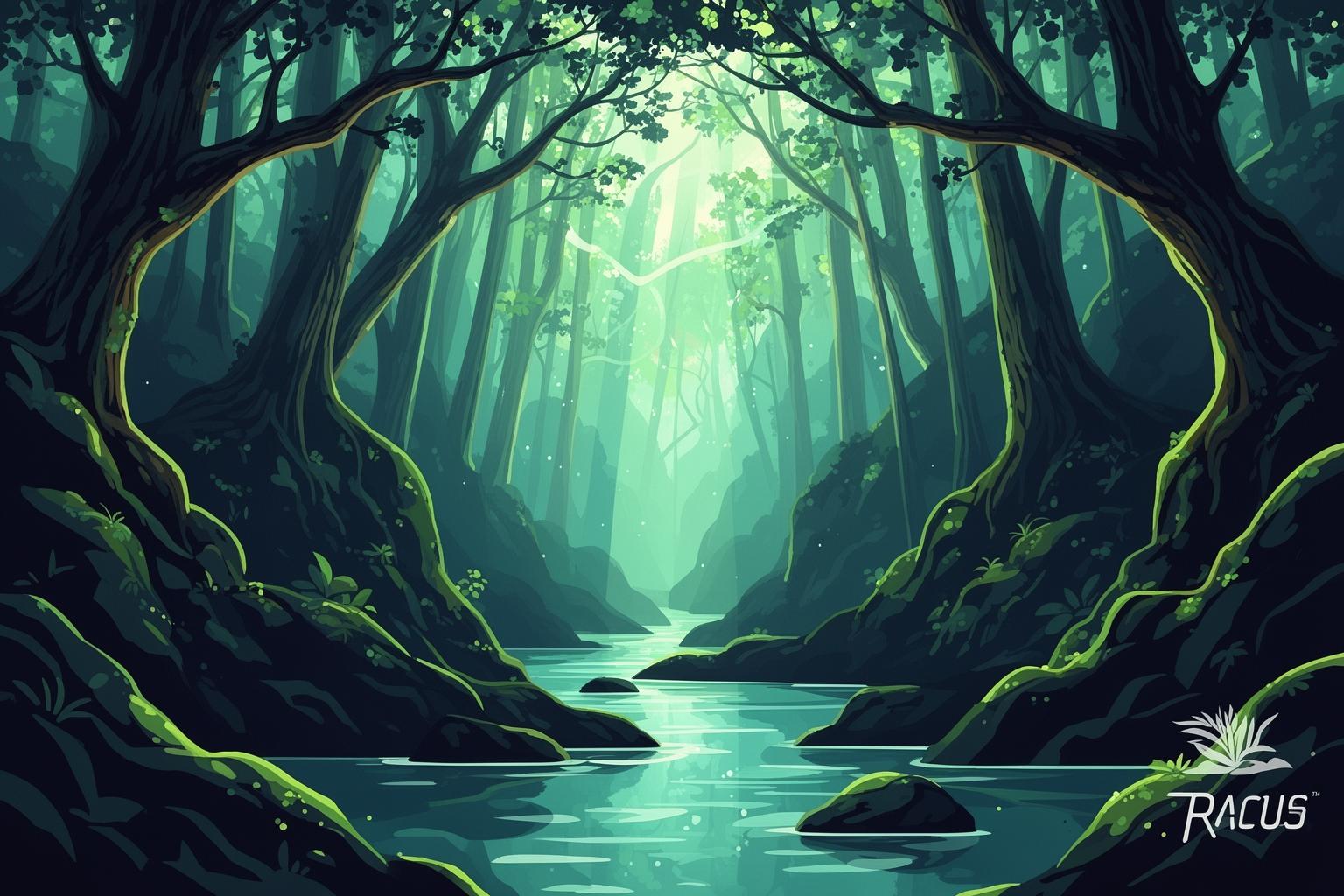
Your journey into the world of Princess Mononoke truly begins at Shiratani Unsuikyo, the Ravine of White Valley and Cloud Water. The name itself is poetic, perfectly capturing the essence of a place that feels more like a dream than a destination. This is the very forest where Hayao Miyazaki and his team of artists spent days sketching, soaking in its unique atmosphere to bring it to life on the animation cel. The moment you step onto the trail, the modern world fades away, replaced by a profound, humbling silence—broken only by the drip of water from leaves to moss and the whisper of wind through the canopy. It’s a fully immersive sensory experience. The air is cool and heavy with the scent of damp earth and decaying wood, a natural perfume of life, death, and rebirth cycling endlessly.
The Moss-Covered Realm of the Kodama
The most iconic part of the ravine is an area lovingly known as “Mononoke Hime no Mori,” or the Princess Mononoke Forest. It’s easy to see why. Here, a velvet-green carpet of moss blankets everything—gnarled roots, fallen logs, ancient stones, and the trunks of towering Yakusugi cedars. The light filtering through the dense canopy is soft and ethereal, casting an otherworldly glow. You instinctively lower your voice to a whisper. It feels sacred. This is where you can almost hear the gentle rattle of the Kodama, the small white tree spirits from the film. Every twisted root seems a potential resting place for them, every mossy stone a silent guardian. The visual resemblance is so exact, so captivating, that it blurs the boundary between reality and animation. This isn’t just a place that looks like the movie; it feels like it. As a fan of East Asian folklore, I sense the deep Shinto belief in ‘yaoyorozu no kami’—the eight million gods dwelling in all natural things. Each tree, each rock here feels imbued with a spirit, an idea central to Miyazaki’s vision.
Taiko Iwa Rock: A View from a Ghibli Film
For those willing to explore further into the ravine, the trail ascends to Taiko Iwa, a massive granite boulder precariously perched on a mountainside. The hike offers a rewarding challenge, crossing wooden bridges, streams, and passing ancient trees like the Nidaiosugi and the Kugurisugi—a cedar you can walk through. The final climb is steep, but the payoff is stunning. As you emerge from the dense forest onto the sunlit surface of the rock, the world unfolds before you. The view offers a breathtaking panorama of Yakushima’s mountainous interior, an endless sea of green forest canopy stretching to the horizon. This is the vantage point of Ashitaka, the film’s protagonist, as he looks out over the untamed wilderness he has entered. Standing there, with the wind whipping around you and the vastness of nature laid bare, you experience a mix of awe and insignificance. It’s a moment of deep clarity, a chance to see the world through the eyes of the gods and eagles that inhabit this high-altitude realm.
Jomon Sugi: A Witness to Millennia
While Shiratani Unsuikyo embodies the film’s aesthetic, the trek to Jomon Sugi captures its true spirit. This is no ordinary stroll; it is a genuine pilgrimage. Jomon Sugi stands as the island’s patriarch, a massive Yakusugi cedar estimated to be anywhere from 2,170 to an astonishing 7,200 years old. It ranks among the oldest living trees on Earth, a sapling when the Egyptian pyramids were constructed. To stand before it is to connect with deep time itself. The journey to reach it is an all-day endeavor, a demanding ten-hour round trip that challenges both physical stamina and mental resilience, but this hardship is integral to the experience. It ensures that those who arrive do so with a profound sense of reverence and achievement.
The Pilgrimage to an Ancient Giant
The path to Jomon Sugi starts along the Anbo Forest Railway, an old logging trail that gently meanders through the forest. This initial segment is a meditative walk, with the steady clatter of your boots on the wooden sleepers setting a calm rhythm. It serves as a poignant reminder of the island’s logging history, a conflict between humanity and nature central to Princess Mononoke. Along the way, you pass Wilson’s Stump, the hollow, heart-shaped remnant of a massive cedar cut down centuries ago, now a chamber where a stream flows. Eventually, the trail leaves the tracks and begins a steep, strenuous climb into the high mountains. Here, the trees grow older, larger, and more fantastically shaped. En route, you encounter other venerable giants such as the Meoto Sugi (Husband-and-Wife Cedars) and the Daiosugi (Great King Cedar). Upon reaching the viewing platform for Jomon Sugi, a profound wave of respect sweeps over you. The tree is vast, its gnarled, weathered bark resembling the wrinkled skin of an ancient deity. It feels less like a plant and more like a powerful presence. This silent, living monument embodies the Shishigami, the Forest Spirit from the film—a life force that is ancient, powerful, and worthy of deepest reverence.
Beyond the Forest: The Island’s Rhythms
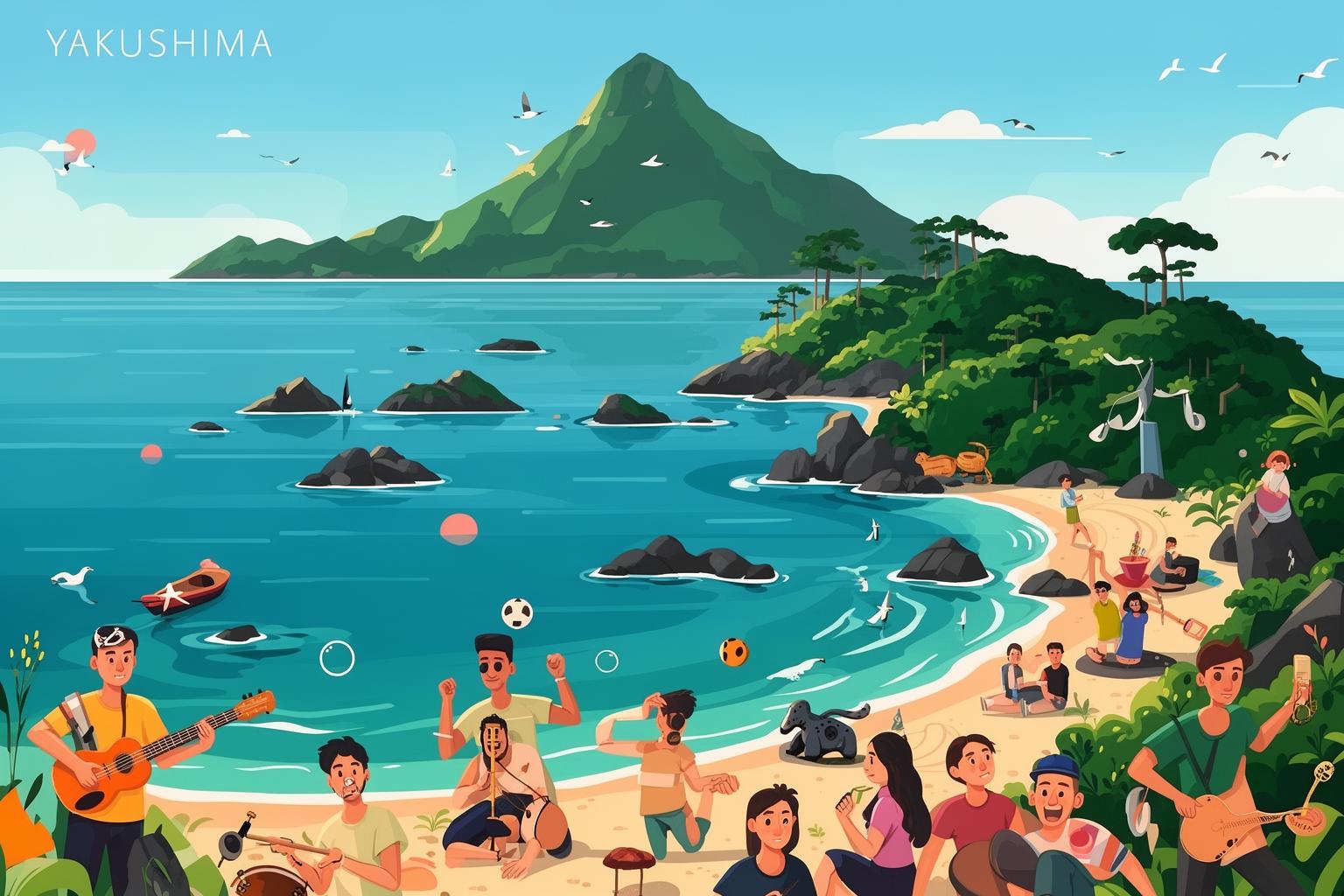
Yakushima’s magic extends beyond its mountain forests. The island is a microcosm of diverse ecosystems, where the rhythms of the mountains blend with the rhythms of the sea. Experiencing this place is incomplete without exploring its dramatic coastline and sensing the ocean’s pulse that surrounds it. After days beneath the dense, dark canopy, the bright, open space of the coast offers a necessary and beautiful contrast—a deep breath of salty air.
Coastal Wonders and Sea Turtles
Driving along the winding coastal road is an adventure itself, presenting stunning views of turquoise waters crashing against black volcanic rocks. The coast’s highlight is Nagata Inakahama Beach, a beautiful stretch of golden sand that serves as the most important nesting site for endangered loggerhead sea turtles in the North Pacific. From May through July, under the cover of night, female turtles haul themselves ashore to lay their eggs, a timeless ritual of survival. Witnessing this, or even simply walking the sand knowing its significance, connects you to another ancient life cycle of the island. While the film explored the realms of the mountain’s boar and wolf gods, here on the coast, you feel the spirit of the ancient sea gods. It reminds you that the entire island, from its highest peaks to its deepest shores, is a living, breathing sanctuary.
The Onsen Experience: Nature’s Hot Springs
After a long day of hiking, nothing is more rewarding than soaking your tired muscles in one of Yakushima’s natural hot springs, or onsen. The island offers a unique onsen experience rarely found elsewhere in Japan. Hirauchi Kaichu Onsen is a collection of hot spring pools situated right on the rocky shoreline, accessible only for a few hours a day during low tide. Bathing in the volcanically heated, mineral-rich water while the Pacific Ocean waves crash just feet away is an unforgettable experience. It is a moment of perfect harmony, where the earth’s geothermal energy meets the immense power of the sea. Rustic, communal, and utterly sublime—it’s the ideal way to connect with the raw, elemental forces that have shaped this extraordinary island.
Practical Magic: Planning Your Yakushima Journey
A trip to Yakushima isn’t just a simple weekend escape; it calls for careful planning to fully appreciate its beauty. Its remote location and untamed nature contribute to its allure, but they also bring logistical hurdles. Proper preparation is essential for a safe and enchanting visit. This is not a place you can simply drop into; it’s a destination that demands your dedication before revealing its treasures.
Getting There and Getting Around
The primary access point to Yakushima is Kagoshima city on Kyushu’s mainland. From there, you have two main choices: a brief flight to Yakushima’s small airport or a scenic boat trip. The high-speed jetfoil ferries, called the Toppy and Rocket, are the most popular option, taking about two to three hours to reach either Miyanoura or Anbo port on the island. Upon arrival, you’ll quickly notice the island’s size and sparse population. Public transport is limited, with infrequent bus services. To explore Yakushima at your own pace and have the flexibility to visit trailheads, waterfalls, and coastal areas, renting a car is nearly indispensable. Be sure to book your vehicle well ahead of time, especially during peak seasons when demand is high.
What to Pack and When to Go
There is a local saying that it rains “35 days a month” in Yakushima, and that’s only a slight exaggeration. The island’s mountainous landscape traps moisture-filled air, resulting in some of Japan’s highest rainfall. This rain nurtures the lush, moss-covered forests, so it’s something to embrace rather than avoid. High-quality waterproof gear is a must. A breathable rain jacket, waterproof trousers, and most importantly, sturdy, waterproof hiking boots with reliable grip are vital for both safety and comfort. The ideal times to visit are spring (March to May), when mountain rhododendrons bloom and the weather is pleasant, or autumn (October to November), when the air is clear and temperatures are cool. Summer brings heat, humidity, and typhoons, while winter can bring snow at the highest elevations, often closing trails like the one to Jomon Sugi.
A Note for the First-Time Hiker
Many trails on Yakushima are demanding and require good physical fitness. Always start hikes early to ensure enough daylight. Carry plenty of water and energy-boosting snacks. The most important rule is to respect the fragile ecosystem: stay on marked paths to protect the delicate moss and tree roots, and take every bit of trash back with you. For more strenuous all-day hikes, such as the route to Jomon Sugi, hiring a local guide is highly recommended. A guide not only enhances safety but also greatly enriches the experience by pointing out rare flora and fauna and sharing deep insights into the island’s history, ecology, and folklore. Their storytelling turns a simple hike into a meaningful educational adventure.
The Spirit of Yakushima and the Message of Mononoke
Visiting Yakushima goes beyond a pilgrimage for anime fans; it offers a profound exploration of the environmental and philosophical themes presented in Princess Mononoke. Hayao Miyazaki created the film from a sense of urgency, fearing that modern industrial society was irreversibly breaking its bond with the natural world. In the film, the forest is more than a mere backdrop; it is a living, breathing entity with its own gods, laws, and fierce determination to survive. Standing in the quiet solitude of Shiratani Unsuikyo, surrounded by life that has endured for thousands of years, transforms this message from an abstract idea into an undeniable reality. You feel it deeply. You grasp the fury of the wolf god Moro and the sorrow of the forest as it succumbs to human ambition. The island imparts a lesson in coexistence. For centuries, the villagers of Yakushima have lived in delicate harmony with their surroundings, honoring the mountain gods and taking only what they need. This spirit of balance is the very heart of the island, a living embodiment of the world Miyazaki so fervently urges us to cherish and protect.
A Farewell to the Forest Gods
Leaving Yakushima feels like awakening from a powerful dream. The vibrant greens, the misty air, and the profound silence of the ancient forests stay with you long after you’ve boarded the ferry back to the mainland. You depart with more than just photographs; you carry with you a renewed sense of perspective. To have walked in the footsteps of gods and ghosts, to have stood before a living being that predates most of human civilization, is a humbling experience. It transforms you. Yakushima is not merely a backdrop for a movie. It is a character in its own right, a powerful teacher, and a vital sanctuary in a world that has forgotten the importance of the wild. It is a journey into the heart of an animated masterpiece, yes, but also a journey back to the very source of life itself, a place that reminds you the world is still filled with profound and ancient magic, if only you know where to look.








