Some cities are defined by their castles, their industries, or their strategic ports. Others are etched into the world’s imagination by the stroke of a pen. Matsuyama, the capital of Ehime Prefecture on the island of Shikoku, is one such place. It’s a city that breathes literature, a place where the ghost of one of Japan’s most celebrated authors, Natsume Soseki, walks the tram-lined streets, relaxes in its ancient hot springs, and gazes out from its hilltop fortress. To visit Matsuyama is to step directly into the pages of Botchan, Soseki’s beloved and bitingly funny novel from 1906. This isn’t just a tour; it’s a pilgrimage to the source of a story that helped shape modern Japanese identity, a journey back to the turbulent and transformative Meiji era, where tradition collided head-on with the modern world. Here, the fictional world of a hot-headed young teacher from Tokyo and the real-life experiences of the author who created him merge into a single, unforgettable narrative. Prepare to follow the echoes of footsteps left over a century ago, and discover a city forever colored by the ink of a master.
For another literary journey where an author’s world comes alive in a specific locale, consider exploring Kinosaki Onsen, a hot spring town immortalized in fiction.
The Echoes of Botchan in a Castle Town
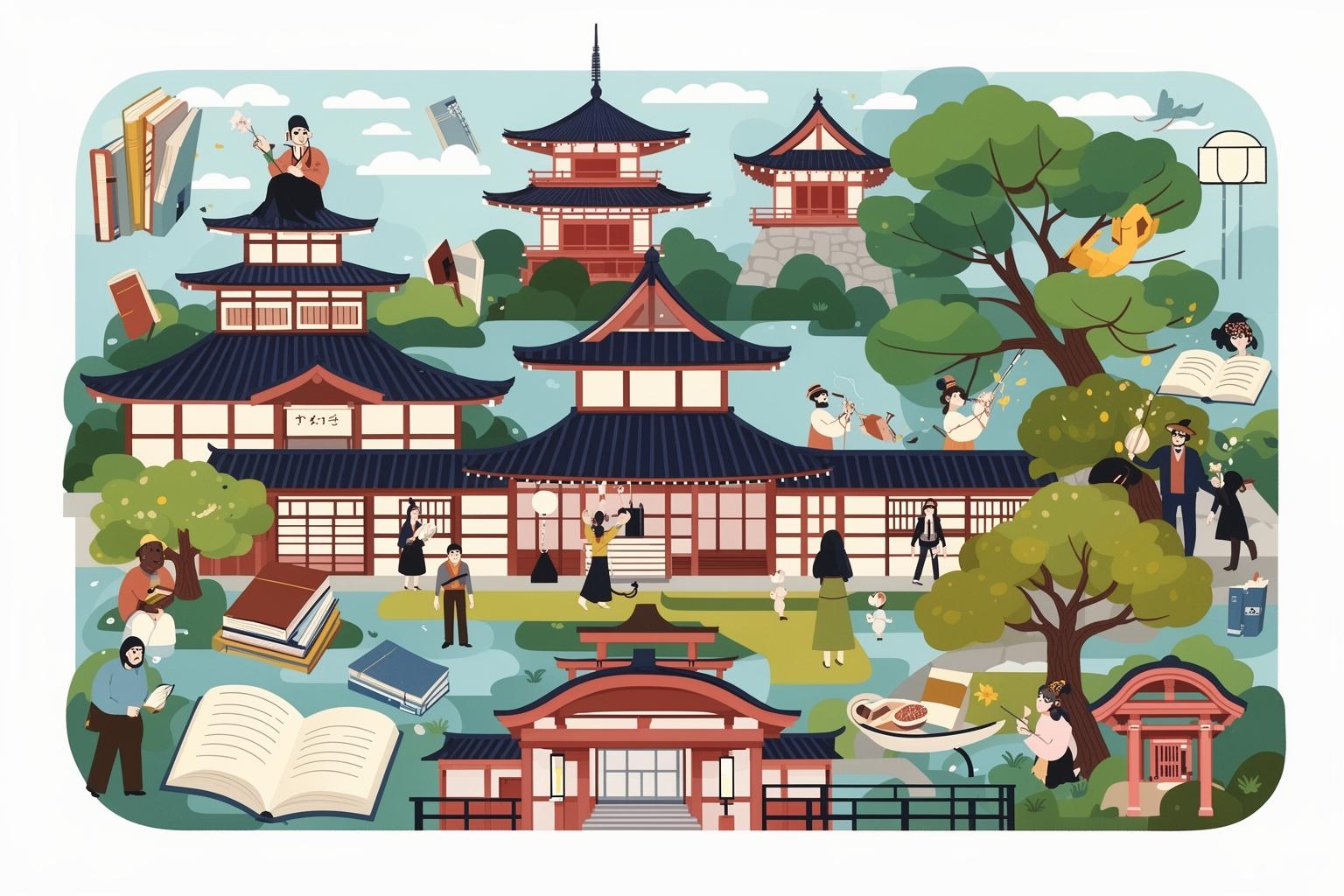
To truly understand Matsuyama, one must first grasp Botchan. The novel recounts the tale of a young, impulsive, and fiercely principled mathematics teacher from Tokyo who accepts a job at a rural middle school, a place he regards with considerable disdain. This fictional school closely resembles the real Matsuyama Middle School where Natsume Soseki himself taught English for a year in 1895. The novel brilliantly satirizes provincial life, conflicting personalities, and the rigid social structures of the time. The titular character, Botchan, with his unfiltered honesty and contempt for hypocrisy, charges through this society like a cannonball, leaving a wake of both hilarious and poignant chaos. His adversaries, the effeminate art teacher “Redshirt” and the sycophantic “Clown,” have become iconic figures in Japanese culture. Yet, the novel is more than just a comedy of manners; it offers a deep reflection on integrity, friendship, and the challenging process of modernization. The entire city of Matsuyama acts as the backdrop for this drama. As you stroll through its streets, the boundary between Soseki’s fiction and reality blurs. The atmosphere seems infused with the novel’s essence—the clatter of wooden geta on stone, the distant whistle of a steam train, the soft murmur of voices from a bathhouse. This living, breathing connection to a literary masterpiece makes a visit here deeply meaningful. The city has not only preserved its history but also embraced its role as the guardian of Soseki’s story, rendering it accessible and tangible for every visitor who arrives.
Dogo Onsen: Bathing in History and Literature
No place in Matsuyama is more closely associated with Soseki and Botchan than Dogo Onsen. With a history spanning over a thousand years, it stands as one of Japan’s oldest and most renowned hot springs. This is where Botchan would go to wash away the frustrations of his teaching days, describing it as a magnificent, three-tiered building. Today, that very same structure remains the centerpiece of the district, a majestic wooden castle of steam and rejuvenation. Visiting Dogo offers a full sensory immersion into the world vividly depicted by Soseki, a place that seems almost perfectly preserved.
The Majestic Honkan
The main bathhouse, Dogo Onsen Honkan, is the undisputed crown jewel. Completed in 1894, just a year before Soseki’s arrival, its complex, multi-layered rooflines and intricate wooden latticework are breathtaking to behold. Atop the central roof, a watchtower holds a toki-daiko (time drum), beaten three times daily, its deep, resonant booms echoing throughout the surrounding streets. There’s a persistent rumor that this building inspired the fantastical bathhouse in Studio Ghibli’s Spirited Away, and though unconfirmed, it’s easy to understand why. The Honkan feels like a gateway to another world. Inside, you are welcomed by polished dark wooden floors and the organized bustle of staff guiding visitors. Bathing options range from a simple soak in the main public baths to a more luxurious experience, including access to private resting rooms. The main baths themselves—the Kami-no-Yu (Bath of the Gods) and the Tama-no-Yu (Bath of the Spirits)—are separated by gender. The bathing areas are grand, with high ceilings and water pouring from ornate stone spouts into granite-lined pools. The mineral-rich alkaline water is gentle on the skin and deeply relaxing. The true magic lies in sharing the experience alongside locals and travelers, all partaking in a ritual unchanged for generations.
Yushinden and the Imperial Connection
Within the Honkan is an area of exquisite beauty and historical importance: the Yushinden. Built in 1899 exclusively for the Imperial Family’s use, it is the only facility of its kind in Japan. While bathing here is not permitted, tours are available and highly recommended. The craftsmanship is extraordinary, from gilded folding screens and intricate metalwork to the private bathroom, the Goyuden, made of the finest marble and cypress wood. It even features a special raised entrance for the Emperor’s rickshaw and a dedicated toilet, the o-seisui, used only once by the Taisho Emperor. Walking through these silent, opulent rooms offers a fascinating look into the reverence with which the Imperial house was regarded during the Meiji period. This adds another dimension to the Honkan, presenting it not just as a public bathhouse but as a site of national cultural significance.
Soseki’s Room: A Glimpse into the Past
For literary pilgrims, the highlight of the Honkan tour is Botchan no Ma, or “Botchan’s Room.” Located on the third floor, this small tatami room is preserved as a tribute to Natsume Soseki. It is believed to be the very room he rented to relax, write, and gaze out over the town after his bath. The room is simple, containing a small writing desk, some of Soseki’s personal belongings, and portraits of the author and his literary circle. Looking out the window, you can see the same view Soseki would have admired, imagining him composing letters or sketching the very scenes that made Matsuyama famous. It’s a quiet, contemplative space that brings you closer to the man behind the legend, connecting the grand, public history of the onsen with the personal, creative inspiration it sparked.
Riding the Botchan Train: A Meiji Era Journey
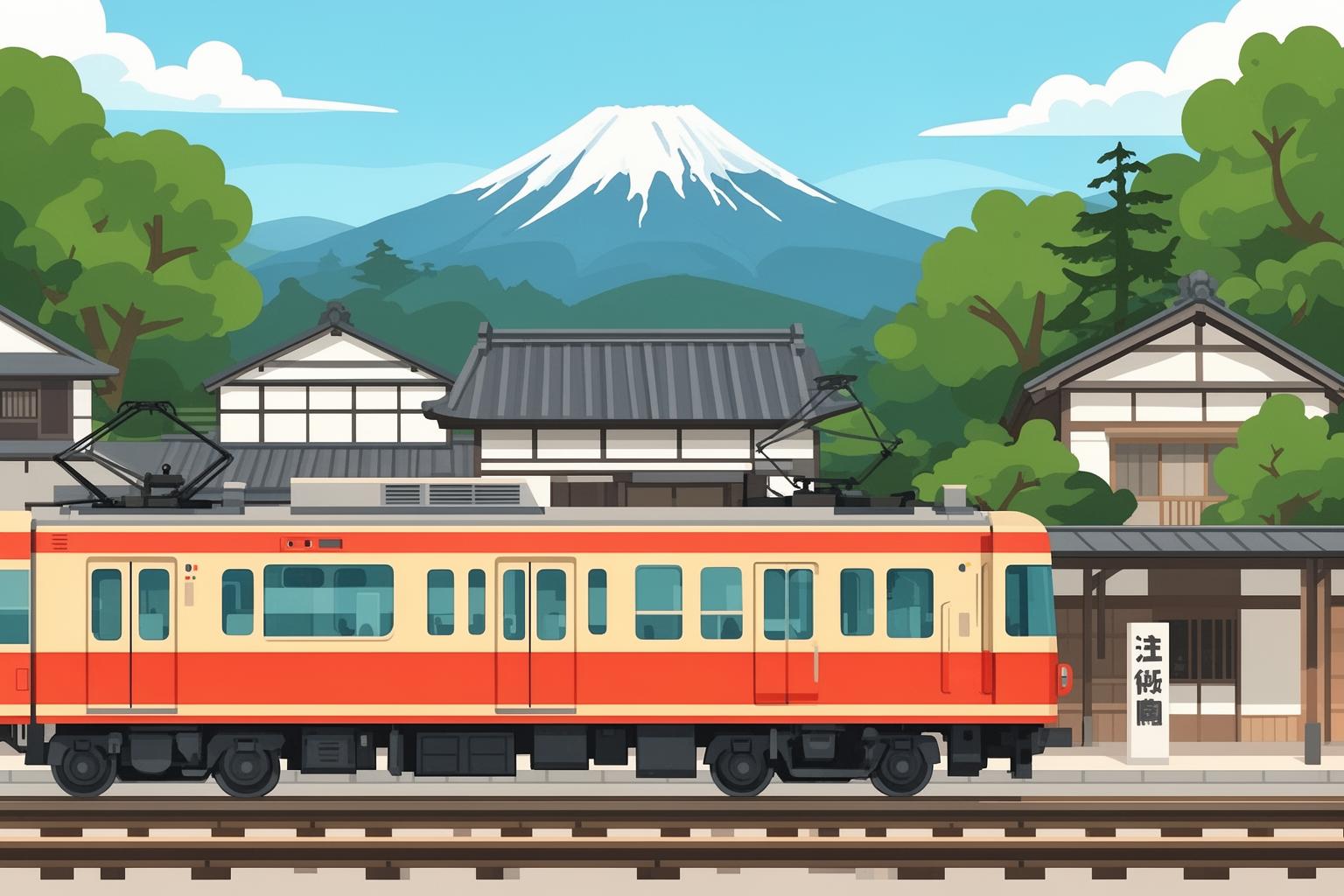
As you wander through Matsuyama, you will undoubtedly hear the cheerful toot of a steam whistle and see a plume of white smoke rising above the city streets. This is the Botchan Ressha, or Botchan Train, a lovingly restored diesel-powered replica of the small steam locomotives that once ran in the city during Soseki’s era. In the novel, Botchan takes this “matchbox-like” train on his first trip from the coast to the city center, and it remains one of the most iconic symbols of his story. Riding the Botchan Train today offers a delightful and nostalgic experience. The conductors wear period uniforms, and the carriages are outfitted with polished wood and plush velvet seats, transporting you straight back to the late 19th century. The train travels along the city’s regular tram lines, running between Dogo Onsen, Matsuyama City Station, and JR Matsuyama Station. As it rattles through the modern urban landscape, past department stores and traffic lights, it creates an enchanting sense of temporal dissonance. The highlight is the manual uncoupling and turntable rotation of the engine at the line’s end, a captivating piece of mechanical choreography that draws crowds of spectators. It’s more than just a tourist attraction; it’s a living piece of history and a wonderful way to experience the journey that both Soseki and his fictional protagonist took upon arriving in Shikoku.
Beyond the Pages: Exploring Matsuyama’s Core
While Soseki’s legacy lies at the core of Matsuyama’s literary identity, the city also boasts numerous other historical and cultural treasures that offer a broader context to the period he spent here. These sites provide greater insight into the proud, independent spirit of the castle town that both enchanted and challenged the young teacher from Tokyo.
The Mighty Matsuyama Castle
Towering over the city skyline from the summit of Mount Katsuyama is Matsuyama Castle, one of Japan’s twelve remaining original castles. Construction began in 1602, and the current main keep, rebuilt in the 1850s after a lightning strike, stands as a splendid example of feudal-era architecture. Reaching the castle is part of the experience—you can ride a scenic ropeway or a quaint single-person chairlift up the tree-covered hillside. The castle grounds at the top are expansive and provide a tranquil retreat, especially during cherry blossom season when the park is blanketed in pink and white. The main keep itself is a multi-story fortress featuring steep wooden staircases, historical armor and swords, and intriguing exhibits on the castle’s history. The ultimate reward is found at the highest floor: from its narrow windows, a stunning 360-degree panorama unfolds, revealing the city, the Seto Inland Sea, and the surrounding mountains. It is from this vantage point that one can truly grasp Matsuyama’s geography and envision how the town appeared in the Meiji era—a compact settlement clustered around its feudal lord’s imposing stronghold.
Isaniwa Shrine: A Vibrant Guardian
A brief walk from the Dogo Onsen district brings you to Isaniwa Shrine, an impressive and spiritually potent site. The approach is marked by a massive stone torii gate and a steep, commanding stone staircase. The climb invigorates and builds anticipation. At the summit, you are greeted by the sight of a brilliant vermilion-lacquered shrine complex. Isaniwa Shrine is constructed in the rare Hachiman-zukuri style, where two parallel-gabled buildings connect to form the impression of one long structure. The corridors are decorated with paintings of warriors and historic scenes, and the compound teems with vibrant energy. Dedicated to Emperor Chuai, Empress Jingu, and the war god Hachiman, it offers a powerful contrast to the city’s literary acclaim, reminding visitors of the deeper samurai heritage and Shinto traditions that have shaped the region for centuries.
Ishite-ji Temple: A Pilgrim’s Respite
Located just east of Dogo Onsen is Ishite-ji, Temple 51 on the renowned Shikoku 88 Temple Pilgrimage. This extensive temple complex feels like a distinct world, filled with an intriguing and diverse array of halls, pagodas, and statues. Its name, which means “Stone Hand Temple,” originates from a legend about a wealthy lord who, after disrespecting the pilgrim Kukai (Kobo Daishi), was reborn with a stone clasped in his hand. The temple’s main hall and three-storied pagoda are designated National Treasures, exemplifying exquisite Kamakura period architecture. Among Ishite-ji’s most unique features is its dimly lit limestone cave system. The entrance, marked by a sign cautioning those with a guilty conscience to reconsider, leads into a winding tunnel filled with countless Buddhist statues and carvings. Emerging on the other side feels like a symbolic rebirth. A visit to Ishite-ji connects you with the profound spiritual heritage of Shikoku, a long-standing tradition of pilgrimage and devotion that predates Soseki and continues to attract visitors globally.
A Taste of Soseki’s Shikoku
No cultural immersion is truly complete without savoring the local cuisine, and Matsuyama presents flavors deeply intertwined with its geography and literary heritage. Soseki himself described the food he enjoyed, and tasting these dishes offers another way to connect with his experience. The most renowned local specialty is tai-meshi, or sea bream rice, which comes in two distinct styles. The Hojo style, native to the Matsuyama area, involves cooking a whole sea bream atop the rice, then flaking and mixing it in. The Uwajima style, from the southern part of the prefecture, features fresh sea bream sashimi marinated in a savory blend of soy, egg, and dashi, poured over hot rice. Sampling both provides a delicious insight into regional culinary variation. Naturally, no literary pilgrim can leave without trying Botchan Dango. This sweet treat, famously bought by the novel’s protagonist at Dogo Onsen, consists of three small skewered mochi dumplings dyed with red bean paste, egg, and green tea. It’s a simple, delightful snack found in every souvenir shop and tea house, making it the perfect companion for a post-onsen stroll.
Practical Guidance for the Modern Pilgrim
Matsuyama is an exceptionally accessible and visitor-friendly city, though a few tips can help make your literary journey even more enjoyable. It’s a place that rewards a slower pace, inviting you to wander and absorb the atmosphere rather than hurry between landmarks.
Getting to and Around Matsuyama
The city is well-connected. Matsuyama Airport (MYJ) offers frequent flights from Tokyo’s Haneda Airport and other major Japanese cities. By train, the JR Yosan Line links Matsuyama to Okayama on Honshu, where you can transfer to the Shinkansen bullet train network. Once in the city, the Iyo Railway (Iyotetsu) tram system is invaluable. It’s an efficient, extensive, and charmingly nostalgic network that serves all the main attractions, including the JR station, the city center (Okaido), and Dogo Onsen. For convenience, consider buying an ALL IYOTETSU Pass, which provides unlimited tram and bus rides for one or more days and often includes a ride on the Ferris wheel atop the Takashimaya department store for an extra city view.
When to Visit
Matsuyama is a fantastic destination year-round, but spring and autumn are especially stunning. In late March and early April, the cherry blossoms at Matsuyama Castle and Dogo Park create a breathtakingly beautiful, quintessentially Japanese spring scene. Autumn, from October to November, offers comfortable temperatures, clear skies, and gorgeous fall foliage around the castle grounds and nearby mountains. Summer can be hot and humid but brings lively festivals to the city. Winter is mild, and nothing compares to soaking in a hot onsen on a crisp evening. A note for planning: the Dogo Onsen Honkan is currently undergoing extensive preservation and repairs but remains partially open for bathing. Be sure to check the official Dogo Onsen website for the latest updates on opening hours and available facilities.
A Historian’s Tip for First-Time Visitors
To truly unlock Matsuyama’s magic, I strongly recommend reading Botchan before your trip. It’s a short, highly entertaining read, and having the characters and scenes fresh in your mind will turn your visit from a simple sightseeing tour into a rich, immersive experience. Every street corner, tram ride, and taste of dango will carry deeper significance. Wear comfortable shoes, as the city and its historic sites are best explored on foot. Don’t hesitate to explore the side streets of the Dogo Haikara Dori shopping arcade or stroll through the residential areas around the castle. This is where the quiet, authentic rhythms of daily life unfold beyond the pages of the famous novel. Finally, give yourself time. Time to sit in the tatami rest area after your bath, sipping tea. Time to linger on the castle ramparts, watching the sun set over the sea. Matsuyama’s story is not only found in its landmarks but also in its relaxed, graceful pace.
The Enduring Legacy of a Literary Master
To walk through Matsuyama is to grasp the profound and lasting influence of a single story. Natsume Soseki spent just one year here, a year he often described as difficult. Yet, from that brief period of hardship, he created a work of fiction that has brought joy to millions and forever secured this city’s place in the history of Japanese literature. The journey to Soseki’s Matsuyama is more than a mere act of visiting locations. It is an exploration of the creative process itself—how a place, with its distinct culture, quirks, and characters, can embed itself in an author’s mind and blossom into a timeless masterpiece. The city has reciprocated, honoring its connection to Soseki not as a static museum relic, but as a living, breathing aspect of its identity. The whistle of the Botchan Train is not a relic of the past; it is the sound of a story still being told daily to every traveler who stops to listen. It is a tale of rebellion, integrity, and the enduring comfort of a good hot bath, waiting for you in the warm, welcoming heart of Shikoku.