There’s a certain frequency to Haruki Murakami’s Tokyo. It hums just beneath the surface of the real city, a place of talking cats, parallel worlds, and lonely protagonists searching for something they can’t quite name. His novels don’t just use Tokyo as a backdrop; they breathe it in, making the city a living, breathing character in its own right. From the neon-drenched chaos of Shinjuku to the quiet, residential hum of the western suburbs, his world is one of strange beauty, profound solitude, and the ever-present rhythm of jazz and classical music. To walk through Tokyo with his stories in your mind is to engage in a modern-day pilgrimage. It’s a quest not for concrete landmarks from a checklist, but for a feeling—a search for those thin places where the membrane between reality and fiction feels ready to tear. This journey is about finding the entrance to the labyrinth, feeling the pull of another moon in the sky, and allowing yourself to get wonderfully, irrevocably lost in the narrative. It’s about putting on your headphones, queuing up a playlist of Bill Evans or the Archduke Trio, and stepping into the pages of a story that is still being written, with the city itself as your guide. Let this be your map to the atmosphere, a compass pointing toward the melancholic, cool, and deeply resonant heart of Murakami’s literary landscape.
If you’re inspired to explore other Japanese literary landscapes, consider embarking on a literary pilgrimage to the world of Natsume Soseki.
The Neon Labyrinth: Shinjuku’s Nocturnal Heartbeat
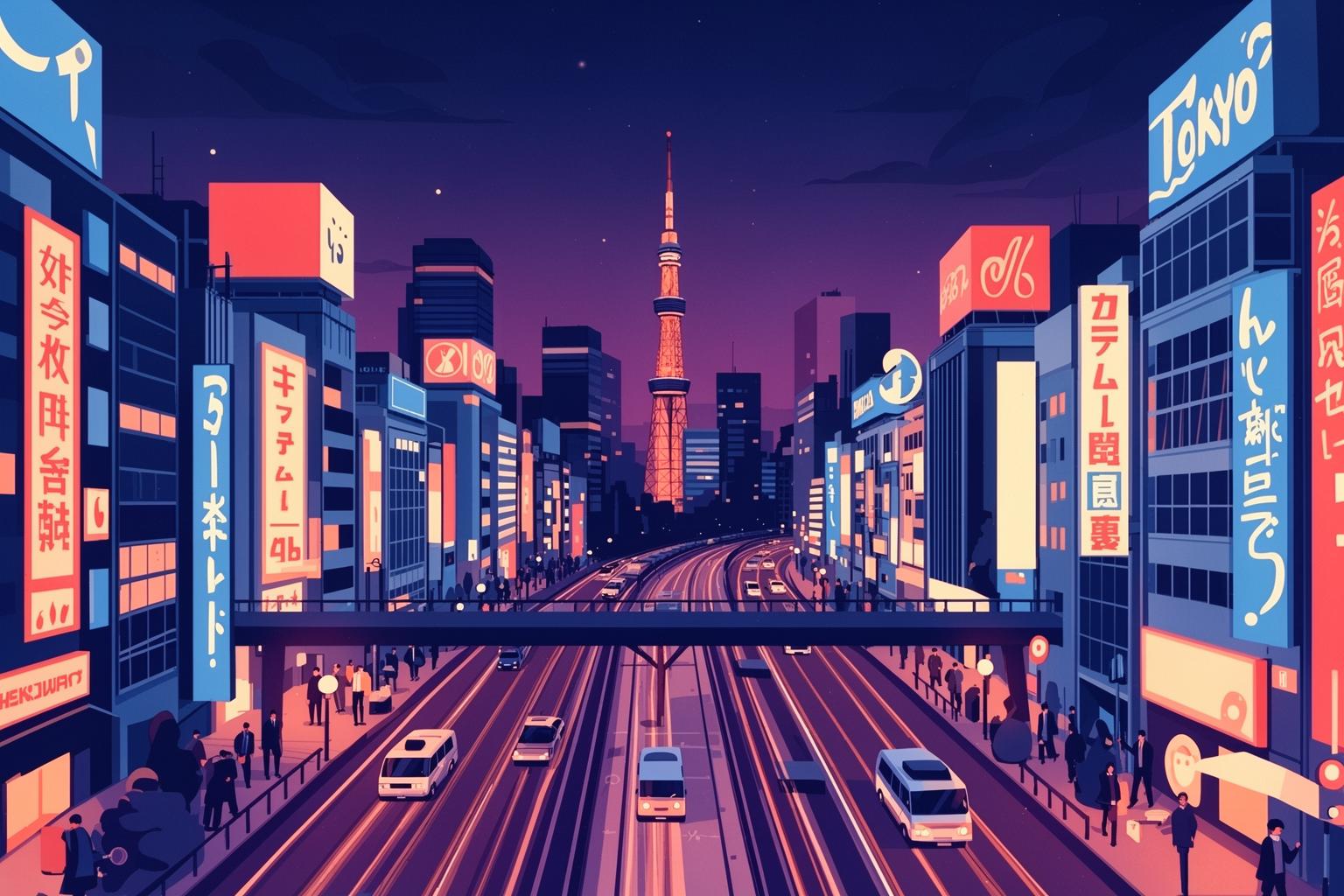
Shinjuku is where many of Murakami’s stories either begin or reach their dizzying climax. The station itself is a creature of pure chaos, a sprawling underground city that feels like a physical embodiment of the subconscious. Emerging from its depths into the electric night is a sensory overload in the best possible way. The towering video screens, the rivers of people, the cacophony of sounds—it’s the ideal setting for a protagonist to feel utterly alone amid millions. This is the Tokyo of After Dark, a city that never truly sleeps, where chance encounters beneath the eerie glow of convenience store lights can change a life forever. Yet amidst the overwhelming scale, there are pockets of intense intimacy and quiet contemplation, waiting to be discovered.
Kinokuniya Bookstore: A Universe of Paper and Ink
Before exploring the district’s more subterranean delights, a visit to the Kinokuniya Main Store is essential. It’s more than just a bookstore; it’s a cultural institution and sanctuary. You can easily picture a character like Toru Okada from The Wind-Up Bird Chronicle losing himself for hours in these aisles, searching for a book on Manchuria’s history or simply letting his thoughts drift. The sheer volume of stories within these walls is staggering. Take the elevator to the foreign language section and feel the hum of global narratives converging in one place. It’s a spot to recharge, inhale the scent of paper and ink, and remember that in Murakami’s world, libraries and bookstores are often gateways to deeper knowledge and stranger realities. It’s a perfect starting point—a place to ground yourself in the power of words before venturing into the more ephemeral, music-filled corners of the neighborhood.
Dug Jazz Cafe: A Subterranean Sanctuary
Just a short walk from the station’s east exit, down a flight of stairs and away from the neon glare, lies Dug Jazz Cafe & Bar. This is not a fictional creation; it’s a real place Murakami frequented, and it feels like stepping directly into one of his novels. The descent itself is symbolic, carrying you away from the surface world into a timeless space. The air inside is thick with history, filled with the scent of dark wood, old vinyl, and whiskey. The lighting is low, casting long shadows, and the music takes center stage. Here, you don’t just hear jazz; you feel it. It’s easy to imagine a young Murakami sitting in a corner, absorbing the rhythms that would later infuse his writing. This is the blueprint for the countless jazz bars that populate his stories—places where characters connect, confess, or simply sit with their thoughts while a lonely trumpet solo plays. For a truly immersive experience, visit on a quiet weeknight. Find a seat at the bar, order a simple drink, and just listen. Let the world upstairs fade away. It’s a meditative moment of pure, unadulterated Murakami atmosphere.
Golden Gai: Echoes of 1Q84
Not far from Dug is Golden Gai, a maze of six narrow alleys packed with over two hundred tiny bars. This area is a relic of post-war Tokyo, a firefly jar of nostalgia glowing defiantly against the modern skyscrapers around it. Walking through Golden Gai at night feels like slipping through a crack in time. The alleys are barely wide enough for two people, and the small, themed bars—some seating only five or six patrons—each offer a glimpse into a unique, self-contained world. This is the architectural soul of 1Q84, with its labyrinthine streets and the sense that another reality might be waiting just behind the next sliding door. As a solo traveler, the area can feel a bit intimidating, but it’s surprisingly safe. My advice is to wander first, soak in the cinematic visuals, then pick a bar where you can see the patrons and the vibe feels welcoming. Many have cover charges, so be prepared. It’s less about a wild night out and more about experiencing intimacy and history in one of Tokyo’s most surreal and evocative corners.
West Tokyo’s Quiet Cadence: Asagaya and the Suginami Ward
If Shinjuku is the booming heart of Murakami’s world, then the residential neighborhoods to the west are its soul. Areas such as Asagaya, Koenji, and Ogikubo, all situated along the JR Chuo Line, present a distinctly different pace. This is where Murakami lived during his early years, and it’s the setting that infuses his more grounded, nostalgic works like Norwegian Wood. Here, the city feels gentler. The streets are dotted with small, independent shops, cozy cafes, and peaceful parks. It’s a Tokyo of everyday existence, with laundry hanging on balconies and the distant clatter of a passing train. In these quiet moments—walking home at dusk, stopping by a local record store, or sitting quietly in a park—the signature Murakami melancholy, a tender and sweet loneliness, is most deeply felt.
In Search of the Fictional Jazz Bar
Murakami’s early protagonists are often students or young men drifting through life in these western suburbs, their lives accompanied by the music played in small, dimly lit jazu kissaten, or jazz cafes. Although the specific venues in his novels may be fictional, their spirit thrives in this corner of Tokyo. The Suginami ward is sprinkled with these hidden gems. Unlike performance-focused venues like Blue Note, a jazz kissa is a place for immersive, respectful listening. Visitors speak softly, if at all. The attention is on the towering speakers and the owner’s extensive vinyl collection. Discovering one is part of the charm. Meander down a side street in Asagaya, look for a small sign marked with a musical note, and you may find your ideal retreat. Order a coffee, carefully brewed with precision, and allow the owner to select the afternoon’s soundtrack. Within these spaces, music becomes a vessel for memory and time—a central theme in all of Murakami’s work.
The Runner’s Solitude: Pounding the Pavement with Purpose
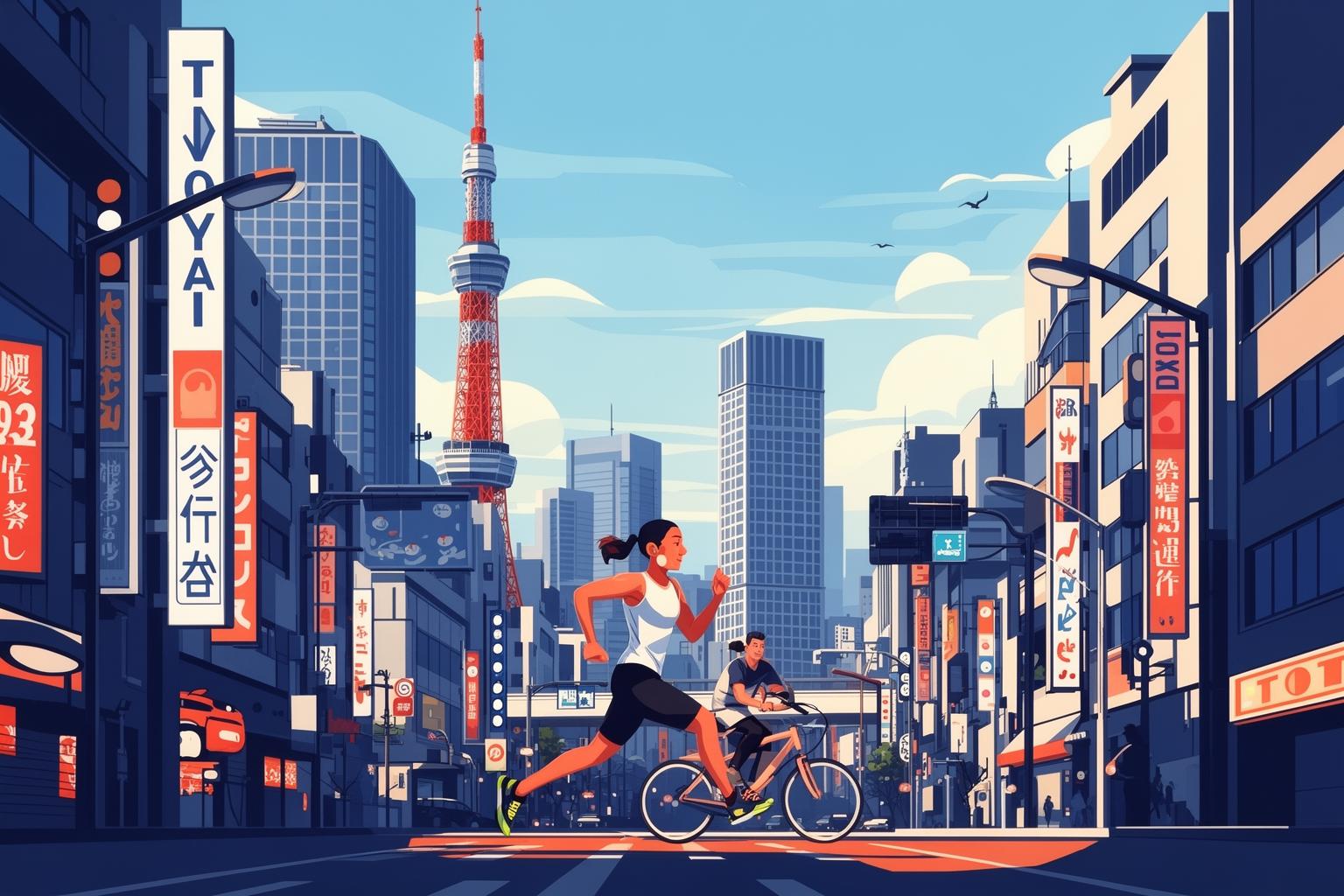
No exploration of Murakami’s world would be complete without recognizing the significant role that running plays. In his memoir, What I Talk About When I Talk About Running, he compares the discipline required for long-distance running to that needed for writing. For both his characters and himself, running is a form of moving meditation, a way to process thoughts, and a means of perseverance. Following his running routes offers another way to engage with the mindset behind his remarkable stories. It’s about finding a rhythm, pushing through discomfort, and reaching a state of focused emptiness. It’s about experiencing the city at a different pace, powered solely by your own two feet.
The Imperial Palace Loop
The most iconic running route in Tokyo is the 5-kilometer loop around the Imperial Palace. This path is one of striking contrasts. On one side are the ancient, imposing stone walls and tranquil moat of the palace, symbols of Japan’s enduring history. On the other side rise the gleaming glass and steel towers of the Marunouchi financial district, representing its ultra-modern present. Running here, especially in the early morning or at twilight, is a deeply moving experience. You’ll be joined by a diverse group of Tokyoites, ranging from serious athletes to casual joggers, all circling this historic heart. As you run, you might almost sense the mental gears turning, much like a Murakami protagonist working through the mysterious clues of their life while their feet maintain a steady rhythm on the pavement. It’s both a physical and spiritual challenge, perfectly embodying the theme of endurance in his work.
Jingu Gaien’s Ginkgo Avenue
Another notable location is Jingu Gaien park, especially the famous Ginkgo Avenue. This is near where Murakami’s office once was and close to the university he attended, making it a landscape rich with personal history. The avenue is beautiful in every season, but in late autumn, it becomes a cathedral of vibrant yellow gold. This area was home to the Jingu Swallows baseball team, and the crack of the bat from the nearby stadium often resonates through the park—a sound that frequently appears in his early novels as a symbol of youth and the passage of time. Running or even walking here feels like stepping into a more intimate, reflective side of his Tokyo. It’s less about the surreal and more about quiet contemplation of life, memory, and the simple, repetitive acts that give life meaning.
Aoyama’s Cool Detachment: Style, Art, and Empty Spaces
Further east, the atmosphere changes once again. The Aoyama district, along with neighboring Omotesando and Harajuku, embodies the sleek, stylish, and occasionally emotionally detached world found in Murakami’s later novels. This area is characterized by high fashion, minimalist architecture, and carefully curated art spaces. The protagonists inhabiting these environments are often successful yet isolated, residing in immaculate apartments and navigating a realm defined by clean lines and silent conventions. The mood here is less about warm nostalgia and more focused on a cool, intellectual aesthetic. It emphasizes the beauty of form and the emotional impact of empty space.
The Spiral Building and Architectural Marvels
Aoyama serves as an open-air museum of contemporary architecture. A must-visit for any design enthusiast is the Spiral Building. Its iconic, spiraling ramp gallery perfectly symbolizes the way Murakami’s narratives gradually ascend, unveiling new perspectives at every twist. The building contains galleries, cafes, and shops, all devoted to a modern, artistic lifestyle. Exploring this and other architectural gems nearby, such as the Nezu Museum with its breathtaking garden or the striking Prada building, deepens your understanding of the visual language in his more recent works. It’s a realm where surface and style carry significant meaning, and where beauty can be both profound and alienating.
Blue Note Tokyo: A Modern Jazz Pilgrimage
If Dug represents the past, Blue Note Tokyo embodies the present. This internationally acclaimed jazz club in Aoyama delivers a polished, sophisticated musical experience. It’s the type of venue a wealthy, enigmatic character from 1Q84 or Killing Commendatore might frequent. Featuring performances by global jazz legends, an impeccable sound system, and an ambiance of refined luxury, it offers a different kind of immersion than the dusty, historic charm of a classic jazz kissa. This experience centers on appreciating jazz at its highest level, something many of Murakami’s music-obsessed characters would undoubtedly seek. It adds another layer to the city’s intricate musical identity, illustrating how the same art form can thrive in vastly different settings.
Practical Notes for the Urban Explorer
Navigating the maze of Tokyo adds to the excitement, but a few tips can help make your journey smoother, allowing you to focus more on the atmosphere than the logistics.
Navigating the Metropolis
Tokyo’s public transportation system is remarkably efficient. One of your first steps upon arrival should be to obtain a Suica or Pasmo IC card. These rechargeable cards are accepted on almost all trains, subways, and buses, and can even be used at vending machines and convenience stores, making travel effortless. While the train network is essential for traversing the sprawling city, the true discoveries come on foot. After arriving in a neighborhood like Asagaya or Aoyama, set your phone aside for a while and simply wander. Explore narrow side streets, pop into intriguing shops, and let serendipity lead the way. This is how you uncover your own Murakami moments.
What to Pack for Your Pilgrimage
Comfort is essential, but since this journey is inspired by art and style, some thought put into your outfit can go a long way. Above all: comfortable yet stylish walking shoes. You’ll be covering many miles each day, so think sleek sneakers or sturdy leather boots. Dress in layers as Tokyo’s weather can be unpredictable, and moving between outdoor streets and climate-controlled subways or cafes calls for adaptability. A classic trench coat or a minimalist jacket complements the urban vibe perfectly. And, of course, don’t forget your essential pilgrimage tools: a copy of your favorite Murakami novel for quiet cafe moments, a quality pair of headphones, and a thoughtfully curated playlist of jazz and classical music to soundtrack your adventure. A portable battery charger is also indispensable for long days of exploring.
A Note on Solo Travel and Safety
As a female traveler, I can confidently say that Tokyo is one of the safest major cities worldwide. Respect for personal space and public order is deeply rooted in the culture. Still, as with any bustling city, it’s wise to stay alert. In crowded areas like Shinjuku Station, keep your bag secure and remain aware of your surroundings. The train system is extremely reliable, but it’s always smart to know the time of the last train back to your accommodation. Night exploring is generally very safe, especially in well-lit commercial districts. The biggest risk is simply getting lost, but that’s often where the best adventures begin. Embrace it, but always keep a map app handy on your phone to help you find your way back when you’re ready.
Finding Your Own Story in the Labyrinth
A pilgrimage through Murakami’s Tokyo is, in the end, a profoundly personal experience. It’s not about capturing a photo at an exact spot mentioned in a book. Rather, it’s about pursuing a ghost, a feeling, an atmosphere that lingers in the air. It’s about grasping how a place can shape a story, and how stories can forever alter the way we perceive a place. The true magic exists in the moments in between: the taste of perfectly brewed coffee in a quiet café in Jimbocho, the book district; the sight of a lone cat grooming itself on a temple wall in Yanaka; the sound of a train crossing a river at sunset. These fragments form the foundation of his universe. So, allow yourself to drift. Sit on a park bench and watch the world pass by. Ride the Yamanote Line in a loop without a destination. Find a basement bar, order a drink, and let the music wash over you. In this vast, beautiful, and sometimes lonely city, you’re not simply following the footsteps of his characters; you’re being invited to discover your own story, to uncover your own parallel world, hidden in plain sight.