There’s a certain kind of green that you don’t just see, you feel. It’s a green that breathes, a living emerald that clings to every surface, slick with rain and ancient with wisdom. It’s the color of a world untouched by time, a place where the air itself feels heavy with stories. This is the green of Yakushima, a subtropical island floating off the southern coast of Kyushu, Japan. It’s a place of myth, a kingdom of trees that have stood for millennia, and the sacred ground that birthed one of the most powerful animated films of all time: Hayao Miyazaki’s Princess Mononoke. To step onto Yakushima is to step directly into the film’s hauntingly beautiful, primeval forest. This isn’t just a fan theory or a loose association; Miyazaki and his team of artists spent days hiking these very trails, absorbing the island’s profound spirit and translating its moss-covered soul onto the screen. This is a pilgrimage, not just to a filming location, but to the very source of inspiration, a place where nature’s raw, untamed power is palpable. The island, a designated UNESCO World Heritage site, is a realm of dramatic granite peaks, plunging waterfalls, and an almost constant, life-giving rain that nurtures the legendary Yaku-sugi, Japanese cedars of incomprehensible age. It’s a destination for the soul as much as for the body, a challenge for the hiker and a balm for the modern spirit. Here, you walk alongside the spirits of the forest, the kodama, and you understand why this place was deemed fit for the gods.
Adventurers drawn to the island’s mystique might deepen their connection by embarking on an ancient forest walk that uncovers hidden layers of its timeless spirit.
The Call of the Ancient Woods
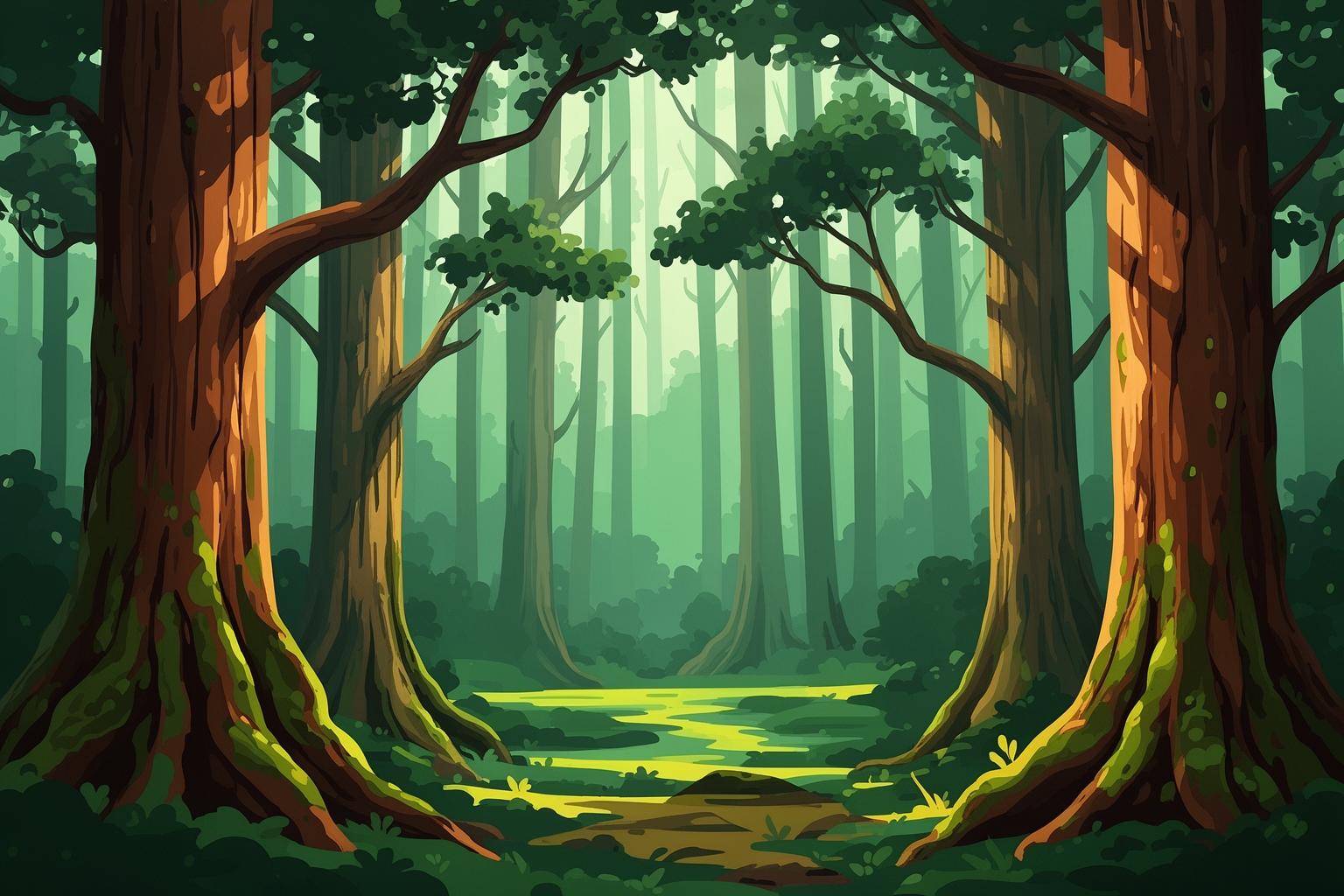
The moment you enter the forests of Yakushima, the outside world fades away. It’s more than just quiet; it’s a profound silence intertwined with the gentle sounds of life—the drip of water from a fern leaf, the rustle of a Yakushika deer in the underbrush, the distant roar of a hidden river. The air is cool and heavy with the scent of damp earth and decaying wood, a pure, unspoiled fragrance of nature. This is the atmosphere Miyazaki captured so brilliantly. You find yourself wandering through a real-life version of the Deer God’s realm, half-expecting to glimpse the white, rattling heads of the kodama peeking through curtains of moss. The moss here is a character itself—not just a thin green layer, but a plush, vibrant carpet covering everything: fallen logs, ancient stones, gnarled roots of towering trees. It glows with an almost otherworldly luminescence in the filtered light, transforming the forest floor into a soft, surreal scene. This is the essence of shinrin-yoku, or forest bathing. You don’t merely hike here; you absorb the surroundings through every pore. Your senses awaken in ways city life cannot provide. The stress of the modern world feels like a distant, forgotten memory. The true rulers of this land are the Yaku-sugi. These aren’t ordinary trees—they are giants, living monuments that have endured thousands of typhoons and witnessed centuries of human history. Their bark is dark, twisted, and deeply grooved, telling tales of immense endurance. Standing at the base of one and craning your neck to see its canopy disappear into the mist is a profoundly humbling experience. It shifts your sense of time and your place within the world. This is the magic of Yakushima: it links you to something elemental and eternal, a feeling that resonates with the core themes of Princess Mononoke—the power of nature and humanity’s need to honor it. The forest feels sentient, aware. You walk with reverence, knowing you are a guest in a very ancient, sacred home.
Charting Your Mononoke Trail
For a hiker, Yakushima is a paradise filled with endless possibilities, a web of trails that draw you deeper into the island’s mystical core. Each route reveals a different aspect of its untamed beauty, ranging from gentle walks through moss-covered ravines to challenging climbs to the island’s highest summits. Here, you truly follow in the footsteps of Ashitaka, where the cinematic world comes alive. Careful planning is crucial, as the island’s weather is notoriously unpredictable, and its terrain can be tough. Yet, the rewards are beyond measure.
Shiratani Unsuikyo Ravine: The Moss Forest
If there is one spot on Yakushima that unmistakably embodies the Princess Mononoke forest, it is Shiratani Unsuikyo. This ravine is the beating heart of the Ghibli pilgrimage. The moment you step in, you enter the film’s world. Studio Ghibli’s artists extensively sketched here, and it’s easy to understand why. The forest floor is a wild mosaic of moss-laden rocks and winding roots, intersected by crystal-clear streams tumbling over granite boulders. The trees, though not as ancient as the Jomon Sugi, are splendid, their branches cloaked in ferns and lichen. Several courses are available depending on your time and fitness level.
The Yayoisugi Course
This relatively short and easy loop is ideal for those seeking a taste of Yakushima’s magic without a major time investment. It passes some impressive cedars, including the Yayoisugi, estimated to be around 3,000 years old. The path is well-maintained, featuring wooden walkways in several sections, making it accessible to most visitors. It offers a beautiful introduction to the island’s unique ecosystem.
The Taikoiwa Rock Course
This course represents the quintessential Shiratani Unsuikyo experience. It includes the shorter loops but ventures deeper and higher into the forest, culminating in a breathtaking finale. The trail becomes rougher here, with steep sections and muddy stretches that demand proper hiking boots. The most iconic part is the Kokemusu-no-mori, or Moss-Covered Forest. This grove directly inspired the film’s most memorable scenes. The green is intense, almost surreal. It’s a place to pause, breathe, and simply be. The final ascent leads to Taikoiwa Rock, a massive granite boulder offering a stunning panoramic view of the island’s mountainous interior. On a clear day, you can see jagged peaks, including Kyushu’s highest mountain, Miyanoura-dake. Standing there, with the entire forest spread beneath you, feels like standing on the edge of the world — a moment of pure triumph and wonder.
The Quest for Jomon Sugi: A Pilgrimage to the Elder King
If Shiratani Unsuikyo is the soul of Princess Mononoke, then the trail to Jomon Sugi is Yakushima’s epic saga. This is no casual hike; it demands a full-day commitment — a grueling 22-kilometer round trip that most take 10 to 12 hours to complete. It requires an early start, often before dawn, but stands as one of Japan’s most rewarding treks. The journey itself becomes part of the destination. The first hours follow the Arakawa Trail, a stretch of old logging railway. The flat, even surface of wooden planks lets you find a steady rhythm in the pre-dawn gloom, your headlamp carving a small tunnel of light through the silent forest. As the sun rises, the surrounding world reveals itself in striking detail. You cross precarious wooden trestle bridges high above rushing rivers and pass through groves of majestic cedars. A key landmark is Wilson’s Stump (Wiru-son Kabu), the hollowed remains of a giant cedar felled centuries ago. You can step inside, and from one precise angle, the opening forms a perfect heart shape against the sky — a popular photo spot and a moment of wonder during the long trek. Beyond the railway line, the real climb begins — a tough, muddy ascent over rocks and roots that tests your physical and mental stamina. Along the way, you encounter other ancient giants like the Dai-o Sugi (Great King Cedar) and Meoto Sugi (Married Couple Cedars), two trees that have grown joined together. Finally, after hours of effort, you reach a wooden viewing deck. There it stands: Jomon Sugi. So ancient and revered that direct access is forbidden, even from the deck, its presence is overwhelming. It lacks conventional beauty, appearing gnarled, twisted, and hollowed — a survivor of unimaginable ordeals, estimated by scientists to be between 2,000 and 7,200 years old. It feels less like a tree and more like a living deity. Standing before it, exhausted and sweaty, is a deeply spiritual experience. You stand in the presence of one of the planet’s oldest living beings. The long walk back is quiet and meditative, your mind filled with the image of this ancient entity.
The Rhythm of the Island: Practical Magic for Your Journey
Visiting Yakushima is unlike traveling to Tokyo or Kyoto. It’s an expedition into Japan’s wild heart, requiring a distinct type of preparation. Grasping the island’s unique logistics is essential for a smooth and enjoyable journey. The island follows its own rhythm, shaped by the weather and the sea.
Getting There and Getting Around
Your trip to Yakushima will almost always start in Kagoshima, the southernmost major city on Kyushu, Japan’s main island. From there, you have two main choices.
By Sea
The most popular way to reach Yakushima is by high-speed hydrofoil, often called the “jetfoil” or “toppy.” These boats travel from Kagoshima Port to either Miyanoura Port or Anbo Port on Yakushima in around two to three hours, depending on the route and stops. They are fast, comfortable, and provide an exciting ride across the water. Booking tickets in advance is critical, especially during busy periods like Golden Week or summer holidays, as they sell out fast. Alternatively, there is a slower, inexpensive car ferry that runs once daily, taking about four hours. This is a great choice if you’re on a tight budget or want to bring your vehicle to the island.
By Air
For travelers pressed for time, flying is an option. Yakushima Airport (KUM) offers several daily flights from Kagoshima, along with direct flights from Fukuoka and Osaka (Itami). The flight from Kagoshima is a brief 35-minute journey that offers stunning aerial views of the island’s coastline and mountainous interior on clear days. Although more costly than the ferry, flying can save valuable travel time.
Getting Around the Island
Once you arrive, you’ll quickly notice that Yakushima is larger and more spread out than it appears on a map. Public transport is limited. The local bus service runs along the main coastal road but operates infrequently and doesn’t reach all trailheads and points of interest. To truly enjoy the island’s freedom, renting a car is almost indispensable. It lets you follow your own schedule, pursue favorable weather, and discover hidden beaches and waterfalls inaccessible by bus. Rental agencies are found near the ports and airport, but booking well in advance is strongly advised due to the limited number of cars available. If you don’t drive, you will need to rely on buses, taxis, or consider hiring a private guide who can provide transport.
When to Visit: A Calendar of Moss and Mist
Locals joke that it rains “35 days a month” on Yakushima, a poetic reminder to always be ready for rain. The island receives some of the highest rainfall levels in the world, which is why its forests remain so lush and enchanting. While there’s no true “dry” season, the weather’s character shifts throughout the year.
Spring (March to May) is a lovely time, with mild temperatures and blooming mountain rhododendrons. It’s a popular hiking season but can be crowded, especially during Golden Week in late April and early May.
Summer (June to August) is hot, humid, and rainy. The tsuyu (rainy season) usually arrives in June with heavy downpours. July and August mark peak sea turtle nesting on the northwestern beaches, a magical spectacle. However, this is also typhoon season, potentially disrupting ferry and flight schedules for several days.
Autumn (September to November) is arguably the best hiking season. Temperatures cool, humidity decreases, and typhoon risks lessen. The forests remain vibrant, and crowds diminish.
Winter (December to February) offers a unique experience. It is the island’s quietest season. Coastal areas stay mild, but the high mountains receive substantial snowfall, often closing higher trails to anyone but the most skilled and well-equipped mountaineers. The sight of snow-dusted peaks contrasting with green lowlands is breathtaking.
What to Pack: Preparing for the Elements
Proper gear is not just recommended on Yakushima; it’s essential for safety and comfort. Weather can change suddenly, and being wet and cold in the forest is unpleasant and potentially dangerous. Waterproof clothing is crucial. Your packing list should include a high-quality waterproof and breathable jacket, waterproof pants, and, most importantly, waterproof hiking boots with good traction. Gore-Tex or similar materials are best. A waterproof cover for your backpack is also necessary. Dress in layers, as temperatures can drop significantly with elevation, even on warm days. Quick-drying synthetic fabrics outperform cotton, which remains wet and cold. For long hikes like Jomon Sugi, a headlamp is mandatory for early morning starts. Bring a reusable water bottle (mountain water is safe and delicious to drink from many sources), high-energy snacks, a small first-aid kit, and a portable toilet kit, since facilities on the trails are scarce. If you lack any of this equipment, several rental shops in Miyanoura and Anbo can fully outfit you at reasonable rates.
A Living Heritage: More Than Just a Forest
To view Yakushima simply as a beautiful backdrop for an anime overlooks its deeper significance. The island’s 1993 designation as a UNESCO World Heritage site acknowledged its outstanding natural value. What makes it truly unique is its vertical distribution of vegetation. Within a relatively small area, the island hosts a complete and pristine range of ecosystems, from subtropical coastal flora with banyan trees to a subarctic high-moor environment atop its highest peaks, featuring alpine bamboo. It resembles a microcosm of the entire Japanese archipelago compressed into one island. This remarkable biodiversity results from the dramatic elevation changes and the Kuroshio Current, which carries warm, moist air that sustains the island’s legendary rainfall. However, this natural paradise also has a complex history. The island’s majestic cedars were once a major source of wealth. During the Edo period, extensive logging began, supplying high-quality wood for temples and palaces throughout Japan, a practice that persisted into the 20th century. Yakushima’s story is one of a community gradually shifting from exploitation to conservation. The effort to protect the remaining primeval forests reflects the central conflict in Princess Mononoke between the industrious Irontown and the forest spirits. Today, the islanders hold a deep and enduring respect for their natural environment, recognizing it as the foundation of their livelihood through sustainable tourism. This heritage is also reflected in its unique wildlife. The Yakushima macaque (Yaku-zaru) and Yakushima deer (Yaku-shika) are both endemic subspecies found only on the island. They are commonly seen, especially along the Seibu Rindo, a narrow, winding road through the protected western region of the island. The deer are smaller and more delicate than their mainland counterparts, and the monkeys have thicker, darker fur. They often appear to coexist peacefully, embodying the island’s serene spirit.
Savoring the Island’s Bounty
After a long day of hiking, few pleasures compare to replenishing your energy with Yakushima’s unique and delicious local cuisine. The island’s food culture is deeply rooted in both the sea and the land, presenting simple, hearty, and flavorful dishes. The undeniable highlight of the local menu is the flying fish, or tobiuo. It appears in many forms, but the most popular is karaage—deep-fried whole, with its pectoral fins spread like wings. Crispy and tasty, it embodies the Yakushima experience. The island is also renowned for its citrus fruits, especially tankan and ponkan, which are exceptionally sweet and juicy. These can be found at roadside stalls or enjoyed as juice, jam, and desserts. For your hikes, it’s a tradition to pick up a bento, a packed lunchbox, from local shops that open early in the morning specifically to serve hikers. These bentos are filled with rice, fish, and local vegetables, providing ideal nourishment for a day on the trail. No meal is complete without tasting the local spirit. Yakushima boasts several distilleries producing premium shochu, a distilled liquor most famously made from sweet potatoes. Mitake is the most recognized brand—a smooth, flavorful shochu that’s perfect for toasting a successful adventure. Sharing a meal and a drink at a small, family-run izakaya is the best way to connect with the local culture and hear stories from those who call this enchanting island home.
Echoes in the Rain
Leaving Yakushima feels like emerging from a vivid dream. The intensity of the green, the vast scale of the ancient trees, and the constant presence of water—all seep into your consciousness and remain with you long after you’ve boarded the ferry back to the mainland. It’s more than just a beautiful place; it’s an experience that reshapes your perspective. You sense the immense, slow passage of time in a way that is impossible in our fast-paced world. Standing before a tree that has lived for thousands of years, you grasp the resilience of life. You feel the deep, interconnected web of nature that we are all part of. The journey is physical, testing your legs and lungs, but it is also a spiritual pilgrimage. It’s a passage into the world of Hayao Miyazaki’s imagination, as well as into the real-world wonder that inspired it. You come to realize that Princess Mononoke is not just a fantasy, but a powerful allegory rooted in a very real place—one struggling with the balance between humanity and nature. The rain on Yakushima cleanses the world, and in a way, it does the same for the soul. You leave feeling refreshed, humbled, and filled with a profound awe for the enduring strength of our planet. The whispers of the forest gods echo in the sound of the rain, a story you will carry with you forever.