Step into a world where the crisp December air crackles with energy, where streets pulse with the thunder of drums, and the winter sky explodes in a riot of color. This isn’t just another festival; this is a living, breathing spectacle three centuries in the making. Welcome to the Chichibu Night Festival, or Chichibu Yomatsuri, a breathtaking display of tradition and passion tucked away in the mountains of Saitama Prefecture, just a stone’s throw from the electric buzz of Tokyo. Every year, on the second and third of December, this quiet city transforms into a vibrant canvas of light, sound, and pure, unadulterated celebration. It’s one of Japan’s top three float festivals, a title it wears with immense pride, and its grandeur has earned it a coveted spot on the UNESCO Intangible Cultural Heritage list. But for a new generation of travelers, Chichibu holds a different kind of magic. It’s the very heart of the beloved anime, Anohana: The Flower We Saw That Day, a place where the bittersweet story of friendship and loss unfolds against the backdrop of this very festival. It’s a pilgrimage site where fiction and reality dance together under the glow of a million lanterns, creating an experience that resonates deep in the soul. This is where ancient rituals meet modern fandom, a place to feel the immense weight of history and the light, fleeting touch of a story that moved the world. Prepare yourself for a journey into the heart of Japanese festivity, a night you’ll never, ever forget.
Immerse yourself further in the marriage of anime mystique and festival tradition by exploring the Anohana journey.
What is the Chichibu Night Festival? A Symphony of Light and Sound
At its core, the Chichibu Night Festival is the annual grand celebration of Chichibu Shrine, a historic place of worship with origins dating back over two thousand years. This event is not designed for tourists; rather, it is a deeply spiritual and communal occasion that has been the lifeblood of this city for more than 300 years. The festival serves as a prayer for prosperity, a harvest celebration, and an expression of gratitude to the mountain gods who protect the region. The atmosphere is electric, filled with a shared sense of purpose and joy. Upon stepping off the train, the first thing that strikes you is the sound—a captivating, driving rhythm known as the Chichibu Yatai-bayashi, a distinctive style of festival music performed on taiko drums and flutes from inside the massive floats. This music acts as the festival’s heartbeat, a persistent, energetic force that resonates through the valleys and penetrates deep into your being. It is fast, intricate, and played with a fervor that reflects the performers’ passion. The streets are a vibrant mosaic of sights and scents. Thousands of vendors line the roads, their stalls, or yatai, offering everything from sizzling takoyaki and sweet candied apples to savory yakisoba noodles cooked on huge griddles. The air is thick with the mouthwatering aroma of street food and the sweet fragrance of warm amazake, a fermented rice drink ideal for warding off the winter chill. Everywhere you look, people smile, bundled in warm coats, their breath visible in the cold air as they gaze in awe at the spectacle unfolding before them. This festival engages every sense, enveloping you in a blanket of sound, light, and shared warmth that stands in striking, beautiful contrast to the cold December night.
An Anime Pilgrim’s Dream: Chichibu in Anohana
For many international visitors, the name Chichibu is closely associated with one thing: Anohana: The Flower We Saw That Day. This heartfelt anime series touched audiences worldwide with its moving tale of a group of estranged friends reuniting to fulfill the last wish of their deceased friend, Menma. Chichibu is more than just the anime’s setting; it acts as a character itself. The animators meticulously recreated the town’s real-life locations, and walking through Chichibu feels like stepping straight into the world of the Super Peace Busters. The Chichibu Night Festival plays a significant role in the series’ emotional climax, serving as the backdrop for tears, revelations, and reconciliation. Making a pilgrimage here, especially during the festival, is an incredibly powerful experience for fans. You can stand on the Old Chichibu Bridge, a key place where the characters often gathered, and take in the same view they enjoyed. You can visit Jorinji Temple, where the friends played as children, and see the small statues and offerings left by fellow fans. During the festival, the connection feels even stronger. Watching the fireworks burst over the city, you can’t help but recall Menma’s final, beautiful moments. The city has embraced its anime fame with pride. Throughout the town, you’ll find Anohana posters, merchandise, and even themed manhole covers. This creates a wonderful synergy where fans of the anime come to appreciate the city’s real-world culture, and festival-goers might discover a new story to cherish. It’s a pilgrimage that goes beyond simple sightseeing; it’s about experiencing the emotions of the story in the very place it originated—a unique and deeply moving blend of pop culture and ancient tradition.
The Main Event: A Night of Pyrotechnic Glory
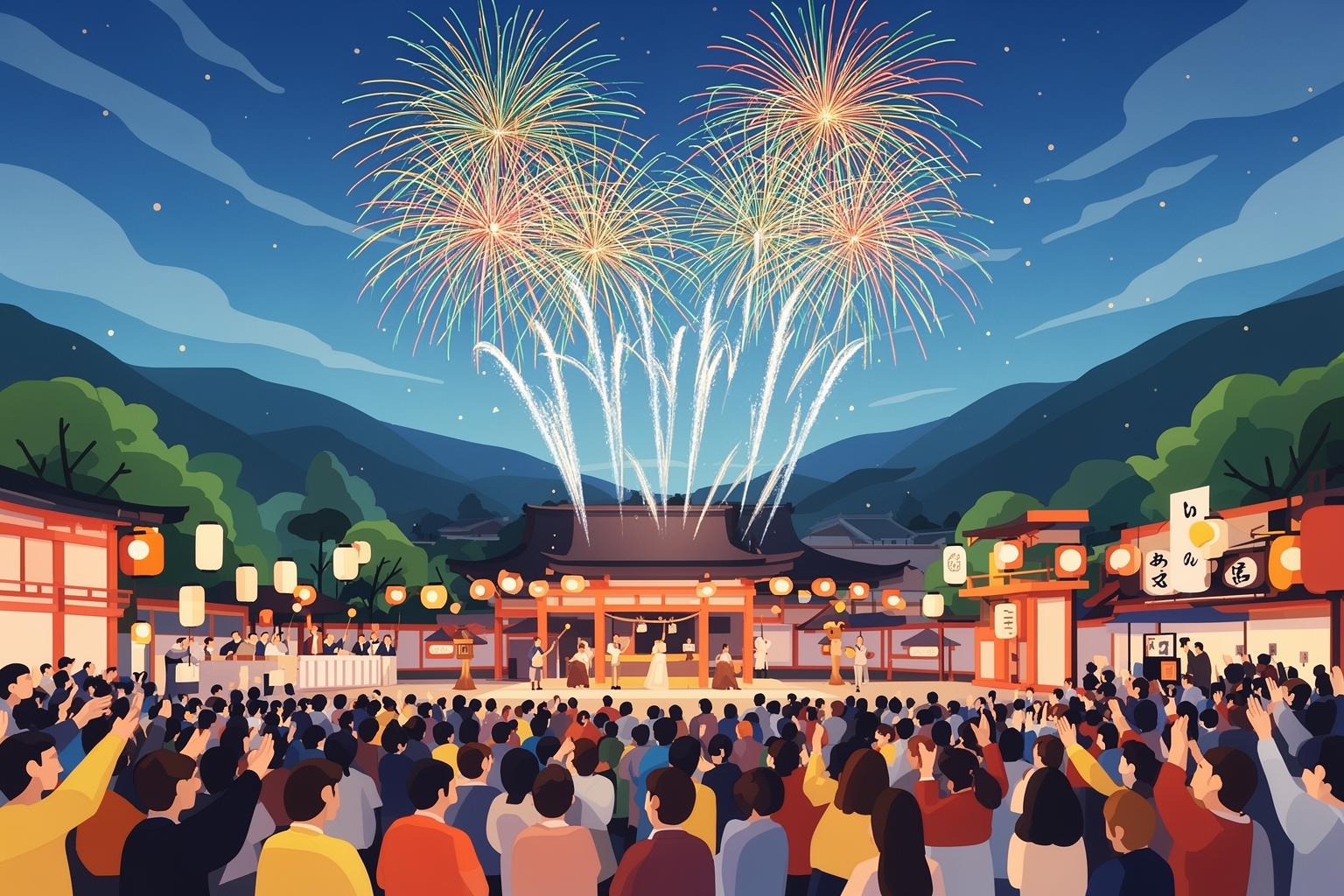
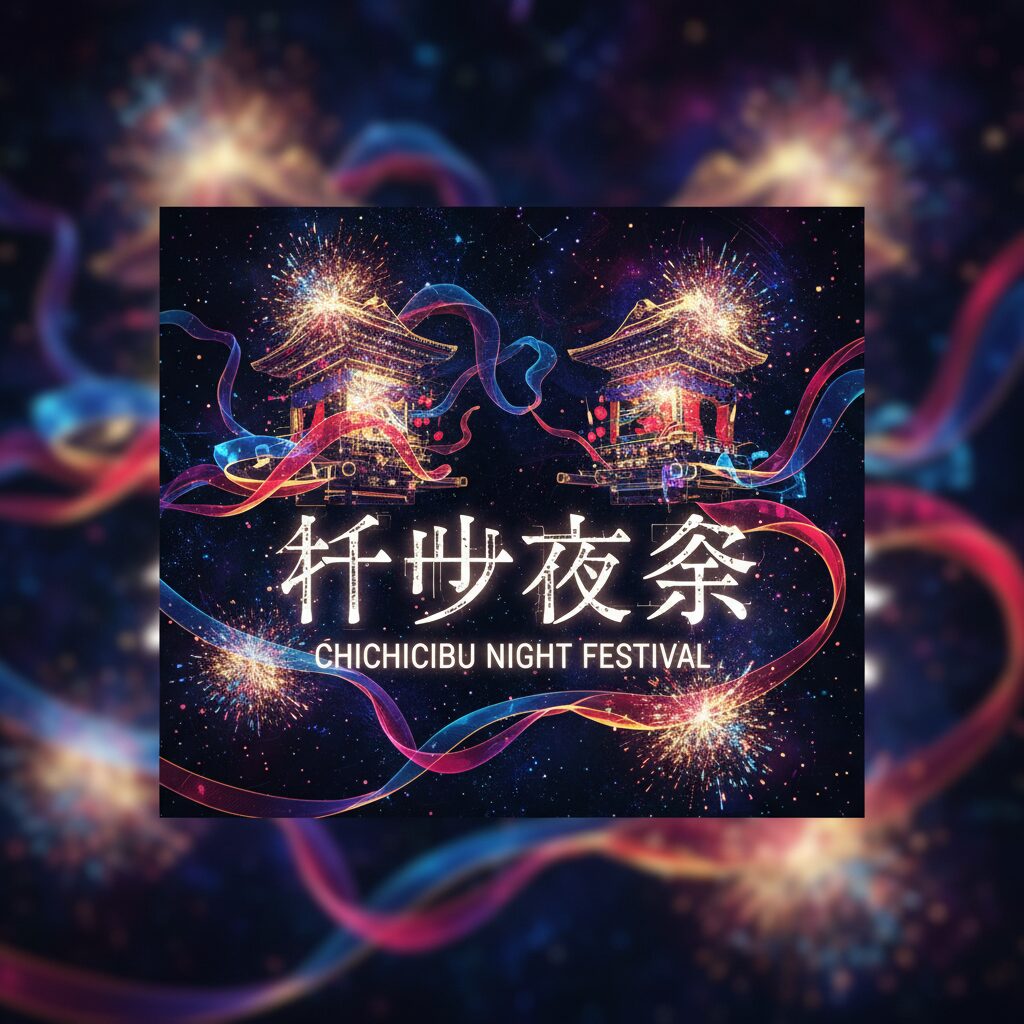
The festival lasts two days, with the main events occurring on the evening of December 3rd. This marks the Grand Finale, the moment the whole city eagerly anticipates. As darkness descends, the festival reaches its peak. The streets transform into rivers of people, all moving toward city hall and the notorious Dangozaka—a short but brutally steep slope that serves as the festival’s ultimate challenge. The climax begins as the six enormous floats, some weighing up to 20 tons, are carefully positioned at the base of the hill. The atmosphere is thick with anticipation. Then, amid a roar from the crowd and an intense surge in the Yatai-bayashi drumming, the pullers exert every ounce of strength. It’s a stunning display of raw human power and teamwork. Ropes stretch, wooden wheels creak, and slowly and painstakingly, the massive floats are hauled up the incline. It is a moment filled with pure, unscripted drama. Yet, the true spectacle is still ahead. As the floats reach the plaza after conquering the slope, the sky bursts into light. The Chichibu Night Festival is renowned for its winter fireworks, a rarity in Japan where fireworks usually belong to summer. For nearly two and a half hours, the cold, clear winter sky becomes a canvas for one of the most breathtaking pyrotechnic displays imaginable. The explosions are deafening, the colors unbelievably vivid against the night, and the sheer magnitude is overwhelming. The blend of beautifully lit floats below and magnificent fireworks above creates a scene of such stunning beauty it feels like a dream. It’s a finale etched into memory, a shared moment of awe experienced by hundreds of thousands.
The Kasaboko and Yatai: Moving Masterpieces
The undeniable stars of the event are the six magnificent floats: two Kasaboko and four Yatai. These floats are not merely parade vehicles but mobile architectural marvels, ornate and extraordinarily intricate. Each is a masterpiece of traditional craftsmanship, decorated with detailed, gilded wood carvings of mythical creatures, flowers, and folklore scenes. Their curtains are made from heavy, embroidered brocade and are adorned with dozens of paper lanterns that emit a warm, ethereal glow. The two Kasaboko stand out with huge spear-like poles rising from their centers, draped in celestial cloths. The four Yatai differ slightly, featuring a small stage extension where child actors perform live kabuki plays throughout the day. These performances are traditions themselves, with roles passed down through generations in families. Watching these tiny, beautifully costumed actors enact classic plays atop these moving stages is a true delight. As the floats are pulled through the streets, they execute sharp, dramatic turns called giri-mawashi, a maneuver demanding great skill and strength as the entire structure pivots on its central wheels. It’s an exhilarating sight, met with cheers from the crowd and renewed energy from the musicians inside. These floats are more than decorations; they embody the pride of their neighborhoods, living museums of art and history lovingly preserved for centuries.
Winter Fireworks: A Rare Spectacle
While fireworks are a common feature of Japanese summer festivals, a large-scale display in the heart of winter is extremely rare, making the Chichibu event especially unique. The cold, dry December air is said to enhance the brightness of the fireworks’ colors and sharpen the sounds, and after witnessing this, you will be convinced. The display isn’t a random array of explosions; it’s a carefully choreographed show. Many fireworks are sponsored by individuals and companies, each accompanied by a message read aloud on the loudspeakers just before launch. These messages range from celebrating weddings or the birth of children to honoring loved ones, adding a deeply personal and emotional dimension to the event. The show features various firework types, including massive shakudama shells that create perfectly spherical bursts filling the entire sky. Reclining on a blanket with a warm drink in hand, watching this incredible spectacle unfold above becomes a cherished memory. The deep booms of the fireworks resonate through your chest, a physical reminder of the power and beauty of the moment—an ideal, explosive conclusion to an unforgettable night.
Planning Your Pilgrimage: A Practical Guide
Attending a festival of this scale demands careful planning, especially for international visitors. During the festival, the city’s population balloons from about 60,000 to over 200,000, making preparation essential for a smooth and enjoyable experience. Being well-prepared allows you to relax and fully immerse yourself in the magic without the stress of logistics. Think of it as an integral part of the adventure—the first step in your journey to this remarkable celebration.
When and Where
The Chichibu Night Festival takes place every year on December 2nd and 3rd in Chichibu City, Saitama Prefecture. While events occur on both days, the highlight—the parade of all six floats up the Dangozaka and the spectacular fireworks show—happens on the evening of December 3rd. If you can only attend one day, make sure it’s the 3rd. The festivities focus around Chichibu Shrine and the main streets leading from Seibu-Chichibu and Chichibu stations. The entire downtown area essentially transforms into a pedestrian-only festival zone, making it easy to explore on foot once you arrive.
Getting to Chichibu from Tokyo
Chichibu is remarkably accessible from central Tokyo, which is why it’s a popular day trip for city residents. The simplest and most comfortable option is the Seibu Red Arrow Limited Express train from Ikebukuro Station. The trip takes about 80 minutes and features reserved seating—an advantage on busy festival days. The train gradually leaves the urban landscape behind, heading into scenic mountain areas, heightening anticipation along the way. Be sure to book your tickets early, as they sell out quickly. Alternatively, you can take a local Seibu Ikebukuro Line train, which takes longer and requires a transfer but is more affordable. Upon arrival at Seibu-Chichibu Station, you’ll find yourself in the heart of the festivities. The festival grounds are within a short walk, and the lively crowds will help guide you.
Navigating the Crowds: An Insider’s Tips
This cannot be emphasized enough: reserve your accommodation months, or even a full year, in advance. Hotels in Chichibu and nearby towns fill up incredibly fast. If you’re unable to secure a room, consider staying in cities along the Seibu line like Hanno or Tokorozawa and commuting by train for the day. On festival day, plan to arrive early. Getting there in the early afternoon lets you enjoy the floats in daylight, sample food stalls before long lines form, and soak in the building excitement. Most importantly, dress warmly. December nights in Chichibu’s mountains are cold, often nearing freezing. Wear layers, a warm coat, hat, gloves, and comfortable shoes, as you’ll be on your feet for hours. Bringing a portable heat pack (kairo) is a savvy idea. Cash remains king at the festival; while some larger vendors may accept cards, the majority of food stalls and souvenir sellers deal in cash only. Also, expect mobile service to be spotty due to heavy crowds. Agree on a clear meeting spot with friends or family in case you get separated. Embrace the crowds as part of the fun—the shared energy is a major part of what makes this celebration so special.
Beyond the Festival: Exploring the Charms of Chichibu
While the Night Festival is the primary attraction, the Chichibu region is a breathtaking destination throughout the year and well worth exploring if you have an extra day or two. Its natural beauty and rich spiritual heritage provide a peaceful contrast to the thrilling chaos of the festival. Taking the time to explore more of the area will deepen your appreciation for the culture that inspired such an extraordinary event.
Sacred Spots and Serene Shrines
Your initial stop should be Chichibu Shrine itself, the spiritual heart of the festival. When not crowded, it’s a tranquil and beautiful complex featuring vibrant, intricately carved decorations on its main hall, crafted by the same master artisan responsible for the renowned shrines of Nikko. Just a short train ride away are the other two significant shrines of the Chichibu Sanja (Three Shrine Circuit): Mitsumine Shrine and Hodosan Shrine. Mitsumine Shrine perches high on a mountain peak, often enveloped in mist, creating a mystical and powerful ambiance. It is guarded by statues of wolves, rather than the typical komainu dogs, adding to its distinctive character. Hodosan Shrine, located at the base of Mount Hodo, is accessible via a scenic ropeway and offers stunning views and a peaceful retreat. Visiting these sacred sites offers insight into the region’s deep-rooted mountain worship traditions.
A Taste of Chichibu
Chichibu’s local cuisine is hearty, rustic, and flavorful, perfectly suited to its mountainous environment. Be sure to try the waraji katsudon, a pork cutlet bowl unlike any other. It features two large, thin pork cutlets (resembling traditional straw sandals, or waraji) marinated in a sweet and savory sauce and served over rice. This local soul food will leave you satisfied and content. Another regional specialty is soba noodles made from locally grown buckwheat. The area’s clear, fresh water is said to produce some of the finest soba in Japan. For a quick snack, seek out miso potato, skewered and grilled potatoes coated in a sweet miso glaze. This simple, satisfying street food is perfect for enjoying while strolling through the town’s charming streets. Sampling these local dishes is a vital part of the Chichibu experience, connecting you to the land and its flavors.
The Soul of the Festival: A Feeling to Remember
As the final firework fades from the sky and the magnificent floats are gradually returned to their storehouses for another year, a peaceful calm descends over Chichibu. The streets are blanketed with confetti, and the air, once filled with the roar of the crowd, now carries only the tired, happy murmurs of people making their way home. Yet, the spirit of the festival remains. It’s the sensation of being connected to something vast and timeless. It’s the awe inspired by witnessing a 20-ton work of art hauled by sheer human effort. It’s the warmth of sake shared with a stranger while braving the cold. It’s the excitement of seeing a scene from your favorite anime brought to life, and the deep sense of tranquility found in a quiet shrine the following day. The Chichibu Night Festival is more than a parade with fireworks. It is a powerful celebration of community, a tribute to the lasting power of tradition, and a place where ancient and modern Japan meet in the most beautiful way. It’s a symphony of passion, history, and pure joy—a blazing light in the winter’s chill that will continue to warm your heart long after you’ve left its enchanting streets behind.