There are places that feel like a memory you’ve never had, a half-forgotten song from a sun-drenched summer. Chichibu is one of those places. Tucked away in the mountains of Saitama Prefecture, just a short train ride from the electric pulse of Tokyo, this town is a portal to a world of poignant nostalgia. For countless fans around the globe, Chichibu is not just a destination; it is the living, breathing stage of the beloved anime series, Ano Hi Mita Hana no Namae o Bokutachi wa Mada Shiranai, or Anohana: The Flower We Saw That Day. It’s a town where the bittersweet story of Jintan, Menma, and the Super Peace Busters unfolds on every street corner, by every riverbank, and in the quiet shade of every temple. To walk through Chichibu is to walk alongside ghosts of friendship, loss, and reunion. It’s an act of pilgrimage, a seichi junrei, where the lines between fiction and reality blur into a beautiful, emotional landscape. This journey isn’t just about spotting locations from a favorite show; it’s about feeling the very heart of the story beat in a real place, understanding how the gentle, unhurried rhythm of this town gave life to such a powerful tale of human connection. Before we begin our walk through these memory-laden streets, let’s ground ourselves in the landscape that cradles these stories.
Embracing the timeless charm of Chichibu invites you to discover Tokyo ‘Your Name’ locations where the interplay of fictional memory and real-life pilgrimage creates a captivating journey.
The Town Where Time Holds Its Breath
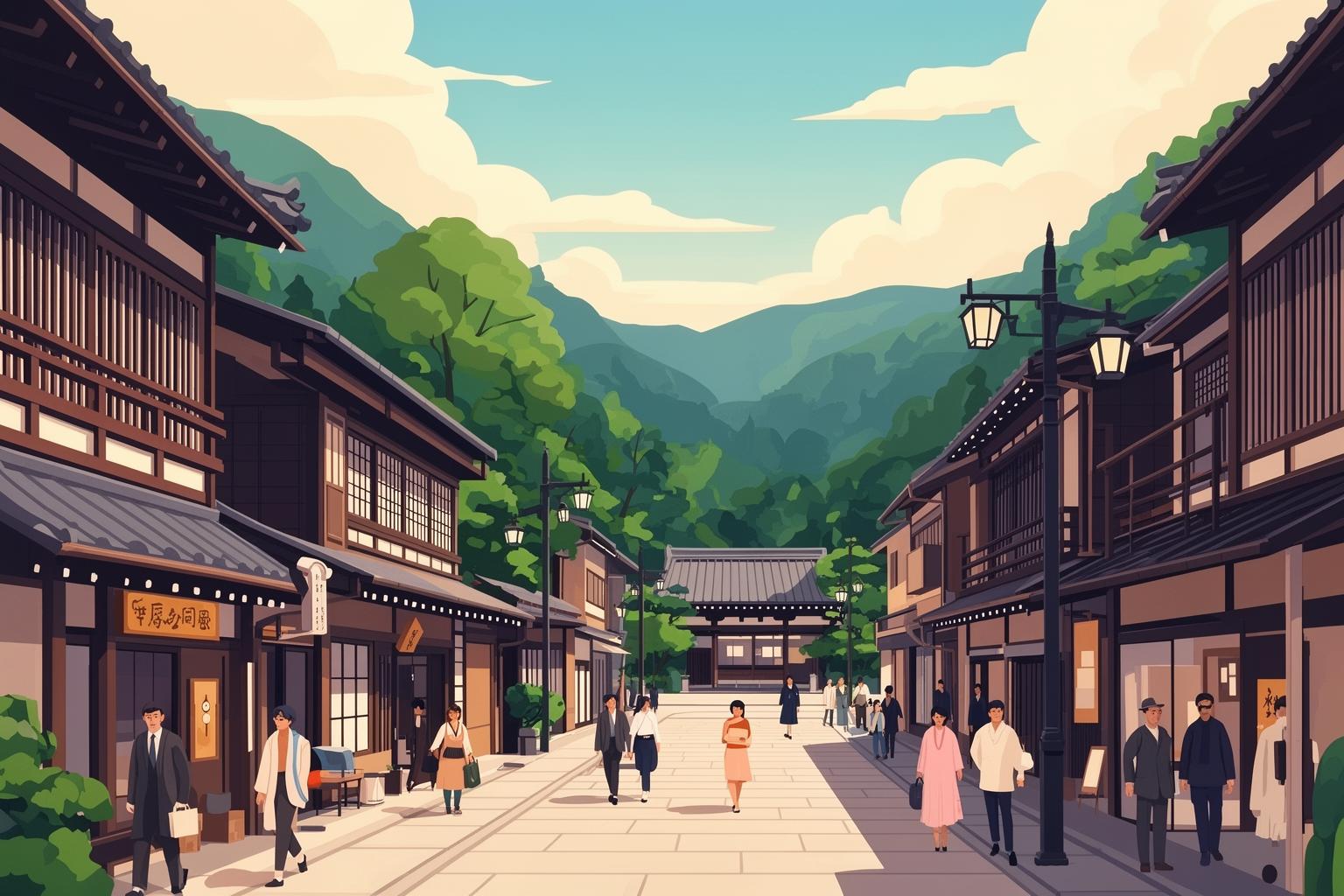
Stepping off the train at Seibu-Chichibu Station, the first thing that strikes you is the air. It’s fresher, cooler, and carries a subtle hint of wood and earth from the nearby mountains. The bustling energy of the city feels like a distant memory. Chichibu moves at its own rhythm, a gentle pace shaped by the flow of the Arakawa River and the silent presence of Mount Bukō. This atmosphere is not merely a setting for Anohana; it is a vital character. The story’s themes of time standing still and memories that linger are woven into the very essence of the town. The quiet residential streets, traditional storefronts with their weathered wooden signs, and the way the afternoon sun casts its glow across the valley—all contribute to a feeling of endless summer, the season when everything unfolded for the Super Peace Busters. As you begin to explore, you feel less like a tourist and more like a wanderer stepping into someone’s treasured past. This sentiment is universal; the longing for simpler times and the pang of nostalgia resonate deeply, much like in many traditional East Asian stories where landscape and emotion are closely intertwined. The town itself seems aware of its role. It doesn’t flaunt its connection to the anime with loud advertisements. Instead, it offers subtle gestures—a small poster in a shop window, a character cutout near a significant spot—making the discovery feel intimate and meaningful. It’s a delicate balance between preserving its own identity and warmly welcoming those who come seeking the world of the anime. This quiet grace is what makes the pilgrimage so fulfilling. You are invited to uncover the story yourself, letting the setting work its magic on you just as it did on the characters.
Tracing the Footsteps of the Super Peace Busters
The heart of any Anohana pilgrimage lies in retracing the characters’ footsteps and viewing the world through their perspective. The town’s compact nature means many key locations are within easy walking distance, forming a narrative path you can follow from morning until dusk. Each site acts as a set piece, a tangible connection to a powerful moment in the story, and visiting them in person adds a profoundly moving layer of reality.
The Iconic Old Chichibu Bridge
Perhaps no single image is more closely associated with Anohana than the Old Chichibu Bridge. This elegant, pale blue structure spanning the Arakawa River features prominently in the opening and closing credits and serves as the backdrop for some of the series’ most introspective scenes. Standing on the pedestrian walkway, you can take in the exact view seen in the anime’s most famous promotional artwork. The wide, rocky riverbed below, the lush mountains framing the scene, and the vast, expressive sky above—they’re all present. The bridge links two parts of the town, but it also feels like a bridge between past and present, a place of contemplation where the characters wrestle with their unspoken feelings. The soft rumble of a passing car, the cry of a hawk soaring overhead, the distant hum of the Chichibu Railway line—these sounds create the soundtrack to your own reflective moment. Here, you truly begin to grasp the vastness of the world Jintan and his friends inhabited. The view from the bridge is expansive and somewhat lonely, perfectly capturing the sensation of being a small part of a large, indifferent world while grappling with deeply personal grief. Many visitors linger here, simply absorbing the atmosphere and feeling the same breeze that must have brushed Menma’s hair.
Jorinji Temple: A Sacred Ground of Wishes
A short walk from the bridge leads you to Jorinji Temple, a tranquil Buddhist temple that served as the real-world location for the Super Peace Busters’ secret base. In the anime, this is where the friends gather—a sanctuary brimming with memories of Menma. In reality, Jorinji Temple exudes serene beauty and evokes surprising emotions. The temple grounds are calm, with the scent of incense lingering in the air. As you approach the main hall, you’ll see how this sacred space has fully embraced its connection to the anime. It has become a refuge for fans to leave their own messages for the characters. Numerous ema—small wooden plaques for wishes—are adorned with detailed and heartfelt illustrations of Menma, Jintan, and the entire cast. Reading these messages from fans worldwide is a profoundly moving experience. They share how the story has helped them, how they relate to the characters’ struggles, and they leave their own hopes for happiness and peace. This blend of ancient tradition and modern fan culture is truly beautiful. Writing a wish at a temple is a common practice throughout Asia, a way to send hopes into the universe. Here, that tradition has been lovingly adapted to honor a fictional story that feels incredibly real. Jorinji Temple is more than a filming location; it has become a living monument to the show’s emotional resonance, a place where devotion to the characters is made tangible.
The Secret Base and Keyaki Walk
Though the actual secret base was an anime creation, its spirit remains alive. Near Jorinji Temple, the town has helped create a replica clubhouse where fans can step directly into the world of the show. It’s filled with memorabilia and recognizable details, making it a wonderful and immersive photo spot. Beyond this site, the journey reveals countless smaller yet equally important locations. The Keyaki Walk, a pedestrian path near the station, is where the characters are seen walking in several scenes. The gentle incline of Dangozaka, a hill in town, hosts a pivotal and heart-wrenching moment in which the friends confront their shared pain. Even the local hospital and city hall appear in the story. As you wander, a strange sense of déjà vu arises. An ordinary intersection, a vending machine on a quiet street, a small park—they all take on significance. This is the magic of a Chichibu pilgrimage; it elevates the everyday, turning a simple town stroll into a deeply resonant emotional experience. The story reveals itself everywhere—in the cracks of the pavement and the reflections in shop windows.
Beyond the Anime: Discovering Chichibu’s Soul
Though Anohana may be your primary reason for visiting, Chichibu itself holds a rich and profound story, offering plenty to explore beyond the pilgrimage route. To truly understand why this town served as the perfect backdrop for such a tale, it’s worth immersing yourself in its unique culture and history. This exploration doesn’t detract from the anime experience; instead, it enriches it by providing deeper context to the world the Super Peace Busters once called home.
The Spectacle of the Chichibu Night Festival
If you get the chance to visit in early December, you’ll witness one of Japan’s most spectacular festivals. The Chichibu Yomatsuri, or Night Festival, is a UNESCO Intangible Cultural Heritage event with a history spanning over 300 years. The highlight of the festival includes hauling massive, ornately decorated floats—some weighing as much as 20 tons—up the steep incline of Dangozaka toward the city hall. These floats are adorned with detailed carvings, lanterns, and tapestries, creating a breathtaking spectacle against the chilly winter night. The festival is accompanied by an extensive fireworks display lasting several hours, a rare treat during the Japanese winter. The atmosphere is electric, showcasing a powerful expression of community and tradition. This festival is even featured in the Anohana movie, linking the characters’ story directly to the town’s most significant cultural event. Experiencing the festival offers insight into the deep-rooted pride and resilience of the Chichibu community—qualities that subtly infuse the town’s atmosphere year-round.
A Taste of Rustic Saitama
No visit is complete without tasting the local cuisine, and Chichibu presents hearty, straightforward dishes that reflect its mountain heritage. Two dishes are absolute must-tries. The first is Waraji Katsudon, a pork cutlet rice bowl with a distinctive twist. The name waraji means straw sandal, deriving from the two large, thin pork cutlets that resemble sandals covering the rice. These are typically seasoned with a sweet and savory soy-based sauce. The other local specialty is Miso Potato, consisting of simple, bite-sized pieces of fried or boiled potato, skewered and generously coated in a sweet miso glaze. It’s an ideal walking snack—warm, savory, and wonderfully comforting. Sampling these local flavors offers another way to connect with the town. It’s easy to imagine Jintan and his friends sharing a snack of Miso Potato on a hot summer afternoon. These dishes serve as a taste of home for the people of Chichibu, and enjoying them adds an additional sensory dimension to your pilgrimage.
Whispers of Nature and Ancient Paths
The natural beauty surrounding Chichibu is ever-present. The Arakawa River offers gentle riverside walks, while the mountains provide hiking trails for the more adventurous. In spring, Hitsujiyama Park, situated on a hill overlooking the city, bursts into a vibrant carpet of pink, purple, and white shibazakura (moss phlox), creating a truly stunning display. Yet Chichibu is also steeped in deep spiritual tradition. The town serves as the starting point for the Chichibu 34 Kannon Pilgrimage, a historic route linking 34 Buddhist temples across the region. This centuries-old pilgrimage maintains its own traditions and devoted followers. In a way, the modern seichi junrei undertaken for Anohana echoes this ancient, sacred journey. Both encompass traveling through a landscape in search of something meaningful—whether spiritual enlightenment or an emotional connection to a cherished story. Recognizing this parallel adds a compelling layer to your visit, linking your personal quest to the long history of pilgrimage within these very mountains.
Practical Melodies: Planning Your Chichibu Journey
A trip to Chichibu is refreshingly simple, making it perfect for a day trip or a relaxing overnight stay from Tokyo. With a bit of planning, your journey will be as smooth and pleasant as the gentle flow of the Arakawa River.
Rhythms of the Rails: Getting There from Tokyo
The most scenic and direct route to Chichibu is via the Seibu Railway line from Ikebukuro Station in Tokyo. The Limited Express “Laview” train will take you to Seibu-Chichibu Station in about 80 minutes. The train itself is part of the experience, featuring massive windows that offer panoramic views as you leave the urban sprawl behind and enter the lush mountain scenery. Alternatively, you can take a combination of JR and Chichibu Railway trains, which takes a bit longer but is convenient for those with a JR Pass. Upon arrival, your first stop should be the Tourist Information Center, located either inside or just outside the station. Here, you can pick up a valuable tool: an Anohana location map. These maps are made specifically for pilgrims and clearly highlight all the key spots, making your self-guided tour effortless.
The Cadence of the Seasons: When to Visit
Chichibu is a town that shines in every season, each bringing its own unique charm. Summer is the quintessential Anohana season. The heat, the sound of cicadas, and the vibrant green landscape will make you feel as though you’ve stepped straight into the anime. This is the most popular time for the pilgrimage because of it. Spring showcases the breathtaking shibazakura at Hitsujiyama Park and cherry blossoms throughout the town. Autumn dresses the mountains in brilliant shades of red and gold, offering stunning views during your walks. Winter is colder and quieter but brings the spectacular Chichibu Night Festival in December along with the chance of a picturesque dusting of snow. There’s no wrong time to visit; your choice depends on whether you want to capture the anime’s summer ambience or experience the town’s other beautiful facets.
Navigating the Town: On Foot and by Cycle
Once in Chichibu, the main cluster of Anohana sites is easy to explore on foot. The town center is fairly flat, and the walk between places like Jorinji Temple, the Old Chichibu Bridge, and the main streets is enjoyable. Comfortable shoes are a must, as you’ll be doing plenty of walking to fully soak in the atmosphere. For those wishing to venture a bit further or move at a quicker pace, renting a bicycle is an excellent option. Rental shops are available near the station. Biking allows you to easily reach spots like Hitsujiyama Park and explore the charming side streets at your own pace, perhaps uncovering your own special place that captures the spirit of the town.
An Echo in the Heart
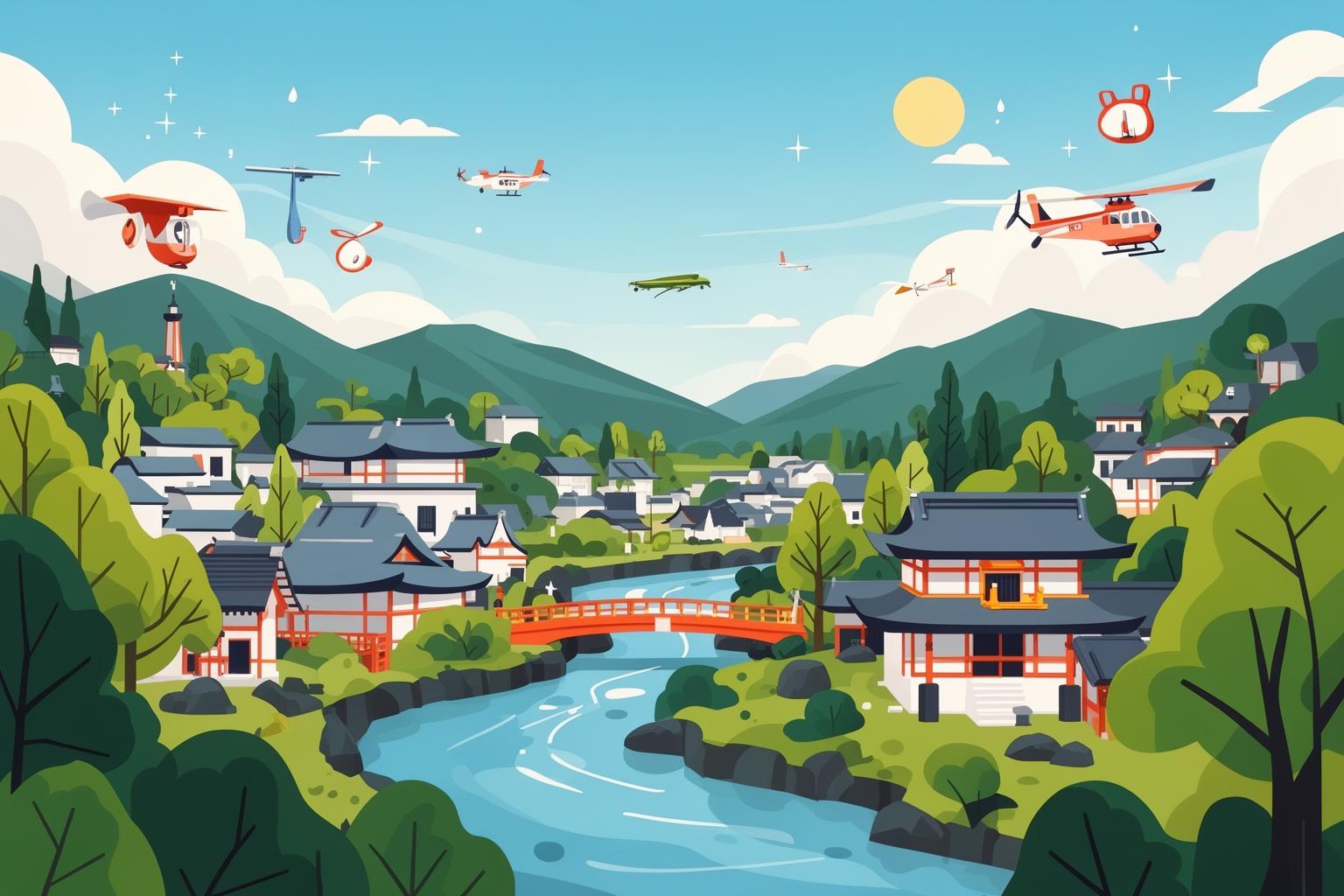
A trip to Chichibu is more than just ticking off places on a list. It’s an experience you deeply immerse yourself in. It’s the sensation of sharing memories with characters who seem like old friends. Long after you’ve taken the train back to Tokyo, the memories of your time there will linger. You’ll recall the distinct blue of the Chichibu Bridge against the summer sky, the fragrance of incense at Jorinji Temple, and the serene dignity of a town that became the guardian of a story that moved millions. Chichibu shows you that a place can embody an emotion. The lingering sadness of Anohana is present, yet it is softened by the town’s lasting tranquility and the warmth of its community. You leave not feeling sorrowful, but with a sense of gentle hope—the very hope the Super Peace Busters embrace at the end of their journey. You found Menma, not as a ghost, but in the rustling leaves, the flowing river, and the heart of a town that will always be their home.