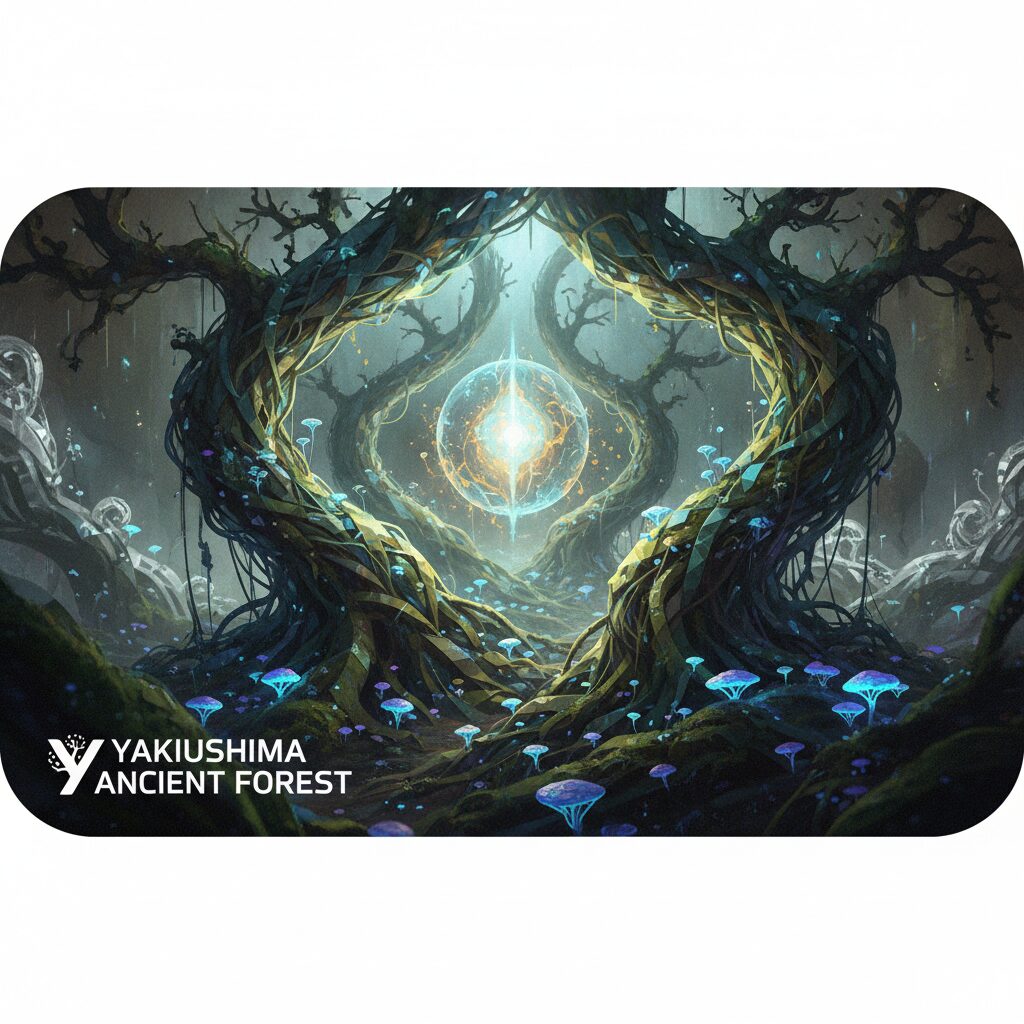
There are places on this earth that feel older than time itself, where the air hums with an ancient energy and every shadow seems to hold a secret. Yakushima Island is one of those places. Drifting in the waters south of Japan’s main islands, this subtropical jewel is a land of dramatic peaks, thundering waterfalls, and forests so deep and green they feel like a dream. A designated UNESCO World Heritage site, Yakushima is a sanctuary for nature in its most primal, untouched form. But for millions around the world, it is known by another name: the Forest of the Wolf God. This is the real-world inspiration for the sublime, mystical landscapes of Studio Ghibli’s masterpiece, Princess Mononoke. To walk here is to step through the screen and into Hayao Miyazaki’s vision, a world where nature is alive, powerful, and worthy of our deepest respect. It’s more than a hike; it’s a pilgrimage to the heart of one of the most powerful stories ever told on film, a journey into an ecosystem that breathes with the spirit of myth and legend.
The enchanting aura of Yakushima finds a kindred spirit in the vibrant energy of traditional Japanese festivals, where culture and nature intertwine in celebration.
The Soul of the Island: Shiratani Unsuikyo Ravine
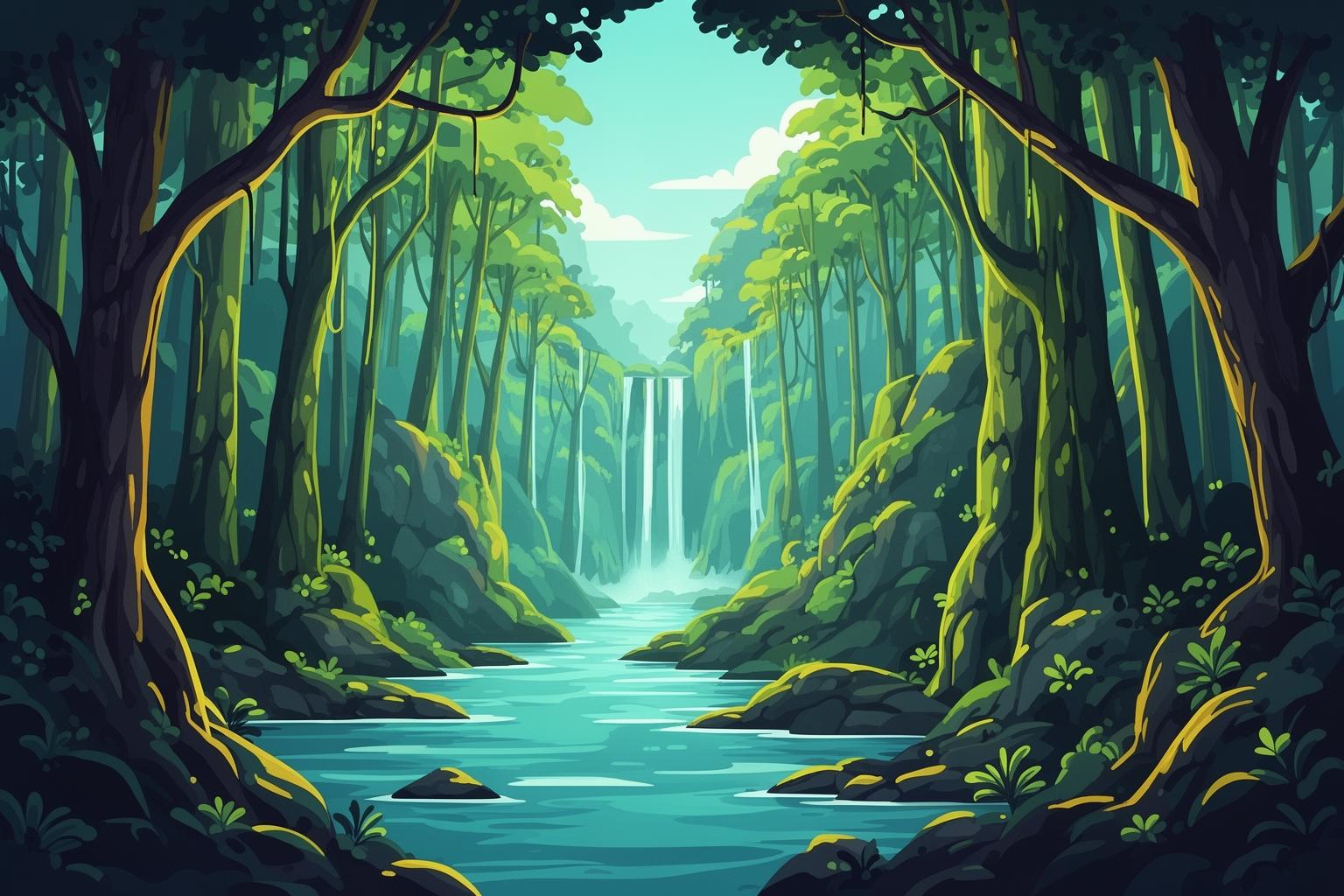
Your journey into the world of Princess Mononoke truly begins at Shiratani Unsuikyo Ravine. This place is more than just a park; it’s a living cathedral of ancient cedars, twisting roots, and a pervasive, life-sustaining dampness. The moment you step onto the trail, the modern world fades away, replaced by a deep sense of tranquility and timelessness. The air turns cool and carries the scent of wet earth, decaying wood, and fresh moss. Locals often say it rains “35 days a month” in Yakushima, and here, you gain a true understanding of that. The constant moisture is the lifeblood of this environment, nurturing the vivid, impossibly green carpet that blankets everything—rocks, tree trunks, fallen logs, and even the trail markers themselves.
The Moss-Covered Forest
Nestled deep within the trail network is Kokemusu-no-mori, or the Moss-Covered Forest, a sacred place for Ghibli enthusiasts. Here, amid gnarled roots and emerald-covered stones, Miyazaki and his team discovered the direct inspiration for the Forest Spirit’s realm. The likeness is stunning and awe-inspiring. Sunlight barely penetrates the dense canopy, casting a soft, ethereal glow on the forest floor. Every surface is covered with a plush, velvety layer of countless moss species. The silence is so profound that the only sounds you hear are water dripping rhythmically from leaf to leaf and the faint murmur of wind through the treetops. You naturally slow your pace, breathe more deeply, and half-expect to glimpse the silent, rattling heads of the Kodama—the tree spirits from the film—peering out from behind a centuries-old Yakusugi cedar. This is a place to pause, absorb the profound quiet, and feel the immense, calming presence of a forest unchanged for millennia.
Taiko Iwa Rock: A View from the Top
While the forest’s heart invites quiet reflection, the trail eventually climbs, rewarding those who persevere with a breathtaking finale at Taiko Iwa Rock. The last steep scramble to this enormous granite boulder is challenging, but reaching the top offers one of the most spectacular views on the island. You emerge from the dense, enclosed forest into the openness of the sky. Below stretches an endless sea of green, a rolling canopy of treetops interrupted by the jagged peaks of Yakushima’s interior mountains. It feels like standing on the edge of the world. This sweeping view embodies the essence of Princess Mononoke, the very panorama Ashitaka might have witnessed as he gazed over the vast, wild wilderness. On a clear day, the sheer scale is staggering—a powerful reminder of the immense size and force of the nature you have just experienced. It’s a moment of perspective, allowing you to see the forest not simply as a collection of trees, but as one huge, living, breathing entity.
Jomon Sugi: A Journey to the Ancient Heart
If Shiratani Unsuikyo is the heart of the Ghibli pilgrimage, then the trek to Jomon Sugi is its spiritual odyssey. This is no casual afternoon stroll; it is a full-day, strenuous undertaking that tests endurance as much as it offers sightseeing. Jomon Sugi is a single, massive Yakusugi cedar tree, estimated to be between 2,000 and 7,200 years old. It stands as one of the oldest living beings on Earth, silently witnessing the rise and fall of civilizations. The journey to stand before it is a profound experience that connects you to an immense sense of time. The trail, much of which follows an old logging railway, leads you through some of the island’s most breathtaking scenery, past other towering trees, across rushing streams, and through lush, dense wilderness.
The final stretch to Jomon Sugi is steep and demanding, but all weariness disappears when you reach the viewing platform. The tree is immense, its gnarled, weathered trunk wider than a car, with branches stretching like ancient arms toward the sky. It feels like more than just a tree; it carries a presence—a powerful, living monument to resilience and longevity. Its immense age and size are difficult to fathom, dwarfing human concerns and timelines. In the context of Princess Mononoke, Jomon Sugi symbolizes the ultimate form of the ancient, godlike beings of the forest—a presence commanding respect not through deeds but through its sheer, enduring existence. To see it is to grasp the deep, unwavering reverence for nature that defines both the film and Yakushima itself.
Preparing for the Trek
A note of practical advice is essential here. The hike to Jomon Sugi takes about ten to twelve hours round trip, so preparation is crucial. Start before dawn to allow plenty of time. Proper hiking boots, full rain gear (jacket and pants, even if the sky is clear at the start), ample water, and high-energy food are essential. Although the trail is well-marked, hiring a local guide is highly recommended. Not only do they ensure your safety, but they also greatly enhance the experience, highlighting unique flora and fauna and sharing stories of the forest you might otherwise miss. This is an incredible journey, but one that requires respect and careful preparation.
Beyond the Forests: The Island’s Other Charms
While the ancient forests are the primary attraction, Yakushima’s enchantment reaches well beyond the tree line. The island represents a microcosm of varied landscapes, offering a rich array of experiences for those eager to explore. To fully appreciate this place, you need to discover its other facets, from its rugged coastlines to its roaring waterfalls.
Coastal Wonders and Sea Turtles
After spending days beneath the dense forest canopy, the bright, open stretch of Yakushima’s coast provides a refreshing change. Nagata Inakahama Beach, a stunning expanse of golden sand on the northwest coast, serves as one of Japan’s most crucial nesting sites for endangered loggerhead and green sea turtles. From May to July, under the cover of night, hundreds of female turtles drag themselves ashore to lay their eggs. Witnessing this timeless ritual is a profoundly moving and unforgettable experience. Local conservation groups offer guided, respectful tours to ensure the turtles remain undisturbed. Even outside the nesting season, the island’s beaches remain wild, beautiful, and often completely deserted—ideal for a peaceful walk while observing the powerful waves of the Pacific crash against the shore.
Waterfalls and Natural Onsen
Yakushima’s mountainous interior receives an immense amount of rainfall, and all that water must find its way somewhere. The result is a landscape sprinkled with dozens of breathtaking waterfalls. Senpiro-no-taki and Oko-no-taki are among the most striking and easily reachable. Oko-no-taki, especially, is a giant, plunging 88 meters down a sheer rock face with such intensity that it creates a continuous mist at its base. You can walk right up to the plunge pool and feel the sheer force of the water. For a genuinely unique island experience, seek out the Hirauchi Kaichu Onsen. Unlike a traditional bathhouse, this is a series of natural hot spring pools carved into the coastal rocks. The catch? They are accessible only for a few hours each day during low tide when the ocean pulls back to reveal them. Soaking in the volcanically heated water with the waves breaking just a few feet away is a magical experience that links you directly to the island’s dynamic geology.
Practical Pilgrim’s Guide to Yakushima
Reaching a place that feels like another world takes some planning. Although Yakushima is remote, it is well-prepared to welcome visitors drawn to its natural beauty. With a bit of preparation, your trip will go smoothly, allowing you to fully enjoy the island’s enchanting atmosphere.
Getting There: The Gateway to Another World
Your journey to Yakushima will most likely start in Kagoshima, the southernmost major city on Japan’s Kyushu island. From there, you have two primary options. The fastest way is a brief 40-minute flight from Kagoshima Airport directly to Yakushima’s small airstrip. The more popular and scenic route is by sea. High-speed hydrofoils, commonly known as “jetfoils,” complete the trip in around two to three hours, offering views of the ocean and the island’s mountainous silhouette. Slower car ferries are also available and offer a more budget-friendly alternative if you have extra time. It’s strongly advised to book your transportation in advance, especially during busy travel periods.
Navigating the Island
Once you arrive, you’ll quickly notice that Yakushima is larger than it appears on a map, and its points of interest are spread out. Public transportation is limited, with buses running infrequently along the main coastal road. To explore the island at your own pace, renting a car is by far the best option. This gives you the freedom to visit remote trailheads, chase waterfalls, and uncover hidden beaches on your own schedule. Multiple rental agencies operate near the main ports of Miyanoura and Anbo. Make sure to reserve your vehicle well ahead of time, as availability can be tight. Don’t forget to bring your international driving permit if you are not a resident of Japan.
Where to Stay and What to Eat
Accommodations on Yakushima vary from luxury hotels to simple guesthouses called minshuku. For a more authentic and intimate experience, staying in a minshuku is an excellent choice. These family-run inns often serve delicious, home-cooked meals made with local ingredients. The main towns of Miyanoura and Anbo offer the greatest selection of lodgings, restaurants, and shops. The island’s culinary specialty is flying fish (tobiuo), typically served fried whole, fins and all, creating a visually striking and flavorful dish. Be sure to also try the local tangerines (ponkan and tankan) and the island’s surprisingly smooth sweet potato shochu, a distilled spirit that is ideal for unwinding after a long day of hiking.
Embracing the Yakushima Spirit
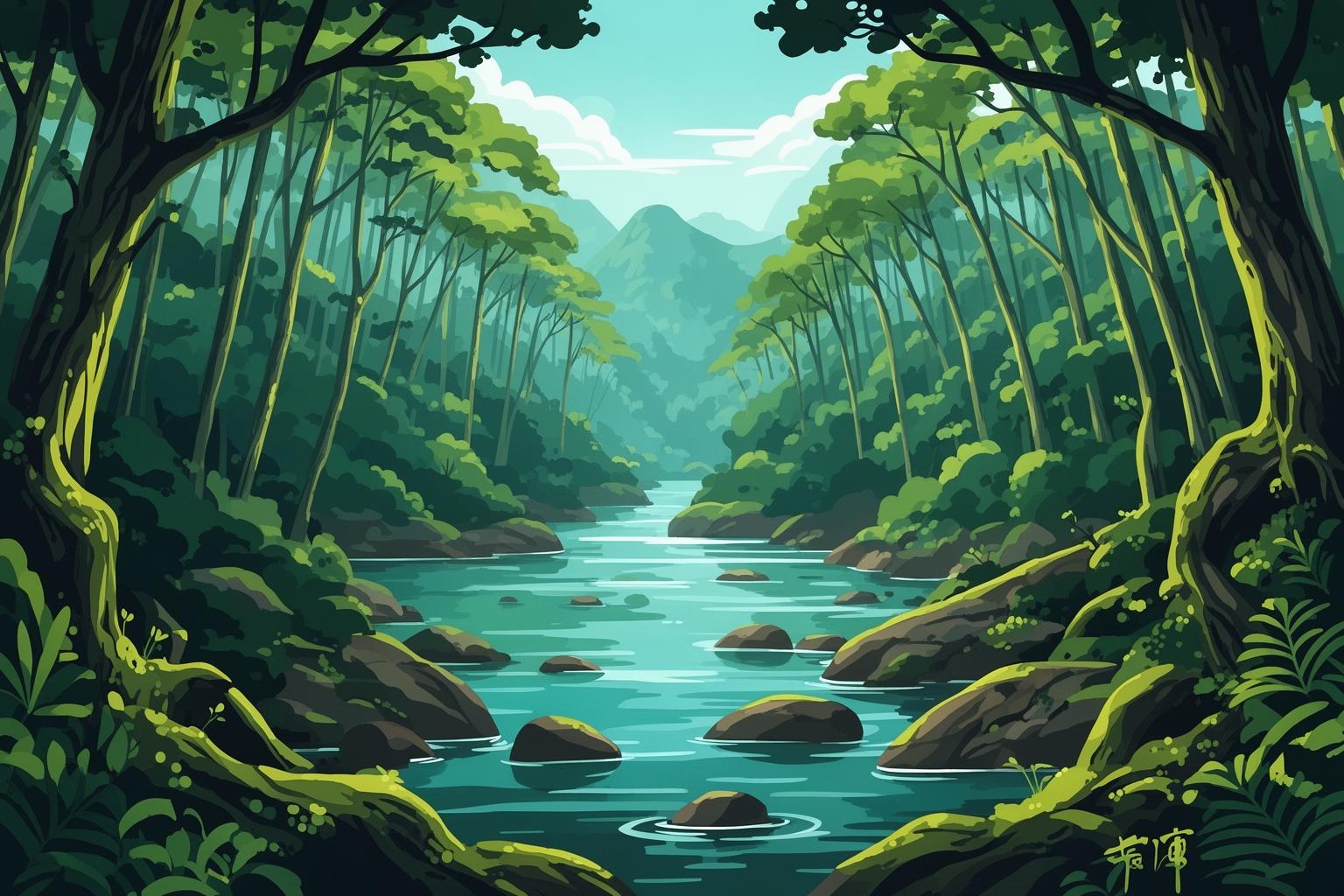
A journey to Yakushima is more than simply a trip to a beautiful island or a visit to a film location. It is a deep immersion into a world dominated by nature. The constant rain is not a nuisance; it is the force that shapes the mountains, nourishes the ancient trees, and colors the landscape in countless shades of green. To embrace Yakushima means to embrace the rain, to don your waterproof gear, and to enter the forest with a sense of awe rather than frustration. The island imparts a profound lesson at the core of Princess Mononoke: that humanity is not separate from nature, but rather a small part of it. The power and beauty of this place stem directly from its resilience and ability to flourish. Standing quietly beside a 5,000-year-old tree or watching a sea turtle return to the ocean where it was born, you feel connected to something timeless and essential. You leave not only with photographs and memories but also with a renewed respect for the wild, ancient, and deeply magical world that still exists, waiting for those willing to undertake the pilgrimage.