
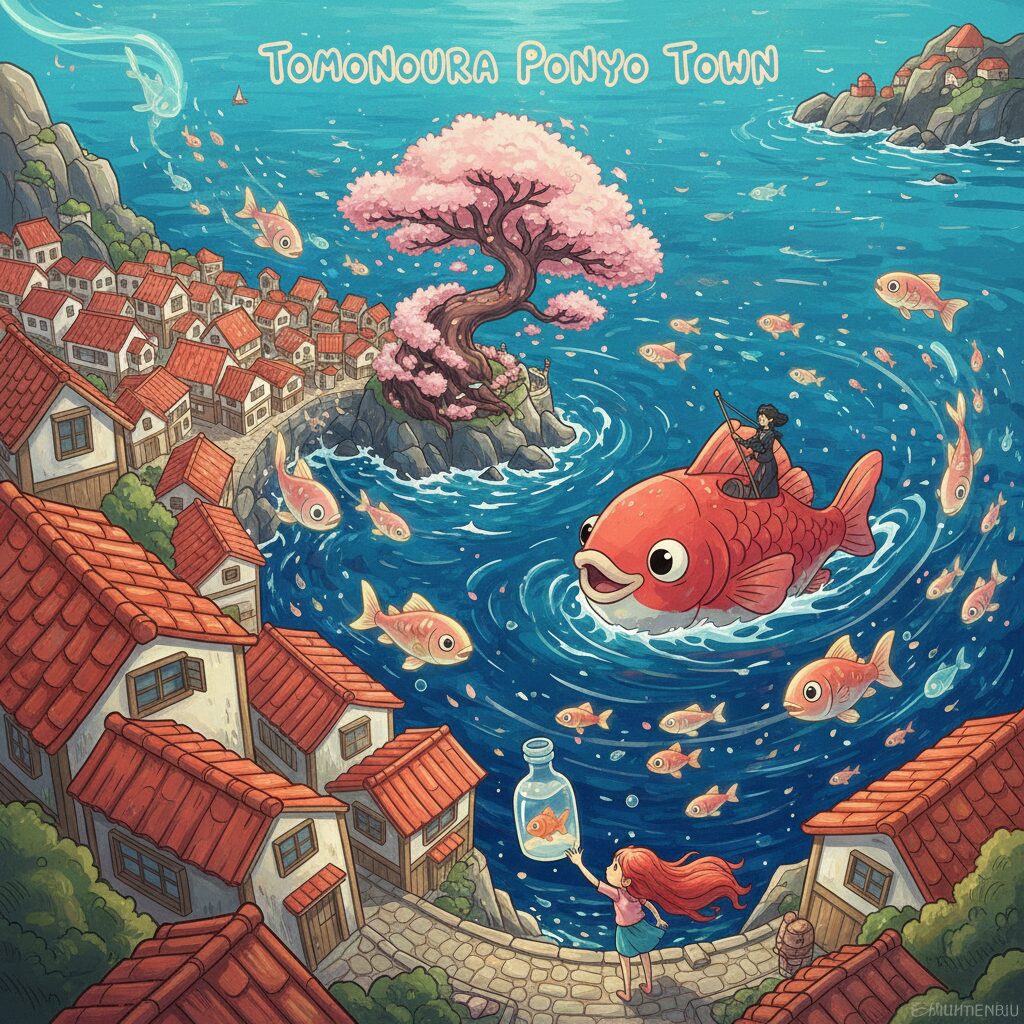
There’s a certain kind of magic that settles over Japan’s seaside towns when the afternoon sun starts to dip low, casting long, golden shadows that dance across the water. It’s a quiet, rhythmic magic, carried on the salty breeze and the gentle lapping of waves against weathered wooden docks. In the historic port town of Tomonoura, nestled in the embrace of Hiroshima Prefecture, this magic feels palpable, as if it has soaked into the very stones of its streets and the timber of its ancient buildings. This isn’t just any picturesque fishing village; it is a living, breathing storybook, a place where time flows not like a river, but like the tide—ebbing, flowing, and always returning. For many, Tomonoura is known as the muse for a modern fairy tale, the town that captured the heart of legendary animator Hayao Miyazaki and became the enchanting backdrop for Studio Ghibli’s beloved film, Ponyo on the Cliff by the Sea. But to visit Tomonoura is to discover that its own story is just as captivating, a deep and resonant history that existed long before a little goldfish girl ever dreamed of becoming human. It’s a place that invites you to put away your map, to wander its labyrinthine alleys, and to listen to the whispers of the past carried on the Seto Inland Sea.
A wander through Tomonoura’s timeless lanes reveals a hidden magic where every gentle breeze carries a hint of Ghibli allure that makes the village feel like a living fairy tale.
The Living Canvas of a Ghibli Masterpiece
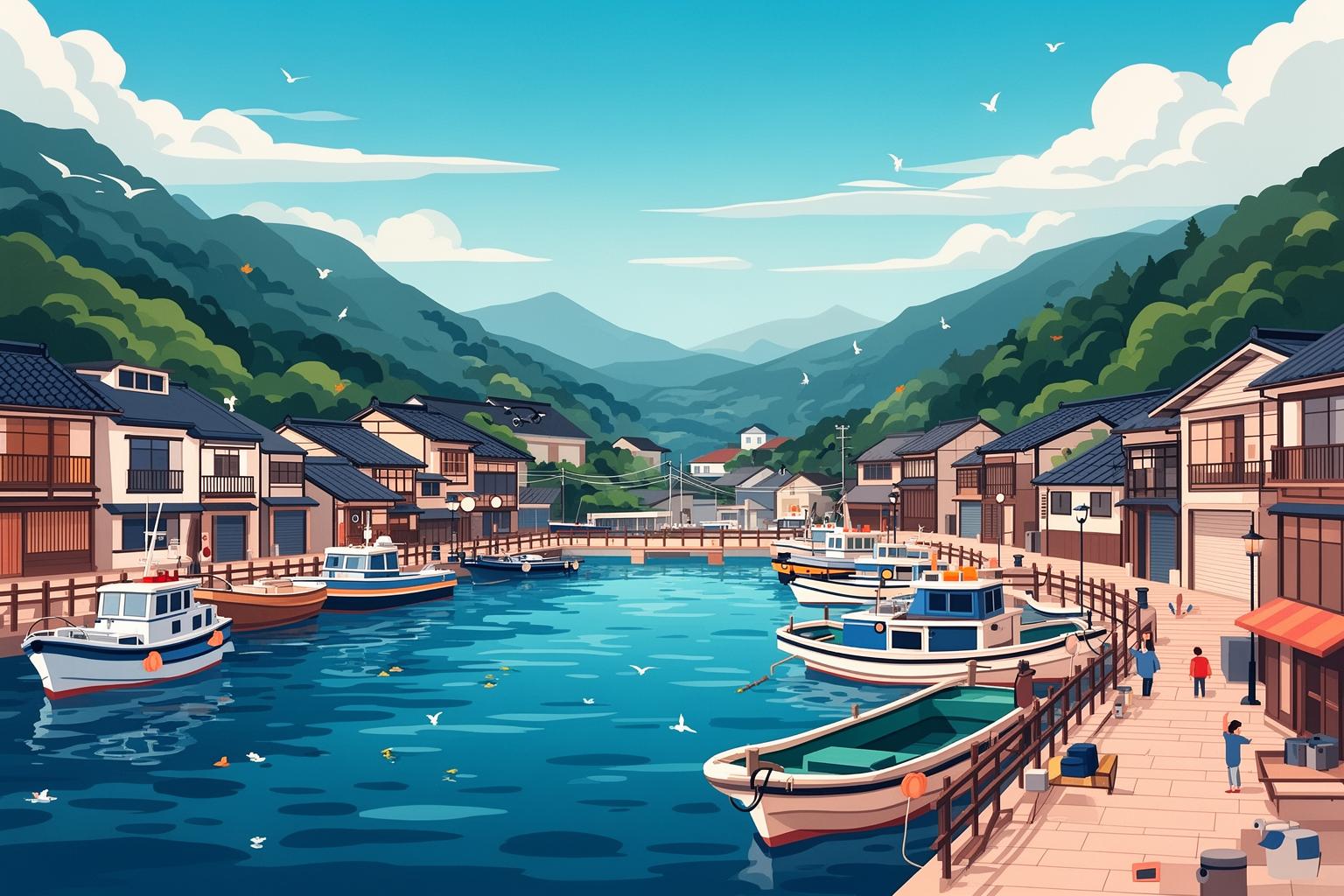
The connection between Tomonoura and Ponyo is not one of commercial branding or manufactured tourism; it is a genuine, heartfelt source of inspiration. Hayao Miyazaki spent two months living in this very town, immersing himself in its unique atmosphere, sketching its landscapes, and observing the rhythms of everyday life. He didn’t arrive to create a movie set; he came here and discovered a story waiting to be told. As you stroll along the gracefully curved harbor, the world of Ponyo immediately comes to life. The small fishing boats, with their colorful flags and humming engines, bob in the water just as they do in the film. The cluster of houses with their dark tiled roofs, clinging precariously to the green hillside, perfectly mirror the village where Sosuke lived. You can almost see Ponyo, with her bright red hair, running along the sea wall, her little legs carrying her on a grand adventure. The soul of the film resides in these details—the narrow, winding stone stairways connecting the lower port to the homes above, the friendly local cats basking lazily in patches of sunlight, and the sense of a close-knit community deeply intertwined with the sea. This isn’t a pilgrimage to track down exact filming locations, but rather a journey into the spirit of the place that inspired Miyazaki’s imagination. You won’t find souvenir shops pushing Ponyo merchandise on every corner. Instead, the town itself stands as the tribute to the film, preserved and cherished, inviting visitors to experience the same sense of wonder and discovery that the master animator felt. It’s a subtle yet powerful connection that feels far more authentic and rewarding. You sense the inspiration, rather than merely seeing it.
Echoes of the Edo Period: Stepping into History
Long before it inspired animators, Tomonoura was a crucial maritime trade hub—a thriving port town blessed with a distinctive geographical advantage. Its name, Tomo-no-ura, reflects its historic role as a port for shiomachi, or “waiting for the tide.” In the era of sail-powered vessels, ships navigating the Seto Inland Sea would anchor in this naturally sheltered harbor to wait for favorable currents, transforming the town into a bustling center of commerce, culture, and conversation. This rich history extends beyond museums; it is woven into the very essence of the town. The most iconic symbol of this period is the Joyato Lighthouse, a stone lantern tower that has stood at the harbor’s edge since the Edo period. Though no longer functional as a lighthouse, it remains the spiritual heart of the town. Standing before it, especially at dusk when its silhouette darkens against the vibrant sky, you can almost hear the lively chatter of sailors and merchants from centuries ago. From the lighthouse, a network of narrow streets spreads out, leading you into a realm seemingly untouched by time. The buildings form a splendid tapestry of architectural heritage, with dark, weathered wooden facades, latticed windows, and intricate roof tiles. Many of these structures are preserved merchant homes and warehouses, their sturdy build testifying to the wealth that once flowed through this port. Walking here feels less like sightseeing and more like stepping back in time. The very air seems rich with stories, and every corner reveals a new charming scene—a hidden shrine, an old well, or a doorway framed by blooming flowers.
The View from Taichoro: Japan’s Most Beautiful Scene
Perched atop a small hill overlooking the harbor stands Fukuzenji Temple, a peaceful Buddhist sanctuary housing a special gem. Within its grounds is the Taichoro guesthouse, a reception hall built in 1690 to welcome dignitaries. Stepping into this hall is an experience that goes beyond simple sightseeing. You cross polished dark wood floors and enter a spacious tatami mat room, where an entire far wall opens fully, perfectly framing the sea view. Large, circular windows serve as a living painting, capturing the sparkling waters, the lush greenery of Bentenjima and Sensuijima islands, and the endless sky above. The scene embodies perfect harmony and deep tranquility. So breathtaking is this view that a Korean envoy in 1711 declared it “the most beautiful view in all of Japan.” That description remains fitting today. Sitting on the tatami, feeling the cool sea breeze drift through the open hall, and gazing out at the timeless panorama is a meditative moment—a pause to breathe and appreciate the simple, profound beauty where nature and human craftsmanship meet in harmony. The gentle curves of the islands, the distant outline of mountains, and the occasional ferry gliding across the water compose an image of sublime peace. It’s a view that soothes the soul and lingers long after you have departed.
A Taste of Time: The Legacy of Homeishu
Tomonoura’s history is not only seen but also tasted. One of the town’s most distinctive cultural products is Homeishu, a medicinal liqueur crafted here for over 350 years. This herbal blend, made by steeping sixteen types of herbs in sweet mirin rice wine, was believed to promote longevity and vitality. The foremost purveyor of this historic drink is the Ota Residence, a beautifully preserved merchant house owned by the same family for generations. Visiting the residence offers a multi-sensory journey into the town’s flourishing past. The complex includes the family home, old sake breweries, and storehouses filled with the tools and artifacts of their trade. You can see the massive earthen-walled kura where homeishu was aged and learn about the intricate production process. The scent of sweet herbs and aged alcohol permeates the air. Naturally, a visit isn’t complete without tasting. Homeishu offers a complex flavor—sweet, aromatic, deeply warming, with a pleasant herbal bitterness. It’s more than just a drink; it’s a sip of history, a direct link to the Edo-period merchants who built this town. Savoring a small glass of homeishu while exploring the historic property is a way to fully immerse yourself in Tomonoura’s culture and heritage.
Exploring the Labyrinth: Alleys, Shrines, and Hidden Stories
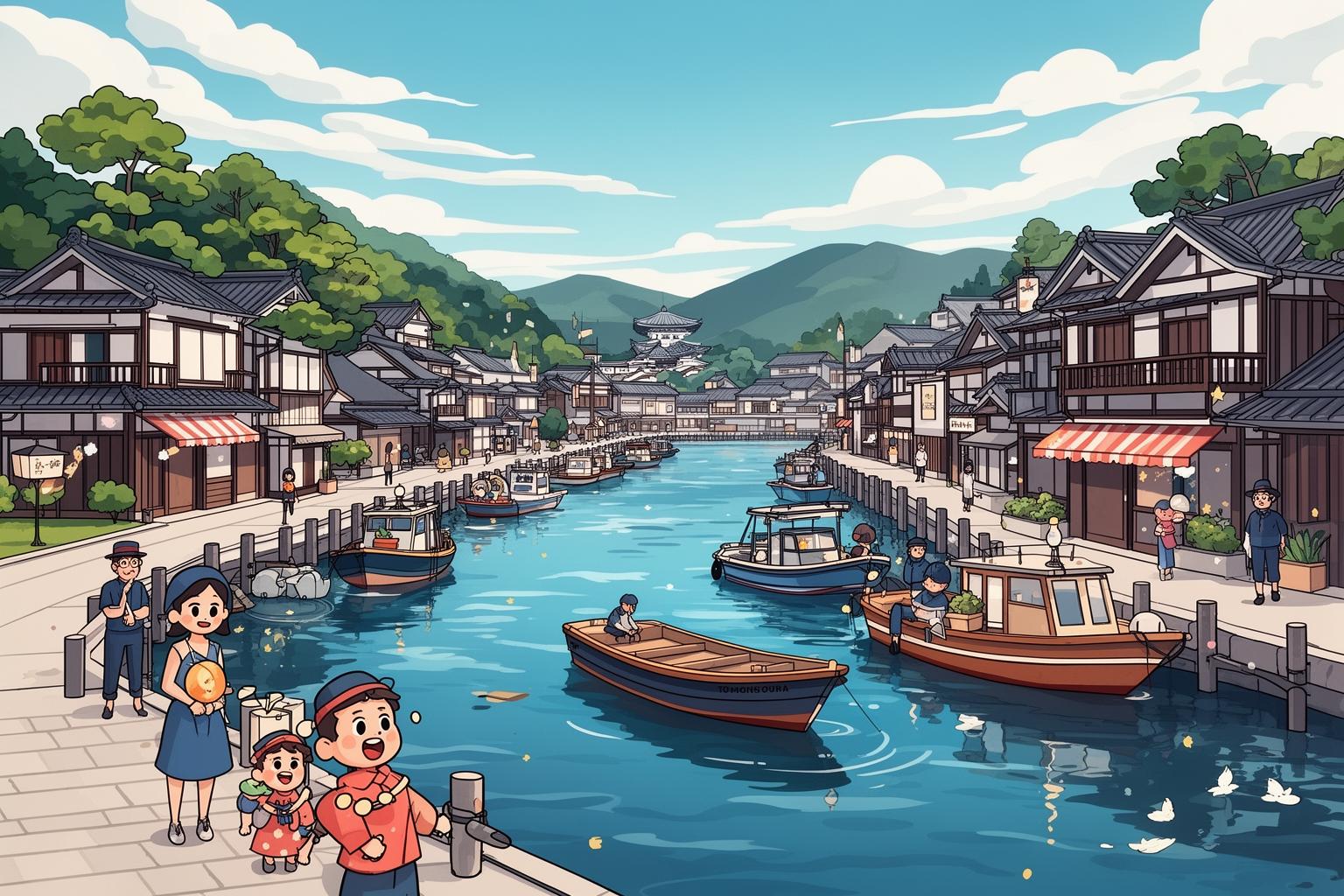
One of the greatest pleasures of Tomonoura is simply wandering and getting lost. The town is a charming labyrinth of narrow, winding alleys—so narrow in spots that you can nearly touch the walls on either side. These stone-paved paths, lined with traditional wooden houses, reveal the genuine, unvarnished character of the port. Every twist and turn brings a fresh discovery. You might come across a small, pristine shrine tucked between two homes, its stone lanterns softly cloaked in green moss. Or you may find yourself in a quiet courtyard where a local tends to their carefully nurtured bonsai trees. The sounds of everyday life serve as your guide: the distant toll of a temple bell, neighbors exchanging warm greetings, the gentle purring of a cat basking on a sun-warmed stone step. This is a working residential town, not merely a tourist spot, and wandering its backstreets offers a rare glimpse into a serene, traditional lifestyle. It is in these tranquil moments that the town truly unveils itself. History also emerges in unexpected corners. Near the harbor stands the Irohamaru Museum, which commemorates a dramatic event involving the renowned samurai Sakamoto Ryoma. In 1867, the steamship he was aboard, the Iroha Maru, collided with another vessel and sank just off Tomonoura’s coast. The tense negotiations that followed occurred right here, marking a crucial moment leading up to the Meiji Restoration. This story adds depth and significance to the peaceful scenery, a reminder that this quiet port has played host to some of Japan’s most pivotal historical moments.
A Voyage Across the Bay: The Serenity of Sensuijima Island
For a change of scenery and a breath of nature, a short and pleasant journey awaits. From Tomonoura’s port, a charming, vintage ferry, reminiscent of something from a Showa-era film, makes regular five-minute trips to Sensuijima Island. The name Sensuijima means “Island of the Drunken Hermit,” perfectly capturing its enchanting, untouched ambiance. Stepping off the ferry feels like entering another world. The town’s sounds fade away, replaced by bird calls and the rustling of forest leaves. The island is part of the Setonaikai National Park and a protected reserve, crisscrossed with hiking trails suitable for all fitness levels. You can enjoy a leisurely walk along the coast, admiring the unique multicolored rock formations of Goshikiiwa (“Five-Colored Rocks”), or choose a more demanding hike to one of the viewpoints for breathtaking panoramic views. Looking back at Tomonoura from Sensuijima offers a striking new perspective on its layout. You can see how the harbor curves protect the town, how the houses climb the hillside in terraces, and how the village nestles among the surrounding green mountains. It’s an ideal spot to relax, have a picnic on the beach, or simply watch the changing light dance on the water. The island’s raw, natural beauty provides a perfect contrast to the carefully preserved, historic charm of the town, making the short ferry ride an essential part of the Tomonoura experience.
A Traveler’s Guide to Tomonoura’s Rhythms
Reaching this timeless port is an easy and enjoyable journey. The gateway is JR Fukuyama Station, a key stop on the Sanyo Shinkansen line. From the station, a local bus will take you directly to the Tomonoura bus stop in about thirty minutes. The ride itself is part of the charm, as the urban scenery of Fukuyama slowly transitions to coastal roads with views of the sea. Tomonoura is best explored on foot. Its compact size and pedestrian-friendly streets make cars more of a hindrance than an aid. Be sure to wear comfortable walking shoes, as you’ll be navigating stone steps, sloped paths, and uneven pavement. While a day trip is certainly possible and rewarding, consider staying overnight to fully experience the town’s magic. In the early morning, before day-trippers arrive, the harbor is bathed in soft, ethereal light, with only the cries of seagulls and fishermen’s preparations breaking the quiet. In the evening, after the last bus leaves, a deep stillness falls, and the warm glow from the Joyato Lighthouse and the windows of traditional inns creates a deeply romantic ambiance. The town can be enjoyed year-round, but spring and autumn offer the most pleasant weather for walking. Spring brings cherry blossoms to the temple grounds, while autumn offers crisp, clear air and stunningly blue skies. Summer is lively and festive, often featuring local festivals, including one celebrating the sea bream (tai), a local delicacy. Speaking of which, no visit is complete without savoring the local cuisine. Tai-meshi, rice cooked with a whole sea bream, is the signature dish, delivering a delicate and savory taste of the Seto Inland Sea. Numerous small, family-run restaurants along the waterfront serve this and other incredibly fresh seafood dishes. A small but important tip for visitors: while Tomonoura is welcoming, it remains a quiet, residential community. Be mindful and respectful as you explore the backstreets, keep your voice low, and remember you are a guest in someone’s home. Also, carry some cash, as smaller shops and restaurants may not accept credit cards.
The Enduring Magic of a Seaside Dream
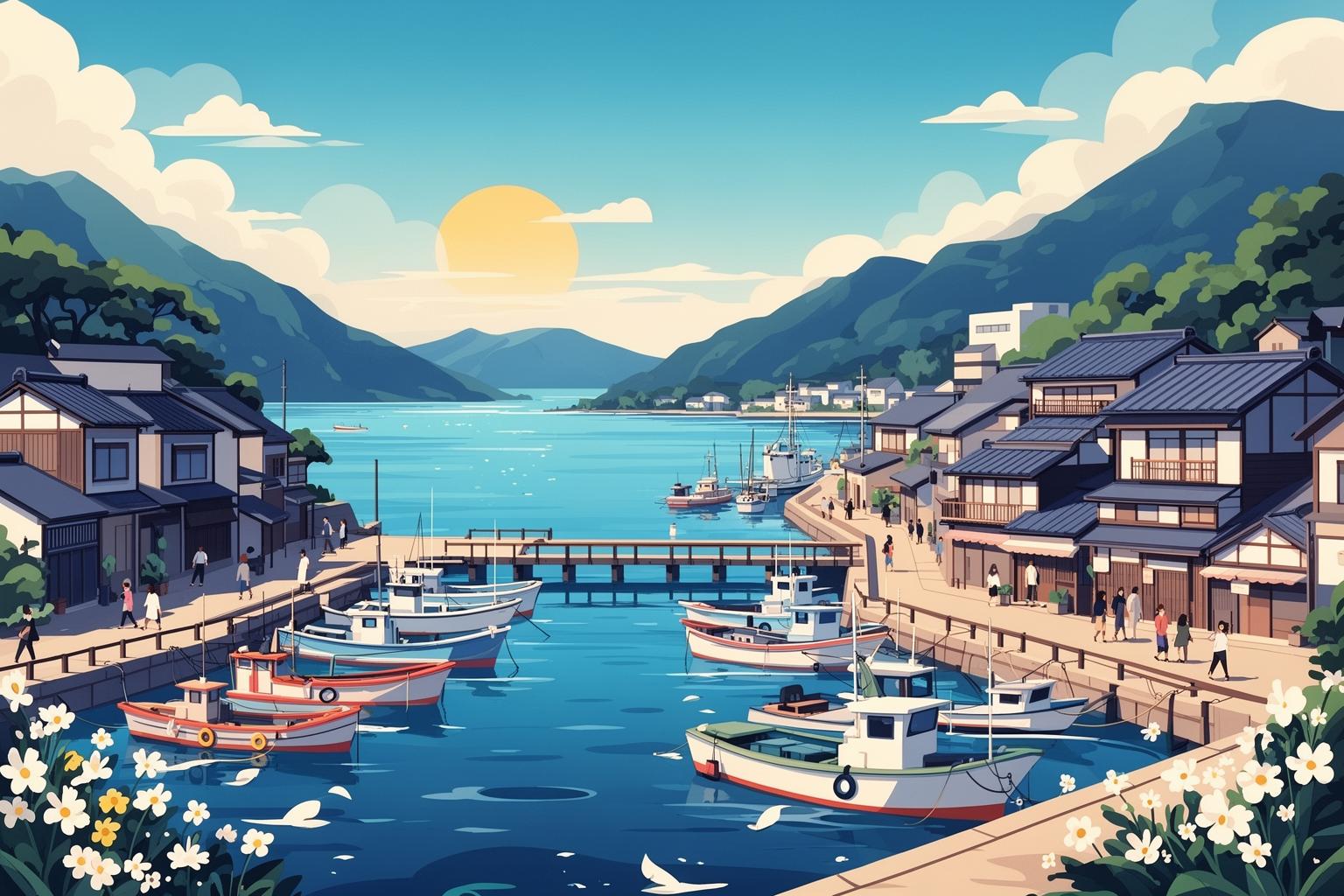
Tomonoura is more than just a collection of historic sites or a mere footnote in the history of an animation studio. It is an experience, a feeling. It embodies the sensation of slowing down and matching your own pace with the gentle rhythm of the tides. It is the pleasure of finding beauty not in grand monuments, but in subtle details—the texture of weathered wood, the pattern of roof tiles, the reflection of a boat on the calm harbor water. This place reminds us of the power of atmosphere, the importance of preserving history, and the simple, profound beauty of living in harmony with the sea. It’s no surprise that Hayao Miyazaki found such deep inspiration here. Like any visitor with an open heart, he saw a world filled with quiet wonder, where every alley holds a possible story and the sea seems to murmur secrets from an older, more magical era. A journey to Tomonoura is a journey into the heart of a dream—a dream of Japan’s past, a dream of cinematic fantasy, and most importantly, a dream you can step into and experience for yourself, one gentle wave at a time.








