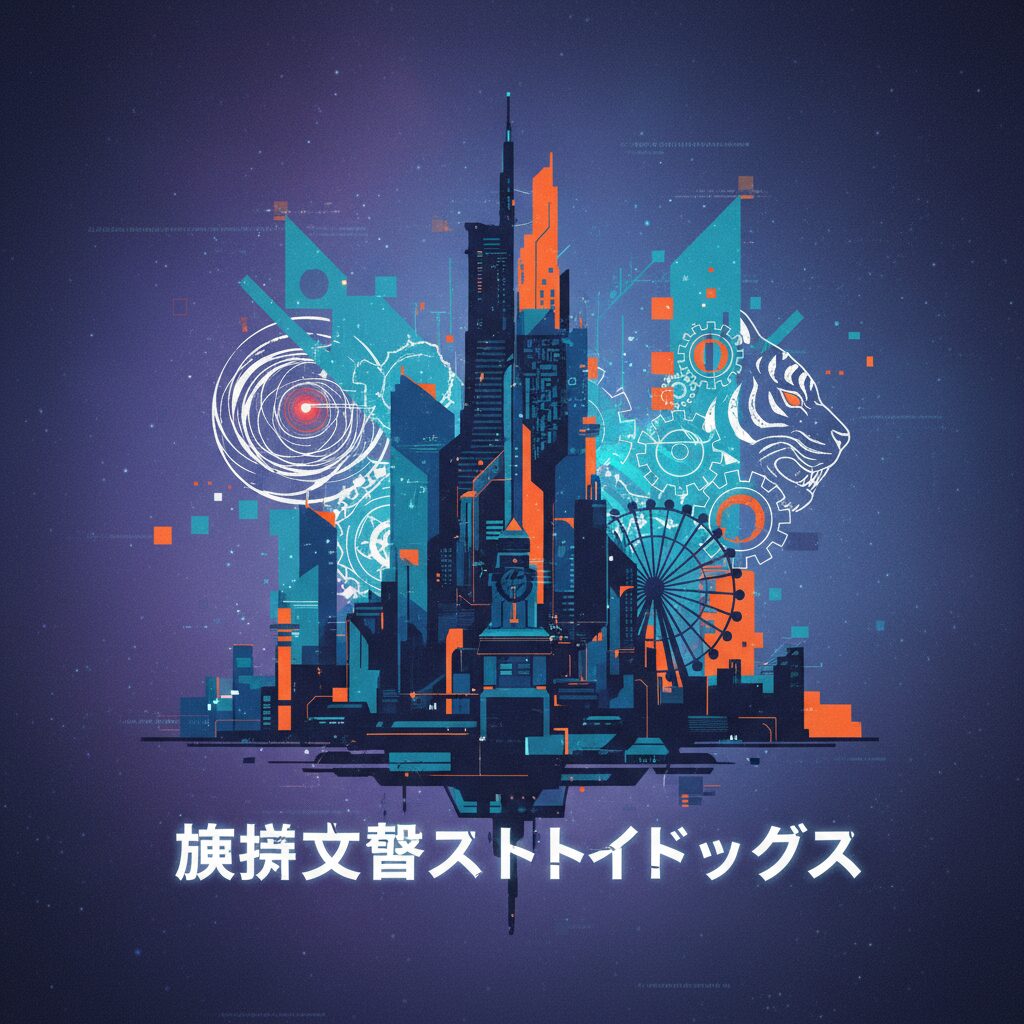
There’s a certain kind of magic that lives in Yokohama. It’s a city built on waves and whispers, a place where the salt-laced wind off the bay seems to carry stories from distant shores and bygone eras. For most, it’s a vibrant port city, a dazzling neighbor to Tokyo with a skyline that pierces the clouds. But for those of us who have walked its streets through the pages of a manga or the frames of an animation cell, Yokohama is something more. It’s a character in its own right, the sprawling, beautiful, and sometimes dangerous stage for the grand drama of Bungo Stray Dogs. This is where literary giants of the past are reborn as super-powered detectives and mafiosos, their battles of wit and will playing out against the city’s iconic backdrop. To walk through Yokohama as a fan is to engage in a unique pilgrimage, a seichi junrei, where the line between fiction and reality beautifully blurs with every step. You begin to see not just a Ferris wheel, but a potential battleground. Not just a quiet park, but a place for a clandestine meeting. The city breathes the story, and the story breathes the city. This journey isn’t just about finding filming locations; it’s about feeling the very soul of the narrative, a soul deeply intertwined with the bricks, the water, and the history of this remarkable place.
For those whose wanderlust extends past Yokohama’s urban mythos, exploring ancient forests offers another realm where nature and legend seamlessly converge.
The Heart of the Agency: Motomachi and the Yamate Hills
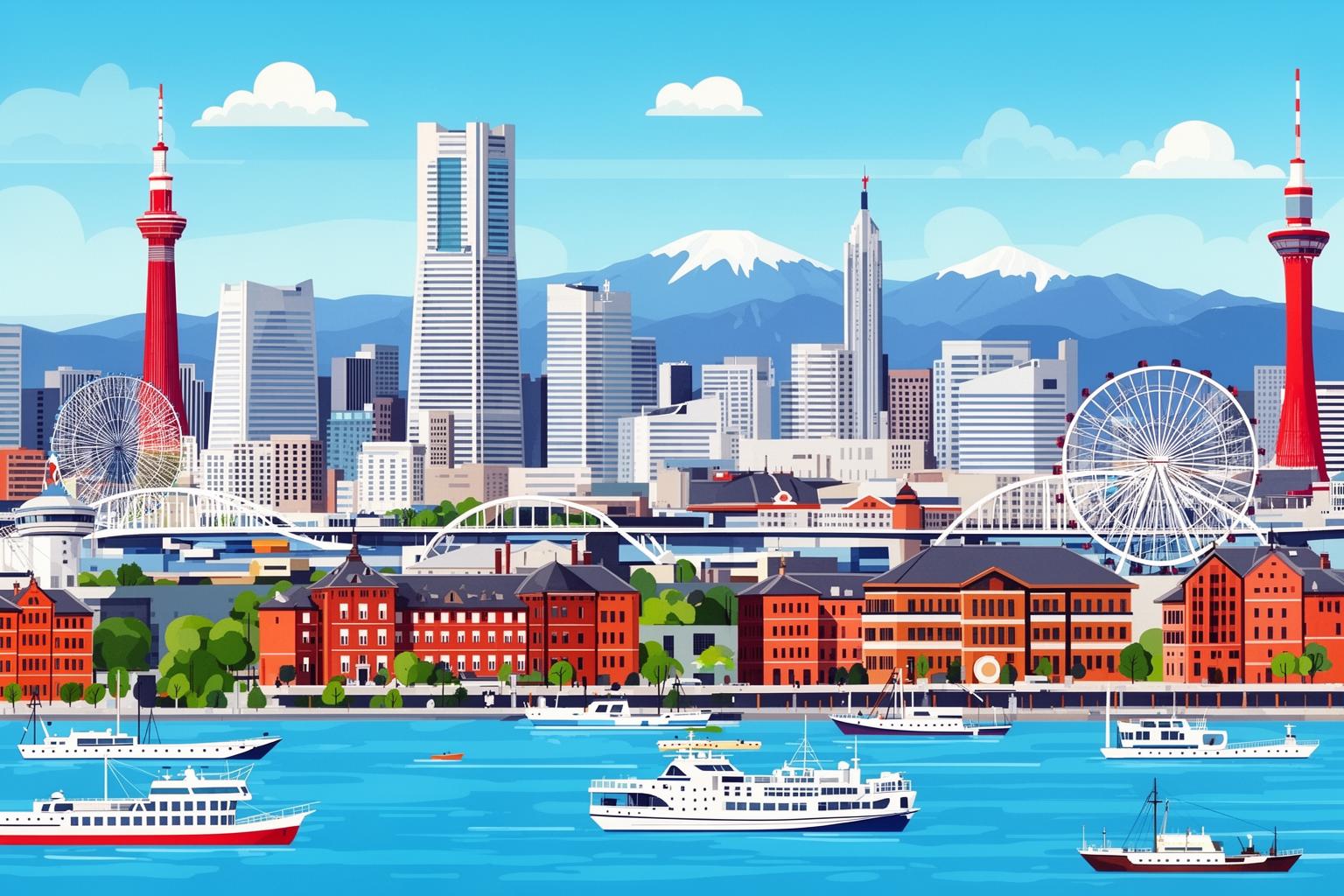
Our pilgrimage does not start in the neon-lit heart of the city but rather in the quieter, more elegant neighborhoods that seem to be the spiritual home of the Armed Detective Agency. As you enter Motomachi, the atmosphere transforms. The air becomes calmer, and the architecture takes on a distinctly European sophistication. This is not the turbulent domain of the Port Mafia; it is a place of reflection, strategy, and old-world charm that perfectly matches the Agency’s classic detective ethos. The renowned Motomachi Shopping Street, with its bespoke boutiques and charming cafes, unfolds like a storybook lane. Although the Agency’s building itself—commonly portrayed as a handsome brick structure with a cozy café on the ground floor—is a fictional creation, its essence permeates the area. It’s found in the weathered brick façades, the gentle incline of the streets rising to the Yamate hills, and the refined yet inviting atmosphere. You can easily imagine Kunikida walking briskly down the sidewalk, notebook in hand, or Dazai finding a new, inventive way to dodge his responsibilities in a sunlit alley. It’s the ideal place to begin—to ease yourself into the story’s world by soaking up its most fundamental ambiance.
A View from the Bluff: Yamate Italian Garden
Climbing the slope from Motomachi, you’ll come upon the Yamate district, historically home to foreign settlers after the port opened. This neighborhood is a trove of tranquil spots, none more so than the Yamate Italian Garden. Situated on a bluff, this beautifully landscaped garden features striking geometric flowerbeds and fountains, with the historic Diplomat’s House as its centerpiece. The view from here is stunning—a panoramic sweep over the city and the harbor below. In the world of Bungo Stray Dogs, this place serves as a sanctuary. It is where characters might retreat for moments of quiet reflection, a spot to gaze over the city of their conflicts and find a fleeting sense of peace. The meticulously arranged garden acts as a metaphor for the order the Agency seeks to uphold, standing in sharp contrast to the chaos that often rages in the streets beneath. Visiting on a clear day, one feels a serene perspective—a quiet moment to gather oneself before plunging back into the story’s intensity. A small tip: the ascent is fairly steep, so comfortable footwear is essential during this part of the journey. The reward, however, is undoubtedly worthwhile.
Whispers Among the Tombstones: The Foreign General Cemetery
Nestled beside the Yamate hills lies the Foreign General Cemetery, a site rich with history and a quiet, profound melancholy. Open to the public on weekends and holidays, this historic cemetery is the final resting place for many foreign nationals who contributed to the shaping of modern Yokohama. Rows of weathered tombstones set against lush greenery create an atmosphere of tranquil reverence. This is not a place for action but for reflection and consequence. One can feel the weight of history here, the countless stories woven through the fabric of this port city. Within the anime’s narrative, the cemetery symbolizes solemn neutrality. It serves as the perfect backdrop for secret exchanges of information or quiet conversations between rivals, where only the ghosts of the past bear witness. The air is still, and the distant sounds of the city feel muted and far away. Walking these paths, you gain a sense of the deep historical roots grounding the fantastic tale, reminding us that beneath the extraordinary battles lies a city with a real, tangible past.
Where Land Meets Sea: The Iconic Waterfront
Leaving the peaceful hills behind, we descend to the waterfront, the vibrant and instantly recognizable face of Yokohama. This is the Minato Mirai 21 district, the city’s modern core, serving as the main stage for many of the series’ most explosive and unforgettable scenes. The landscape here is a blend of glass, steel, and water. The Landmark Tower, the Queen’s Towers, and the iconic Cosmo Clock 21 Ferris wheel shape a skyline that feels both futuristic and intimately familiar to any fan. Here, the scale of Bungo Stray Dogs truly comes to life. The vast bay and towering buildings provide the perfect backdrop for large-scale ability battles, car chases along the Bayshore Route, and dramatic confrontations that define the series. The constant movement of ships in the harbor echoes the endless struggle between the Agency, the Port Mafia, and the Guild. The atmosphere is electric, charged with the energy of a city that is always in motion, always evolving, and always watching.
The Red Brick Warehouse: A Bastion of History and Commerce
Nestled within this modern marvel are the Yokohama Red Brick Warehouses, or Akarenga Soko. These two stately, historic buildings stand proudly against the backdrop of gleaming skyscrapers. Originally customs buildings for the bustling port, they have been transformed into a lively cultural and commercial complex, filled with unique shops, art spaces, and charming restaurants. In the anime, these warehouses serve as a reliable visual anchor. They appear repeatedly in background shots, their distinctive shape instantly grounding the scene in Yokohama. They embody the city’s essence: the seamless fusion of its industrial past with its commercial present. Walking between the two buildings, with the sea breeze on your face, you sense that blending of eras. It’s a place that feels both historic and vibrant, an ideal setting for a tense stakeout or a casual meeting that quickly turns serious. For first-time visitors, this is a must-see. The atmosphere changes completely after sunset, when the warehouses glow with warm, golden light, creating a truly magical scene against the sparkling night view of Minato Mirai.
Strolling Through Conflict: Yamashita Park and the Hikawa Maru
Stretching gracefully along the waterfront from the Red Brick Warehouses is Yamashita Park, a long, green oasis offering some of the best views of the harbor. On any given day, it’s a scene of urban tranquility. Couples stroll hand-in-hand, families picnic on the grass, and the famous “Guardian of Water” fountain provides a soothing soundtrack. But through the lens of Bungo Stray Dogs, this serene park is a façade. It is a classic setting for deception, a public space where private battles are fought in hushed tones and sudden, violent ambushes. The open spaces and clear sightlines make it a strategically tense location. Permanently docked alongside the park is the Hikawa Maru, a magnificent ocean liner from the 1930s. Now a museum ship, it stands as a silent, stoic witness to the city’s history. In the anime, this ship is more than a landmark; it symbolizes Yokohama’s identity as a gateway to the world, a vessel of stories. Its grand, imposing form often looms in the background of key scenes, a reminder of the journeys—both literal and metaphorical—that shape the characters’ lives.
Echoes of the Past: The Literary Soul of the City
To truly appreciate Bungo Stray Dogs, one must look beyond the animated settings and explore the literary history that gives the series both its name and spirit. The characters are named after renowned Japanese literary figures, and their abilities cleverly embody the most famous works of their namesakes. Yokohama itself boasts a rich literary tradition, and discovering this aspect adds remarkable depth to your pilgrimage. This part of the journey is about linking the fictional heroes and villains to the real-life artists who inspired them.
Harbor View Park and the Museum of Modern Literature
Overlooking the port from another spot on the Yamate bluff is Harbor View Park, or Minato-no-Mieru Oka Koen. Known for its enchanting rose garden and stunning views of the Bay Bridge, this park serves as a focal point of Yokohama’s literary culture. Here you’ll find the Kanagawa Museum of Modern Literature, a must-visit for any true pilgrim. The museum houses a vast collection of materials related to authors connected to the region, including many who inspired the series: Akutagawa Ryunosuke, Nakajima Atsushi, Tanizaki Junichiro, and, of course, Dazai Osamu. Viewing their original manuscripts, photographs, and personal belongings fosters a strong connection. You begin to see the real people behind the cool, super-powered personas. You notice the melancholy in the real Dazai’s eyes, the sharp intelligence in Akutagawa’s gaze. This shifts your understanding of the series from a simple action story into a heartfelt, though fantastical, tribute to a rich literary heritage. Spending an afternoon here, wandering through the museum and the fragrant rose garden, lets you sense the quiet, intellectual rhythm beating beneath the city’s chaotic surface.
Into the Shadows: The Underbelly of the Port Mafia
No journey into the world of Bungo Stray Dogs would be complete without exploring the realms that seem to belong to the Port Mafia. Although their sleek, towering headquarters may be a fictional skyscraper in Minato Mirai, their presence is strongly felt in the city’s darker, more intricate, and chaotic areas. To capture the essence of the Port Mafia, you need to immerse yourself in the places where anything can happen, where secrets function as currency, and where danger and excitement are two sides of the same coin.
The Labyrinth of Chinatown
Just a short walk from Yamashita Park lies one of the city’s most vibrant and overwhelming spots: Yokohama Chinatown. Passing through one of its grand, ornate gates feels like stepping into an entirely different world. The air thickens with the scents of steamed buns and exotic spices. The streets twist into a maze of alleys, each alive with color, noise, and energy. Red lanterns hang everywhere, casting a constant festive glow. This perfectly captures the Port Mafia’s territory: a place of organized chaos, where it’s easy to get lost—ideal for secret dealings and quick escapes. The overwhelming sensory experience provides cover for deals made openly. You can easily picture Chūya Nakahara confidently striding through these crowded streets or the Black Lizard squad blending seamlessly into the throngs. For visitors, the best advice is to come hungry and with a bold spirit. Grab a nikuman (steamed pork bun) from a street vendor and let yourself roam. Losing your way in Chinatown is part of the thrill, and it’s the closest you can come to experiencing the exhilarating, unpredictable energy of the city’s underworld.
A Practical Guide to Your Yokohama Pilgrimage
Navigating Yokohama is surprisingly straightforward, making it an excellent city for a walking-focused anime pilgrimage. From Tokyo, multiple train lines, including the JR Tokaido Line and the Tokyu Toyoko Line, will get you to Yokohama Station or Minato Mirai in under an hour. Once you arrive, the most convenient way to travel between key areas like Minato Mirai, Motomachi, and Chinatown is via the Minato Mirai subway line. A one-day pass is a great investment, letting you hop on and off as you please. However, the true charm of Yokohama is best experienced on foot. The distances between many iconic spots are quite manageable, and walking lets you absorb the atmosphere and notice the small details—the unique manhole covers, the quaint side streets, the sudden, breathtaking views of the harbor—that the anime creators so carefully included. The ideal time to visit is during spring or autumn when the weather is mild and enjoyable. Spring also brings cherry blossoms, adding extra beauty to places like Yamashita Park, while autumn offers crisp, clear air and stunning sunsets over the bay. Don’t miss experiencing the city at night; the illuminated Minato Mirai skyline is a sight you won’t soon forget and feels like stepping right into a climactic scene from the show.
Beyond the Animation Cell: Yokohama’s Enduring Story
A pilgrimage through the Yokohama of Bungo Stray Dogs is more than just ticking off a list of locations. It involves grasping how a place can shape a story—how its history, layout, and atmosphere are as integral as any character. You begin in the elegant, historic streets of Yamate, where you sense the intellectual spirit of the Agency. From there, you move to the sparkling, modern waterfront of Minato Mirai, feeling the grand scale of the city’s conflicts. You become immersed in the vibrant chaos of Chinatown, experiencing the thrilling danger of the Port Mafia’s world. Finally, you discover the city’s literary heart, connecting with the real authors whose names and legacies inspire this incredible story. Yokohama is a city of contrasts—East and West, past and future, quiet reflection and explosive action. Walking its streets, you are not merely an observer, but a participant in its unfolding narrative. The sea breeze carries echoes of battles fought and stories shared, leaving you with the deep impression that you have not only seen the world of Bungo Stray Dogs but truly felt its heartbeat.