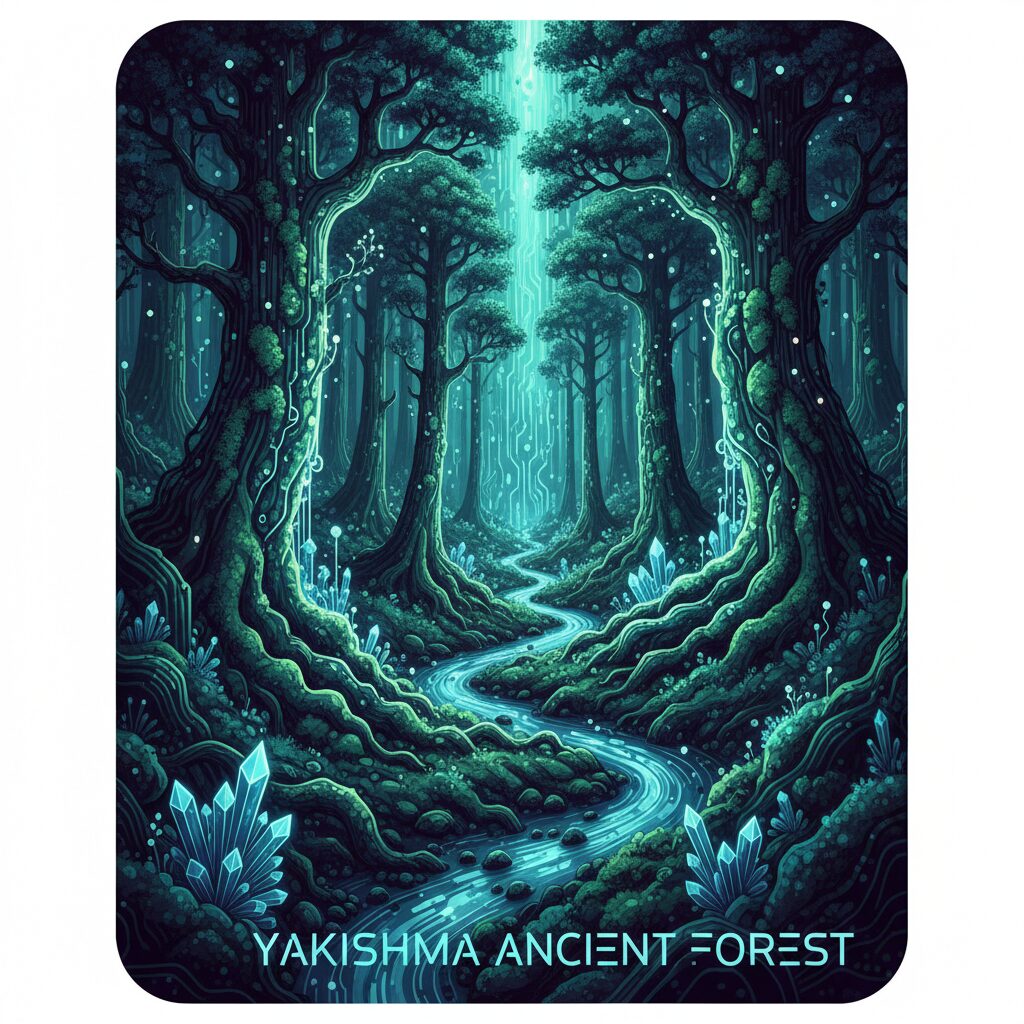
There are places on this earth that feel unstuck from time, where the air hums with an energy that is both ancient and profoundly alive. These are the realms where myths are born, where the veil between our world and the world of spirits feels impossibly thin. On a small, round island south of Japan’s main Kyushu island, this feeling is not just an occasional whisper; it is the constant, roaring, and life-giving soul of the land. This is Yakushima, a granite fortress cloaked in a perpetual green, a place so primal and saturated with life that it became the living blueprint for one of animation’s greatest masterpieces, Hayao Miyazaki’s Princess Mononoke. To journey here is to step through the screen, to walk the very same moss-covered ground as the forest gods and spirits that populate Studio Ghibli’s epic tale. It is a pilgrimage not just for fans of the film, but for anyone who feels the pull of the wild, untamed heart of nature.
For adventurers captivated by untamed natural magic, a modern pilgrimage reveals another realm where cinematic wonder and real-world landscapes converge.
The Soul of the Island: A Realm Where Nature is God
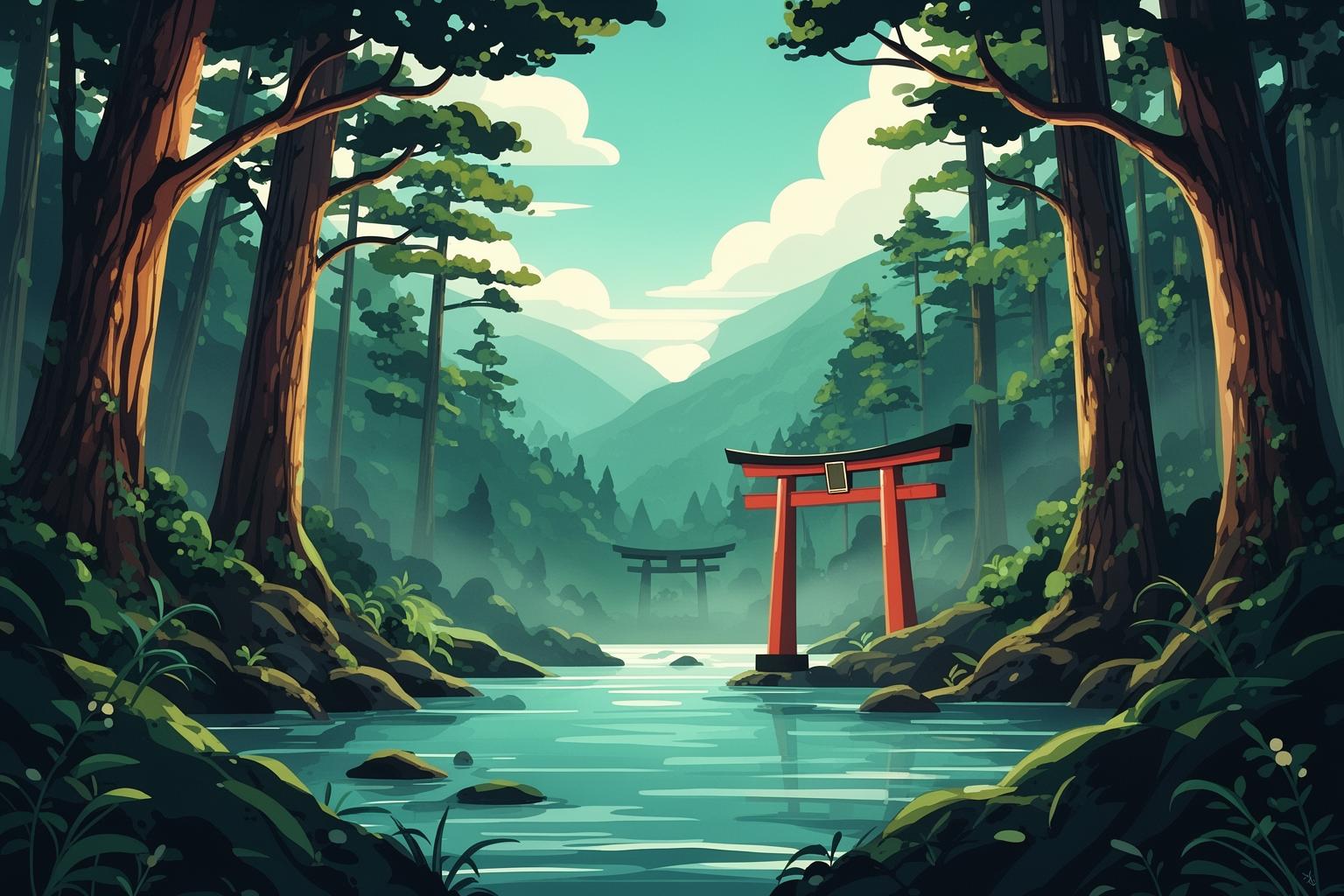
Yakushima exists in a state of striking extremity. The local saying that it rains “thirty-five days a month” is only a slight exaggeration. This plentiful water supply is the island’s lifeblood, the force that sustains its incredibly lush ecosystem. The island’s granite mountainous core soars from sea level to nearly two thousand meters, creating a dramatic variety of microclimates that compel moisture-laden sea winds to release their load. The outcome is a continuous cycle of rain, mist, and cloud, which in turn nourishes thousands of streams and waterfalls cascading down the steep slopes. This water, filtered through granite and forest floor, is among the purest in the world. It fuels this verdant kingdom.
To be here is to experience the animistic beliefs of Shinto not as an abstract faith, but as a tangible reality. In Yakushima, every gnarled cedar, each moss-covered stone, and every rushing river seems like a conscious being. These are not merely elements of a landscape; they are the kami, the gods and spirits of the place. The immense scale and age of the forest have a profound psychological impact. Standing beneath a tree that has endured a thousand typhoons and witnessed dynasties rise and fall, you feel your own mortal timeline shrink to a fleeting moment. It is a humbling, deeply spiritual experience, a silent dialogue with eternity. This is the very essence Miyazaki captured in Princess Mononoke: the forest as a living entity, a powerful, awe-inspiring character in its own right, worthy of reverence and respect.
Shiratani Unsuikyo: The Moss-Covered Heart of Mononoke
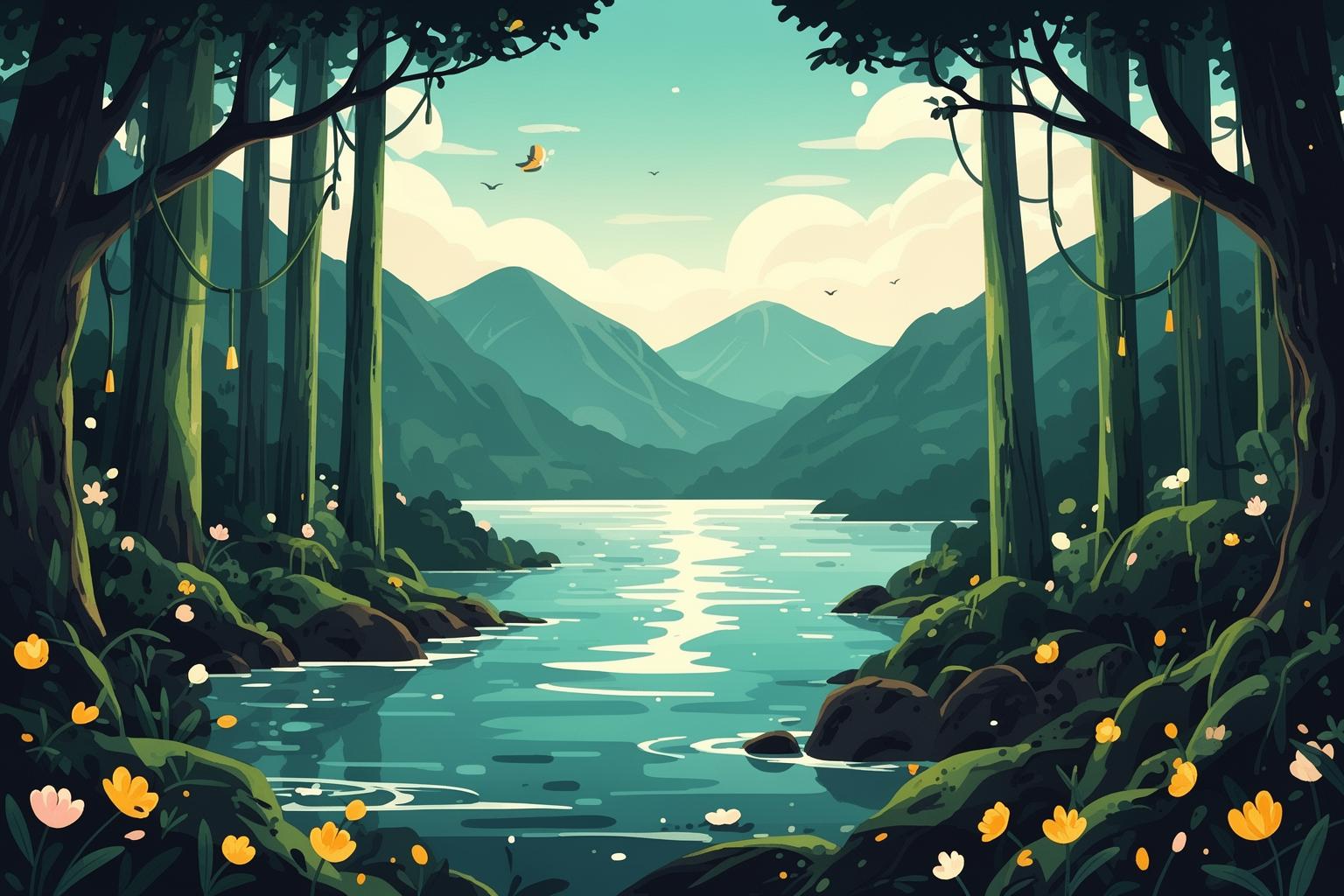
If there is one place on the island that stands as the hub for Ghibli enthusiasts, it is the Shiratani Unsuikyo ravine. This is the legendary forest that Miyazaki himself visited and sketched, the very spot transformed into the hauntingly beautiful realm of the Deer God. Walking along the trails here feels like stepping into a dream. The world fades into countless shades of green. Moss, thick and velvety like a carpet, covers everything—the forest floor, the twisted roots of ancient trees, and the surfaces of towering granite boulders. It softens sound, creating a deep, resonant silence interrupted only by the drip of water from leaf to fern and the murmur of distant streams.
Several trails wind through this emerald maze, accommodating various fitness levels, yet each serves as a gateway to this enchanted world. The air is cool and heavy with the scent of damp earth and decaying wood, the aroma of life returning to the soil. You will cross crystal-clear streams via simple wooden bridges, duck beneath the low-hanging branches of ancient cedars, and find yourself pausing every few steps to admire the intricate textures beneath your feet. The most famous site, officially called Koke-no-mori or the “Moss Forest,” is the very heart of the Mononoke experience. It is a green amphitheater, a place so naturally arranged in its wildness that it seems shaped by a divine hand. Here, among the twisted trees and glowing moss, it’s easy to imagine the little white kodama, the tree spirits from the film, shaking their heads from the branches above.
For those with more time and energy, the trail ascends to a dramatic peak at Taiko-iwa Rock. After a steep climb, you break free from the dense forest onto a massive granite boulder perched on the mountainside. The reward is a stunning panorama of the island’s interior peaks, a sea of green stretching out to the horizon. From this viewpoint, you truly grasp the vastness of this wilderness and feel the power that inspired a tale of gods and humans battling for the soul of the forest.
The Journey to Jomon Sugi: A Pilgrimage to an Ancient King
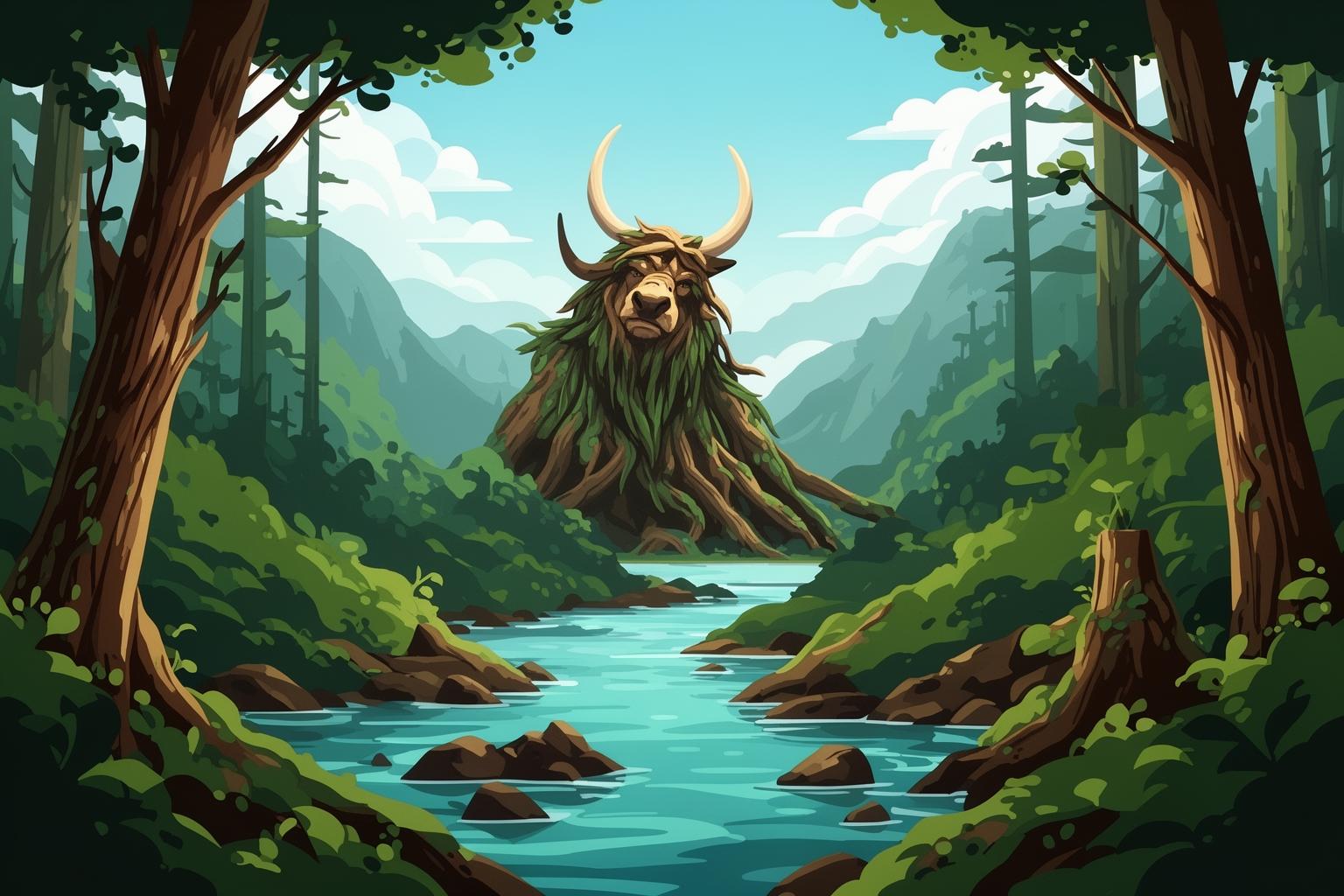
While Shiratani Unsuikyo embodies the aesthetic spirit of Princess Mononoke, the journey to Jomon Sugi is a pilgrimage to encounter the island’s oldest and most revered monarch. This is not a leisurely walk but a demanding, full-day trek spanning over twenty kilometers, usually taking ten to twelve hours. It poses both a physical and mental challenge, yet rewards the determined with an experience that goes beyond ordinary sightseeing. The trail begins along the route of an old logging railway, the Anbo Forest Railway, which meanders gently through the forest. This flat initial stretch acts as a form of meditation, gradually immersing you into the depths of the woods. The rusted tracks evoke a poignant reminder of a time when these forests were exploited for their timber, reflecting the central conflict of Miyazaki’s film.
After several hours, the railway trail transitions into a steep and demanding mountain path. Here, the true ascent begins, involving scrambling over an intricate network of tangled roots and wooden staircases designed to protect the forest floor. Along the way, you encounter several other giant cedars, each remarkable in its own right. One of the most famous landmarks is Wilson’s Stump (Wilson-kabu), the massive, hollowed remains of a cedar felled centuries ago. From inside its cavernous interior, gazing up through the heart-shaped opening to the sky, you find a unique and popular photo spot—a testament to nature’s capacity to create beauty even from loss.
At last, after a long and strenuous climb, you reach the king himself. Jomon Sugi does not reveal itself immediately. It is viewed from a specially constructed platform, placed at a respectful distance to protect its fragile root system. The tree is a magnificent, gnarled presence, its bark resembling weathered stone more than living wood. Its exact age is debated, with estimates ranging from 2,170 to a mythical 7,200 years old. Regardless of the precise figure, it stands unequivocally as one of the oldest living organisms on the planet. To stand before it is to sense the immense weight of time. This tree was a sapling when the pyramids of Giza were built and was already ancient by the time the Roman Empire rose and fell. It serves as a living link to an ancient past that is almost unimaginable—a silent patriarch of the forest commanding absolute reverence.
Beyond the Forest: The Island’s Wider Embrace
Yakushima’s identity is shaped by its forests, but its essence also embraces its dramatic coastlines and the creatures that inhabit the entire island. Venturing beyond the hiking trails unveils a fuller picture of this UNESCO World Heritage Site, where the mountains and the sea engage in an ongoing dialogue.
The Coastal Symphony: Turtles, Tides, and Waterfalls
A road encircles the island, offering breathtaking ocean views. On the northwest coast, Nagata Inakahama features a stunning stretch of golden sand that serves as the most crucial nesting site for endangered loggerhead sea turtles in the North Pacific. From May to July, female turtles come ashore under the cover of darkness to lay eggs, a timeless survival ritual. Local conservation groups host guided, respectful viewing sessions, providing a chance to witness this remarkable event without disturbing the turtles. The island is also renowned for its powerful waterfalls, born in the high mountains and rushing to the sea. Senpiro-no-taki and Toroki-no-taki are impressive cascades that cut through immense granite cliffs, while Oko-no-taki is unique as one of the few waterfalls in Japan that plunges almost directly into the ocean.
The Local Inhabitants: Monkeys and Deer
As you explore Yakushima, it becomes clear that you are not alone. The island is home to endemic subspecies of macaque and deer—the Yaku monkey and the Yaku deer. Smaller than their mainland relatives, they are everywhere. You’ll see them foraging beside the roads, wandering through towns, and naturally, along forest trails. Their casual presence constantly reminds you that this island truly belongs to nature. They are the true inhabitants, while humans are mere visitors. Watching a gentle Yaku deer nibble leaves just a few feet away, completely unbothered by your presence, strengthens the sense of harmony that, despite the island’s harsh conditions, seems to permeate this whole ecosystem.
Practical Magic: Planning Your Expedition to the Green Sanctum
Traveling to a wild and remote place like Yakushima demands careful planning. It is not suited for a spontaneous day trip but requires preparation and respect for the natural elements.
Reaching the Lost World: Access by Sky and Sea
Kagoshima, a city located at the southern tip of Kyushu, serves as the gateway to Yakushima. From there, you have two main ways to get to the island. The quickest option is a short flight from Kagoshima Airport to Yakushima’s small airfield. Alternatively, you can travel by sea. High-speed jetfoil ferries complete the crossing in two to three hours, providing a fast and scenic ride. For those on a tighter budget or traveling with a vehicle, the slower car ferry is a more economical choice, taking around four hours. Regardless of the option, it is crucial to book well in advance, especially during Japanese holidays such as Golden Week or Obon.
Finding Your Basecamp: Where to Stay
The island’s population is mostly concentrated in several coastal towns, with Miyanoura in the north and Anbo in the east being the largest. Miyanoura serves as the main port for many ferries and has the highest concentration of shops and restaurants. Anbo is nearer to the trailheads for Jomon Sugi and Shiratani Unsuikyo, making it a favored base for dedicated hikers. Accommodations range from rustic minshuku (family-run guesthouses) offering an authentic local experience to modern hotels with more amenities. Booking well in advance is essential, as lodging is limited and fills up quickly, especially during the spring and autumn hiking seasons.
Gearing Up for the Elements: What to Pack
Your packing must center on one key fact: rain. High-quality waterproof gear is essential, not optional. This includes a reliable, breathable rain jacket, waterproof pants, and sturdy, waterproof hiking boots that are well broken-in. Quick-drying clothing is also necessary—cotton is best avoided in this damp environment. A headlamp is important for the Jomon Sugi hike, which starts before dawn. Carry a portable battery charger since cold weather can quickly drain your phone’s battery. While the island has some shops, specialty equipment can be scarce and costly, so it’s best to bring all your gear with you. Lastly, although credit cards are accepted at larger hotels and restaurants, many smaller businesses and local buses only accept cash. Be sure to withdraw enough Japanese yen before arriving on the island.
A Journey That Stays With You
Leaving Yakushima feels like waking from a vivid dream. The intensity of the green, the constant sound of water, and the sight of trees that have stood for millennia—all leave a lasting mark on your memory. It is more than just a stunning place; it serves as a vital reminder of a world once governed by nature’s immense and patient power. Visiting the island offers a chance to reconnect with something primal within yourself and to experience the deep peace that comes from being a small part of a vast, living system. Whether you arrive as a fan of Princess Mononoke searching for the real-life Deer God’s forest or simply as a traveler seeking genuine wilderness, Yakushima provides a journey that is both physically challenging and spiritually enriching. You come as a visitor, but you leave as a witness to the enduring magic of the earth.