Some stories feel like a dream you can’t quite shake, a melody that lingers long after the credits roll. Makoto Shinkai’s masterpiece, ‘Your Name’ (Kimi no Na wa), is one such story. It swept across the globe not just as an animated film, but as a full-blown cultural phenomenon, weaving a tale of star-crossed lovers, body-swapping, and a devastating comet with threads of time, memory, and fate itself. The film’s emotional core, its stunning visuals, and its unforgettable soundtrack captured the hearts of millions. But a significant part of its magic lies in its breathtakingly realistic portrayal of Japan. While Mitsuha’s rural town of Itomori is fictional, the world of her counterpart, Taki Tachibana, is a vibrant, living, and breathing Tokyo. Shinkai and his team rendered the city with such meticulous detail that every street corner, every train platform, and every cafe window feels real—because it is. This incredible fidelity has given rise to a modern-day pilgrimage, a ‘seichi junrei,’ where fans from around the world can literally step into the frames of their favorite film. This journey isn’t just about snapping a photo for social media; it’s about feeling the pulse of Taki’s world, standing on the same ground where pivotal moments unfolded, and perhaps, feeling the invisible threads of connection, or ‘musubi,’ that the film so beautifully illustrates. Prepare to walk the path of Taki and Mitsuha, to see the city not just as a tourist, but as a pilgrim chasing the echo of a story that feels as real as the Tokyo pavement beneath your feet.
Fans eager to experience Japan’s cinematic heartbeat may also find their journey enriched by the evocative charm of Hida-Takayama, a destination where the spirit of ‘Your Name’ resonates amid time-honored traditions and stunning landscapes.
The Heart of the Story: Yotsuya and the Iconic Red Stairs
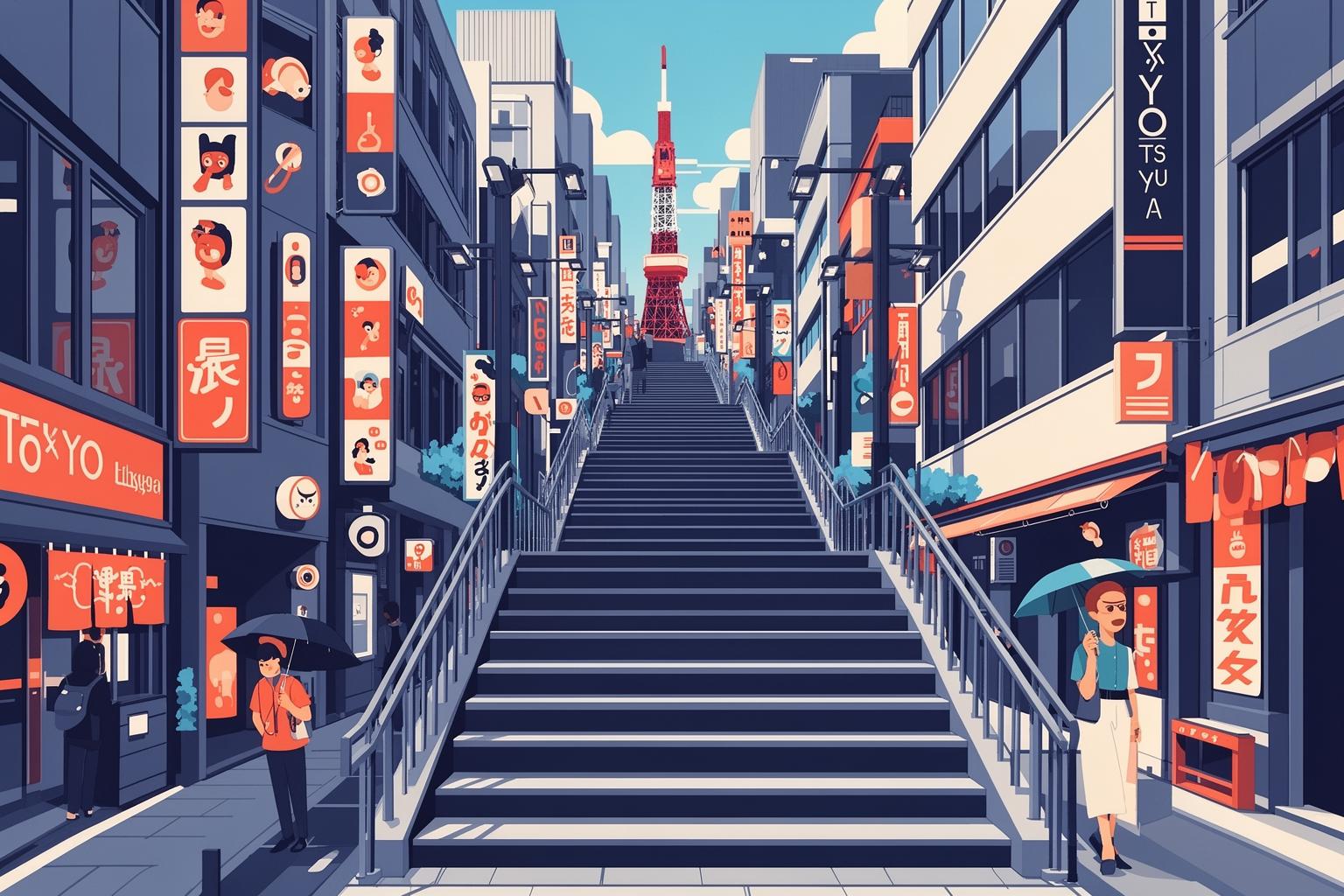
Our pilgrimage begins not with a grand monument but with a simple, quiet staircase in a residential neighborhood. This spot is the emotional heart of the film, the image forever etched in the memory of every fan. It’s here that Taki and Mitsuha, years after their memories have faded into a dream-like haze, finally reunite.
Suga Shrine Stairs: Where Worlds Collide
The journey itself is part of the experience. You’ll disembark at Yotsuya Station, a relatively peaceful stop compared to its bustling neighbors, and start a gentle ten-minute walk. The path serves as a transition—you leave the main roads behind and enter a maze of narrow streets, quiet apartment buildings, and occasional small shops. There’s a tangible sense of calm here, an authentic slice of Tokyo life away from tourist crowds. You might even question if you’re in the right place. Then, you round a corner, and there they are: the Suga Shrine stairs. The view is instantly recognizable, sparking a feeling of cinematic déjà vu. The bold red handrail contrasts strikingly with the concrete steps and the lush greenery surrounding the scene. The staircase is smaller and more intimate than it appears in the film’s dramatic wide shots, which only adds to its charm. Standing at the bottom looking up, or at the top looking down, you can almost hear the film’s score swelling. You can feel the desperate yearning, the years of longing culminating in that breathless question: “Kimi no namae wa?” or “What’s your name?”
To fully experience the magic, timing is crucial. Early mornings offer a soft, golden light and, importantly, solitude. You can stand there and soak in the atmosphere without crowds. Late afternoon, as the sun begins to set, also beautifully mirrors the lighting from the film’s final scene. This is a place of reverence for fans, so it’s essential to be respectful. People live here. This is part of their daily route to and from home. Keep your voice low, be considerate of residents, and avoid blocking the stairs for long periods. The shrine at the top, Suga Jinja, is a peaceful, lovely spot worth visiting. Pay your respects, enjoy the tranquility, and reflect on the journey that brought you to this special place.
A Moment’s Respite: The Streets of Yotsuya
Before and after your visit to the stairs, take time to explore the surrounding neighborhood. The film features several scenes of Taki walking these same streets, consulting his phone while searching for Mitsuha. The sloping roads, distinctive guardrails, and residential architecture are all depicted with striking accuracy. As you stroll, you’re not just following a map; you’re retracing Taki’s steps, sensing his determination. The area around Yotsuya is an intriguing blend of old and new. Modern apartments sit beside weathered wooden houses, and small, family-run eateries hide away on side streets. It offers a glimpse of a quieter, everyday Tokyo, a sharp contrast to the neon-lit districts we’ll visit next. This contrast is key to the film’s story—the bustling city life of Taki versus Mitsuha’s traditional, slow-paced world. Walking through Yotsuya lets you feel that rhythm and understand the world Taki inhabited beyond the city’s frenetic energy.
Taki’s World: Shinjuku’s Urban Pulse
If Yotsuya represents the story’s heart, Shinjuku embodies its racing pulse. This is Taki’s home turf—a sprawling district filled with towering skyscrapers, endless shopping, and one of the world’s busiest train stations. The film uses Shinjuku to convey the scale and energy of Taki’s urban life, a stark contrast to Mitsuha’s mountains and lakes.
A Glimpse into Taki’s Life: Shinjuku Station and Its Surroundings
Shinjuku Station is more than just a transportation hub; it’s a city within a city. With over 200 exits and millions of passengers daily, it can be an overwhelming place. Yet, it remains an essential stop on any ‘Your Name’ pilgrimage. Several scenes showcase both the interior and exterior of the station, capturing the constant flow of people that defines Tokyo life. To experience it like a local, simply let yourself be carried by the tide of commuters. Look up at the intricate network of signs and train lines, just as Taki would on his daily journey. The South Exit provides an excellent view of the Shinjuku skyline and the iconic NTT Docomo Yoyogi Building, a landmark that features prominently in the film’s panoramic shots, its clock-tower-like top serving as a steadfast presence. Don’t hesitate to get a bit lost; it’s all part of the genuine Shinjuku experience. Just follow the signs to your desired exit, and eventually, you’ll find your way.
The Part-Time Job: Cafe La Bohème Shinjuku Gyoen
One of the most memorable and specific locations from the film is the stylish Italian restaurant where Taki works part-time and shares a date with his colleague, Okudera-senpai. This real place is Cafe La Bohème Shinjuku Gyoen. Located a short walk from the station, just across from the lush Shinjuku Gyoen National Garden, visiting this café feels like stepping into an anime cel. The interior is breathtaking, with soaring ceilings, massive arched windows that fill the space with light, and a dramatic, almost operatic decor. You’ll immediately recognize the main dining area and the open kitchen. For the best experience, try to reserve a table near the windows. The menu features classic Italian dishes, from pasta to pizza, making it an ideal spot for lunch or a relaxed dinner. It’s a popular establishment, so reservations are highly recommended, especially on weekends. Sitting here, it’s easy to imagine the conversations between Taki and Okudera-senpai, the clinking of glasses, and the lively buzz of a trendy Tokyo eatery. It’s a wonderful, immersive experience that bridges fiction and reality in the most delicious way.
The View from Above: Shinjuku’s Cityscapes
The breathtaking, sweeping views of Tokyo are a hallmark of Makoto Shinkai’s style. To glimpse the panorama Taki would have seen daily, visit the Tokyo Metropolitan Government Building. A short walk from Shinjuku Station’s west exit, this architectural marvel offers free observation decks on the 45th floor of both its North and South towers. The elevator ride alone is an experience, whisking you over 200 meters into the sky in under a minute. From the top, the view is spectacular. On a clear day, you can see the entire Kanto Plain, Mount Fuji rising in the distance, and the vast urban sprawl of Tokyo. You’ll also spot landmarks from the film, like the NTT Docomo Yoyogi Building and the dense cluster of skyscrapers in Shinjuku. The North Observatory remains open later into the night, offering a stunning view of the city transformed into a glittering sea of lights. It’s a moment to gain perspective, seeing the city not as a collection of streets and buildings but as one vast, interconnected organism—a perfect place to reflect on the film’s themes of distance and connection.
Crossroads of Fate: Shibuya and Beyond
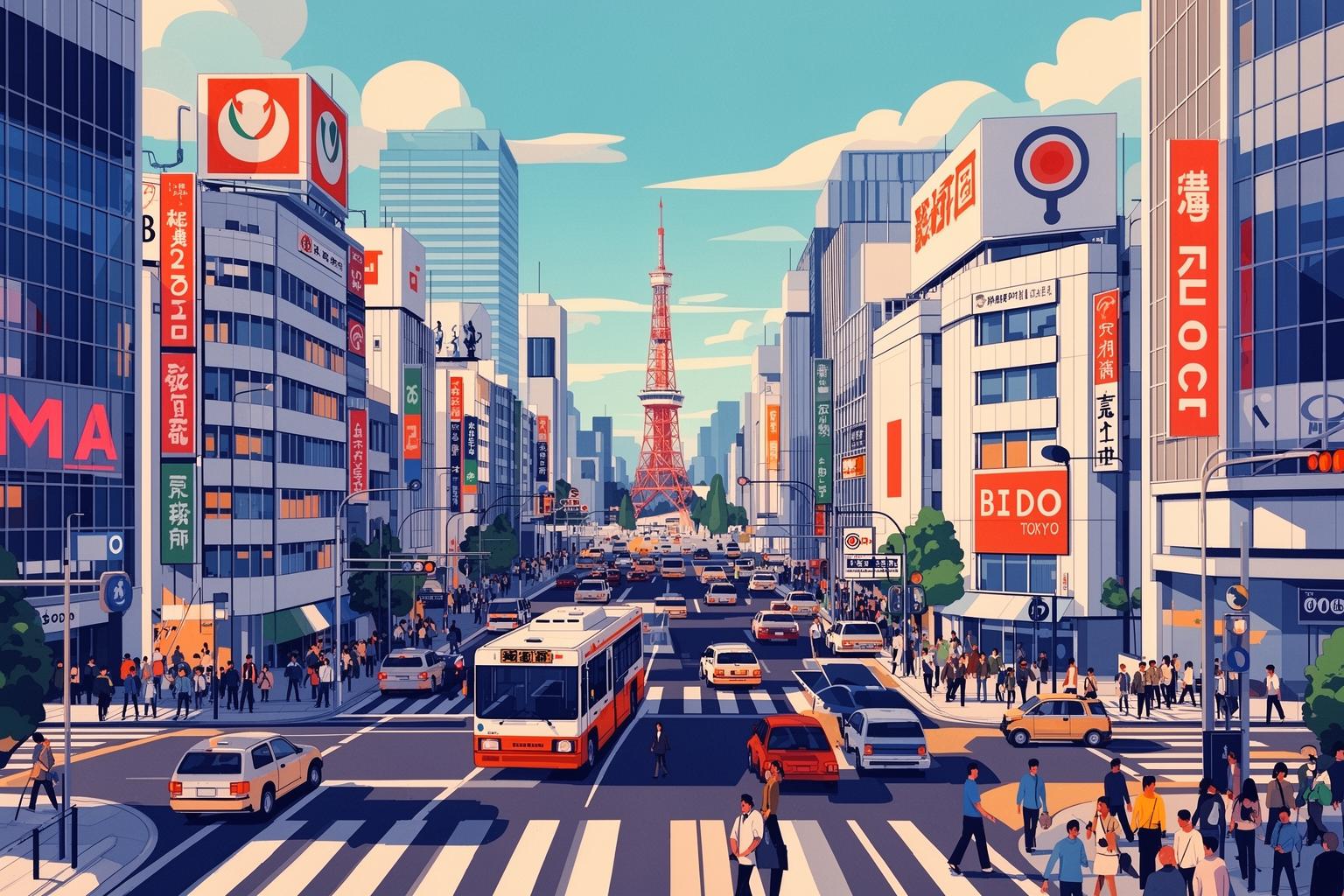
Our journey moves on to other significant Tokyo districts that serve as settings for crucial moments, highlighting the vastness of the city and the improbability of two individuals ever meeting by chance.
The Busiest Intersection: Shibuya Crossing
No portrayal of modern Tokyo is complete without the iconic Shibuya Scramble Crossing. In ‘Your Name’, it features in montages, symbolizing the relentless passage of time and the anonymous, bustling crowds that Taki navigates daily. Experiencing this spectacle is an essential Tokyo activity. Grab a spot at the large Starbucks on the second floor of the QFRONT building for a bird’s-eye perspective. Every two minutes, the traffic lights all turn red, and a flood of people streams into the intersection from five different directions. It’s organized chaos, a beautiful, mesmerizing urban dance. For fans of the film, watching this scene unfold offers a profound context for Taki and Mitsuha’s story. In a city where thousands cross this single intersection every few minutes, what are the odds that two particular souls, separated by time and space, could ever find one another? This makes their eventual reunion feel all the more extraordinary.
A Quiet Moment of Reflection: The National Art Center, Tokyo
In stark contrast to the frenetic energy of Shibuya and Shinjuku is the setting for Taki’s date with Okudera-senpai: The National Art Center, Tokyo, situated in the refined neighborhood of Roppongi. This location is recreated with remarkable accuracy. The building itself is a masterpiece, featuring a stunning, flowing glass facade designed by the legendary architect Kisho Kurokawa. Upon entering the sunlit atrium, you’ll be captivated by the sense of light and openness. The exact spot from the film is the Salon de Thé Rond, a stylish café perched atop a massive inverted concrete cone on the second floor. You can sit at one of the tables lining the circular balcony, order a coffee and cake, and enjoy the same view as the characters. It’s a moment of tranquility and elegance amid the pilgrimage. The art center hosts a variety of world-class exhibitions, so it’s worth checking what’s on during your visit. Even without an exhibition, the main atrium and its cafés remain freely accessible. This inclusion underscores the film’s depth—a place of culture and quiet reflection, revealing another side of Taki’s life and interests.
Weaving It All Together: A Pilgrim’s Practical Guide
Embarking on this ‘seichi junrei’ is a fulfilling adventure, and with a bit of planning, it can be a smooth and deeply meaningful journey.
Planning Your Route
The locations are scattered throughout central Tokyo, but all are easily reachable via the city’s top-notch public transportation system. A practical one-day itinerary might begin in Shinjuku in the morning. Explore the station, visit the Tokyo Metropolitan Government Building for breathtaking panoramic views, and then enjoy lunch at Cafe La Bohème. In the afternoon, take the train to Yotsuya for the emotional highlight at the Suga Shrine stairs. From there, you can conveniently ride the metro to Roppongi to visit The National Art Center and enjoy a peaceful coffee break. Finally, conclude your day in the evening at Shibuya, where the Scramble Crossing and its surrounding neon lights shine at their most vibrant. Using a Suica or Pasmo IC card is the easiest way to pay for fares; just tap in and out of the stations. Alternatively, a Tokyo Subway Ticket (valid for 24, 48, or 72 hours) can be more cost-effective if you plan multiple trips.
A Note on Etiquette: The Art of ‘Seichi Junrei’
It’s important to remember that this pilgrimage takes you through real, active places—not movie sets. The Suga Shrine stairs are located in a quiet residential neighborhood, and Cafe La Bohème is an operating restaurant. The key to a respectful pilgrimage is consideration. When taking photos, be quick and mindful of your surroundings. Avoid blocking paths or disturbing residents or customers. Keep your voice low, especially in residential areas. If you visit a cafe or shop featured in an anime, it’s considerate to make a purchase to show your support. This thoughtful behavior is part of the culture of ‘seichi junrei’ and helps ensure these locations remain welcoming to fans for years to come.
Beyond the Screen: Soaking in the Atmosphere
While the goal is to visit the locations from ‘Your Name’, the true magic is in absorbing their atmosphere. Don’t just rush from one photo spot to another. At each place, take a moment. Put your phone away and simply be present. In Shinjuku, feel the energy of the bustling crowds. In Yotsuya, listen to the quiet sounds of the neighborhood. At the art center, admire the architecture and the light. Let the real-world sensory details blend with your memories of the film. This journey offers a chance to connect with the story on a deeper, more personal level. Experiencing the city as Taki did allows you to gain a new appreciation for the world Shinkai created and the profound story he told.
The Lingering Magic of Musubi
Strolling through the streets of Tokyo following the footsteps of Taki and Mitsuha offers a completely new way to experience the city. It shifts from an overwhelming metropolis to a canvas of memories, serving as the setting for one of the most cherished animated films of our time. Every spot, from the busiest intersection to the simplest staircase, carries the deep emotional impact of the story. This journey is more than sightseeing; it’s a meaningful connection, a tangible embodiment of ‘musubi’. It’s the link that binds you, the viewer, to the characters, their narrative, and the remarkable city they call home. Long after you return, the memories of the red handrail, the skyscraper’s view, and the lively café will linger, intertwined with the enchantment of ‘Your Name’. You will have witnessed Tokyo not only through your own eyes but through the lens of the film, creating an experience that is truly unforgettable.