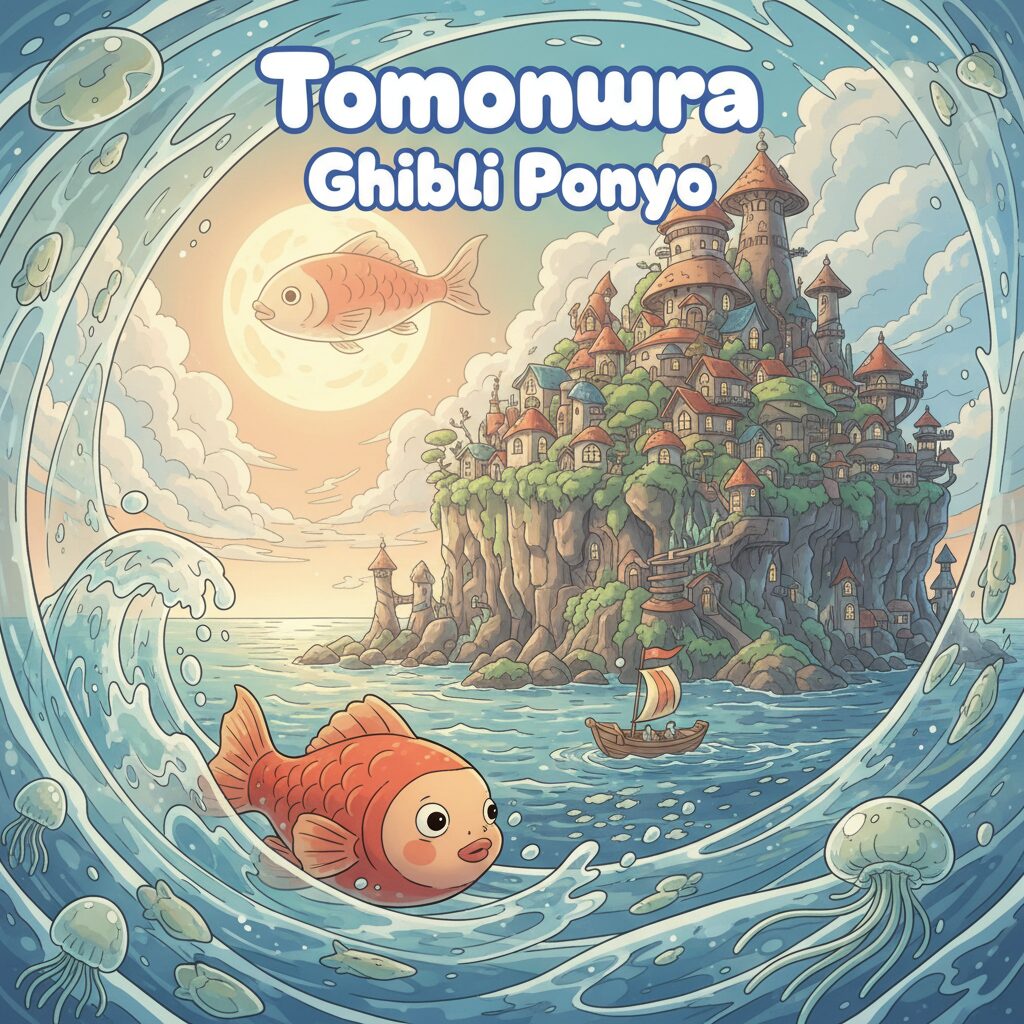
There’s a certain kind of magic that settles deep in your bones, a feeling of coming home to a place you’ve never been. It lives in the scent of saltwater carried on a gentle breeze, in the rhythmic lullaby of waves against ancient stone, and in the silhouette of a lone fishing boat against a pastel dawn. This is the magic of Tomonoura, a historic port town nestled along the shores of Japan’s Seto Inland Sea. It’s more than just a destination; it’s a living, breathing postcard from an era of samurai, merchants, and maritime legends. But for a new generation of travelers from across the globe, this town holds a different, more whimsical kind of enchantment. This is the place that captured the heart of legendary animator Hayao Miyazaki and became the soulful, sun-drenched backdrop for the Studio Ghibli masterpiece, Ponyo. To walk the narrow, winding streets of Tomonoura is to step directly into an animated world, to feel the creative energy that flows through its veins, and to discover a story much older and deeper than any film—a story told by the tides themselves.
Just as Tomonoura offers a pilgrimage into the world of Ponyo, you can also embark on a journey through the real-world locations of Your Name.
The Soul of a Ghibli Seascape
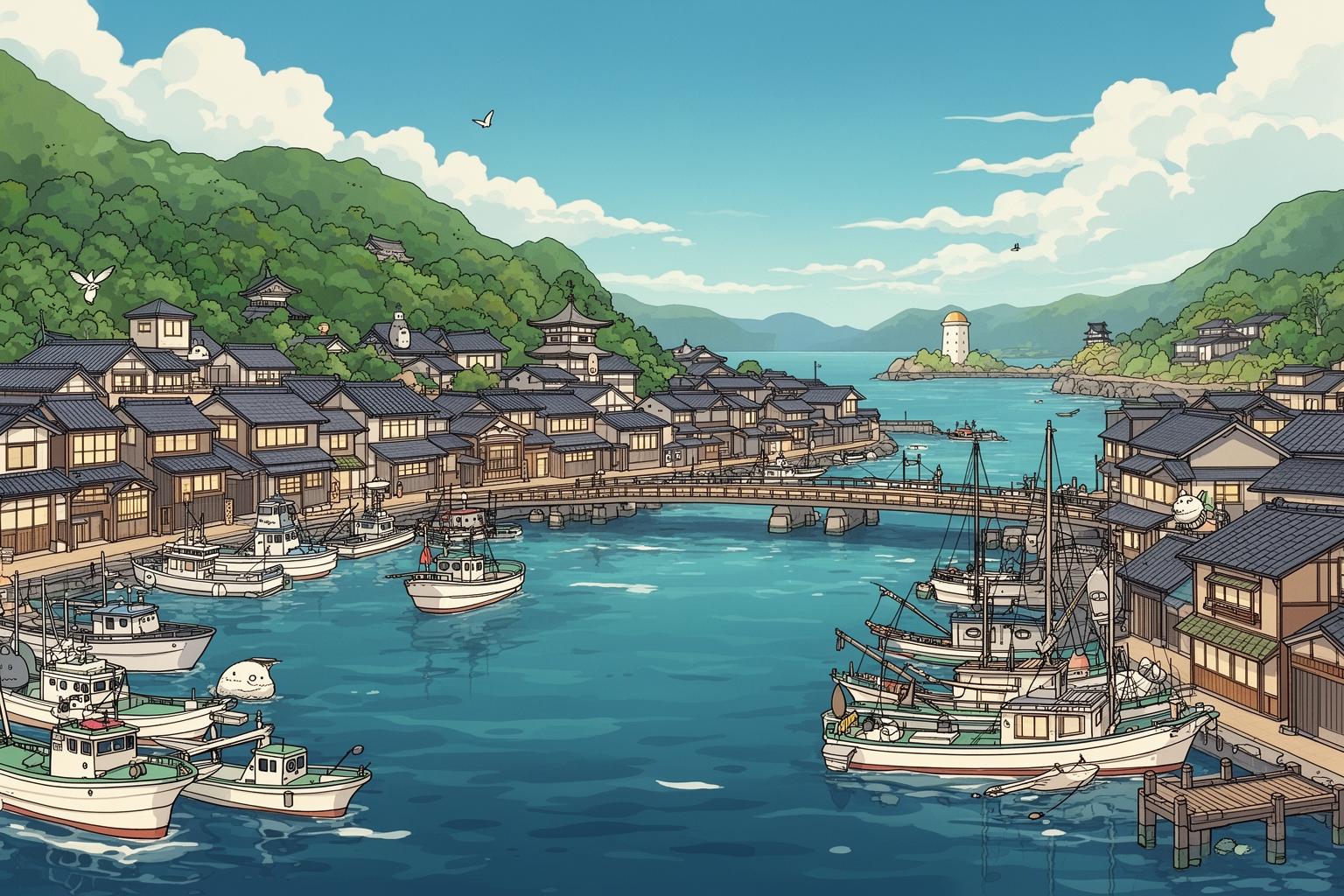
The moment you step foot here, the connection is unmistakable. It’s a sensation that seems to echo from the very stones of the harbor. The world of Ponyo isn’t merely inspired by Tomonoura; it’s a lovingly and meticulously crafted tribute to its spirit. You find yourself instinctively searching for a little girl with bright red hair running along the curved seawalls, her lively energy perfectly mirroring the town’s vibrant yet tranquil atmosphere. It’s a heartfelt pilgrimage where the boundary between animation and reality dissolves into a warm, sunlit haze, inviting you to become part of the scenery that ignited such extraordinary imagination.
Echoes of Ponyo on Every Wave
Your cinematic journey begins at the edge of the harbor. The most iconic landmark, the Joyato Lighthouse, stands as a silent, steadfast sentinel. This stone lantern, a symbol of the town for centuries, is instantly recognizable to any Ghibli admirer. It’s not just a landmark; it acts as a character itself, watching over the bobbing fishing boats and the daily rhythm of life. As the afternoon sun stretches long shadows, its rough silhouette softens, and you can almost hear the film’s magical score drifting across the sea breeze. Below it, the gangi—broad stone staircases—descend gently into the calm waters of the bay. These steps, smoothed by centuries of tides and footsteps, once served as docks before the era of modern piers. Here, you can imagine Sosuke, the film’s young protagonist, discovering a strange goldfish in a glass jar—a moment of pure, simple wonder that feels entirely plausible in this enchanting setting. Look upward from the water, and you’ll see the town itself: a quaint cluster of dark-tiled roofs and aged wooden houses clinging to the hillside, forming exactly the densely packed, maze-like village that Ponyo observes from the clifftops. The narrow alleyways winding between these homes beckon exploration, each turn revealing hidden shrines, snoozing cats, or bursts of colorful flowers spilling from window boxes.
Miyazaki’s Creative Sanctuary
What makes the connection between Tomonoura and Ponyo so deeply resonant is its authenticity. Hayao Miyazaki and his team of animators didn’t just make a brief stop for inspiration. They fully immersed themselves, renting a house overlooking the harbor for two months and becoming temporary inhabitants of this secluded community. They lived by the rhythm of the tides, sketching the shifting light on the water, observing the daily habits of local fishermen, and soaking in the town’s unhurried tempo. This profound, personal experience is woven through every frame of the film. The kindness of the townspeople, the strong sense of community, and the deep respect for nature aren’t just narrative elements; they mirror the reality of life in Tomonoura. You can sense this creative energy lingering in the air. As you sit by the harbor, watching ferries chug toward nearby islands, you realize Miyazaki found more than just a beautiful setting here; he discovered a sanctuary, a place where the pressures of modern life fade away, allowing imagination and wonder to thrive. It’s a feeling every visitor can share—a chance to unplug and connect with that same spirit of peaceful creativity.
A Voyage into Living History
While the Ghibli connection strongly attracts visitors, viewing Tomonoura solely through the anime lens overlooks the deeper, richer history embedded in its very roots. This town played a crucial role in some of the most dramatic episodes in Japanese history, with its prosperity and preservation owed entirely to the powerful, predictable forces of the sea. Long before inspiring animators, it served as a vital hub for sailors, merchants, and even rogue samurai, making it one of the most captivating historical ports in the country. Strolling through its streets feels like wandering through a living museum, where every building and stone holds a story.
The Port That Waits for the Tide
Tomonoura’s unique historical importance stems from its role as a shiomachi no minato, or “tide-waiting port.” In the age of sail, navigating the challenging currents of the Seto Inland Sea was a formidable task. Tomonoura was ideally located where eastward and westward tides converged. Ships traveling either way had to dock here and sometimes wait days for the currents to shift favorably. This natural phenomenon transformed the town into a bustling, essential stopover. During the Edo period (1603-1868), the harbor thrived as a melting pot filled with cargo ships, feudal lords’ vessels, and envoys from as far as Korea. The town prospered, with a wealthy merchant class constructing magnificent homes and storehouses—the very same buildings lining the streets today. With the arrival of steamships in the Meiji era, tide-waiting became obsolete, and as larger, more modern ports arose elsewhere, Tomonoura was quietly left behind by industrial progress. This fortunate circumstance preserved its historic townscape perfectly, sparing it from the concrete and steel that transformed much of Japan.
Footsteps of Samurai and Merchants
The legacy of this flourishing era is evident everywhere. A visit to the Ota Residence provides a fascinating look into the life of a wealthy merchant family who built their fortune brewing Homeishu, a medicinal liqueur still popular locally. Slipping off your shoes and stepping onto cool, dark wooden floors transports you back in time. You can explore the intricate layout of rooms, admire family treasures, and appreciate the elegant architecture designed for both business and comfort. Just a short walk away, the Irohamaru Museum adds samurai drama to the town’s history. It is dedicated to the story of Sakamoto Ryoma, a visionary samurai and pivotal figure in the shogunate’s overthrow. In 1867, the steamship he leased, the Irohamaru, collided with a rival clan’s vessel and sank just off Tomonoura’s coast. The tense negotiations that followed took place right here in town. Housed in a well-preserved Edo-period warehouse, the museum showcases artifacts recovered from the wreck and recounts this crucial episode in Japanese history. These sites are more than exhibits; they are immersive experiences connecting visitors to centuries of human drama that have unfolded in this seemingly peaceful port.
Savoring the Slow Rhythm of Tomonoura
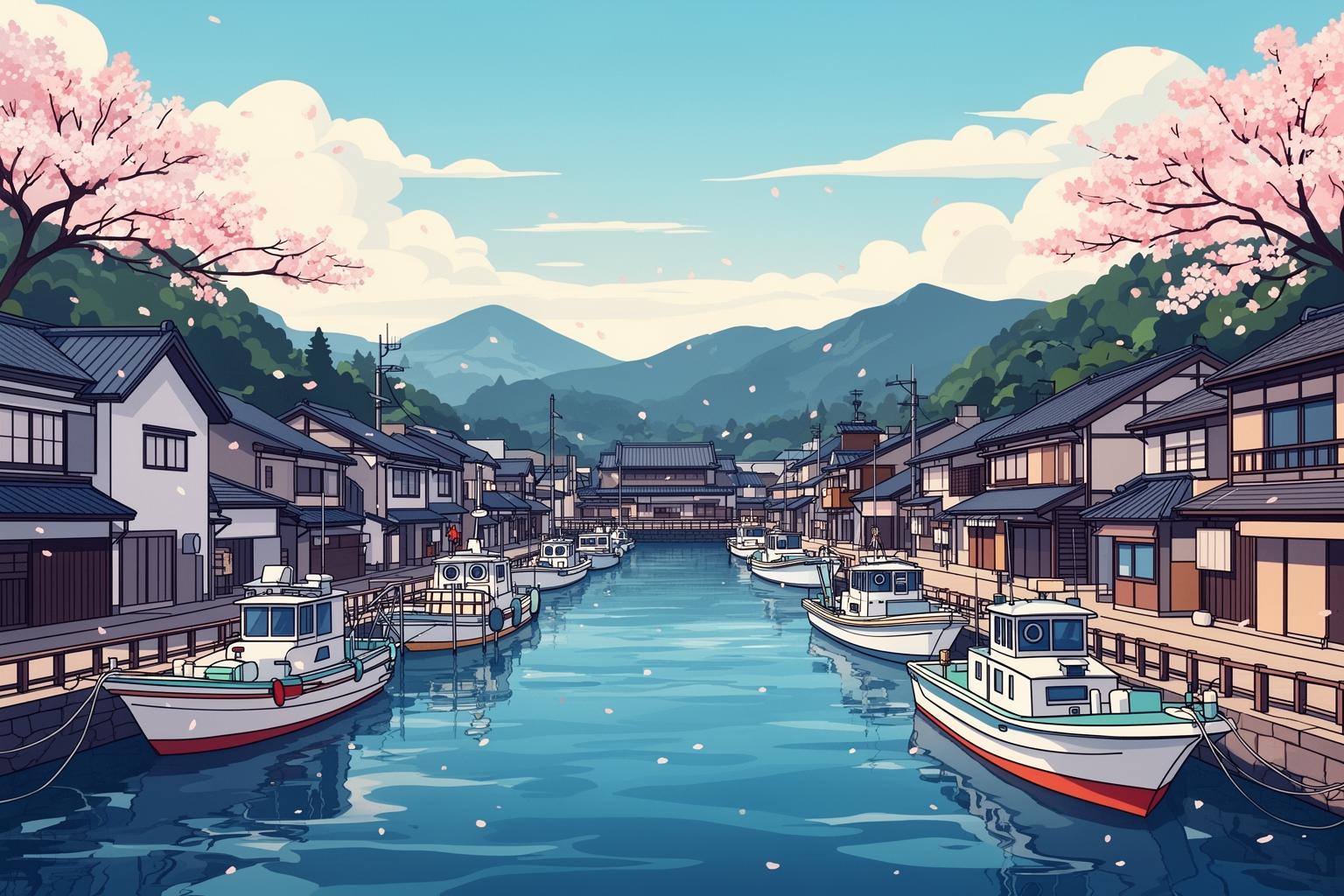
To truly grasp the essence of this special place, you must do more than simply take in the sights; you need to embrace its gentle, unhurried rhythm. Life in Tomonoura is shaped by the sea, the changing seasons, and a profound appreciation for simple pleasures. This town invites you to slow down, engage your senses, and uncover the quiet beauty found in the smallest details. From its exquisite local dishes to its stunning views, Tomonoura offers a feast for the soul—a rejuvenating experience that stays with you long after you leave its shores.
A Culinary Harbor
The richness of the Seto Inland Sea lies at the heart of Tomonoura’s culinary offerings. The town is especially renowned for its sea bream, or tai. Spring heralds the start of the fishing season with a vibrant traditional festival, and throughout the year, you can savor this prized fish in local eateries, whether as delicate sashimi, simply grilled with salt, or cooked with rice in the beloved local dish known as tai-meshi. Beyond the seafood, no trip is complete without tasting Homeishu. This distinctive herbal liqueur, with a heritage spanning more than 350 years, is crafted from 16 medicinal herbs. Its complex flavor combines sweet and bitter notes and is thought to promote longevity. Historic shops that have been producing Homeishu for generations offer tastings that provide a tangible connection to the town’s past. For a more contemporary treat, seek out one of the cozy cafes hidden in alleyways or perched by the harbor. There’s no greater delight than sipping freshly brewed coffee while watching ferries glide across the water, as the town’s rhythm envelops you like a warm blanket.
Panoramas and Island Escapes
To fully appreciate Tomonoura’s beauty, you must see it from above. A short, steep climb up a stone staircase leads to Fukuzenji Temple, a peaceful Buddhist sanctuary. Within its grounds lies the Taichoro reception hall, a stunning wooden pavilion that an 18th-century Korean envoy described as offering “the most beautiful view in all of Japan.” From the wide, open-air room, you are greeted by a living masterpiece. The wooden frames act as a natural picture frame, showcasing a breathtaking panorama of the harbor, the Joyato lighthouse, and the lush, green islands of Bentenjima and Sensuijima floating in the turquoise sea. The view shifts constantly with the light—from the misty blues of morning to the fiery oranges of sunset—and it is truly unmissable.
Crossing the Water to Sensuijima Island
When you’re ready for a new perspective, a short and pleasant five-minute ferry ride takes you from the historic harbor to Sensuijima Island, a protected area within Setonaikai National Park. Stepping onto the island feels like entering a different world. The sounds of the town fade, replaced by rustling leaves and bird calls. The island is a paradise for nature lovers, crisscrossed by hiking trails that wind through pristine forests and offer stunning views back toward the mainland. Among the island’s unique sights is Goshiki-iwa, or “five-colored rocks,” a coastal stretch where volcanic stones display vibrant bands of red, blue, yellow, white, and black. It’s a geological marvel and a serene place for contemplation. Visiting Sensuijima perfectly complements exploring the town’s history, giving you the chance to connect with the raw, natural beauty that has shaped this region for thousands of years.
Your Guide to a Timeless Port
Planning a trip to a place as unique as Tomonoura calls for some thoughtful preparation to truly appreciate its charm. Though it feels like a world apart, it is remarkably easy to reach. Knowing the best way to get there, the ideal season to visit, and a few insider tips will help ensure your journey is as smooth and rewarding as the tranquil waters of its harbor. This is a destination that invites slow travel, so allow yourself the luxury of time to wander, explore, and simply be present.
Charting Your Course to the Coast
The most common way to reach Tomonoura starts at Fukuyama Station, a major stop on the Sanyo Shinkansen (bullet train) line. This makes it conveniently accessible from key cities such as Hiroshima, Osaka, and Kyoto. From Fukuyama Station, the last part of the trip is a pleasant 30-minute bus ride. As the bus leaves the city behind, you’ll see the landscape slowly shift, with views of the sea emerging and buildings becoming older and more traditional. This gradual change is part of the charm, building anticipation as you approach the historic port. If you’re exploring the region by car, parking is available on the outskirts of the main historic district. However, the best advice is to leave your car parked and explore on foot. Tomonoura’s real magic is found in its narrow, pedestrian-friendly alleys, which are a delight to discover by walking.
Finding the Perfect Tidal Moment
Tomonoura enchants visitors throughout the year, but spring and autumn shine brightest. In spring, cherry blossoms frame ancient temples and shrines, adding a fleeting beauty to the timeless landscape. The weather is mild, perfect for leisurely strolls. Autumn brings crisp air, clear blue skies, and pleasant temperatures, with hillsides often adorned in autumn colors. Summer is lively and festive due to local celebrations, but it can be hot and humid, so plan accordingly. Winter offers a quiet, serene atmosphere. Misty mornings and bare tree branches create a poetic mood, ideal for photographers and those seeking solitude. Regardless of when you visit, try to experience both sunrise and sunset over the harbor. The light during these golden hours is breathtaking and will leave a lasting impression.
Tips from a Local Navigator
To enjoy your visit fully, keep a few essentials in mind. First, wear comfortable walking shoes. The town is a maze of stone steps, cobblestone streets, and sloping lanes, and you’ll want to explore every corner with ease. While credit cards are increasingly accepted, many small family-run inns, shops, and restaurants still prefer cash, so it’s wise to carry enough yen. Most importantly, embrace the joy of getting a little lost. Put the map aside at times and let your curiosity lead you. The most memorable discoveries—a hidden temple, a friendly artisan’s workshop, or a perfect, unexpected view—often come when least expected. A simple “Konnichiwa” to locals you pass will often be met with a warm smile and can open the door to genuine, authentic encounters.
A Harbor for the Heart
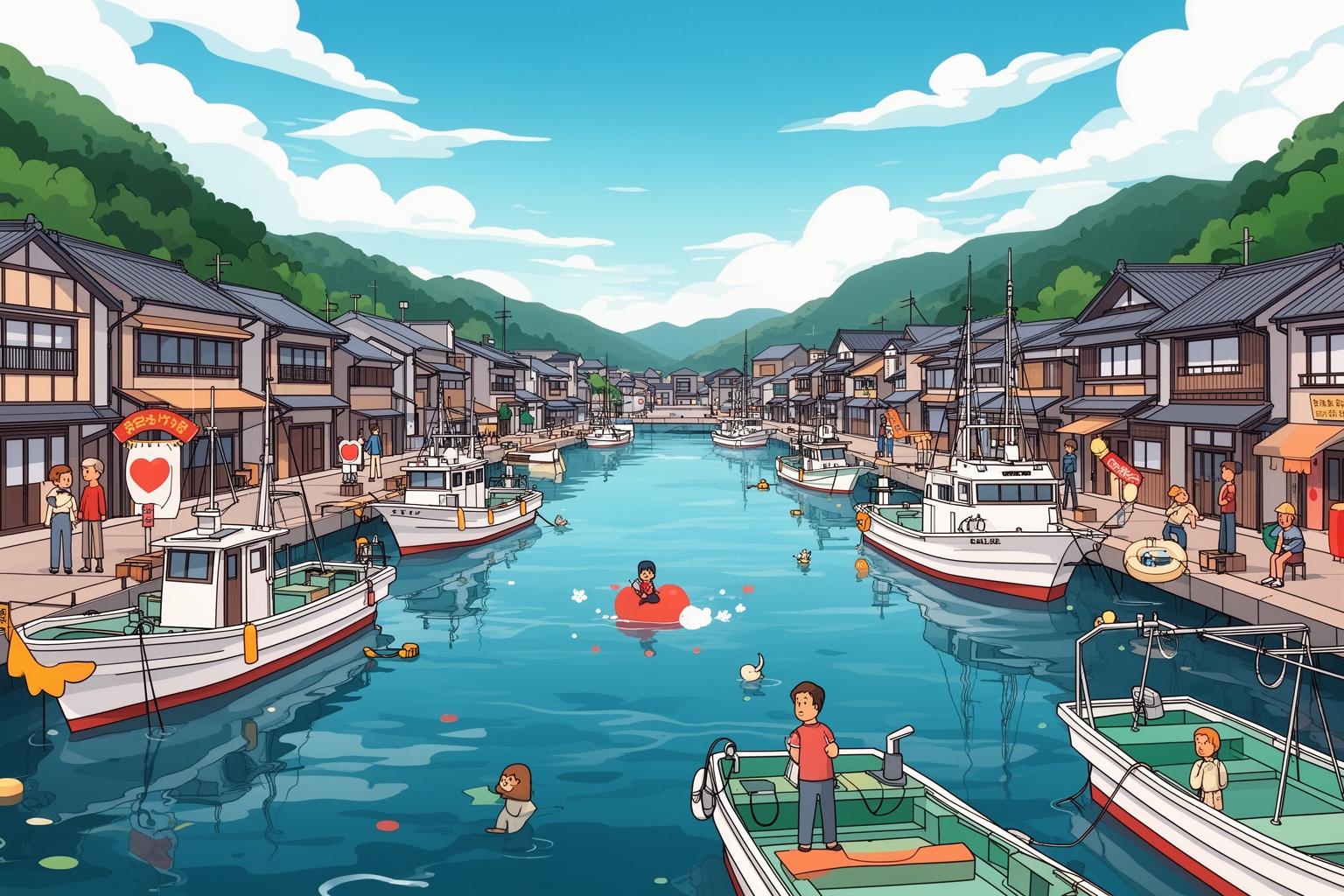
Tomonoura is a rare and treasured place. It is a town where the enchanting world of a beloved animated film blends effortlessly with a rich and dramatic history. It’s a harbor that once sheltered weary sailors waiting for the tides and now welcomes travelers seeking respite from the relentless pace of modern life. It serves as both a pilgrimage site for art lovers and a sanctuary for history enthusiasts. Yet beyond all these descriptions, Tomonoura is simply a feeling. It’s the calm that settles over you as you watch the sun sink below the horizon, painting the sky with shades of orange and purple. It’s the sense of connection to the generations who have lived and worked along this beautiful sea. It’s a port of call not only for ships but for the human heart, a place that reminds you of the quiet, enduring beauty in the world, waiting to be discovered.