
There are stories that feel like they belong to a different world, ethereal and untouchable, woven from light and sound. And then there are stories that, despite their fantastical premises, feel so deeply rooted in our own reality that they leave an indelible mark on the places they depict. Makoto Shinkai’s masterpiece, Your Name (Kimi no Na wa), is one such story. It captured the world’s imagination not just with its breathtaking animation and heart-wrenching tale of two souls bound by fate, but with its stunningly realistic portrayal of Japan. The film’s landscapes, particularly the bustling, vibrant streets of Tokyo, became characters in their own right. For Taki Tachibana, Tokyo was home—a sprawling metropolis of endless train lines, towering skyscrapers, and quiet neighborhood corners. For Mitsuha Miyamizu, it was a dream, a symbol of a life she yearned for, a world away from her tranquil mountain town of Itomori. When their lives mysteriously intertwine, these two worlds collide, and the very real locations of Tokyo become the stage for their incredible journey. This has given rise to a modern form of pilgrimage, or seichi junrei, where fans from across the globe travel to Japan to walk in the footsteps of their favorite characters, to stand in the very spots where cinematic magic was made. It’s a journey that transcends simple sightseeing; it’s an attempt to feel the story, to bridge the gap between fiction and reality, and to find a piece of that narrative magic in the tangible world. This guide is your invitation to that journey. It’s a map not just of locations, but of emotions, designed to help you rediscover the powerful story of Taki and Mitsuha on the living, breathing streets of Tokyo.
To fully immerse yourself in this modern pilgrimage, consider exploring the electric heart of Shinjuku, a district that pulses with the same vibrant energy captured in the film.
The Heart of the Film: Yotsuya and the Iconic Red Staircase
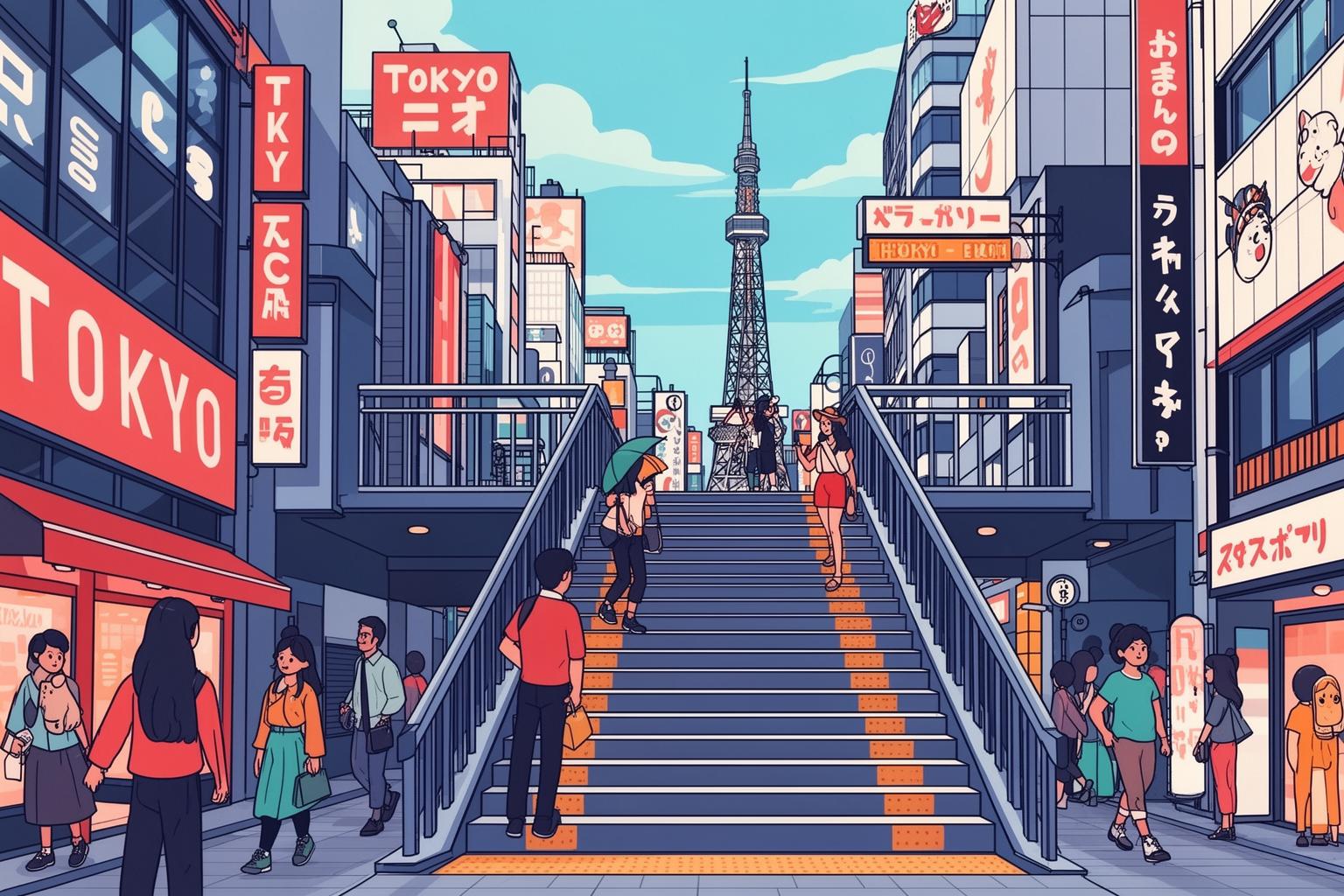
Every great story features a defining moment, a single image that captures its entire emotional essence. For Your Name, that image is unmistakably the red-railed staircase where Taki and Mitsuha, years after their connection blurred into a dream, finally reunite. This scene represents the emotional climax of the film, overflowing with relief, recognition, and the tentative hope of a fresh start. The real-world setting of this crucial encounter is a quiet, modest stairway leading up to Suga Shrine in the residential neighborhood of Yotsuya, part of Shinjuku Ward. Stepping into this area is like stepping away from the frenetic energy of central Tokyo and entering a peaceful pocket of everyday life. It’s worlds apart from the neon brilliance of Shinjuku or the bustling scramble crossing of Shibuya—exactly why it fits so perfectly for the film’s finale. It’s a real place for a genuine connection, free from the city’s relentless noise.
Finding the Suga Shrine Steps
Reaching the Suga Shrine stairs is a journey in itself. The closest stations are Yotsuya Station, served by the JR Chuo and Sobu Lines as well as the Tokyo Metro Marunouchi and Namboku Lines, or Yotsuya-sanchome Station on the Marunouchi Line. From either station, it’s a leisurely ten- to fifteen-minute walk through quiet streets lined with small apartment buildings, local shops, and the occasional softly humming vending machine. There are no grand signs guiding the way, no tourist traps along the route. You must rely on a map, and as you draw near, a sense of anticipation grows. You turn a corner, and suddenly, there it is. The view is unmistakable: the gentle curve of the road, buildings framing the sky, and the iconic red handrails running down both sides of the concrete stairs. Seeing it for the first time triggers a surreal rush for any fan of the film. It’s smaller and more intimate than the sweeping cinematic shots suggest, but that only adds to its charm. It feels personal. Standing at the top and looking down, you can almost hear Taki’s heart pounding wildly. At the bottom, looking up, you can sense Mitsuha’s hesitation and hope. This is the magic of seichi junrei—the location itself becomes a conduit for the story’s emotions. For the best experience, aim to visit on a weekday morning. The light is soft and beautiful, perfect for photography, and you’ll likely share the space with just a few other pilgrims and local residents going about their day. This allows for a moment of quiet reflection, to fully absorb the atmosphere without the distraction of crowds. Remember, this is a residential neighborhood. The most important advice is to be respectful. Keep your voice low, don’t block the stairs for locals, and resist the urge to shout “What’s your name?” across the steps, no matter how tempting. The beauty of this spot lies in its peaceful authenticity, something that must be preserved.
The Neighborhood’s Quiet Charm
While the staircase is the main attraction, the surrounding Yotsuya area is also worth exploring. Don’t just snap your photo and leave. Take time to walk up the stairs and visit the Suga Shrine itself. It’s a charming local Shinto shrine—peaceful and understated. It provides a moment of tranquility and a glimpse into the spiritual life of the community beyond the frame of the film. Praying for your own fateful encounter here might feel especially fitting. Exploring the winding streets around the shrine reveals the character of this part of Tokyo. It’s a district that balances its proximity to bustling Shinjuku with a decidedly more relaxed, local atmosphere. You’ll find traditional Japanese houses nestled beside modern apartments, tiny noodle shops that have stood for decades, and small parks where children play. This contrast is a recurring theme in Makoto Shinkai’s work and in Your Name itself—the tension between modern and traditional, urban and rural. Yotsuya embodies a harmonious blend of both. It feels like a place where Taki could realistically have lived, a part of the city connected to everything yet offering a quiet retreat. Exploring Yotsuya after visiting the stairs grounds the cinematic experience, reminding you that this epic tale of cosmic love takes place in a world that is very much real, filled with ordinary people living ordinary lives.
Taki’s World: The Urban Pulse of Shinjuku
If Yotsuya embodies the quiet, emotional core of the story’s conclusion, then Shinjuku serves as its vibrant, pulsing heartbeat. This is the Tokyo Mitsuha imagined—a dazzling world filled with towering skyscrapers, crowds of people, and endless possibilities. It is Taki’s natural environment, the stage for his everyday life as a high school student balancing school, friends, and a part-time job. The film skillfully captures the overwhelming scale and electric energy of Shinjuku, and visiting these spots immerses you directly in the fast-paced rhythm of Taki’s world.
The Shinjuku Pedestrian Bridge
One of the film’s most visually compelling motifs is the network of intersecting roads and pedestrian overpasses, symbolizing the crossed paths and near encounters of the two protagonists. A key landmark is the pedestrian bridge near the Shinjuku Police Station, a distinctive circular junction of walkways. In the film’s montage scenes, this location conveys the impersonal, anonymous flow of the city, where thousands pass one another every day, unaware of the profound connections that might lie between them. Finding this bridge is straightforward. From the expansive Shinjuku Station, head toward the west exit, moving into the skyscraper district known as Nishi-Shinjuku. The bridge lies directly in front of the uniquely designed Shinjuku Police Station building. Standing on this overpass, you are enveloped by the city’s symphony. Below, cars and buses stream in a constant flow of light. Around you, salarymen and students stride with purpose. Above, the iconic Tokyo Metropolitan Government Building and other corporate towers reach skyward. It feels incredibly cinematic, especially at night when the city illuminates and the scene transforms into a river of red and white taillights. It’s a place that evokes a sense of both smallness and deep connection to the vast, living entity that is Tokyo. It’s the perfect spot to ponder the film’s themes of fate and chance—how, in a city of millions, two people might be destined to meet.
Lunch with a View: The National Art Center, Tokyo
One of the most memorable moments in Taki’s life is his date with his stylish older coworker, Miki Okudera. The sleek, modern café where they have lunch is a real location: the Salon de Thé ROND, inside The National Art Center, Tokyo. Although the center is technically in Roppongi, not Shinjuku, the film situates it within Taki’s world, perfectly symbolizing the sophisticated, adult life he is beginning to navigate. The building itself, designed by the legendary architect Kisho Kurokawa, is a masterpiece. Its vast, undulating glass façade is breathtaking. Inside, the main atrium is a spacious, light-filled area, and suspended within are two enormous inverted concrete cones. The Salon de Thé ROND sits atop the second cone, offering a unique and unforgettable dining experience. To visit, take a short subway ride to Nogizaka Station on the Tokyo Metro Chiyoda Line, which provides direct access to the art center. Fortunately for visitors, you don’t need to buy an exhibition ticket to enter the atrium or visit the café and gift shops. Ascending the escalator to the café, the view of the atrium and Kurokawa’s architectural vision is spectacular. The café serves cakes, tea, and light meals. Though the menu is simple, the ambiance is anything but. Sitting there, you can easily imagine the slightly awkward but charming conversation between Taki and Okudera-senpai. It’s a moment of calm and elegance amid the urban sprawl, where art, architecture, and daily life intersect beautifully. Visiting the art center is highly recommended, as it houses world-class exhibitions and enriches your understanding of the location as a cultural hub, not just a film setting.
A Moment of Reflection
The contrast between the sleek modernism of The National Art Center and the traditional, serene atmosphere of Suga Shrine is striking. It speaks volumes about the two worlds portrayed in the film. Mitsuha’s life is rooted in tradition, ritual, and nature. Taki’s is shaped by concrete, glass, and the relentless forward momentum of the modern city. The date scene at the art center underscores this contrast. It epitomizes the urban sophistication Mitsuha yearns for. Yet, during the date, Taki’s thoughts drift back to Itomori, a place he knows only through Mitsuha’s perspective. This setting becomes a catalyst, a space where his two realities begin to merge. It demonstrates that even in the most contemporary environments, the pull of a deeper, more ancient connection—the musubi, or intertwining threads of fate—is unavoidable. This thoughtful use of architecture and space is a hallmark of Shinkai’s storytelling, and experiencing it firsthand deepens one’s appreciation for the film’s artistry.
Echoes of Connection: Other Noteworthy Spots
Beyond the major set pieces of Yotsuya and Shinjuku, the film is dotted with glimpses of other real Tokyo locations, each contributing to the rich tapestry of the city and Taki’s life. Although these spots receive less screen time, they are just as rewarding for the dedicated pilgrim, offering deeper insight into the world of Your Name.
Shinjuku Gyoen National Garden
This stunning park makes a brief yet memorable appearance in the film, providing a lush, green contrast to the surrounding urban landscape. Shinjuku Gyoen is one of Tokyo’s largest and most beloved parks, an oasis of calm just a short walk from the bustle of Shinjuku Station. The garden is renowned for its distinct areas: a traditional Japanese landscape garden with serene ponds and bridges, a formal French garden, and a sprawling English landscape garden. In the film, it appears in a montage, representing a place of peace and natural beauty within the city. Visiting Shinjuku Gyoen offers a welcome break from a long day of pilgrimage. You can find a bench by the pond to relax and reflect on your journey. There is a small entrance fee, but it is well worth it for the immaculate grounds and tranquil atmosphere. The park is beautiful year-round, especially famous for its cherry blossoms in spring and vibrant foliage in autumn. It’s easy to picture Taki coming here to sketch or to clear his mind, a private green refuge amid the public gray of the city.
Yoyogi and the NTT Docomo Yoyogi Building
The Tokyo skyline is a striking visual element in Your Name, with one building standing out in particular: the NTT Docomo Yoyogi Building. Featuring a distinctive, clock-tower-like spire, it is one of the city’s most recognizable landmarks. Although it’s not accessible to the public (being an office building), its presence dominates many of the film’s cityscape shots, serving as a constant visual anchor that roots the story firmly in Tokyo. Its visibility from numerous areas across the city highlights the vastness of the metropolis that Taki calls home. Excellent views of the building can be enjoyed from Shinjuku Gyoen or from the free observation decks of the Tokyo Metropolitan Government Building. Seeing it in person, you gain an appreciation for how Shinkai incorporates real-world landmarks to create a sense of place that feels both authentic and artistically enhanced. The building acts as a silent witness to the unfolding drama, symbolizing the modern world navigated by Taki and Mitsuha.
A Pilgrim’s Practical Guide to Tokyo
Embarking on a seichi junrei for Your Name is an exhilarating adventure, and a bit of preparation can make the experience smoother and more enjoyable. Tokyo is a vast city, but its world-class public transportation system makes traveling between these iconic spots surprisingly easy.
Navigating the Metropolis
The secret to mastering Tokyo lies in its train and subway network. For visitors, a rechargeable IC card like Suica or Pasmo is invaluable. You can preload it with money and simply tap it at ticket gates, avoiding the need to buy individual tickets for each trip. Apps such as Google Maps or Japan Transit Planner (Jorudan) are essential for route planning. They provide real-time train schedules, platform information, and fare details, making even complex transfers manageable. A potential one-day itinerary could begin at Suga Shrine in Yotsuya in the morning to catch the best light and peaceful atmosphere. From there, it’s a short train ride or a longer, scenic walk to Shinjuku. Spend the afternoon exploring Shinjuku—the pedestrian bridge, the view of the Docomo building, and perhaps a stroll through Shinjuku Gyoen. As evening approaches, take the subway to Roppongi to visit The National Art Center, which often stays open later and looks stunning at sunset. This route follows a logical geographic and emotional progression through the film’s key Tokyo scenes.
Etiquette and Respect
When immersing yourself in the world of Your Name, it’s important to remember these are not theme park attractions but real locations embedded in the city’s fabric. The area around Suga Shrine is a quiet residential neighborhood, and its residents deserve peace and privacy. Be mindful of your noise levels, especially when traveling in groups. Avoid staying too long or blocking pathways for locals. Never trespass on private property for a better photo angle. Always carry out your trash. This respect is a core part of Japanese culture and the spirit of seichi junrei. The goal is to appreciate the site’s role in the story without disrupting the daily life that gives it authenticity. By being considerate, you help ensure these places remain welcoming to future visitors.
Capturing the Perfect Shot
For many, recreating the film’s iconic shots is a highlight of the pilgrimage. This can be a fun and creative way to engage with the locations. Pay attention to the angles and framing used by Shinkai. For the Suga Shrine stairs, a low-angle shot from the bottom looking up or a top-down perspective recreates the film’s most famous scenes. For the Shinjuku pedestrian bridge, try a long-exposure shot at night to capture car light trails. The soft, golden light of early morning or late afternoon—the “magic hour”—can give your photos a dreamy, Shinkai-inspired feel. Don’t focus solely on exact shots; capture neighborhood details, the city’s atmosphere, and your personal experience. Your photos will become a meaningful record of your journey, linking your story with the one told in the film.
Beyond the Frame: The Deeper Meaning of Pilgrimage
Exploring the real-world locations featured in Your Name is much more than a simple scavenger hunt. It offers a profound experience rooted in a long-standing cultural tradition. The practice of pilgrimage—traveling to a sacred place—has been part of Japanese culture for centuries. In modern times, this tradition has been embraced by fans of anime, manga, and films, giving rise to the phenomenon of seichi junrei. This contemporary pilgrimage is a pursuit of connection. In a world where so much of our storytelling engagement happens through screens, visiting the actual locations provides a powerful sense of tangibility. It bridges the gap between the fictional world and our reality. When you stand on the Suga Shrine stairs, you are not merely taking in a view; you are experiencing the weight of Taki and Mitsuha’s entire journey. The wind you feel is the very same wind they would have sensed. The city sounds are those that formed the soundtrack to their lives. This physical presence intensifies our emotional connection to the story. It allows us to be part of it, rather than just spectators. It underscores the film’s central theme of musubi—the idea that all things are connected. By visiting these sites, we weave our own thread into the beautiful, intricate tapestry of the narrative. It links us to the creators, the characters, and to thousands of other fans worldwide who have undertaken the same journey. It turns a personal passion for a film into a shared, communal experience—a testament to the enduring power of storytelling to shape how we perceive the world and our place in it.
Your journey through the Tokyo depicted in Your Name is ultimately a deeply personal one. It offers a chance to walk through a city that is both a vibrant, bustling metropolis and the backdrop of one of the most beloved animated films ever made. As you move from the tranquil lanes of Yotsuya to the neon-lit canyons of Shinjuku, you’re doing far more than ticking off locations. You’re seeing the city through the eyes of Taki and Mitsuha, sensing the contrast of their two worlds, and appreciating the incredible artistry that brought their story to life. Let the film guide you, but don’t hesitate to stray from the path, discover your own hidden corners, and create your own memories. The true magic of this pilgrimage lies in finding the extraordinary within the ordinary, just as Makoto Shinkai masterfully does. Tokyo is a city full of endless stories, and for a while, you become part of this one. So go ahead, chase that comet, find your connection, and maybe, when you round a certain staircase, you’ll discover what you’ve been searching for all along.