There’s a feeling, a faint and distant hum of memory for a place you’ve never been. For millions around the world, this phantom nostalgia resonates with the name Itomori, a town tied together by fate, tradition, and the glimmering threads of a comet’s tail. While Itomori itself is a beautiful fiction spun from the mind of Makoto Shinkai, its soul lives and breathes in the quiet, unassuming town of Hida-Furukawa, nestled deep within the mountainous embrace of Gifu Prefecture. This is more than a film location; it’s a portal. It’s the place where the animated world brushes against our own, where the familiar scenes from the beloved film ‘Your Name.’ (Kimi no Na wa.) materialize before your eyes. To walk the streets of Hida is to undertake a pilgrimage, a ‘seichi junrei,’ not just to see the sights from a movie, but to feel the very atmosphere that inspired its creation. It’s a journey into a landscape steeped in craftsmanship, preserved history, and a gentle rhythm of life that flows as steadily as the town’s famed canals. Here, the search for cinematic backdrops quickly transforms into a discovery of a place with a profound story of its own, a story written in dark-wood lattices, the crisp mountain air, and the warm smiles of its people. Prepare to find that the reality is even more magical than the dream.
Embracing this magical locale can inspire travelers to embark on a your name pilgrimage that deepens the experience of its cinematic charm.
The Echo of a Train Whistle: Hida-Furukawa Station
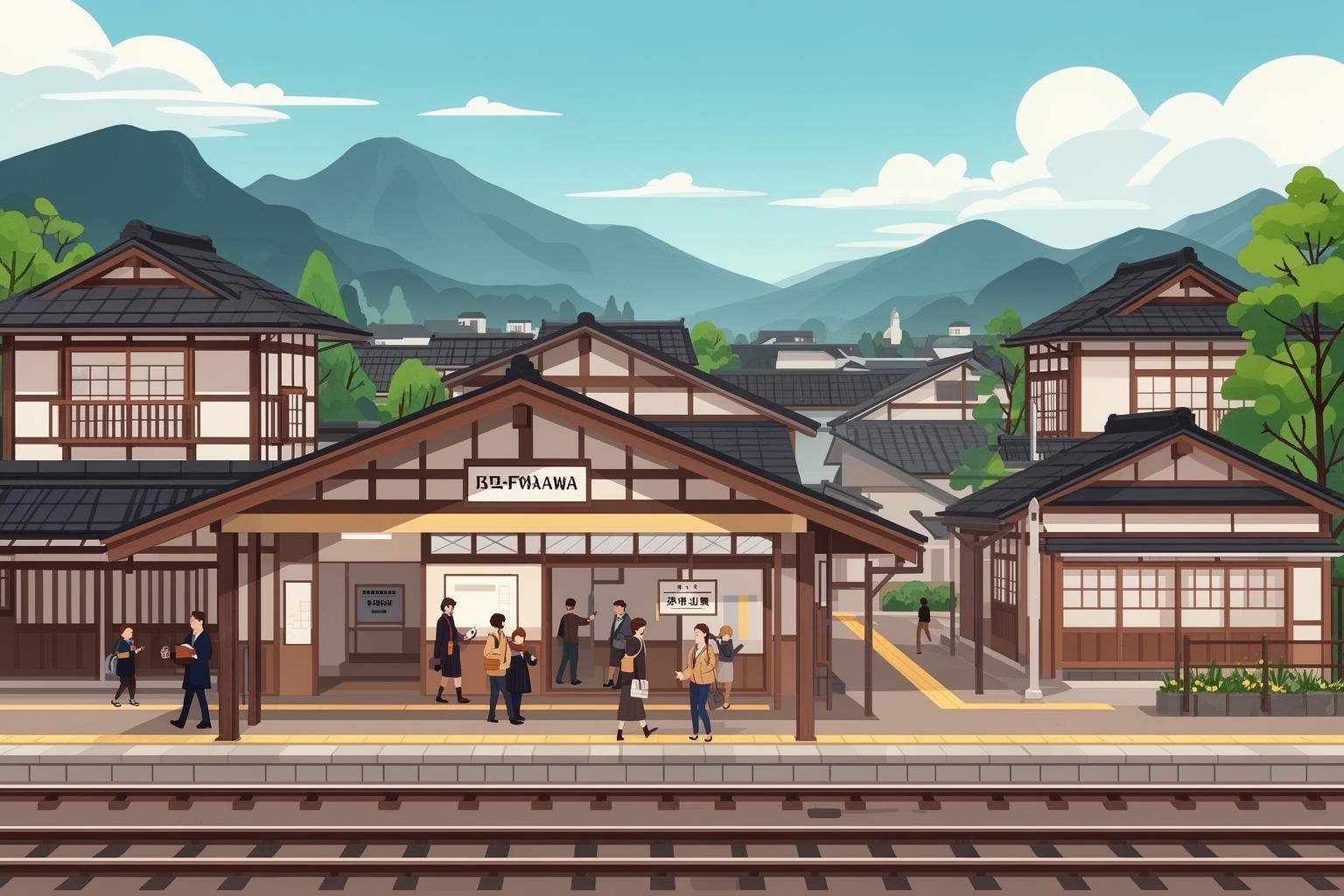
Your pilgrimage begins the moment you step off the train. The air here feels different—thinner, cleaner, infused with the scent of cedar and distant woodsmoke. Hida-Furukawa Station is more than just a point of arrival; it serves as the first and most powerful anchor to the film. It’s uncannily, perfectly the same. The wooden sign, the modest building, the sensation of being nestled within a valley. For many, the initial stop is the pedestrian overpass spanning the tracks. Ascending its steps, you experience a cinematic sense of purpose. Below, the Takayama Main Line’s tracks extend into the verdant distance, fading around a gentle curve. This is precisely where Taki and his friends stood, puzzling over the name of a town they knew only from sketches and a faint, lingering connection. You can almost hear their voices and the soft rumble of the local train arriving. Look closely at the platform below, and you might spot the Hida cow mascot, a charming local detail that anchors the animated scene in quirky, tangible reality. The station isn’t grand, but its authenticity is profound. It functions as a working station for a living town, with students in uniform chatting on the platform and elderly locals waiting patiently for their rides. Standing on that overpass, feeling the breeze flowing down from the mountains, you realize you haven’t just arrived at a place—you’ve stepped through the screen. Take a moment to simply watch. See the ‘Wide View Hida’ express train, with its large windows designed for sightseeing, glide into the station. Listen to the automated announcements softly echoing in the still air. This is where the barrier between two worlds feels at its thinnest, a perfect prelude to the magic waiting in the town beyond the ticket gates. The station promises what’s to come, stands as a testament to the meticulous detail that brought Itomori to life, and sets a tone of quiet reverence for the journey ahead.
A Stairway to the Stars: Keta Wakamiya Shrine
Leaving the station, you start to weave through the town’s tranquil streets, soon arriving at the base of a long, imposing flight of stone steps. They form a straight, determined path ascending a forested hill, flanked by towering cedar trees whose tops seem to scrape the sky. This is the real-world counterpart to the Miyamizu Shrine, the spiritual heart of Itomori. In reality, this is the path to Keta Wakamiya Shrine. The climb itself is a journey. Each step lifts you further from the gentle bustle of the town and deeper into a world of profound calm. The air cools, shaded by the dense canopy. The only sounds are your footsteps crunching, the wind whispering through the leaves, and the distant caw of a crow. This is the staircase where Mitsuha and Yotsuha performed their sacred duties, the path Taki climbed in his search for answers. As you ascend, you feel the weight of tradition, centuries of prayers and rituals infusing this place with quiet power. At the top, you pass through a stone torii gate, a formal entrance into the sacred space. The shrine itself is a humble, elegant wooden structure, its unpainted timber harmonizing with the surrounding nature. Though it lacks the dramatic cliffside setting of its cinematic version, it holds a deeper, more tangible sense of peace. This is a place of local worship, a cornerstone of the community’s spiritual life. You’ll find ema, small wooden plaques where visitors have written their wishes, and omikuji, paper fortunes tied to tree branches like white blossoms. Take a moment to offer a silent prayer or simply absorb the atmosphere. It’s here, in the quiet solitude of the shrine grounds, that you can truly appreciate the cultural roots of the film—the deep connection to Shinto beliefs, the reverence for nature, and the importance of community traditions. It’s a powerful reminder that the fantastical elements of ‘Your Name.’ are grounded in the very real, beautiful spiritual landscape of rural Japan. This isn’t just a photo spot; it’s an invitation to connect with the town’s enduring soul.
Where Stories Are Written: The Hida City Library
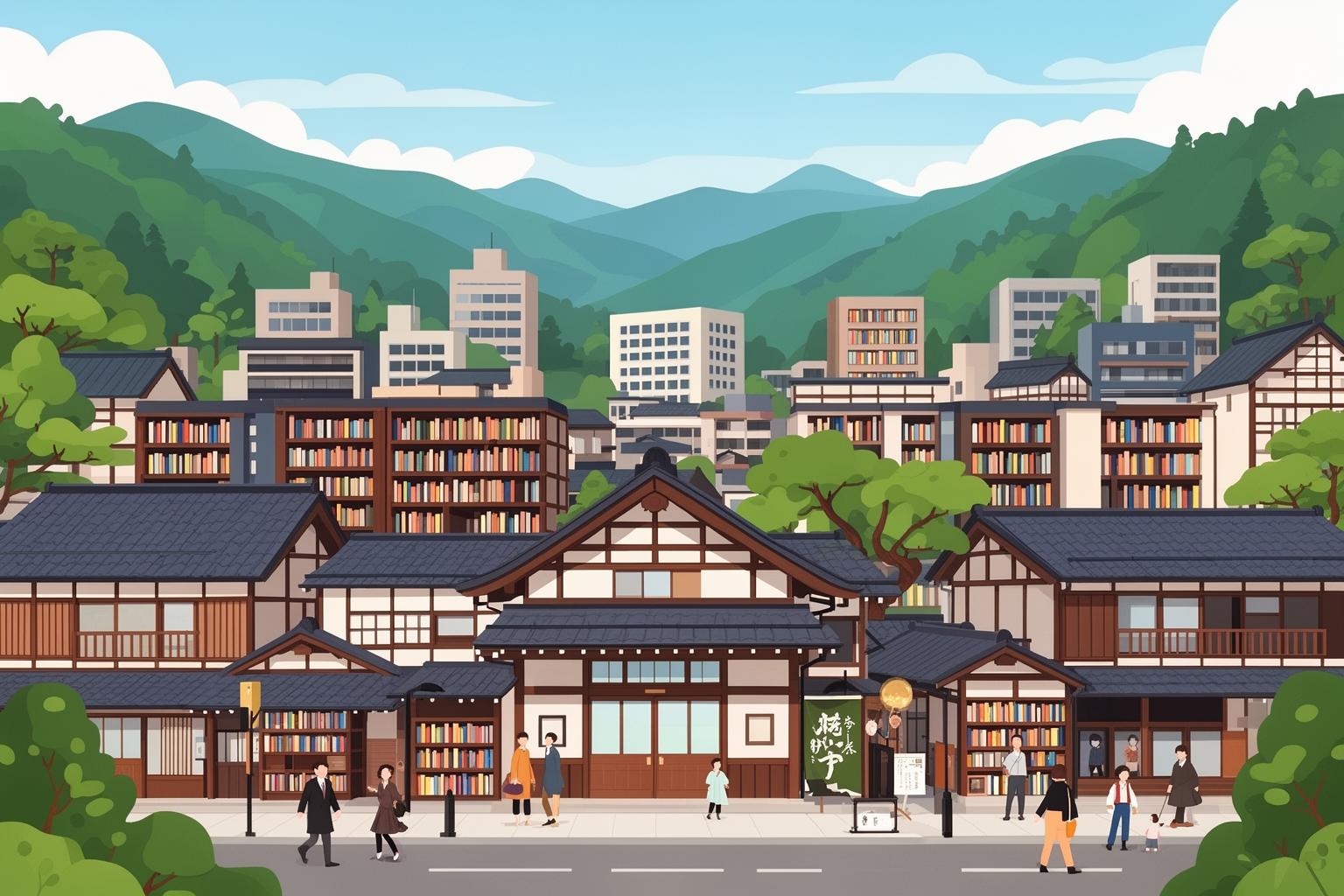
One of the most beautifully depicted locations in the film is the library where Taki diligently searches for information about Itomori’s past. In reality, the Hida City Library is even more breathtaking. It stands as a masterpiece of modern Japanese architecture, a striking blend of wood, glass, and light that honors Hida’s tradition of master carpenters. From the outside, its gentle curves and warm timber facade appear both modern and deeply connected to tradition. Stepping inside feels like entering a sanctuary of knowledge. The interior is a harmonious arrangement of exposed wooden beams and trusses, creating a spacious, open area that is both grand and inviting. Sunlight streams through large windows, illuminating the countless rows of books and casting a warm glow on the polished wooden floors. The scent of cedar and old paper permeates the air. This is precisely the spot where Taki sat, flipping through records, his desperation and hope vividly apparent. The tables and chairs, so faithfully recreated in the animation, are still present. Visitors may sit and read, but photography requires special permission from the front desk—a rule that emphasizes the library’s role as a functioning, respected public space rather than just a tourist attraction. This simple request for permission fosters respect and allows visitors to appreciate the library on its own terms. Sitting in one of those chairs, gazing up at the intricate wooden ceiling, one can sense the quiet, intellectual energy of the place. It is a space designed for contemplation and discovery. The library symbolizes the town’s pride in its heritage, both its ancient craftsmanship and its modern community. It perfectly blends old and new, much like the film itself, and spending an hour here, surrounded by stories, is a vital part of the Hida-Furukawa experience. It offers a quiet moment in the pilgrimage—a chance to pause and reflect on the power of stories, both those on the shelves and the one you are living now.
The Soul of the Town: Whispering Canals and Wooden Lattices
Beyond the specific landmarks featured in the film, the true charm of Hida-Furukawa lies in its beautifully preserved townscape. The town itself acts as the main protagonist, and to genuinely experience it, you must explore without a map, letting its gentle rhythm guide you. The atmosphere exudes timeless elegance—a place where history isn’t restricted to museums but is embedded in the very texture of the buildings and the flow of the water.
The Shirakabe Dozogai Street
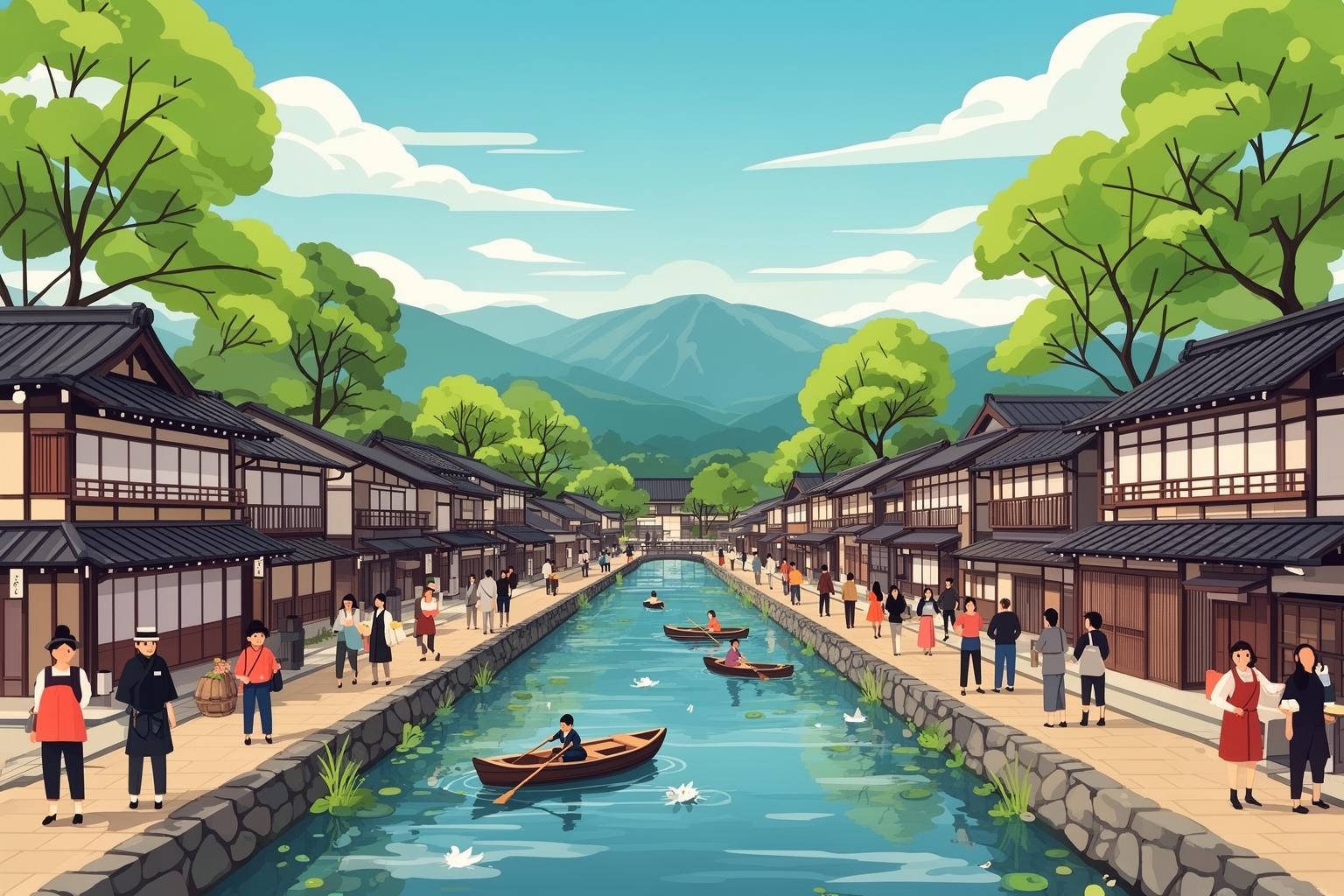
The most iconic spot is Shirakabe Dozogai, meaning the ‘white-walled storehouse street.’ Alongside the Seto River, a narrow canal barely wider than a stream, runs a charming lane. On one side, the brilliant white plaster walls of old kura (storehouses) rise, their dark grey tiles creating a striking contrast. Opposite them, traditional wooden merchant houses with distinctive ‘koshi’ lattices line the street. These lattices are not merely decorative; they were designed to let light and air in while maintaining privacy, a subtle architectural detail that reveals much about past culture. The nearly black wood of these buildings lends a sophisticated, cohesive aesthetic to the town. Walking down this street, especially in the soft morning or late afternoon light, feels like stepping back into the Edo period. The only sounds are the gentle murmur of the canal and the distant toll of a temple bell. It’s a photographer’s dream but, even more so, a deeply meditative experience. You can sense the prosperity of the merchant class that once flourished here and the community’s pride in preserving this remarkable heritage.
Koi Carp of the Seto River
The Shirakabe Dozogai truly comes alive thanks to its most famous inhabitants: hundreds of large, vividly colored koi carp. From April to November, these fish gracefully glide through the crystal-clear canal waters. They symbolize the town’s dedication to its environment. The canals were once polluted, but thanks to a committed effort by local residents, they were restored to a pristine condition, providing a suitable habitat for the carp. Today, seeing these vibrant orange, white, and black fish swimming amidst the historic buildings is an unforgettable sight. Small bags of fish food are available for around a hundred yen, and watching these gentle giants gather for a snack is a simple, joyful delight. The presence of the koi reflects the community’s spirit and deep bond with nature. They are the living soul of the town’s waterways, adding vibrant color to the peaceful scenery.
The Art of Hida no Takumi
As you stroll, take time to appreciate the woodwork. For centuries, Hida has been renowned for its master carpenters, known as the ‘Hida no Takumi.’ These craftsmen were so esteemed that they were dispatched to the capital to assist in constructing the grand temples and palaces of Nara and Kyoto. Their legacy is evident throughout Hida-Furukawa, from the intricate latticework to the complex joinery of the temples. Notice the small, cloud-shaped wooden brackets called ‘kumimono’ on the eaves of many buildings—these are a hallmark of the local artisans, a subtle symbol of quality and craftsmanship. The whole town feels like an open-air museum of Japanese woodworking. This profound respect for craftsmanship and natural materials is a defining feature of Hida’s unique character and likely inspired filmmakers to choose this town. It’s a place where things are created with care, designed to endure, and made to be beautiful.
Tasting the Terroir: Sake, Beef, and Local Delights
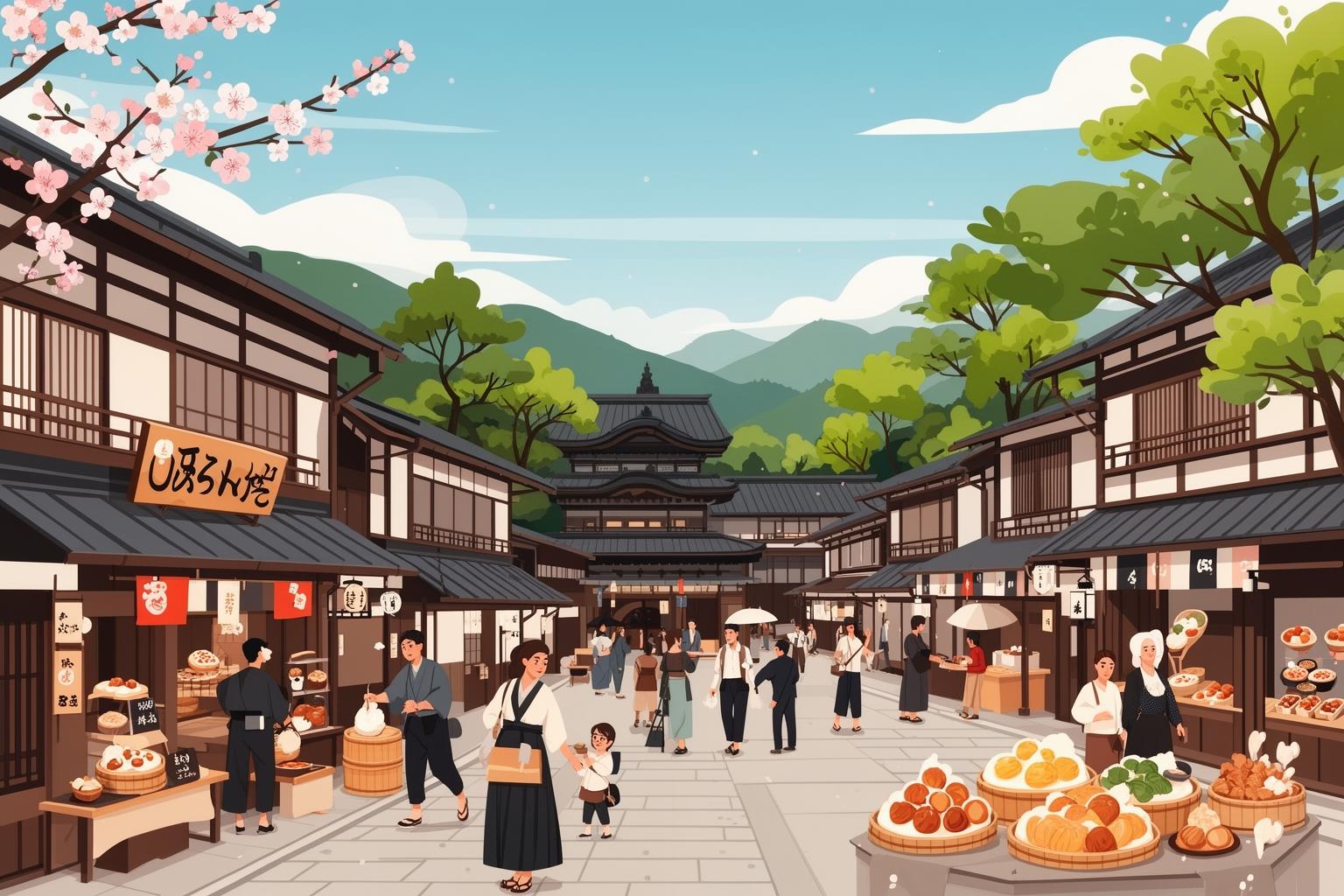
A trip to Hida is incomplete without savoring its culinary delights, which are as integral to the local culture as its wooden architecture. The region’s pristine mountain water and fertile soil produce remarkable ingredients that shine in the local cuisine.
A Legacy in a Bottle: Hida’s Sake Breweries
The crisp, pure water flowing from the Northern Alps is the key to Hida’s outstanding sake. The town hosts two historic breweries located in the heart of the old town: Watanabe Shuzoten and Kaba Shuzoten. These can be easily spotted by the large ‘sugidama,’ or cedar balls, hanging above their entrances. A fresh green ball indicates that new sake has just been pressed, while the ball turning brown over time signifies the aging of the brew. Both breweries offer tastings, allowing visitors to sample a variety of their offerings, from crisp and dry to rich and aromatic. Stepping inside is a sensory delight—the cool, dim ambiance, the sweet fermenting aroma of rice, and the sight of enormous cedar vats. The brewers’ passion for their craft is palpable, even across language barriers. Tasting the local ‘jizake’ (local sake) offers a genuine glimpse into the region—its water, rice, and heritage.
More Than a Meal: The Hida Beef Experience
Hida is renowned for Hida-gyu, a premium wagyu beef brand known for its intense marbling that melts at a low temperature, creating an exceptionally tender, melt-in-your-mouth experience. While indulging in a full Hida beef steak dinner can be a luxurious treat, there are many more approachable ways to enjoy it. Seek out street vendors selling Hida beef skewers (kushi-yaki), grilled to perfection and lightly seasoned to highlight the meat’s natural flavor. Another popular and tasty choice is a Hida beef croquette or a steamed bun (manju). These bite-sized options provide a perfect way to sample the famous beef without a big commitment. Savoring a hot, savory skewer while walking along the canal is one of the simple, quintessential joys of visiting Hida-Furukawa.
Journeying to a Dream: Practical Steps for Your Pilgrimage
Though Hida-Furukawa feels like a world apart, it’s surprisingly easy to reach. A bit of planning will guarantee your trip is as smooth and enchanting as the destination itself.
Charting Your Course: How to Get to Hida
The town is served by the picturesque JR Takayama Main Line. The journey is part of the charm, as the train winds through beautiful river valleys and thick forests. The most common access point is the nearby city of Takayama, just a 15-minute train ride away. From major cities, the route is simple. From Tokyo, take the Hokuriku Shinkansen to Toyama and transfer to the JR Takayama Line. Alternatively, take the Tokaido Shinkansen to Nagoya and transfer there. The ‘Wide View Hida’ limited express train from Nagoya is highly recommended due to its panoramic windows offering stunning views along the way. Upon arrival, the town is compact and easily walkable. Everything you want to see is within a pleasant stroll from the station, making it ideal for a day trip or a relaxed overnight stay.
Timing Your Visit: A Town for All Seasons
Hida-Furukawa is lovely throughout the year, with each season showcasing its own unique charm. Spring brings delicate cherry blossoms that frame the canals and temples in soft pinks and whites. Summer is lush and vibrantly green, a lively time filled with festivals and warm, pleasant days. Autumn is perhaps the most breathtaking season, with surrounding mountains ablaze in vivid red, orange, and yellow foliage. Winter covers the town with a thick blanket of snow, turning it into a silent, monochrome wonderland. For special events, consider visiting the Furukawa Festival in April, a lively celebration featuring massive floats and traditional performances. Or, for an especially romantic and magical experience, visit on the evening of January 15th for the Santera Mairi festival, when hundreds of snow candles and lanterns light up the streets and temple grounds, creating an ethereal glow.
A Place to Rest Your Head
While many visit as a day trip from Takayama, spending the night in Hida-Furukawa lets you experience the town at its quietest—in the early morning and late evening, when the day-trippers have gone. Accommodation options range from traditional ryokan (Japanese inns), where you can enjoy tatami rooms and exquisite local cuisine, to charming minshuku (family-run guesthouses) and modern hotels. Waking up in Hida and taking a peaceful morning walk along the canal before anyone else is out is an experience you’ll cherish.
Beyond the Frame: Deeper Discoveries in Hida
While the ‘Your Name.’ locations are the initial attraction, Hida-Furukawa has so much more to offer. Taking time to explore beyond the pilgrimage route will reward you with a deeper connection to this unique place.
Cycling Through the Satoyama
Rent a bicycle and venture out into the surrounding ‘satoyama,’ the picturesque landscape where villages, farms, and forests harmoniously coexist. The Hida Satoyama Cycling experience features guided tours that lead you through rice paddies, past traditional farmhouses, and along crystal-clear rivers. It’s a wonderful way to experience rural Japanese life, meet local farmers, and breathe in the fresh mountain air. This also provides wider context for the town, revealing the agricultural heartland that supports it.
The Takumikan Craft Museum
For a deeper understanding of the town’s most renowned tradition, visit the Hida Takumi Bunkakan, or Craft Museum. Here, you can learn about the history and techniques of the Hida no Takumi master carpenters. The museum displays intricate wooden joinery (often constructed without a single nail), traditional tools, and architectural models. It offers a fascinating glimpse into the skill and artistry that shaped not only this town but many of Japan’s most important historical buildings.
A Moment of Quiet Reflection
One of the best things to do in Hida-Furukawa is simply to do nothing at all. Find a small cafe, order a coffee, and watch the world go by. Sit on a bench by the Seto River and observe the koi swimming. The town’s unhurried pace invites you to slow down, be present, and let the gentle atmosphere wash over you. It’s often in these quiet, unplanned moments that the most lasting memories are made.
A Gentle Farewell from Japan’s Heartland
You may visit Hida-Furukawa in search of Itomori, but you will leave carrying a piece of Hida in your heart. You’ll discover that the town is not merely a static film set, but a living, breathing community proud of its past and optimistic about its future. While the connection to ‘Your Name.’ has drawn welcome attention, the town’s true identity runs much deeper. It resides in the skill of a carpenter’s hands, the dedication of a sake brewer, and the collective effort to keep the canals clean for the carp. It’s a place that reminds you of the beauty of tradition, the value of community, and the quiet magic found in the overlooked corners of the world. As you board the train to leave, the whistle’s echo through the valley sounds different—no longer just a sound from a film, but a warm farewell from a town that, for a little while, felt like a half-remembered dream come true.