
Have you ever felt a profound sense of nostalgia for a place you’ve never visited? A phantom memory, a whisper of a life not your own, pulling you toward an unknown horizon. This feeling, a beautiful and bewildering ache of the heart, is the very soul of Makoto Shinkai’s animated masterpiece, ‘Kimi no Na wa,’ or ‘Your Name.’ The film captured the world’s imagination not just with its stunning visuals and emotionally resonant story of two teenagers, Taki and Mitsuha, bound by fate across distance and time, but with its breathtakingly real-world settings. It created a new kind of map, one where the lines between animation and reality blur, inviting us to step through the screen and into the story ourselves. This journey is known in Japan as ‘seichi junrei,’ a pilgrimage to the sacred sites of popular culture. For fans of ‘Your Name.’, this pilgrimage is a tale of two Japans: the electric, sprawling metropolis of Tokyo, and the serene, timeless mountain town of Hida-Furukawa. It’s a physical walk through the emotional landscape of the film, a chance to stand where Taki and Mitsuha stood, to feel the rhythm of their lives, and maybe, just maybe, to find a connection you’ve been searching for. This is a guide to that journey, a path that traces the invisible red string of fate from the heart of the world’s biggest city to the quiet soul of its countryside.
For travelers drawn to the film’s blend of poignant realism and dreamlike landscapes, exploring seichi junrei pilgrimage offers a window into the places where ‘Your Name.’ comes alive.
Tokyo’s Concrete Canvases: Finding Mitsuha in the Metropolis
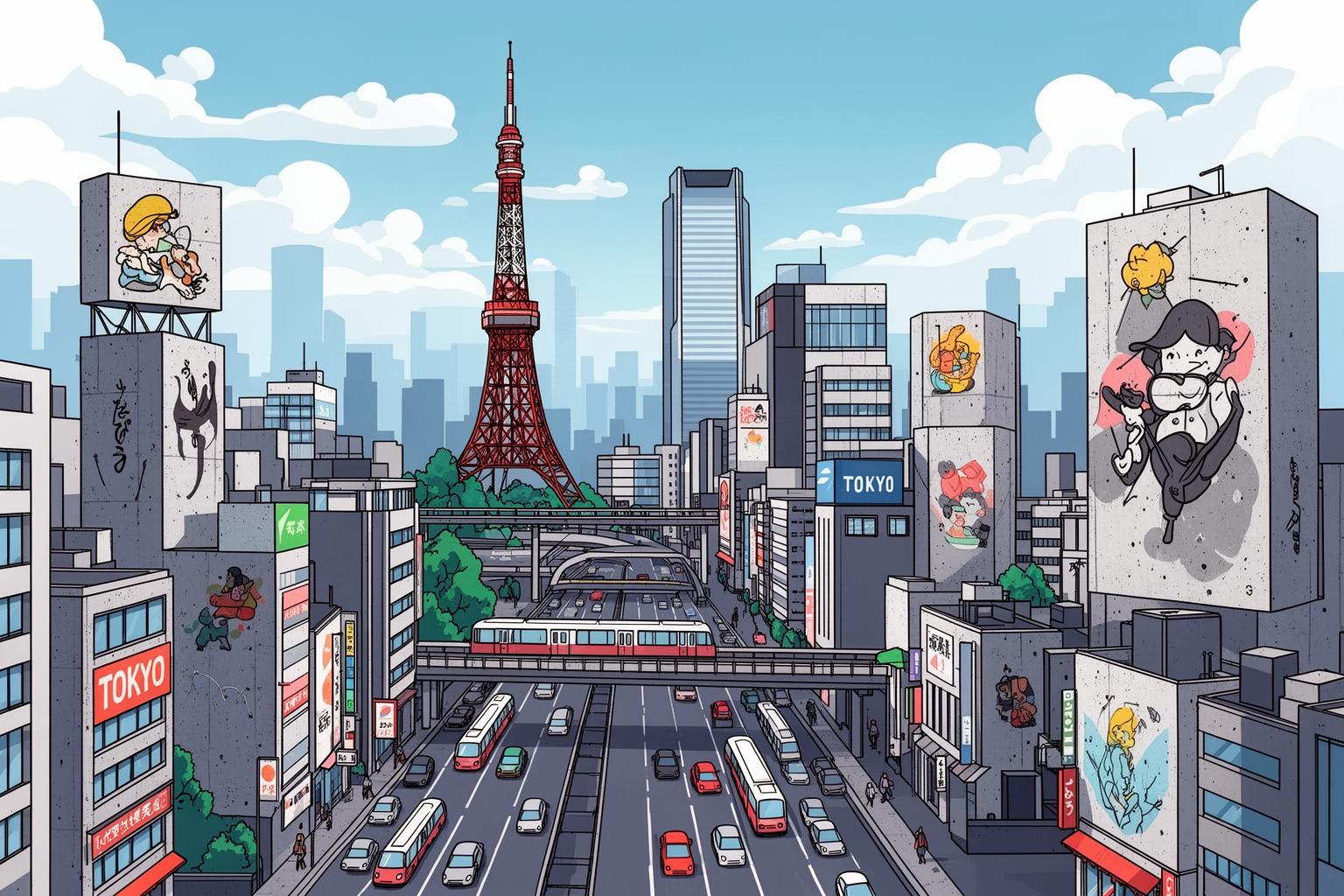
Your journey, much like Mitsuha’s, starts with an overwhelming sense of arrival. Stepping into Shinjuku is less an introduction and more of a full-sensory immersion. The air buzzes with countless conversations, the clatter of trains from the world’s busiest station, and the electronic melodies of a city that never sleeps. Towering glass and steel structures pierce the sky, their surfaces reflecting a dizzying mosaic of light and movement. For those used to quieter places, it’s a beautiful chaos—a concrete jungle that feels both intimidating and exhilarating. This is Taki’s world, a realm of endless possibilities and crushing anonymity, and viewing it through the film’s lens transforms it from a mere cityscape into a character of its own.
The Iconic Staircase: A Fateful Encounter in Yotsuya
Among all Tokyo locations, one holds a unique, almost sacred significance for fans of the film. It’s the site where everything culminates, the backdrop for one of cinema’s most anticipated reunions. The Suga Shrine staircase in Yotsuya is the emotional heart of this pilgrimage. The walk from Yotsuya Station is a journey in itself, a gradual release from the city’s frantic energy. You move from wide boulevards to narrower streets, the traffic sounds fading and replaced by the quiet hum of a residential neighborhood. With each step, anticipation grows. You turn a corner, and there it stands. The view is so uncannily perfect it can take your breath away. The gentle curve of the steps, the iconic red railing on one side and the clean white wall on the other, the city skyline peeking between buildings in the distance—it’s as if a frame from the anime has been seamlessly overlaid onto reality.
Standing at either the top or bottom, you can’t help but feel the weight of that final scene. The space feels charged with unspoken words and years of longing. The atmosphere is unexpectedly peaceful. It’s a local spot, a path for residents walking their dogs or heading home from the station. This very normalcy is what makes it so magical. It’s a reminder that extraordinary moments can unfold in the most ordinary places. For photographers, the golden hour in late afternoon bathes the scene in soft, nostalgic light that perfectly echoes the film’s aesthetic. A word of advice for visitors: be considerate. This is a quiet neighborhood and a pathway to a sacred shrine. Take your photos, have your moment, but tread lightly. Let the silence of the space speak to you, and you’ll hear the echoes of Taki and Mitsuha’s voices on the breeze.
Taki’s Urban Playground: Shinjuku and Shibuya
While the stairs represent the story’s emotional climax, the larger canvas of Shinjuku and its surroundings depicts Taki’s everyday life. The immense scale of the city is best appreciated from the pedestrian walkways around Shinjuku Station’s South Exit. From here, you can spot the distinctive, spire-like NTT Docomo Yoyogi Building, a landmark that punctuates the skyline in many scenes of the film. It stands like a modern-day castle, a constant presence in Taki’s urban world. Another key spot is the circular, almost futuristic pedestrian bridge near the Shinjuku police station—a place of intersecting paths and hurried farewells, instantly recognizable from the film.
For a change of pace, follow the route of Taki and his refined coworker, Okudera-senpai, on their date to The National Art Center, Tokyo, in Roppongi. The building itself is a masterpiece, a flowing wave of glass and steel designed by the legendary architect Kisho Kurokawa. Inside, the light-filled atrium feels vast and inspiring. The true pilgrim’s destination is Salon de Thé ROND, a café perched atop a massive concrete cone within the atrium. Sitting here with a cup of tea, you can perfectly recreate the scene, gazing over the exhibition halls below. It’s a moment of sophisticated calm amidst the city’s hustle, a place where art, architecture, and anime converge. The journey through Taki’s world feels incomplete without experiencing the iconic Shibuya Crossing. While not central to the plot, its chaotic, synchronized dance of humanity is emblematic of the Tokyo portrayed in the film—a place where countless lives intersect for a fleeting moment without truly connecting.
A Moment of Respite: The Cafe La Bohème Experience
To genuinely step into Taki’s shoes, you must visit the restaurant that inspired his part-time job, the upscale Italian eatery ‘Il Giardino Delle Parole.’ The real-world counterpart is Cafe La Bohème Shinjuku Gyoen, a restaurant exuding classic, romantic charm. The moment you enter, you’re greeted by high ceilings, grand chandeliers, and ornate décor that feels both theatrical and welcoming. It’s easy to imagine Taki navigating these tables, balancing plates of pasta and pouring wine. Securing a table near the large windows overlooking the greenery of Shinjuku Gyoen National Garden completes the illusion. The ambiance is a gentle murmur of conversation and the clinking of cutlery, far removed from the noise of Shinjuku mere streets away. Ordering a margherita pizza or a simple pasta dish feels like a participation in the story. It’s a place to rest your feet, refuel, and reflect on the Tokyo segment of your journey before heading into the mountains.
Whispers of Tradition: Discovering Itomori in Hida-Furukawa
The shift from Tokyo to Gifu Prefecture is as striking as the body-swapping itself. Traveling on the JR Hida Wide View Express offers a cinematic journey. The train winds away from Nagoya’s urban expanse into deep, twisting valleys. It follows the Hida River, whose turquoise waters cut through dense forests and dramatic gorges. The train windows frame a different Japan—mountains veiled in mist and small villages nestled along the riverbanks. Upon arriving in Hida-Furukawa, the atmosphere shifts. The air is cooler, fresher, carrying the scent of wood and damp earth. This quaint town in the Hida mountains isn’t the fictional Itomori, but its essence lives here. Itomori was a blend of inspirations, a dreamlike place, yet its architectural style, traditions, and leisurely rhythm were drawn directly from this charming town.
Arrival at a Familiar Scene: Hida-Furukawa Station
Stepping off the train at Hida-Furukawa Station marks the real start of the pilgrimage. Recognition strikes immediately and strongly. You stand on the very platform where Taki and his friends arrived in their search for Mitsuha. Crossing the pedestrian footbridge, you can look down at the tracks, perfectly framing the scene from the film as the Hida Wide View Express rests below. Every detail is present: the small station building, the signs, and even the adorable mascot of a Hida beef cow. It’s a beautifully simple station, a portal to a quieter world. Local taxi drivers, accustomed to fans, often park where they appear in the anime. Standing here, surrounded by the towering green mountains, you can sense Taki’s blend of hope and uncertainty. A small tip: check the train schedule. If you time your visit with the arrival or departure of the Wide View Express, you can snap that perfect, screen-accurate photo.
Walking the White-Walled Canals of the Setogawa River
A brief walk from the station leads you to Hida-Furukawa’s historic core. Here, the Setogawa River meanders through picturesque canals lined with traditional white-walled storehouses topped with distinctive black-tiled roofs. This is the Shirakabe Dozogai district. The gentle sound of flowing water is a constant, soothing presence. During the warmer months, over a thousand giant, colorful carp glide lazily in the crystal-clear water, adding vivid life to the historic setting. The atmosphere is deeply peaceful, and the pace slows to a leisurely stroll. You can picture Mitsuha and her friends wandering these very paths after school. This area highlights the work of the ‘Hida no Takumi,’ the famed master carpenters whose legendary craft helped build many temples and palaces in ancient capitals like Kyoto and Nara. Every structure, every wooden lattice, reflects a deep tradition and pride in craftsmanship that feels central to the spirit of Itomori.
The Heart of the Town: Ketawakamiya Shrine and the Search for Tradition
While the Miyamizu Shrine in the film is fictional, its spirit is alive in Hida’s local shrines. The Ketawakamiya Shrine is the most frequently cited inspiration, just a short, pleasant walk from the town center. As someone who loves the outdoors, I believe the approach to a shrine is as integral as the shrine itself. The journey here is no exception. You pass local homes and rice paddies before ascending a long, steep stone stairway. These are the steps Taki and his friends climbed, their animated exhaustion mirroring the real effort involved. The air cools beneath a canopy of tall, ancient cedar trees. The sensation is one of reverence, entering a sacred space where the boundary between the human world and the realm of the gods, or ‘kami,’ feels thin. The shrine is humble yet dignified, nestled within the forest. Standing here, you can almost hear the rustling of Mitsuha’s ‘miko’ (shrine maiden) robes and sense the solemn traditions she upheld. The film’s ‘kuchikamizake’ ritual, which may surprise some viewers, is rooted in ancient Shinto customs of offering rice—a sacred, life-giving staple—to the gods. Visiting places like this deepens appreciation for the cultural context grounding the film’s fantasy in reality.
A Taste of Local Life: The Hida City Library and Beyond
Among the most heartfelt pilgrimage sites is the Hida City Library, where Taki, in a moment of desperate research, finally identifies Itomori’s location. The library warmly embraces its cinematic connection. Visitors are welcome, and there’s a small guestbook for fans to sign and leave messages. A designated photo spot invites pictures, accompanied by a polite request to maintain quiet for local patrons. Sitting in this bright, modern library, surrounded by the scent of old books and the focused silence of readers, you feel a tangible link to Taki’s search. The community’s generosity shines in how they share this public space so openly with fans worldwide.
To complete your immersion, be sure to savor local flavors. Try ‘gohei mochi,’ a grilled skewer of pounded rice coated with a sweet and savory miso-walnut sauce—a rustic, delicious snack Mitsuha and her grandmother enjoy in the film. These are grilled at small stalls scattered throughout the town. For a more substantial meal, Hida is renowned for its marbled, melt-in-your-mouth Hida beef, a delicacy rivaling the famous Kobe beef. Relishing a meal here, surrounded by the scenery that inspired Itomori, is the perfect way to conclude a day of exploration.
Weaving Your Own Story: Practical Tips for the ‘Your Name.’ Pilgrim

Embarking on this pilgrimage calls for some planning to fully savor the experience. The journey itself tells a story, and with proper preparation, it can be as smooth and enchanting as the film.
The Tale of Two Journeys: Planning Your Itinerary
This pilgrimage is divided between two distinct locations, requiring careful time management. In Tokyo, a single full day can cover main spots like Suga Shrine, Shinjuku, and the National Art Center, though two days allow for a more leisurely pace. In Hida-Furukawa, staying at least one night is essential. While key sites can be visited in a few hours, the town’s true charm emerges during the quiet mornings and tranquil evenings once day-trippers have left. To travel from Tokyo to Hida-Furukawa, the fastest route is via the Tokaido Shinkansen (bullet train) to Nagoya, then transferring to the scenic JR Hida Wide View Express line. For international visitors, the Japan Rail Pass offers excellent value, covering this entire journey. It’s highly recommended to book trains and accommodations well in advance, especially in Hida, since options are limited given the town’s small size, particularly during peak seasons.
Seasonal Threads: When to Visit
‘Your Name.’ is a film deeply connected to the changing seasons, and your visit can reflect this natural beauty as well. Spring brings delicate cherry blossoms, casting a pale pink hue over Hida’s canals and Tokyo’s parks. Summer showcases lush, vibrant greens with the mountains around Hida full of life, though it can be hot and humid. Autumn is arguably the most poetic season to visit, richly depicted in the film’s autumnal imagery. Experiencing the fiery reds and brilliant golds of Japanese maple trees in the Hida region is unforgettable. The air is crisp and perfect for walking. Winter brings a different kind of magic; Hida-Furukawa often lies under a thick, pure white blanket of snow, transforming it into a silent, enchanting landscape. This quieter season offers a special peace and solitude, echoing the story’s more melancholic moments.
A Pilgrim’s Etiquette: Respectful Exploration
It’s important to remember these ‘sacred sites’ are not film sets—they are real places where people live, work, and worship. The pilgrimage’s beauty lies in its harmony with everyday life, making respect essential. In residential neighborhoods like Yotsuya, keep voices low and avoid obstructing pathways. When visiting shrines such as Suga Shrine or Ketawakamiya Shrine, observe proper customs: bow once when passing through the ‘torii’ gate, marking the shift from the ordinary to the sacred. At the ‘chozuya’ water pavilion, use the ladle to rinse your left hand, then right hand, and then pour water into your cupped left hand to rinse your mouth—never touch the ladle directly to your lips. At the main hall, if you pray, the typical ritual is to bow twice, clap twice, offer your prayer, then bow once more. Always ask permission before taking photos, especially inside shops, restaurants, or of people, as a simple courtesy. By being a respectful visitor, you honor both the film and the communities that made it possible.
More Than a Replica: The Enduring Magic of Place
Completing a journey through the world of ‘Your Name.’ leaves you with something deeper than just a collection of photographs matching scenes from the movie. It’s an experience that highlights the film’s central and beautiful theme: ‘musubi.’ This ancient word refers to the local guardian god, but also signifies the tying of threads, the connections between people, and the flow of time itself. As you move from the hyper-modernity of Tokyo to the deeply rooted traditions of Hida, you sense this connection. You follow a thread laid down by the filmmakers, while also weaving your own. You engage with the story on a deeper level, appreciating the stunning beauty of the Japanese landscape and the warmth of its people.
The magic isn’t that these places look exactly like the anime. The magic lies in the feelings they inspire. It’s the ache of longing on the Suga Shrine stairs, the sense of wonder aboard the train to Hida, the peace found by the Setogawa River. You share a sentiment with millions around the world who have been touched by this story. You have entered a shared memory. This pilgrimage bridges the gap between the screen’s world and the world beneath your feet, reminding you that stories, like threads, can connect us across any distance, and that sometimes, the most fantastical journeys lead us to the most real and beautiful places.