
There’s a unique, almost indescribable magic that happens when a story you love bleeds into the real world. It’s the feeling of walking down a street you’ve only ever seen on a screen, of breathing the air in a place that has lived vibrantly in your imagination. For millions around the globe, Makoto Shinkai’s breathtaking anime masterpiece, Kimi no Na wa or Your Name., wasn’t just a film; it was an emotional odyssey. It was a story of connection, of fate, of two souls intertwined across distance and time. And while the film’s bustling Tokyo setting is instantly recognizable, the heart of the story’s more tranquil, traditional world, the fictional town of Itomori, finds its spirit in a very real, very enchanting place: Hida-Furukawa. Tucked away in the mountainous Gifu Prefecture, this quiet town offers more than just photo opportunities for fans. It offers a chance to step through the celluloid, to feel the gentle rhythm of life that inspired the film’s most poignant moments, and to discover a corner of Japan where tradition flows as peacefully as the carp-filled canals that grace its streets. This is not just a tour of film locations; it is a pilgrimage to the soul of a story, a journey into a landscape that feels both dreamlike and profoundly real.
Those enchanted by the seamless blend of reality and imagination can further explore the pilgrim’s journey through film locations to uncover even more hidden details of Japan’s storied landscapes.
The Heartbeat of a Fictional Town
Your journey, much like Taki’s in the film, truly begins the moment you step off the train. The connection between the real Hida-Furukawa and the animated Itomori is tangible from the very first breath of crisp mountain air. The town doesn’t proclaim its fame loudly; it gently whispers it, inviting you to uncover the story’s echoes on your own.
The Iconic Station Platform
For many, Hida-Furukawa Station is the main destination—a gateway. As you stand on the uncovered platform, gazing across the tracks at the waiting area with mountains rising steeply behind the town, the scene feels uncannily familiar. It’s exactly the same view that Taki and his friends see when they arrive on their quest to find Mitsuha. The details are astonishingly precise: the design of the benches, the pedestrian footbridge, the station roof’s slope. Even the mascot, a friendly cow named Hida-gyu-chan often featured on local posters, appears subtly in the film as a nod to the region’s famous Hida beef. Standing here, you might find yourself glancing at the train schedule on the wall, half-expecting to see a stop listed for Itomori. The feeling is surreal. The Wide View Hida train, a vital connection linking this mountain town to the cities of Nagoya and Toyama, pulls in with a gentle hiss, and for a moment, the line between animation and reality blurs completely. This isn’t just a train station; it’s a portal, the first tangible proof that the world you loved has a real anchor in this place.
Whispers on the Shrine Steps
A short, pleasant walk from the station brings you to a place of spiritual and cinematic importance: Keta Wakamiya Shrine. While the film’s Miyamizu Shrine is a blend of several sites, the stone staircase ascending to Keta Wakamiya Shrine is an unmistakable inspiration. Standing at the base, looking up the steep, moss-covered steps flanked by towering stone lanterns and ancient cedar trees, you can almost hear Mitsuha and Yotsuha’s footsteps as they carried out their shrine maiden duties. The climb itself feels like a ritual. With every step, the town’s noises fade away, replaced by the rustling leaves and distant birdcalls. The air grows cooler, infused with the scent of pine and damp earth. At the summit, the shrine is a quiet, dignified space, still serving as a functioning place of worship for the local community—this adds a layer of reverence to the visit. Visitors are encouraged to offer a prayer and to feel the serene energy of a place that has endured for centuries. Here you come to understand that the traditions Mitsuha found burdensome are truly the lifeblood of this community. The shrine is not merely a backdrop; it’s a cultural centerpiece where the connection to the past—a central theme of the film—is alive and palpable.
A Library of Memories
Perhaps the most surprising and delightful revelation for any pilgrim is the Hida City Library. This beautiful, modern building, crafted from warm, fragrant local timber, directly inspired the library where Taki researches Itomori’s history. Stepping inside feels like walking straight into the anime cell. The high ceilings, shelf arrangements, distinctive wooden beams, and large windows overlooking the town are all faithfully recreated. The library staff, fully aware of their building’s fame, have embraced their role with warmth and grace. They have set up a small dedicated section for Your Name., and if you ask nicely at the counter, you are allowed to take photographs—a rare exception to typical library rules. This kind gesture is deeply appreciated by fans. Sitting at one of the reading tables, you see the exact angles Shinkai’s team animated. It’s a quiet, reflective experience that feels deeply personal, a moment to contemplate the film’s themes of memory, loss, and the search for truth. It stands as a powerful reminder that even in today’s modern world, libraries remain sacred spaces for discovery and connection.
Beyond the Silver Screen: Discovering the Soul of Hida
While the anime pilgrimage is what brings many visitors here, leaving after seeing only the film locations would mean missing the true spirit of Hida-Furukawa. The town exudes a timeless charm unique to itself, with a deep-rooted culture that predates its fame as an animation landmark.
The Canals of Shirakabe Dozogai
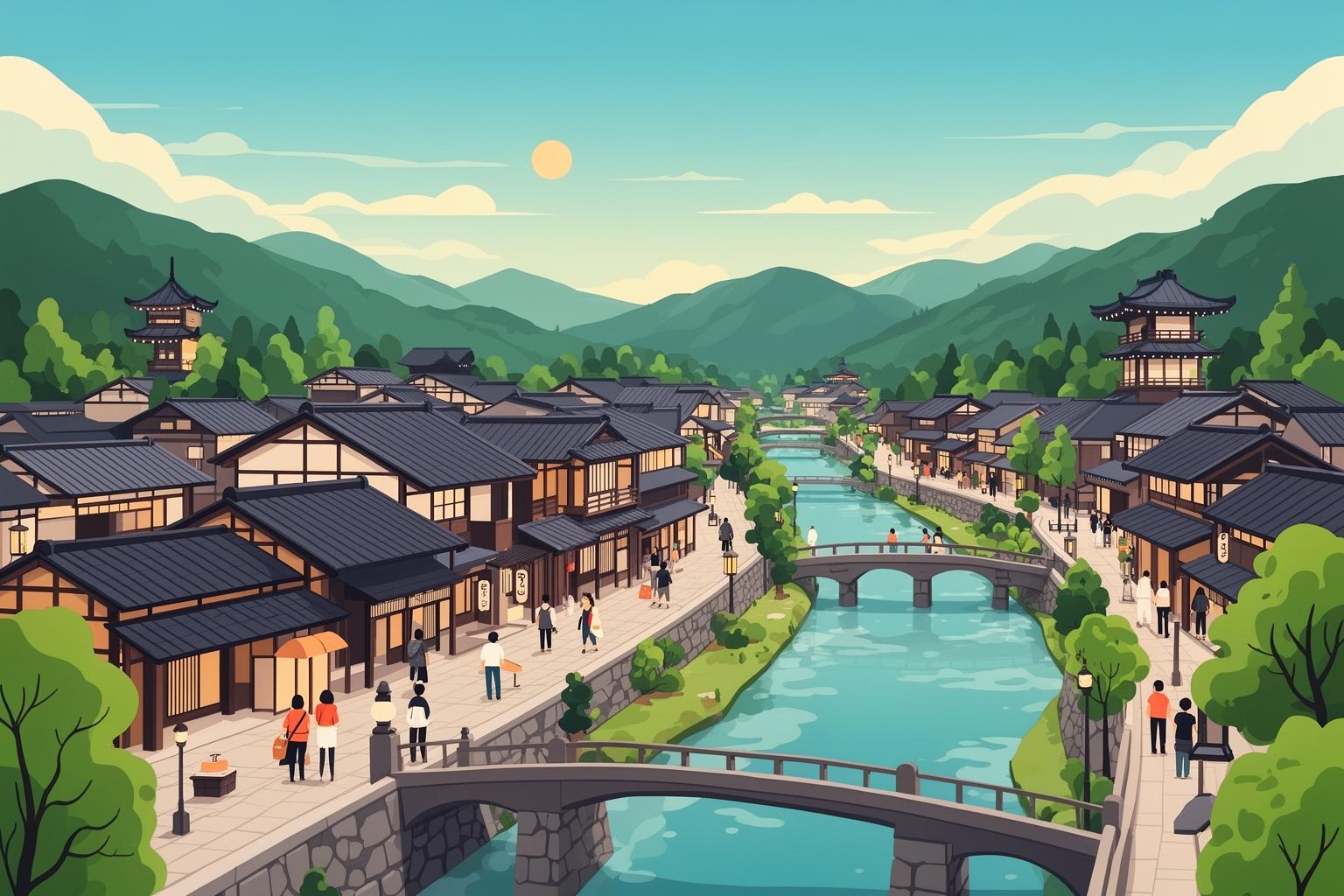
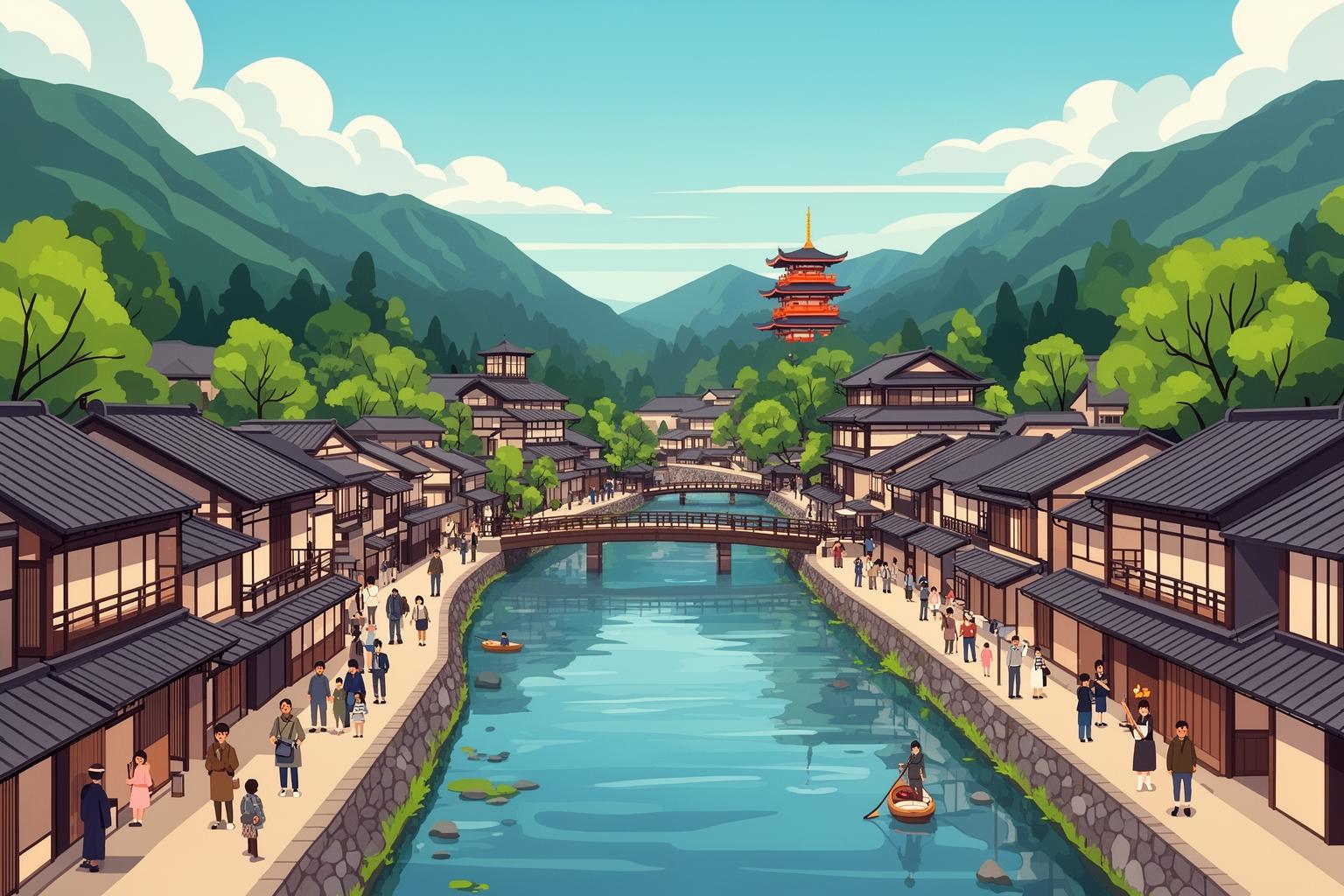
The most scenic part of the town is undoubtedly the Shirakabe Dozogai, or “White-Walled Storehouse Street.” A narrow, stone-paved lane runs beside the Setogawa River, a pristine canal that is the pride of the town. Traditional merchant houses and brilliant white-walled kura (storehouses) with distinctive black-tiled roofs line the street. But the true charm lies in the water. The canal is home to over a thousand large, vibrant koi carp, their orange, white, and black bodies gliding gracefully through the crystal-clear water. From April to November, these fish symbolize the town’s prosperity and dedication to preserving its heritage. The flowing water provides a soothing soundtrack to any stroll through this area. Small stone bridges span the canal at intervals, offering perfect viewpoints to watch the fish and admire the historic buildings. This area feels like a living museum, a beautifully preserved fragment of Edo-period Japan. It’s a place to slow down, wander aimlessly, and simply soak in the profound sense of peace that fills the air.
The Echoes of Craftsmanship
Hida has long been celebrated for its master woodworkers, known as the Hida no Takumi. For over 1,300 years, craftsmen from this region were sent to the imperial capitals of Nara and Kyoto to construct the nation’s most important temples and palaces. That tradition of exceptional skill remains strong in Hida-Furukawa. You can see it in the intricate wooden latticework (kumiko) that decorates many older buildings and in the magnificent festival floats showcased around town. For a deeper experience, a visit to the Hida Takumi Bunkakan (Craft Museum) is a must. It displays the remarkable tools and techniques passed down through generations. You can also visit local workshops to watch artisans at work, their hands moving with practiced, meditative precision. This profound respect for craft and creation is woven into the town’s identity. It’s a quiet commitment to producing items of beauty and longevity, a philosophy that feels distant from the fleeting trends of the modern city.
A Taste of the Hida Mountains
No visit is complete without sampling the local cuisine, and Hida-Furukawa offers a feast for the senses. The region is famous for Hida beef, a wagyu variety known for its exquisite marbling and tender, melt-in-your-mouth texture. It can be enjoyed in many forms, from gourmet steaks at restaurants to more casual street foods like beef skewers or croquettes. The town also hosts two historic sake breweries, marked by large cedar balls (sugidama) hanging from their eaves. Both Watanabe Brewery and Kaba Brewery offer tastings, where you can sample crisp, clean sake made from pure mountain water and locally grown rice. For a simple snack, try goheimochi—grilled skewers of pounded rice coated with a sweet and savory miso-walnut sauce. It’s a rustic, comforting treat that perfectly captures the flavors of rural Japan. Exploring Hida-Furukawa’s culinary offerings is another way to connect with the land and the people who call it home.
Planning Your Pilgrimage: A Practical Guide
A trip to Hida-Furukawa is wonderfully easy to access, but a bit of planning will help make your experience as seamless and enchanting as possible. The town moves at a relaxed pace, and embracing that rhythm is essential to fully enjoying your visit.
Getting There and Getting Around
The most common way to reach Hida-Furukawa is via the larger, more tourist-centric city of Takayama, just a 15-minute train ride away on the JR Takayama Main Line. For travelers coming from further away, Takayama can be easily accessed from Nagoya or Toyama. The train journey itself, particularly on the Wide View Hida limited express, is a highlight, winding through stunning river valleys and deep mountain gorges, offering breathtaking views that build anticipation for your arrival. Once in Hida-Furukawa, the town is very compact and easy to explore on foot. Almost all key sights are within a 15 to 20-minute walk from the station. For a bit more flexibility, renting a bicycle is a great choice, allowing you to leisurely discover the charming backstreets and nearby rice paddies.
When to Weave Your Own Story
Hida-Furukawa charms visitors throughout the year, with each season offering a distinct appeal. Spring is perhaps the most spectacular, as the town hosts the impressive Furukawa Festival on April 19th and 20th. This event, recognized as a UNESCO Intangible Cultural Heritage, is among Japan’s most famous “naked festivals.” It features the dynamic Okoshi-Daiko, where hundreds of men in traditional attire carry a giant drum through the streets late into the night, alongside the daytime parade of nine ornate, exquisitely crafted festival floats (yatai). Summer brings lush greenery and the lively buzz of cicadas, making the shade provided by the shrine’s cedars and the cool canals especially inviting. Autumn sets the surrounding mountains ablaze with vibrant reds and golds, creating a stunning backdrop for the traditional buildings. Winter might be the most magical season for fans of Your Name, as the town is often covered in a thick layer of pristine white snow, creating a silent, ethereal landscape reminiscent of Itomori’s winter scenes. The sight of the snow-covered station and peaceful, white streets is truly unforgettable.
A Traveler’s Courtesy
It’s important to keep in mind that while Hida-Furukawa has embraced its newfound fame, it remains a small, quiet community where people live and work. The charm of visiting lies in its authenticity. Be a considerate guest. Keep your voice low, especially in residential areas, and inside the library and shrine. Always ask permission before photographing people or inside private shops. Support local businesses by purchasing souvenirs, enjoying a meal, or tasting sake. Unlike a theme park, this town is genuine. The residents are not performers; they are sharing their home with you. By showing respect and gratitude, you not only enrich your own experience but also help preserve the very atmosphere that makes this place so special.
The Enduring Magic of a Place and a Story
Why do we embark on these journeys? Why do we travel thousands of miles to see a train station, a library, or a flight of stone steps? Because these places are more than mere backdrops. They serve as anchors for our emotions and stand as proof that the stories that move us have roots in our real world.
More Than Just a Setting
Hida-Furukawa is not Itomori, yet it captures its spirit. It is a town built on tradition, community, and a profound connection to the surrounding nature. Visiting Hida-Furukawa offers a chance to experience the cultural nuances that Makoto Shinkai so masterfully wove into his narrative. It’s in the taste of the local sake, a direct link to Mitsuha’s kuchikamizake ritual. It’s in the intricate wooden lattices, reflecting the themes of braided cords and intertwined fates (musubi). The film resonates because it taps into something genuine, a cultural and aesthetic truth you can sense when you walk these streets. The town doesn’t just resemble the film; it feels like it.
A Fading Sunset on the Hida Mountains
As your day in Hida-Furukawa draws to a close and you stand once again on the station platform, waiting for the train that will take you back to the present, take one last look around. Watch the warm light of the setting sun illuminate the peaks of the mountains that cradle the town. Listen to the gentle murmur of the canals and the distant chime of a temple bell. Though you may have come here searching for Itomori, you will leave having discovered Hida-Furukawa, a town with its own story, magic, and enduring charm. You arrived on a pilgrimage for a film, but you depart with a memory of a real place, a connection now uniquely and wonderfully yours.








