There’s a certain kind of magic that settles over Japan’s seaside towns, a gentle hum that seems to exist just outside the relentless march of time. You feel it in the salty air that clings to your skin, in the weathered wood of old buildings, and in the patient rhythm of the tides. Nowhere is this feeling more potent, more palpable, than in Tomonoura, a small port town nestled in a crescent-shaped bay along the coast of the Seto Inland Sea. Tucked away in Hiroshima Prefecture, this isn’t just another picturesque harbor; it’s a living museum, a place where the echoes of samurai negotiations and the laughter of Edo-period merchants still seem to drift through its labyrinthine alleys. For many international visitors, however, its most enchanting echo is a more recent one—a whimsical melody of a little fish girl who longed to be human. This is the town that captivated the imagination of the legendary Hayao Miyazaki and became the heart and soul of Studio Ghibli’s vibrant masterpiece, Ponyo. To step into Tomonoura is to step into a real-life animation cel, a world where the fantastical feels just a stone’s throw away. But the story here runs so much deeper than its cinematic fame. It’s a tapestry woven with threads of history, culture, and a profound connection to the sea that has sustained it for centuries. It’s a place that invites you not just to see, but to slow down, to listen, and to feel the gentle pulse of a Japan that is both timeless and vibrantly alive.
For those captivated by Tomonoura’s blend of history and cinematic allure, an exploration of the enchanting Hida-Furukawa reveals another facet of Japan’s timeless cultural beauty.
The Ghibli Magic: Walking Through a Real-Life Animation
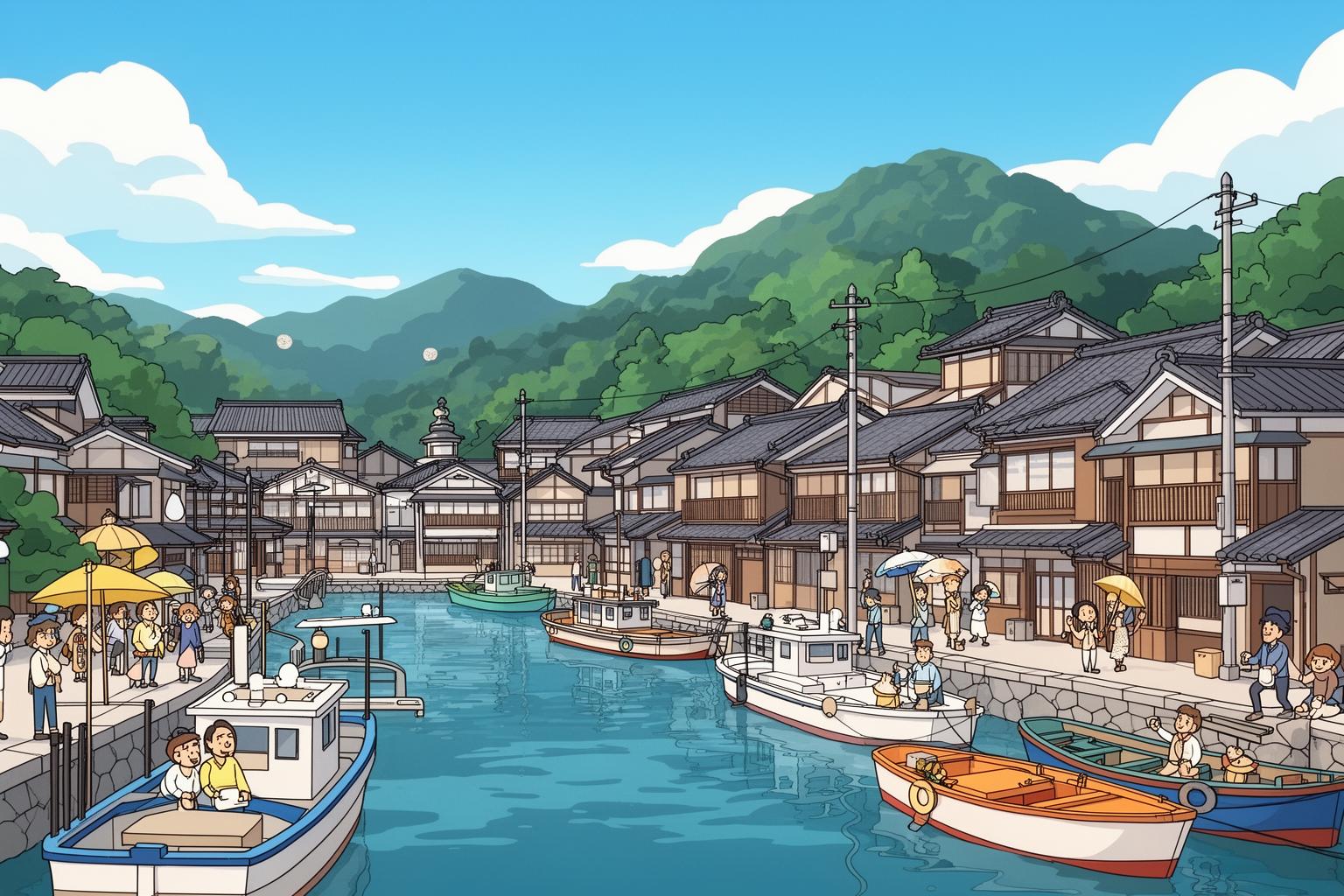
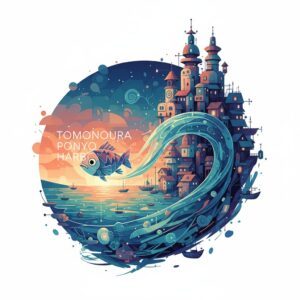
The connection between Tomonoura and Ponyo runs much deeper than casual inspiration. It’s not merely a location that provided a few background details. Hayao Miyazaki and his team of animators lived in a local house for two months, immersing themselves in the town’s unique atmosphere and sketching the world that would become the film’s vivid backdrop. This profound immersion shines through in every frame of the movie, and as you stroll through the town, you experience a persistent, delightful sense of déjà vu. The most striking resemblance is the harbor itself: the gentle curve of the bay, the houses seemingly tumbling down the hillside and crowding the water’s edge, and the small fishing boats bobbing gently on the waves—it’s all there. You can almost envision Sosuke’s little house perched precariously on the cliff above, overlooking the same tranquil waters where Ponyo first appeared.
The true Ghibli magic emerges in the finer details. The winding, impossibly narrow alleyways twisting behind the main waterfront are the same charmingly chaotic paths where Ponyo runs with her bucket. The sea-worn stone steps connecting various parts of town feel as if they were lifted straight from the animation. Even the rooftops, a jumble of charcoal-gray tiles in varying angles, form a skyline unmistakably seen in the film. Miyazaki reportedly found inspiration everywhere: in the faces of the local elderly, in the sleepy cats basking on warm stone walls, and in the ever-present, gentle embrace of the sea. There isn’t a single, signposted “Ponyo Spot,” and that’s exactly the point. The entire town is the film set. To discover the Ghibli magic, you don’t follow a map; you simply wander. Lose yourself in the backstreets, and you’ll find the whimsical, slightly nostalgic, and deeply heartfelt spirit of the movie infused in the very air you breathe. It stands as a testament to the power of place, showing that the most enchanting fantasy worlds are often those firmly rooted in reality.
A Harbor Carved by History
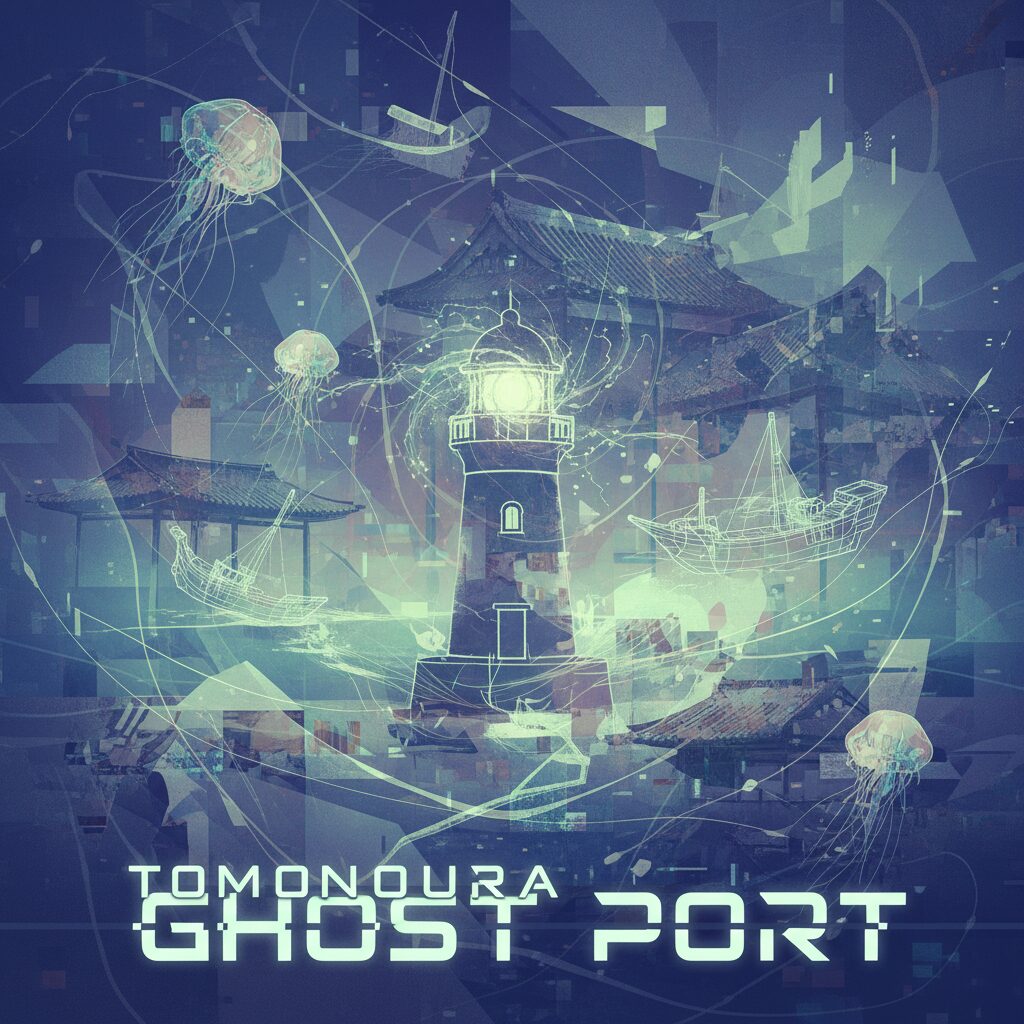
Long before becoming a pilgrimage destination for anime enthusiasts, Tomonoura was a crucial center of maritime trade and held great historical importance. Its history is etched into the very stones of its harbor. The town’s prosperity stemmed from a unique geographical characteristic: it was a “shio-machi no minato,” a port where ships waited for the tide. During the era of sail-powered vessels, ships navigating the Seto Inland Sea needed to anchor here to await the change of currents. This natural occurrence turned Tomonoura into a lively, strategic hub where goods, information, and culture from across Japan converged. Even today, the harbor feels like a perfectly preserved set from this bygone era. The Joyato Lighthouse stands as the centerpiece and lasting emblem of this heritage. Positioned at the harbor’s edge since the Edo period, this graceful stone lantern is more than a picturesque landmark; it once served as a working lighthouse, its fire guiding countless sailors safely ashore. Seeing it illuminated at dusk, with its warm glow mirrored on the dark, still water, offers a direct connection to the generations of seafarers who depended on its steady light.
Beyond its maritime role, Tomonoura was also the scene of a crucial event in Japanese history. In 1867, as the samurai era was ending, a ship belonging to the legendary samurai Sakamoto Ryoma and his Kaientai naval group collided with a vessel from the Kishu Domain and sank. The tense negotiations that followed took place here, in Tomonoura. Visitors can explore the very buildings where these talks occurred, immersing themselves in the dramatic atmosphere of a nation on the verge of profound change. This history extends beyond museums; it is tangible in the architecture. Many of the old merchant houses and storehouses, with their distinctive white and black plaster walls and wooden lattices, still stand. The town’s layout, with its narrow, maze-like streets, was intentionally designed to slow potential attackers or, as some legends say, pirates. Walking through Tomonoura is a continuous conversation between present and past, where a Ghibli-like fantasy and the harsh realities of samurai politics coexist within the same beautiful, timeworn space.
Sensory Overload: The Sights, Sounds, and Tastes of Tomonoura
Visiting Tomonoura is an experience that engages all your senses. It’s a place that invites you to slow down and appreciate the subtle symphony of details that shape its distinctive character. The experience is rich, layered, and deeply immersive, gradually unfolding as you wander through its charming corners.
The Rhythm of the Tides
The first thing you’ll notice is the soundscape, or rather, the relative quiet. The roar of city traffic is replaced by a softer soundtrack. The predominant sound is the rhythmic lapping of waves against the stone harbor walls, a steady, soothing percussion that sets the town’s leisurely pace. This is occasionally interrupted by the cry of black kites circling overhead, the chug of a solitary fishing boat heading out to sea, and the distant clang of work at the small, traditional shipyards still scattered along the shore. The air itself tells the town’s story. It’s thick with the clean, briny scent of the Seto Inland Sea, mingled with the faint, savory aroma of fish drying on racks in the sun and the subtle fragrance of incense drifting from a hidden temple. It’s a scent that is both invigorating and deeply calming, capturing the essence of a life lived by the water. Take a moment to sit quietly on the harbor wall, close your eyes, and listen. It is in these quiet moments that the true rhythm of Tomonoura reveals itself.
A Labyrinth of Discovery
While the waterfront serves as the town’s iconic face, its soul lies within the labyrinth of alleys that radiate away from the harbor. These streets are too narrow for cars, creating a pedestrian paradise where the best mode of transport is your own two feet coupled with a healthy dose of curiosity. Every turn unveils a new vignette of daily life. You might come across a tiny shrine nestled between two houses, its stone statues adorned with small, handmade offerings. A steep, moss-covered stone staircase could lead you up a hill to a breathtaking panoramic view of the bay you never knew existed. The Fukuzenji Temple, perched on a slope, offers one of the most celebrated views from its Taichoro guest hall — a vista so striking it was once praised by a Korean envoy as the most scenic in Japan. Or you might find yourself at the Ota Residence, a perfectly preserved Edo-period merchant house now serving as a museum for Homeishu, a local medicinal liqueur. Exploring these backstreets feels like a treasure hunt, where the prize is not a single destination but the joy of discovery itself. It’s about peeling back the layers of the town and uncovering the quiet, intimate moments that make it so special.
Flavors of the Seto Inland Sea
Tomonoura’s deep bond with the sea is most deliciously expressed through its cuisine. As a fishing port, the daily catch is the highlight of every local menu. The specialty here is tai, or sea bream. The town is renowned for its traditional tai fishing method, a dramatic event held in May that draws crowds from far and wide. Throughout the year, you can savor this delicate, flavorful fish prepared in numerous ways: as pristine sashimi, simply grilled with salt, or simmered in a savory broth with rice. Many small, family-run restaurants along the harbor offer set meals that provide a wonderful overview of the local seafood. Beyond the fish, Tomonoura is famous for a unique and historic beverage: Homeishu. This sweet liqueur is made from shochu infused with sixteen different kinds of medicinal herbs. Its recipe is believed to be over 350 years old, and it was once a beloved health tonic. Shops dedicated to this potent drink offer tastings and sell beautifully designed bottles that make for perfect, uniquely Tomonuran souvenirs. To taste the food and drink of this town is to taste its history and its inseparable connection to the rich waters of the Seto Inland Sea.
Practical Guidance for the Modern Pilgrim
Though Tomonoura may seem worlds away, getting to this charming port is surprisingly simple. With proper planning, you can fully enjoy your journey into this timeless setting, ensuring a seamless and enchanting experience that matches the town’s own magic. A little preparation lets you focus on what truly matters: immersing yourself in the atmosphere.
Getting to This Seaside Escape
The entry point to Tomonoura is Fukuyama City. The easiest route is via the Sanyo Shinkansen (bullet train), which stops at Fukuyama Station—a convenient stop between major cities like Osaka and Hiroshima. From the south exit of Fukuyama Station, you’ll find the local bus terminal. Look for the bus headed to Tomo Port (鞆港, Tomo-kō). The ride takes around 30 minutes and costs a few hundred yen. This bus trip is an experience itself; as you leave Fukuyama’s modern cityscape behind, the scenery shifts gradually. Wide urban streets turn into narrow roads, and soon you’ll glimpse the sparkling Seto Inland Sea. The bus journey provides the perfect transition, gently preparing you for the timeless charm ahead. The final stop is right at the harbor’s edge, placing you in the heart of the town’s stunning scenery.
When to Visit and How to Wander
Tomonoura is a delightful destination throughout the year, with each season showcasing a unique character. Spring is especially beautiful, with cherry blossoms lining the historic streets and mild weather ideal for strolling. Autumn brings crisp air, clear blue skies, and pleasant temperatures. Summer can be hot and humid but lively, with the sea offering a refreshing breeze. Winter is tranquil and contemplative, with fewer crowds and a peaceful ambiance. Regardless of the season, the best way to explore is on foot. The town is compact, and many of its hidden gems are unreachable by car. Wear comfortable walking shoes, as you’ll navigate uneven stone paths, old staircases, and gentle hills. The best approach is to wander without a rigid plan. Pick up a simple map from the small tourist information center near the bus stop for guidance, then let yourself get wonderfully lost. While a day trip from Hiroshima or Onomichi is doable, to truly capture the town’s magic, consider staying overnight. Watching the sunset color the harbor and the Joyato Lighthouse begin to glow is unforgettable. With day-trippers gone, the town grows quieter and even more atmospheric, making you feel as if you have this historic port all to yourself.
A First-Timer’s Compass
A few practical tips can enhance your visit. Though some larger restaurants and hotels accept credit cards, many smaller family-run shops, cafés, and inns operate on a cash-only basis. It’s wise to carry enough Japanese yen. Also, remember that Tomonoura is not a theme park but a living community where people live and work. Be a respectful visitor: keep your voice low, especially in quiet residential alleys, and be careful when photographing to avoid intrusive shots of private homes or residents. A polite nod and a simple “konnichiwa” (hello) can go a long way in fostering goodwill. Lastly, embrace the slow pace. Tomonoura offers an escape from the rush of modern life. Don’t rush to check everything off your list. Instead, find a bench by the harbor, grab a local snack, and simply watch the world go by. That is where you’ll discover the true heart of this enchanting destination.
Beyond the Shoreline: Nearby Wonders
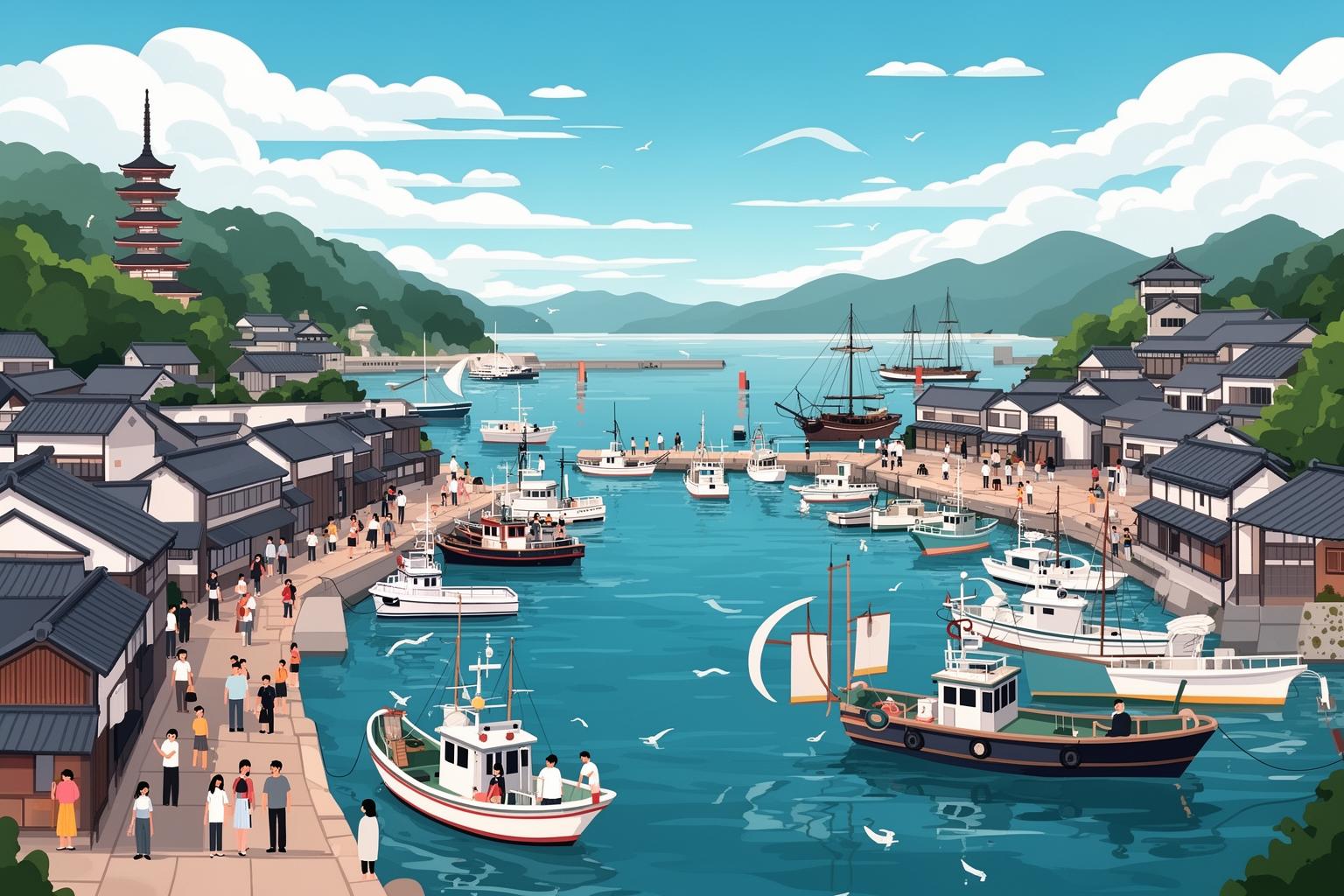
Tomonoura itself is charming enough to occupy a full day or more, but its location also makes it an excellent base for exploring nearby attractions. If you’re enchanted by the islands scattered across the bay, a short and pleasant ferry ride will take you there. The ferry regularly departs from the main pier and reaches Sensuijima Island in just five minutes. Known as the “Island of the Immortals,” Sensuijima is part of the Seto Inland Sea National Park. Stepping off the ferry feels like entering a completely different world, where the sounds of the town give way to rustling leaves and birdsong. Sensuijima features several hiking trails through lush, pristine forests, leading to breathtaking viewpoints overlooking Tomonoura and the glistening sea beyond. It’s a perfect way to spend a few hours stretching your legs and soaking in the natural beauty of the area. The contrast between the historic, man-made charm of the port and the wild, natural scenery of the island offers a deeper, more complete perspective of the region.
Back on the mainland, before departing the area, consider spending some time in the city where you arrived. Fukuyama is more than just a transit hub. It boasts Fukuyama Castle, a magnificent structure located right by the train station. Although heavily damaged in World War II, the castle has been beautifully restored and now houses a museum dedicated to the city’s history and its feudal lords. The castle grounds are especially popular with locals during cherry blossom season. Visiting Fukuyama Castle provides a striking contrast to the intimate, small-scale history found in Tomonoura, offering insight into the broader world of samurai clans and feudal power that shaped the region. Pairing a visit to the castle with your trip to the seaside port creates a well-rounded experience of the diverse history and landscapes of Hiroshima Prefecture.
An Enduring Charm
Leaving Tomonoura feels like emerging from a pleasant dream. As the bus departs from the harbor, carrying you back to the modern world of bullet trains and bustling cities, the town’s timeless essence remains. It’s more than just the memory of stunning scenery or the excitement of wandering through a Ghibli film. It’s the sensation of having connected with a different pace of life, one governed by the moon and tides rather than the clock. Tomonoura is a rare and cherished place that effortlessly serves as both a destination for pop culture pilgrimage and a sanctuary of genuine history. Here, the whimsical world of Ponyo coexists harmoniously with the stoic legacy of Sakamoto Ryoma. The town stands as a vivid reminder that the most enchanting stories often grow from real places, real history, and the simple, enduring beauty of a community shaped by the sea. Whether you arrive seeking the ghost of a beloved animation or the echoes of centuries past, you will leave with something more: a feeling of peace, a touch of wonder, and the quiet inspiration born from a place where time has learned to stand beautifully, gracefully still.