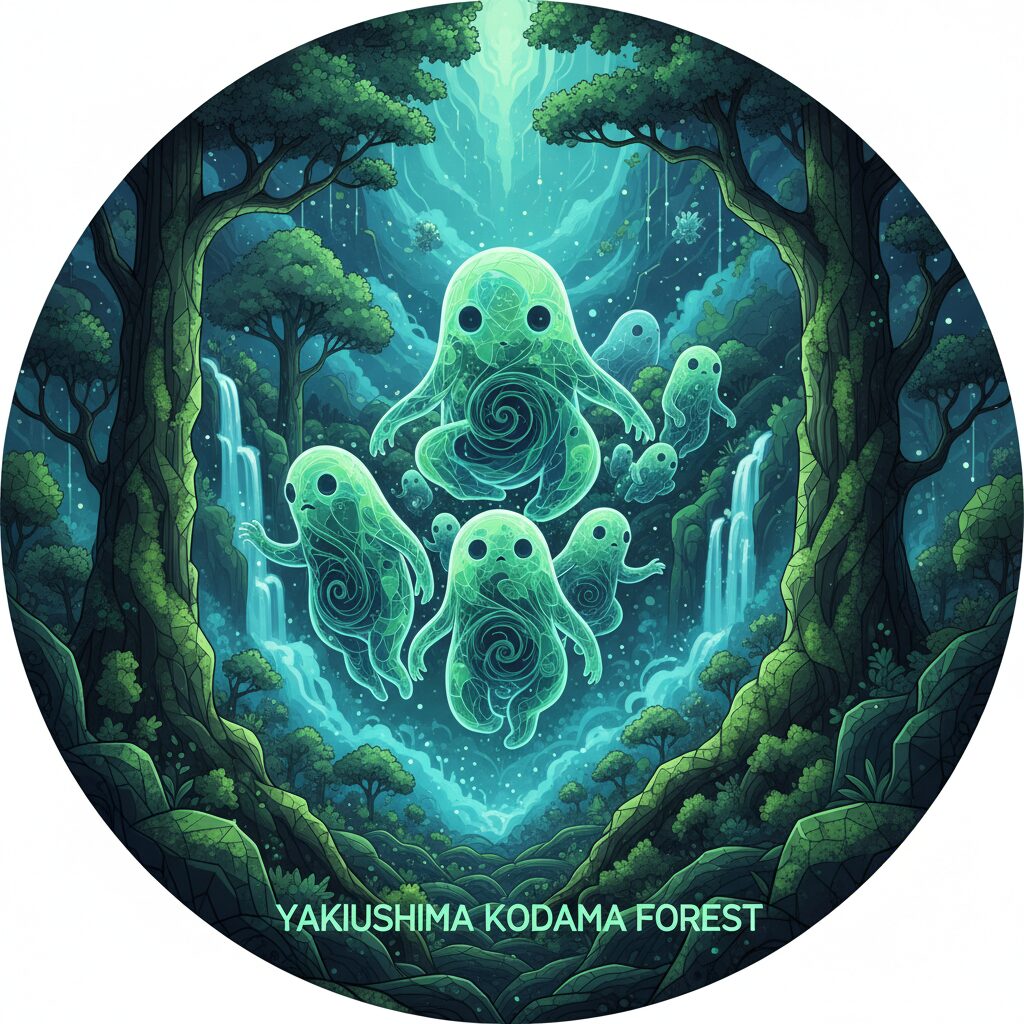
There are places on this earth that feel older than time itself, where the air hums with a silent, ancient energy. Yakushima is one such place. Tucked away south of Japan’s main islands, this subtropical gem rises from the sea like a sleeping giant, its peaks cloaked in a perpetual mist and its heart swathed in a forest so primeval it feels like a memory from the dawn of the world. For many, this island is not just a destination; it’s a pilgrimage. It is the living, breathing soul of one of the most powerful animated films ever created: Hayao Miyazaki’s Princess Mononoke. To step onto Yakushima is to walk through the celluloid frames of that masterpiece and into the very world that inspired its deep, moss-covered soul. You come here seeking the forest of the Deer God, and you find something even more profound—a tangible connection to the wild, untamable spirit that Miyazaki so brilliantly captured. This isn’t just a hike; it’s a journey into a myth, a chance to listen for the whispers of the kodama among the gnarled roots of cedar trees that have stood sentinel for millennia. It’s a place that challenges your body, quiets your mind, and reawakens a sense of wonder you thought was lost to childhood. This is your guide to that sacred journey.
If you’re inspired to explore more real-world locations from Studio Ghibli films, consider a visit to the charming seaside town that inspired Ponyo.
The Call of the Ancient Forest
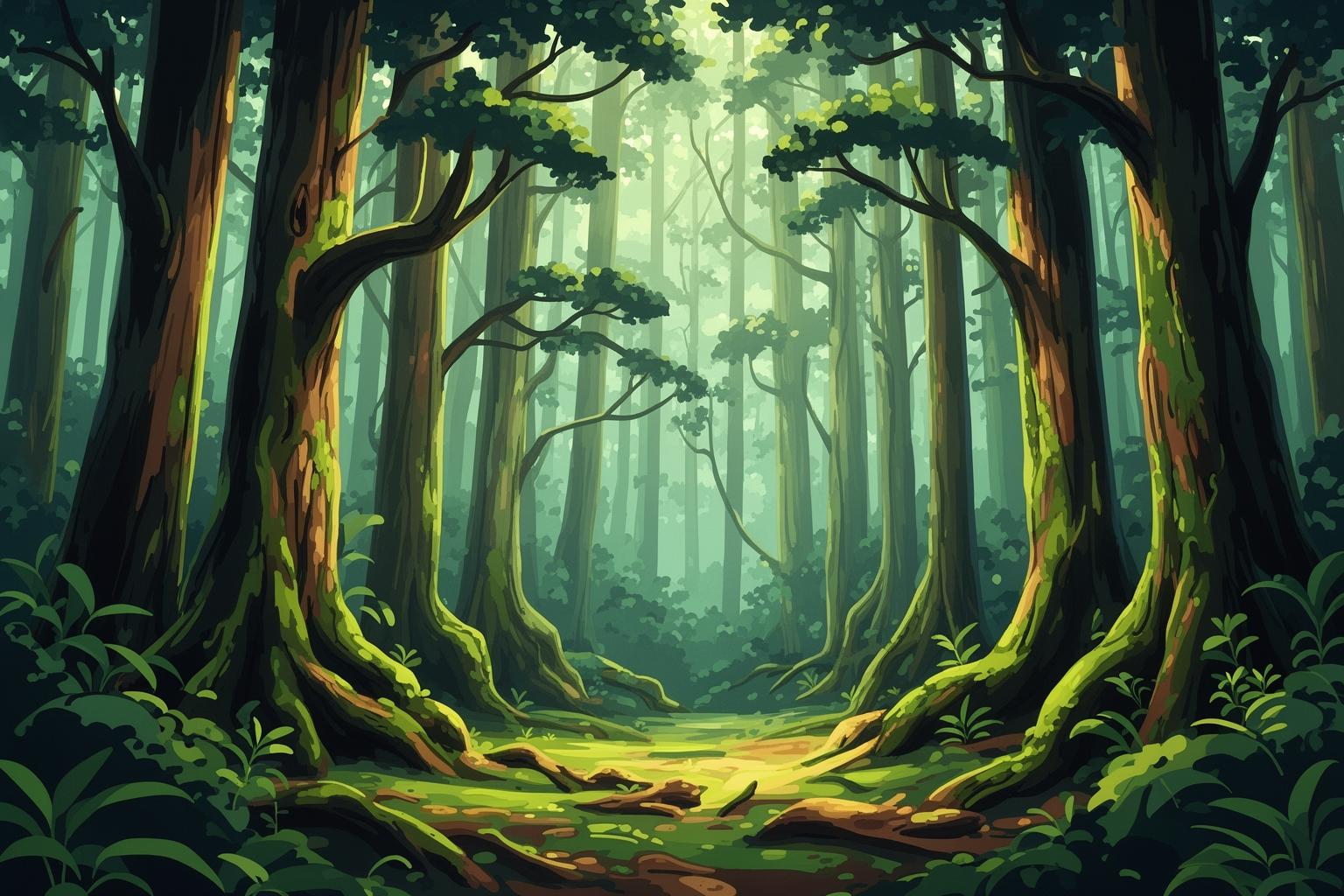
Yakushima’s atmosphere is its most distinctive feature. The island is often said to experience “35 days of rain in a month,” and although this is an exaggeration, it reflects a fundamental truth. This is a land shaped by water. The heavy rainfall nourishes a landscape of near-impossible greenness. Everything is slick with moisture, covered in velvet moss, and alive with a quiet, relentless energy. The air is dense, pure, and scented with damp earth, decaying wood, and the sharp, resinous aroma of cedar. It is this life-sustaining water that has allowed the island’s most famous residents, the Yakusugi, to flourish. These are ancient Japanese cedar trees, and on Yakushima, a sugi is only granted this title after reaching a thousand years old. To stand among them is humbling. Their bark twists into grotesque, beautiful shapes, and their massive trunks stretch toward a sky they have known for centuries, even millennia. Designated a UNESCO World Heritage site in 1993, the island’s central forests serve as a sanctuary, a protected realm where the cycle of life and death unfolds on a geological scale. The soundscape is a natural symphony: the steady drip of water from leaf to moss, the rush of pristine rivers carving through granite boulders, the chatter of unseen birds, and the rustle of a Yakushika deer moving through the undergrowth. It is a deeply immersive environment that invites you to slow down, breathe deeply, and simply exist within its powerful embrace.
Walking in the Footsteps of Ashitaka: Shiratani Unsuikyo Ravine
For those wanting to experience the essence of the Princess Mononoke world, the journey both begins and ends at Shiratani Unsuikyo, known as the “White Valley Cloud and Water Ravine.” This is the very forest where Hayao Miyazaki and his team of artists spent days sketching and absorbing its spirit to bring the film to life. The moment you step from the trailhead onto the path, recognition hits immediately and viscerally. You are no longer merely in a forest; you are immersed within the film itself. The gnarled roots of ancient trees coil along the path like sleeping serpents, streams of crystal-clear water cascade over moss-covered granite, and the canopy above filters sunlight into a soft, ethereal glow. The air is cool and damp, carrying the scent of wet stone and living wood. It’s a place that feels both serene and intensely alive, as if the spirits of the forest linger just beyond your perception, watching silently from the shadows.
The Moss Forest
Deeper in the ravine lies the area famously known as Kokemusu-no-mori, or the Moss Forest. This is the heart of the magic. Here, the visual connection to the film becomes breathtakingly vivid. Every surface is blanketed in a thick, vibrant carpet of green. Countless varieties of moss form a soft, undulating landscape that cloaks rocks, fallen logs, and tree trunks. The world is transformed into hues of emerald, jade, and forest green, contrasted by the dark, ancient wood of cedars. It’s impossible to stand here without imagining the little white kodama with their rattling heads peeking out from behind a tree root. The silence is profound, broken only by the gentle murmur of water. You find yourself moving softly, speaking in hushed tones, reluctant to disturb the deep peace of the place. Light struggles to penetrate the dense canopy, and when it does, it streams in shafts that illuminate patches of moss and make water droplets sparkle like diamonds. It’s a photographer’s dream, though even the best camera cannot fully capture the sensation of being enveloped by this living, breathing ecosystem. It feels sacred—a natural cathedral that inspires a deep reverence.
Trails for Every Wanderer
Shiratani Unsuikyo offers trails suitable for hikers of various skill levels, with several well-marked routes. The shortest loops can be completed in about an hour, providing a beautiful glimpse of the ravine’s character without requiring significant physical effort. These trails are often paved with wooden planks or stone steps, making the initial approach accessible to most visitors. For a more immersive experience, the hike to Taikoiwa Rock is essential. This trail takes roughly four to five hours round trip and involves a more demanding climb. The path grows wilder, requiring navigation over exposed tree roots and steep stone staircases. The reward for your effort is one of the most spectacular views on the island. Emerging from the dense forest, you reach the summit of a massive granite boulder, Taikoiwa Rock. From this vantage point, the world unfolds before you. You are treated to a panoramic panorama of Yakushima’s mountainous interior, a seemingly endless sea of green peaks rolling toward the horizon. On a clear day, the view feels infinite, emphasizing the vastness and untamed spirit of the island you’ve explored from within. It’s a moment of triumph and clarity—a perfect climax to your journey through the mossy depths.
Beyond the Moss: The Majesty of Jomon Sugi
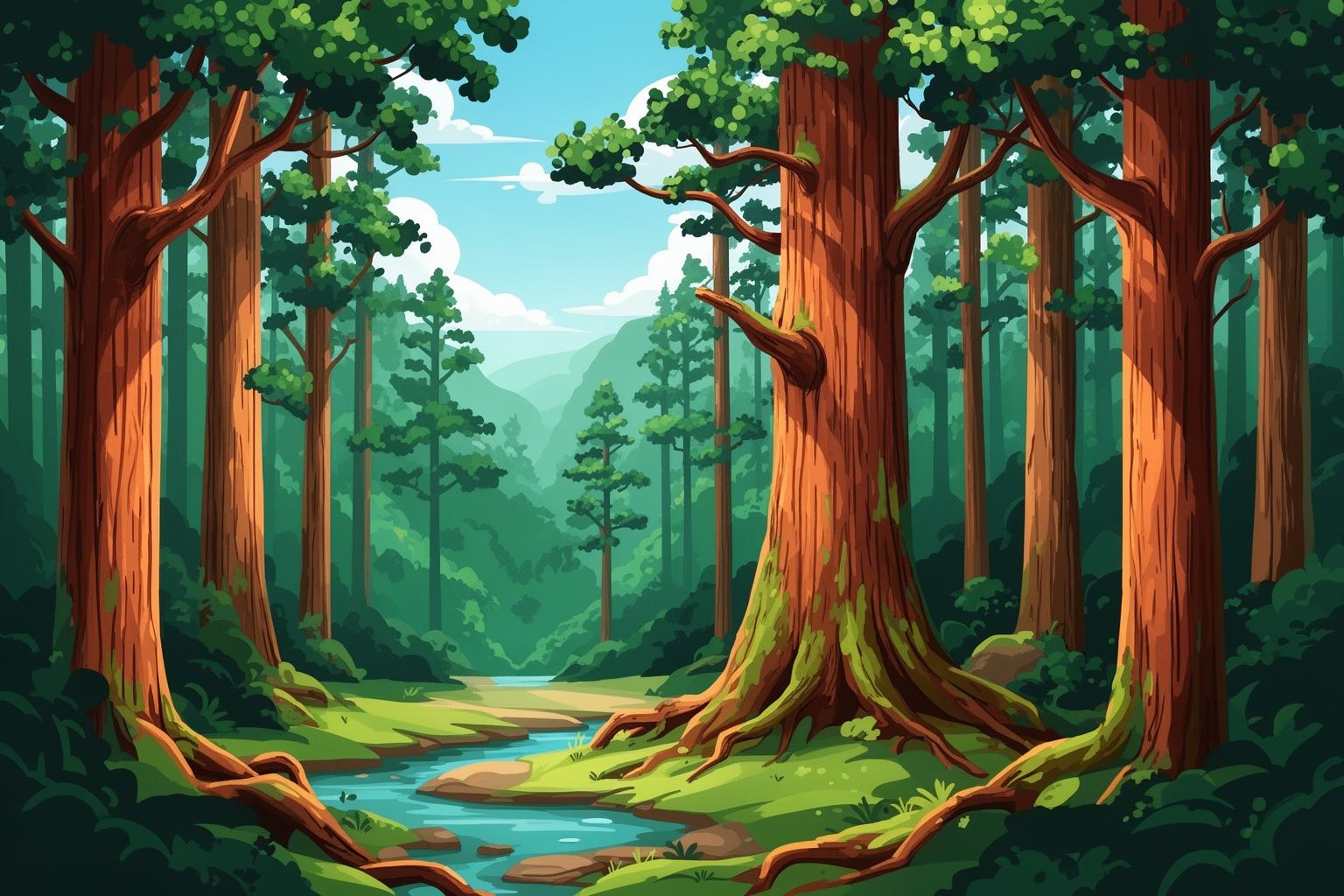
While Shiratani Unsuikyo embodies the film’s spirit, the true monarch of the island dwells deeper within the mountains. This is Jomon Sugi, a gigantic cedar tree estimated to be between 2,000 and 7,200 years old. It stands as one of the oldest living trees on Earth, silently witnessing the entire span of Japanese history. The trek to reach it is far from a casual walk; it is an epic, ten to twelve-hour pilgrimage that will challenge your stamina and reward you with an unforgettable, almost spiritual experience. This journey represents the ultimate test for any hiker visiting Yakushima—a true expedition into the island’s most ancient core.
Preparing for the Quest
A hike to Jomon Sugi demands thorough preparation. This is not to be taken lightly. The day begins in pre-dawn darkness, with most hikers boarding a bus to the Arakawa trailhead around 4 or 5 AM. Essential equipment includes sturdy, waterproof hiking boots, high-quality rain gear (both jacket and pants, as rain is always a possibility), a headlamp for the early start, plenty of water, and energy-rich food. Many visitors choose to hire a local guide, which is strongly recommended—not only for safety and navigation but also for the incredible knowledge they share about the island’s flora, fauna, and history. Guides set the perfect pace and turn a long walk into an enlightening journey through ecology and folklore.
An Audience with a King
The initial segment of the trek follows the Arakawa Trail, which runs along the tracks of an old logging railway. Walking along these tracks in the dim light of a headlamp, with the dark forest pressing in on both sides, feels surreal and beautiful. After a few hours, the trail leaves the tracks and begins a steep, unrelenting climb into the mountains. Along the way, you’ll pass other remarkable Yakusugi, including Wilson’s Stump—the massive remains of a felled cedar large enough to walk inside. From within, looking up reveals a perfect heart-shaped opening to the sky. Finally, after hours of climbing, you arrive. A dedicated viewing platform has been constructed to protect the tree’s delicate root system, and from there, you behold Jomon Sugi. No photograph can fully prepare you for its sheer presence. Its trunk is a twisted, colossal form, more akin to a geological formation than a plant. Its branches, weathered by countless typhoons, stretch out like weary arms. It doesn’t feel like just a tree; it feels like a living being, an ancient deity of the forest. You stand in silence, sharing the space with other exhausted hikers, all captivated by the profound sense of age and resilience radiating from this magnificent organism. The long, grueling journey to reach it makes the moment of arrival all the more powerful and deeply moving.
The Island’s Living Pulse: Yakushima’s Coasts and Creatures
While the forests are the island’s primary attraction, Yakushima’s life also extends to its vibrant coastlines, brought to life by its distinctive wildlife. The creatures that appear to have stepped straight out of Princess Mononoke are found everywhere here. You will frequently encounter Yakushika, a subspecies of sika deer, and Yakuzaru, the local macaque monkeys. They roam freely through the forests and often wander the roadsides with a serene indifference to humans. Witnessing a monkey grooming another on a guardrail or a deer cautiously emerging from the forest ferns constantly reminds you of how deeply interconnected life is on this island. These animals are more than just residents; they embody the very spirit of the place. The coastline reveals a different kind of untamed beauty. At Nagata Inakahama Beach, a stretch of golden sand on the northwest shore, you’ll find one of the most critical nesting sites for loggerhead sea turtles in the North Pacific. From May through July, female turtles haul themselves ashore under the cover of darkness to lay their eggs, a timeless ritual linking the island to the vast ocean. Watching the hatchlings scramble toward the sea in late summer is a truly magical sight, but it must be experienced through organized, respectful tours to protect these endangered animals.
A Practical Guide to Your Yakushima Pilgrimage
Embarking on a journey to such a wild place requires some logistical planning. Yakushima is remote, and its untamed nature adds to its charm, but being well-prepared will help ensure your adventure is smooth and enjoyable.
Reaching the Enchanted Isle
Your trip to Yakushima will most likely start in Kagoshima, the southernmost major city on Japan’s Kyushu island. From here, you have two main options. The fastest way is the high-speed jetfoil ferry, commonly known as the “Toppy” or “Rocket,” which transports you to either Miyanoura or Anbo Port on Yakushima in about two to three hours. It’s efficient and provides a comfortable ride. The more relaxed and budget-friendly choice is the car ferry, which takes around four hours but lets you bring a vehicle and offers open decks to watch for flying fish and enjoy the sea breeze. Alternatively, you can fly. Yakushima Airport (KUM) has several daily flights from Kagoshima, as well as direct connections from Fukuoka and Osaka, making the island surprisingly accessible.
Navigating the Wilds
Once on the island, getting around becomes your main logistical challenge. Public transportation is limited. The bus system runs on a sparse schedule that may not align well with trailhead times or your planned itinerary. For this reason, renting a car is by far the most practical and recommended option. It gives you the freedom to explore the island’s winding coastal roads at your own pace, stop at scenic viewpoints, and, most importantly, reach the trailheads for Shiratani Unsuikyo and Arakawa (for Jomon Sugi) early in the morning. Be sure to book your rental car well in advance, especially during peak seasons, as availability is limited.
When to Heed the Forest’s Call
Yakushima can be visited year-round, but each season brings a different experience. Spring (March to May) and autumn (October to November) are often regarded as the best times, with mild temperatures for hiking and less rainfall than other months. Spring features mountain cherry blossoms and fresh new growth, while autumn offers subtle but stunning fall colors on the mountain slopes. Summer (June to September) is hot and extremely humid, coinciding with both the early summer rainy season (tsuyu) and late summer typhoon season. However, the rain makes the moss incredibly lush and vibrant, making it prime time for photographers. Winter (December to February) is cool along the coast, but high mountain peaks will be deeply covered in snow, making hikes like Jomon Sugi accessible only to experienced and well-equipped mountaineers.
Where to Rest Your Head
Accommodations on Yakushima vary from simple guesthouses, called minshuku, to comfortable hotels and luxurious resorts. The main population centers are Miyanoura in the north and Anbo in the east. Staying in one of these towns offers easy access to restaurants, shops, and gear rental outlets. For a quieter experience, smaller inns and cottages are scattered throughout villages around the island. For the truly adventurous hiking Jomon Sugi, spending a night in one of the basic, unmanned mountain huts along the trail can be an unforgettable experience, allowing you to break the long trek into two days and enjoy the forest by night.
Respecting the Sacred Ground
Visiting a place as pristine and ecologically fragile as Yakushima carries a deep responsibility. It is more than just a tourist spot; it is a delicate, living ecosystem. The principles of Leave No Trace are essential here. Always stay on the marked trails; a single step can damage centuries-old moss that may never recover. Carry out everything you bring in, including all food wrappers and trash. Use the designated toilet facilities at trailheads and along some main routes. Do not feed or disturb the wildlife. The deer and monkeys are wild creatures, and maintaining their wildness is vital for their survival and for visitor safety. By being a thoughtful and respectful traveler, you become a guardian of the very magic you seek, ensuring that the spirit of the kodama and the essence of the ancient forest continue to flourish for generations to come.
A Parting Whisper from the Woods
A trip to Yakushima lingers with you long after you’ve left its shores. It sinks into your memory like the steady rain soaking the moss. You will recall the feeling of smallness while standing before Jomon Sugi, the ethereal green of the Shiratani Unsuikyo Ravine, and the quiet grace of the deer you encountered along the trail. You arrive in Yakushima seeking the world of an animated film, a fantastical realm of gods and spirits. You depart having discovered something unmistakably real and profoundly more powerful. You realize that the magic Miyazaki envisioned was not fantasy at all, but a reflection of a deep, tangible truth still alive in the wild places of the world. The forest truly has a soul, the trees hold ancient wisdom, and if you listen carefully in the tranquil moments between the rustling leaves and dripping water, you can still hear the whispers of the woods.